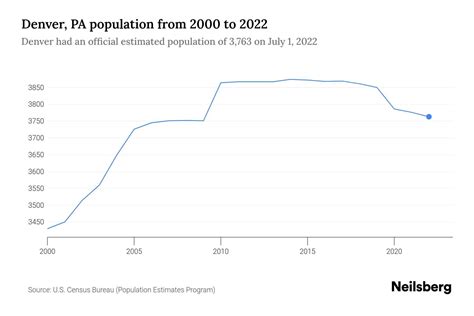
Denver, the capital city of Colorado, has experienced significant growth and transformation over the years, making it one of the most dynamic and appealing cities in the United States. Understanding the demographics and population trends of Denver can provide valuable insights into its evolution, challenges, and opportunities. Here are 10 key population facts to know about Denver:
Rapid Growth: Denver has been experiencing rapid population growth. As of the latest census data, the city’s population has surpassed 725,000 residents, marking a significant increase from the approximately 599,000 residents recorded in 2010. This growth trend is expected to continue, with projections suggesting the city will reach over 780,000 by 2025.
Diversity on the Rise: Denver’s population is becoming increasingly diverse. While the city has historically been predominantly white, there has been a notable increase in the Hispanic and Latino population, now making up about 30% of the city’s residents. Additionally, there has been growth in the African American, Asian, and Native American populations, contributing to the city’s cultural richness and diversity.
Median Age: The median age in Denver is around 35 years old, which is lower than the national median age. This younger demographic contributes to the city’s vibrant atmosphere and is partly due to the area’s appeal to young professionals and families.
Education Levels: Denver boasts a highly educated population. Over 45% of residents hold a bachelor’s degree or higher, which is significantly above the national average. This high level of educational attainment is a testament to the city’s strong school systems and its attractiveness to skilled workers.
Income and Cost of Living: The median household income in Denver is around $85,000, which is higher than the national average. However, the cost of living in Denver, especially housing costs, has been rising, affecting affordability for some residents. The balance between income levels and the cost of living is a pressing issue for city planners and policymakers.
Urbanization and Density: Denver is experiencing urbanization, with a growing preference for living in the city center. The population density of Denver is approximately 4,800 people per square mile, reflecting a trend towards more compact, urban living. This shift is driven by the desire for walkability, access to amenities, and a more urban lifestyle.
Suburban Expansion: While there is a trend towards urban living, the suburbs of Denver are also seeing growth. Many families and individuals are moving to the outskirts of the city for more space and affordability. This expansion has led to the development of new communities and the revitalization of older suburbs.
Immigration: Denver has seen an influx of new residents from other parts of the country and internationally. The city is attractive due to its economic opportunities, educational institutions, and quality of life. Immigrants contribute significantly to the city’s diversity and economic vitality.
Health and Wellness: Denver is known for its health-conscious population. The city has numerous parks, bike trails, and outdoor recreational spaces, which encourage an active lifestyle. Additionally, the presence of major healthcare providers and medical research institutions contributes to the city’s focus on health and wellness.
Economic Contribution: The population of Denver significantly contributes to the regional and state economy. Major industries such as technology, healthcare, finance, and tourism drive economic growth, with many residents engaged in professional services, manufacturing, and the arts. The city’s strong workforce and entrepreneurial spirit are key factors in its economic success.
In conclusion, the population facts of Denver highlight a city that is growing, diversifying, and thriving. The city’s appeal to young professionals, its diverse community, and its strong economy make it an attractive place to live and work. However, challenges such as affordability and sustainability will need to be addressed to ensure that Denver continues to be a vibrant and inclusive city for all its residents.
What is the current population of Denver, and how has it changed over the years?
+As of the latest data, Denver's population is over 725,000, representing a significant increase from the approximately 599,000 residents in 2010. This growth indicates the city's appeal and economic vitality.
How diverse is Denver's population, and what are the most significant demographic changes?
+Denver is becoming increasingly diverse, with a notable increase in the Hispanic and Latino population. The city also sees growth in African American, Asian, and Native American populations, contributing to its cultural diversity and richness.
What is the median age of Denver's population, and how does it compare nationally?
+The median age in Denver is around 35 years old, which is lower than the national median age. This younger demographic is attributed to the city's appeal to young professionals and families, contributing to its vibrant atmosphere.
Understanding these population facts offers a glimpse into the complexities and opportunities of Denver, a city that continues to evolve and attract new residents and businesses. As Denver looks to the future, addressing the challenges of growth while preserving its unique character and quality of life will be key to its continued success and appeal.