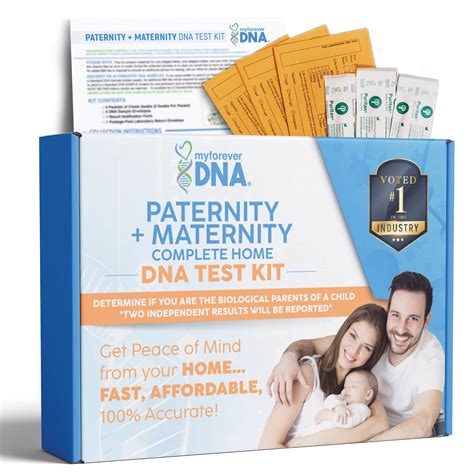
The rise of home DNA test kits has revolutionized the way we understand our ancestry, health, and genetic predispositions. With the simplicity of a cheek swab or saliva sample, individuals can now uncover a wealth of information about their genetic makeup from the comfort of their own homes. However, beneath the surface of this cutting-edge technology lies a complex web of secrets, misunderstandings, and unmet expectations. Let’s delve into the lesser-known aspects of home DNA test kits, exploring the intricacies that both fascinate and caution.
1. The Limitations of Ancestry Reporting
While home DNA test kits are adept at tracing ancestry, their reports often come with a significant caveat: the results are probabilistic. The algorithms used to deduce ancestral origins can be influenced by a myriad of factors, including the database size, the diversity of the reference populations, and the individual’s unique genetic profile. This means that results can vary significantly between different testing companies, leading to confusion and disappointment for those seeking definiteness about their heritage.
2. The Concept of Genetic Genealogy
Beyond mere ancestry, genetic genealogy has emerged as a powerful tool for connecting with distant relatives and even solving crimes. By analyzing DNA segments, individuals can identify relatives they never knew existed, tracing family lines back centuries. This aspect of home DNA testing has not only fascinated the public but has also been hailed as a breakthrough in forensic science, with cases being solved decades after they went cold.
3. The Privacy Paradox
One of the most contentious issues surrounding home DNA test kits is the question of genetic privacy. While companies assure users of stringent privacy measures, the fact remains that once your DNA is in a database, it exists in a realm beyond your control. There have been instances where law enforcement has accessed these databases to solve crimes, raising ethical questions about consent, privacy, and the potential for misuse.
4. The Health and Wellness Misconception
Many turn to home DNA test kits with the hope of gaining insights into their genetic health risks or predispositions. However, the reality is more nuanced. Most direct-to-consumer tests are not diagnostic; they merely provide risk assessments based on genetic variants associated with certain conditions. The complexity of genetics, combined with environmental and lifestyle factors, means that these tests should not be considered a definitive guide to one’s health future.
5. The Emerging Field of Epigenetics
Beyond the sequence of our DNA lies the field of epigenetics, which studies how environmental factors and lifestyle choices can affect gene expression. This area of research holds promise for understanding how our genes interact with our environment and how we might influence our genetic predispositions through conscious choices. Though still in its infancy, epigenetic studies could significantly enhance the value of home DNA testing by providing actionable insights.
6. The Misunderstood Concept of a “Genetic Match”
Finding a genetic match through a home DNA test kit can be an exhilarating experience, especially for adoptees or those with unknown parentage. However, the term “match” can be misleading. A genetic match indicates a shared DNA segment, but the closeness of the relationship depends on the size and number of these segments. Interpreting these matches requires a good understanding of genetic inheritance patterns and the limitations of current testing methodologies.
7. The Ethical Dilemmas of Genetic Knowledge
As genetic information becomes more accessible, ethical dilemmas abound. For instance, should individuals have the right to remain ignorant of their genetic health risks? How do we balance the right to know with the potential for genetic discrimination? These questions touch on fundamental human rights and highlight the need for comprehensive ethical frameworks to guide the use of genetic information.
8. The Future of Personalized Medicine
Home DNA test kits are part of a larger movement towards personalized or precision medicine, where treatments are tailored to an individual’s unique genetic profile. While we are still in the early stages of realizing this vision, the potential is vast. Genetic information could guide everything from drug prescription to disease prevention, offering a future where healthcare is both more effective and more personalized.
9. The Regulatory Environment
The home DNA testing industry operates in a regulatory gray area, with oversight varying by country and even by state in the United States. This lack of uniform regulation raises concerns about consumer protection, particularly regarding the accuracy of test results, the security of genetic data, and the potential for misleading marketing claims.
10. The Psychological Impact of Genetic Discoveries
Lastly, there’s the often-overlooked psychological aspect of receiving genetic information. Discovering unexpected ancestry, learning about potential health risks, or finding previously unknown relatives can have profound emotional and psychological impacts. The emotional journey that follows a home DNA test can be complex, requiring support and understanding from family, friends, and sometimes professional counselors.
Conclusion
Home DNA test kits have opened a window into the intricacies of our genetic makeup, promising insights into our past, present, and future. However, as we delve deeper into the genetic landscape, it becomes clear that the journey is not without its challenges and complexities. By understanding these secrets and nuances, individuals can navigate the world of genetic testing with a clearer perspective, harnessing its potential while being mindful of its limitations.
What are the primary limitations of home DNA test kits in terms of ancestry reporting?
+The primary limitations include probabilistic results, database size, diversity of reference populations, and individual genetic uniqueness, all of which can lead to variability in results between different testing companies.
How does genetic genealogy aid in connecting with distant relatives?
+Genetic genealogy analyzes DNA segments to identify relatives, allowing individuals to connect with family members they may not have known about, trace family lines back centuries, and even assist in solving crimes through forensic science.
What are the potential privacy concerns associated with home DNA testing?
+Once DNA is in a database, it exists beyond individual control. There are concerns about privacy, consent, and potential misuse, especially with instances of law enforcement accessing these databases to solve crimes.
As the field of genetic testing continues to evolve, it’s essential to approach this technology with a balanced perspective, recognizing both its transformative potential and its inherent complexities. By doing so, we can harness the power of genetic knowledge to improve our lives while navigating the ethical, psychological, and social implications that come with it.