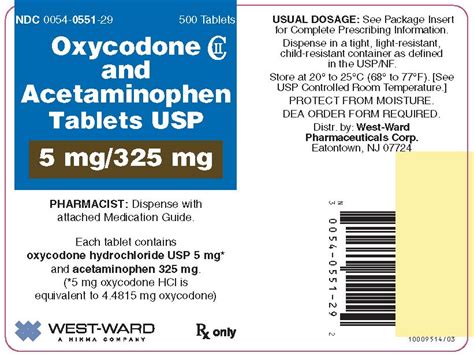
Oxycodone acetaminophen, commonly known by the brand name Percocet, is a prescription medication used to treat moderate to severe pain. It is a combination of two active ingredients: oxycodone, an opioid pain reliever, and acetaminophen, a non-opioid pain reliever and fever reducer. Understanding the key facts about oxycodone acetaminophen is crucial for its safe and effective use. Here are ten essential facts about this medication:
Combination Therapy: Oxycodone acetaminophen works by combining the effects of oxycodone, which acts on the central nervous system to relieve pain, and acetaminophen, which helps to reduce fever and relieve pain through a different mechanism. This combination is often more effective than using either medication alone for certain types of pain.
Prescription Only: Due to its potential for abuse and dependency, oxycodone acetaminophen is a controlled substance that requires a prescription from a licensed healthcare provider. It’s classified as a Schedule II controlled substance in the United States, indicating it has a high potential for abuse, with use potentially leading to severe psychological or physical dependence.
Dosage and Administration: The medication comes in various strengths, with different amounts of oxycodone and acetaminophen in each tablet. The usual adult dosage is one tablet every 6 hours as needed for pain, but it should not exceed 4 grams of acetaminophen in 24 hours to avoid liver damage. It’s crucial to follow the prescribed dosage instructions to minimize the risk of side effects and dependency.
Side Effects: Common side effects include drowsiness, dizziness, nausea, vomiting, constipation, and headache. Serious side effects can include respiratory depression (especially in high doses or in those with respiratory conditions), liver failure (from excessive acetaminophen), and allergic reactions. It’s essential to report any concerning side effects to your healthcare provider promptly.
Risk of Dependency and Addiction: Oxycodone acetaminophen carries a risk of physical dependence and addiction. The risk is higher in individuals with a history of substance abuse or those taking the drug for extended periods. Healthcare providers closely monitor patients for signs of addiction and adjust treatment plans accordingly.
Interactions with Other Medications: Oxycodone acetaminophen can interact with several medications, including other opioids, benzodiazepines, antidepressants, and antihistamines, increasing the risk of adverse effects, including respiratory depression and increased sedation. Inform your healthcare provider about all the medications you are currently taking before starting oxycodone acetaminophen.
Contraindications: The medication is contraindicated in patients with significant respiratory depression, acute or severe bronchial asthma, or known or suspected gastrointestinal obstruction. It should also be used with caution in patients with head injuries, brain tumors, or increased intracranial pressure, as it can obscure the clinical course and diagnosis.
Pregnancy and Breastfeeding: Oxycodone acetaminophen should be used during pregnancy only if the potential benefit justifies the risk to the fetus. Neonatal opioid withdrawal syndrome may occur in newborns of mothers who are physically dependent on opioids. Regarding breastfeeding, small amounts of oxycodone and acetaminophen are excreted in breast milk, but the risk to the infant, especially when used with caution and in lower doses, is generally considered low.
Overdose Risks: Overdose can occur from taking too much oxycodone acetaminophen, which may lead to severe respiratory depression, coma, or death. Signs of overdose include pinpoint pupils, slow breathing, or falling into a coma. If an overdose is suspected, seek immediate medical attention or call a poison control center.
Safe Disposal: To prevent misuse and accidental exposure, especially to children or pets, it’s crucial to dispose of unused oxycodone acetaminophen safely. Participate in a drug take-back program if available, or as a last resort, mix the medication with an undesirable substance like coffee grounds or cat litter, and seal it in a container to prevent ingestion before throwing it away.
What are the common side effects of oxycodone acetaminophen?
+Common side effects include drowsiness, dizziness, nausea, vomiting, constipation, and headache. It is essential to discuss any side effects with your healthcare provider to manage them effectively.
Can I take oxycodone acetaminophen if I am pregnant or breastfeeding?
+Oxycodone acetaminophen should be used with caution during pregnancy and breastfeeding. Consult your healthcare provider to discuss the potential risks and benefits and to determine the safest course of treatment for your condition.
How can I safely dispose of unused oxycodone acetaminophen?
+To prevent misuse, participate in a drug take-back program or mix the medication with an undesirable substance, seal it, and dispose of it safely to prevent accidental exposure.
In conclusion, oxycodone acetaminophen is a powerful prescription medication for managing moderate to severe pain. While effective, it carries significant risks, including dependency, addiction, and serious side effects. It’s essential for patients to follow their healthcare provider’s instructions carefully, be aware of the potential risks, and use the medication responsibly to ensure its safe and effective use.