Rosuvastatin, a statin medication, has been a cornerstone in the management of cholesterol levels and reduction of cardiovascular risk. For individuals prescribed rosuvastatin, understanding how to maximize its benefits while minimizing potential side effects is crucial. Here are 10 valuable tips to consider for better heart health while on rosuvastatin:
Adherence to Prescription: The first and foremost tip is to take rosuvastatin exactly as prescribed by your healthcare provider. Adherence to the prescribed dosage and schedule is key to achieving optimal cholesterol reduction and minimizing the risk of cardiovascular events. Skipping doses or stopping the medication without consulting a doctor can lead to a rebound effect, where cholesterol levels may surge, potentially leading to more severe cardiovascular issues.
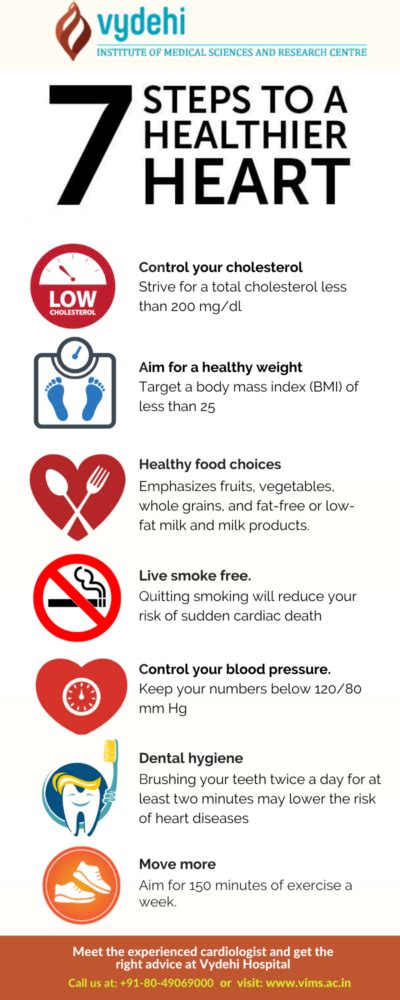
Combination with Lifestyle Changes: While rosuvastatin is effective in lowering cholesterol, it works best when combined with lifestyle modifications. Incorporating a heart-healthy diet, engaging in regular physical activity, maintaining a healthy weight, and avoiding smoking can enhance the medication’s benefits. A holistic approach to heart health not only improves the efficacy of rosuvastatin but also contributes to overall well-being.
Monitoring Cholesterol Levels: Regular monitoring of cholesterol levels is essential to assess the effectiveness of rosuvastatin and to make any necessary adjustments to the treatment plan. Your healthcare provider may recommend periodic blood tests to check lipid profiles and adjust the dosage or add other medications if needed.
Understanding Potential Side Effects: While generally well-tolerated, rosuvastatin can cause side effects in some individuals, such as muscle pain, liver enzyme elevations, and increased risk of diabetes. It’s crucial to discuss any concerns or symptoms with your healthcare provider. Regular monitoring of liver enzymes and blood sugar levels may be recommended, especially if you have a history of liver disease or diabetes.
Interactions with Other Medications: Rosuvastatin can interact with other medications, including certain antibiotics, antifungals, and other statins, which may increase the risk of side effects. Inform your healthcare provider about all the medications, supplements, and vitamins you are taking to avoid potential interactions.
Dietary Considerations: While on rosuvastatin, it’s beneficial to follow a heart-healthy diet that is low in saturated fats, trans fats, and cholesterol. Foods rich in soluble fiber, such as oats, barley, fruits, vegetables, and legumes, can help further lower LDL cholesterol. Additionally, limiting alcohol consumption and avoiding grapefruit and grapefruit juice, which can interact with statins, is recommended.
Regular Health Check-Ups: Regular health check-ups are vital for individuals on rosuvastatin. These visits allow your healthcare provider to monitor your response to the medication, check for any side effects, and adjust your treatment plan as necessary. They also provide an opportunity to discuss any concerns or questions you may have about your heart health.
Staying Hydrated: Adequate hydration is essential for overall health, including individuals taking rosuvastatin. Drinking enough water can help your body function properly and may reduce the risk of certain side effects. However, it’s also important to be mindful of your sodium intake, as high sodium levels can negatively impact heart health.
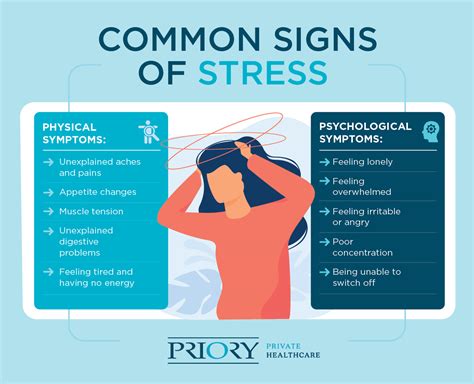
Mental Health and Stress Management: The relationship between mental health and heart health is well-documented. Stress can have a negative impact on cardiovascular health, potentially leading to increased blood pressure and heart rate. Engaging in stress-reducing activities, such as meditation, yoga, or deep breathing exercises, can complement the effects of rosuvastatin and contribute to better overall heart health.
Education and Support: Lastly, educating yourself about rosuvastatin, its benefits, potential side effects, and how it fits into your overall heart health plan is crucial. Joining a support group or discussing your treatment with friends and family can provide encouragement and help you stay on track with your medication regimen. Additionally, many online resources and mobile apps are available to help track medication adherence, monitor health metrics, and provide educational content on heart health.
In conclusion, while rosuvastatin is a powerful tool in the management of cholesterol and reduction of cardiovascular risk, its effectiveness can be significantly enhanced by adopting a comprehensive approach to heart health. By combining medication adherence with lifestyle changes, regular monitoring, and a holistic understanding of heart health, individuals can maximize the benefits of rosuvastatin and work towards a healthier, happier life.
What are the common side effects of rosuvastatin?
+Common side effects of rosuvastatin include muscle pain, headache, nausea, and increased liver enzymes. However, most people tolerate the medication well, and severe side effects are rare.
How long does it take for rosuvastatin to start working?
+Rosuvastatin begins to work within a few weeks, but it may take several weeks to a few months to see the full effect on cholesterol levels. Regular monitoring with your healthcare provider will help determine the medication’s effectiveness for you.
Can I stop taking rosuvastatin if my cholesterol levels return to normal?
+No, you should not stop taking rosuvastatin without consulting your healthcare provider. Even if your cholesterol levels improve, continuing the medication as prescribed is crucial to maintain the benefits and prevent future cardiovascular events.