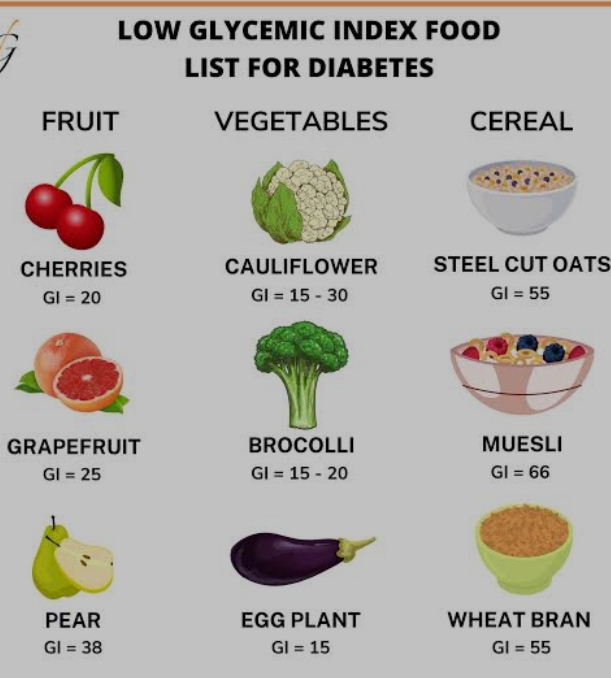
Maintaining healthy sugar levels is crucial for overall well-being, as it directly impacts energy, weight, and the risk of developing chronic diseases like diabetes and heart disease. The delicate balance of sugar in the body is managed by a complex system involving the pancreas, liver, and the hormones insulin and glucagon. Here are ten expert-approved tips to help manage sugar levels for better health:
1. Hydrate Adequately
Drinking enough water is essential for maintaining healthy blood sugar levels. Sometimes, thirst can masquerade as hunger or cravings for sugary foods. Staying hydrated helps regulate blood sugar levels and can reduce the risk of developing diabetes. Aim for at least eight glasses of water per day, and consider increasing this amount if you’re physically active.
2. Choose Whole Foods Over Processed Ones
Whole, unprocessed foods like vegetables, fruits, whole grains, lean proteins, and healthy fats are rich in fiber, nutrients, and natural satiety factors. These foods help regulate digestion and absorption of sugars, keeping blood sugar levels stable. Processed foods, on the other hand, are often high in added sugars, unhealthy fats, and sodium, which can lead to spikes in blood sugar.
3. Incorporate Physical Activity
Regular physical activity not only burns calories but also helps your body use insulin more efficiently, which keeps your blood sugar levels in check. Aim for at least 150 minutes of moderate aerobic exercise, or 75 minutes of vigorous aerobic activity, or a combination of both, along with muscle-strengthening activities at least twice a week.
4. Manage Stress Levels
Chronic stress can affect blood sugar levels by raising cortisol levels, a hormone that makes your body less responsive to insulin. Engage in stress-reducing activities like yoga, meditation, or deep breathing exercises to help manage stress levels and keep your blood sugar in check.
5. Get Enough Sleep
Getting adequate sleep is crucial for maintaining a healthy balance of hormones that regulate hunger and fullness, including insulin. Poor sleep quality and duration can disrupt these hormones, leading to increased cravings for unhealthy, sugary foods and potentially impacting blood sugar control. Aim for 7-8 hours of sleep per night.
6. Monitor Carbohydrate Intake
Carbohydrates have the biggest impact on blood sugar levels. Focus on complex carbohydrates like whole grains, fruits, and vegetables, which are rich in fiber and take longer to digest, causing a slower and more gradual increase in blood sugar. Limit foods high in simple carbohydrates like white bread, pasta, and sugary snacks.
7. Incorporate Sugar-Balancing Foods
Certain foods have natural properties that help stabilize blood sugar levels. Foods rich in fiber like cherries, berries, and leafy greens, as well as those high in healthy fats and protein like avocados, nuts, and fatty fish, can help slow down the digestion of carbohydrates and absorption of sugar.
8. Limit Added Sugars
The American Heart Association recommends that women consume no more than 25 grams (6 teaspoons) of added sugars per day, and men limit their intake to no more than 36 grams (9 teaspoons) per day. Read labels carefully to identify added sugars, which can appear under many different names.
9. Consider Natural Supplements
Certain natural supplements like berberine, chromium, and cinnamon have been shown to have a positive effect on blood sugar levels. However, it’s essential to consult with a healthcare professional before starting any new supplements to ensure they won’t interact with any medications or worsen underlying health conditions.
10. Regular Health Check-Ups
Finally, regular health check-ups are crucial for monitoring blood sugar levels and overall health. Early detection of elevated blood sugar levels or predicates for diabetes can allow for timely intervention with lifestyle changes or, if necessary, medication, reducing the risk of complications.
How often should I check my blood sugar levels if I'm prediabetic?
+If you're prediabetic, it's a good idea to check your blood sugar levels at least once a day, ideally at the same time each day, and record the results to look for patterns. However, the frequency may vary based on your specific condition and the advice of your healthcare provider.
Are natural sweeteners like honey and maple syrup better for blood sugar control?
+Natural sweeteners like honey and maple syrup, while they may have some health benefits, still contain sugars and can affect blood sugar levels. They should be consumed in moderation as part of a balanced diet focused on whole foods.
Can I manage blood sugar levels through diet alone if I have diabetes?
+For some people with type 2 diabetes, managing the condition through diet and lifestyle changes may be possible, especially in the early stages. However, it's crucial to work closely with a healthcare provider to monitor progress and adjust treatment plans as needed, which may include medication.
Maintaining healthy sugar levels requires a multifaceted approach that includes dietary adjustments, regular physical activity, adequate sleep, stress management, and regular health check-ups. By incorporating these strategies into your daily routine, you can better manage your blood sugar levels, reduce your risk of chronic diseases, and enjoy improved overall health and well-being.