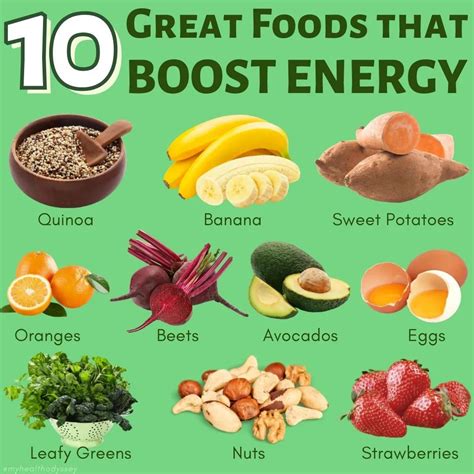
Incorporating healthy food choices into your daily diet can significantly boost your energy levels and overall well-being. The relationship between the food we eat and our energy levels is deeply rooted in the nutritional benefits that various foods provide. Foods rich in vitamins, minerals, antioxidants, and fiber are particularly beneficial for maintaining high energy levels throughout the day. Here, we’ll explore over 12 healthy food choices that can help increase your energy, along with practical tips on how to incorporate them into your meal plan.
1. Leafy Greens
Leafy greens such as spinach, kale, and collard greens are packed with iron, a crucial mineral for transporting oxygen to cells and supporting energy production. Iron deficiency is a common cause of fatigue, making leafy greens an essential addition to your diet. Try adding spinach to your omelets, blending kale into your smoothies, or sautéing collard greens with garlic as a side dish.
2. Nuts and Seeds
Almonds, cashews, pumpkin seeds, and chia seeds are excellent sources of magnesium, a mineral that plays a key role in energy production and can help reduce fatigue. A small handful of nuts and seeds can make for a quick and nutritious snack to keep your energy levels up throughout the day.
3. Fatty Fish
Fatty fish like salmon, tuna, and mackerel are rich in vitamin B12 and iron, both essential for the production of red blood cells and the transport of oxygen around the body. Grilled salmon with a side of quinoa and steamed vegetables makes for a balanced and energy-boosting meal.
4. Sweet Potatoes
Sweet potatoes are an excellent source of complex carbohydrates, fiber, and vitamins A and C. They are easily digestible and provide a sustained release of energy. Baked sweet potato topped with black beans, salsa, and avocado is a nutritious and filling meal that can provide energy for several hours.
5. Legumes
Legumes, including lentils, chickpeas, and black beans, are rich in protein, fiber, and complex carbohydrates. They are slow to digest, which means they provide a gradual and sustained energy release. Try making a big batch of lentil soup on the weekend and reheating it for quick lunches throughout the week.
6. Whole Grains
Whole grains like brown rice, quinoa, and whole-wheat bread provide sustained energy due to their complex carbohydrate content and high fiber levels. Choosing whole grains over refined grains can help maintain stable blood sugar levels and prevent energy crashes.
7. Avocados
Avocados are a rich source of healthy fats, which are essential for the absorption of vitamins and can provide a feeling of fullness and satisfaction. They also contain various vitamins and minerals, including potassium, which is crucial for maintaining healthy blood pressure and supporting energy production.
8. Berries
Berries, such as blueberries, strawberries, and raspberries, are packed with antioxidants and fiber. They can help reduce inflammation and support healthy blood sugar levels, contributing to more consistent energy levels. Mixing berries into your oatmeal or yogurt can add natural sweetness and a boost of antioxidants.
9. Green Tea
Green tea contains caffeine, which can provide a temporary energy boost, and L-theanine, an amino acid that can help reduce stress levels and improve focus. Replacing your morning coffee with green tea can provide a more sustained energy increase without the jitters.
10. Eggs
Eggs are a complete protein source, containing all nine essential amino acids that the body cannot produce on its own. They are also rich in vitamin B12 and iron, making them an excellent food for supporting energy production. Boiling a dozen eggs on the weekend can provide a quick protein source for salads and snacks throughout the week.
11. Greek Yogurt
Greek yogurt is high in protein, which can help keep you full and support muscle health. It’s also a good source of calcium, essential for muscle function and nerve function. Mixing Greek yogurt with honey and walnuts can make for a satisfying and energy-boosting snack.
12. Turkey and Chicken
Turkey and chicken are lean protein sources that can help maintain and repair muscles. They are also good sources of vitamin B6 and niacin, vitamins that play critical roles in energy metabolism. Grilled chicken breast with roasted vegetables and quinoa is a well-rounded meal that can support energy levels.
13. Apples
Apples are a good source of complex carbohydrates and fiber, making them a great snack for sustained energy. They also contain antioxidants that can help reduce inflammation and support overall health. Keeping an apple on your desk can be a healthy reminder to take a snack break and recharge.
Incorporating These Foods into Your Diet
Incorporating these energy-boosting foods into your diet can be easier than you think. Start by replacing one unhealthy snack per day with a healthier option, like nuts or fruits. Plan your meals in advance to ensure you’re getting a balance of proteins, healthy fats, and complex carbohydrates. Cooking large batches of legumes, whole grains, and vegetables on the weekends can provide quick and easy meal options for the week ahead.
Conclusion
Maintaining high energy levels throughout the day can be significantly influenced by the foods we choose to eat. By incorporating a variety of whole, nutrient-dense foods into our diets, we can support our bodies’ energy production mechanisms and enjoy better overall health and well-being. Remember, small changes can add up over time, so start with what you can and gradually work your way towards a more balanced and energy-boosting diet.
FAQ Section
What are the best foods for instant energy?
+Nuts, seeds, and dried fruits are excellent for quick energy boosts due to their high content of healthy fats and natural sugars.
How can I maintain energy levels throughout the day?
+Maintaining stable blood sugar levels by eating small, frequent meals rich in complex carbohydrates, proteins, and healthy fats can help sustain energy levels.
Are there any specific foods that can help reduce fatigue?
+Foods rich in iron, such as spinach and red meat, and those high in magnesium, like nuts and seeds, can help alleviate fatigue by supporting healthy red blood cell production and energy metabolism.


