Understanding the intricacies of VLDL (Very Low-Density Lipoprotein) cholesterol is crucial for maintaining cardiovascular health. VLDL cholesterol is one of the five major groups of lipoproteins that enable lipids like cholesterol to be transported within the water-based bloodstream. Here are 12 key facts about VLDL cholesterol that can help you make informed decisions about your health:
Definition and Role: VLDL is produced in the liver and is responsible for transporting endogenous triglycerides, cholesterol, and other lipids from the liver to various tissues in the body. It plays a critical role in the distribution of lipids throughout the body.
Composition: VLDL particles are composed of triglycerides (55-65%), phospholipids (18-20%), cholesterol (15-20%), and proteins (5-10%). The composition can vary, impacting its density and function.
Comparison with LDL: Both VLDL and LDL (Low-Density Lipoprotein) are often referred to as “bad” cholesterol because they can contribute to plaque buildup in the arteries. However, VLDL primarily transports triglycerides, whereas LDL is richer in cholesterol.
Metabolism and Conversion: As VLDL delivers triglycerides to cells via the action of lipoprotein lipase, it becomes progressively more cholesterol-rich and is eventually converted into LDL. This process makes LDL the primary carrier of cholesterol in the blood.
Impact on Health: Elevated levels of VLDL cholesterol can lead to an increased risk of cardiovascular diseases, including heart attacks, strokes, and peripheral artery disease. This is because excessive VLDL can contribute to the accumulation of cholesterol in arterial walls, promoting atherosclerosis.
Measurement: VLDL cholesterol levels are typically estimated from the triglyceride level using the formula: VLDL = Triglycerides / 5. This is because VLDL particles are primarily composed of triglycerides. Direct measurement of VLDL is more complex and less commonly performed.
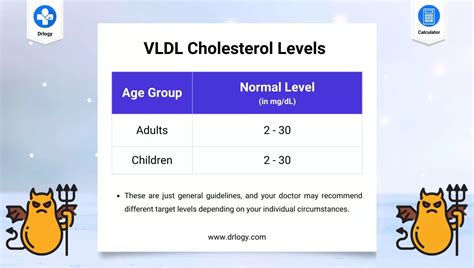
Normal Levels: The desirable level for VLDL cholesterol is less than 30 mg/dL. Levels between 30-40 mg/dL are considered borderline high, and above 40 mg/dL is deemed high.
Causes of Elevated VLDL: Several factors can lead to high VLDL levels, including obesity, physical inactivity, diabetes, high-carbohydrate diets (especially those high in simple sugars), genetic predispositions, and certain medications.
Dietary Influences: Dietary patterns can significantly impact VLDL levels. Consuming high amounts of saturated fats, trans fats, and cholesterol can increase VLDL and LDL levels. On the other hand, dietary fiber, unsaturated fats (found in avocados, nuts, and olive oil), and omega-3 fatty acids (found in fish) can help lower VLDL levels.
Lifestyle Modifications: Regular physical activity, weight management, smoking cessation, and limiting alcohol consumption can also contribute to lowering VLDL cholesterol levels. These lifestyle changes not only improve lipid profiles but also reduce the risk of cardiovascular disease.
Treatment Options: For individuals with high VLDL levels, treatment may involve a combination of lifestyle modifications and medication. Statins, fibrates, and niacin are commonly prescribed to lower VLDL and LDL levels and increase HDL (High-Density Lipoprotein) cholesterol, the “good” cholesterol.
Monitoring and Prevention: Regular monitoring of lipid profiles, including VLDL cholesterol, is crucial for early detection and management of dyslipidemia. Adopting a heart-healthy lifestyle from an early age can prevent the development of high VLDL levels and reduce the risk of cardiovascular diseases.
In conclusion, managing VLDL cholesterol is a critical aspect of maintaining cardiovascular health. By understanding the factors that influence VLDL levels and making informed lifestyle and dietary choices, individuals can reduce their risk of developing cardiovascular diseases. It’s also important to work closely with healthcare providers to monitor and manage lipid profiles effectively.
What are the primary dietary recommendations for lowering VLDL cholesterol levels?
+To lower VLDL cholesterol levels, it is recommended to focus on a diet rich in unsaturated fats, high in fiber, and low in saturated and trans fats. Increasing the consumption of fruits, vegetables, whole grains, lean proteins, and healthy fats, such as those found in avocados and nuts, can help manage VLDL levels.
How does regular physical activity impact VLDL cholesterol levels?
+Regular physical activity is known to have a beneficial effect on lipid profiles, including lowering VLDL cholesterol levels. Exercise helps increase the levels of HDL (good cholesterol) and can improve the overall efficiency of lipid metabolism, leading to reduced levels of VLDL and LDL cholesterol.
What role does stress play in the management of VLDL cholesterol levels?
+Chronic stress can have an indirect impact on VLDL cholesterol levels. Stress can lead to overeating or poor food choices, increased alcohol consumption, and decreased motivation for physical activity, all of which can contribute to higher VLDL levels. Managing stress through relaxation techniques, such as yoga or meditation, and maintaining a healthy lifestyle can help mitigate these effects.