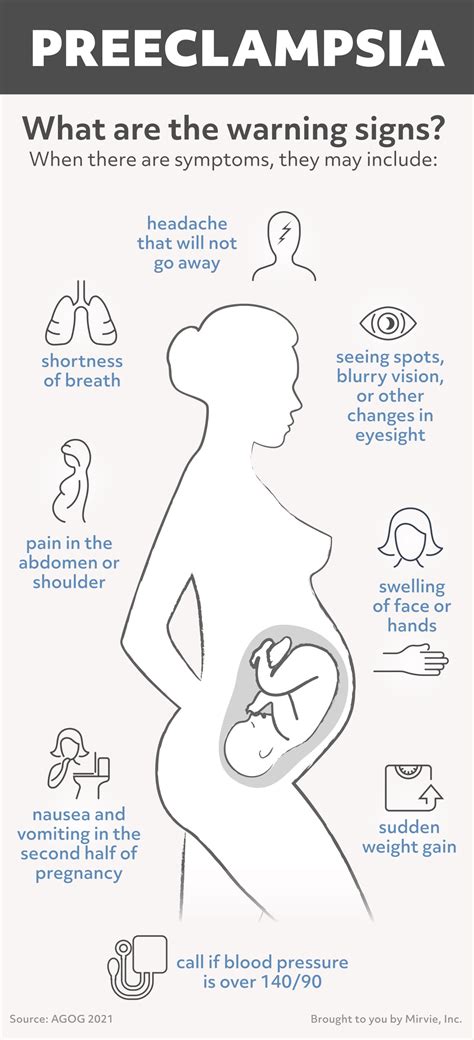
Preeclampsia, a condition characterized by high blood pressure and often accompanied by significant amounts of protein in the urine, is a leading cause of maternal and fetal complications during pregnancy. It can arise after the 20th week of pregnancy, even in women with previously normal blood pressure. The onset of preeclampsia can be subtle, making awareness and monitoring crucial for early detection and intervention. Recognizing the warning signs is paramount because timely medical attention can greatly mitigate risks associated with the condition. Here are key warning signs of preeclampsia that every pregnant woman should be aware of:
1. Sudden and Unexplained Weight Gain
One of the early signs of preeclampsia can be sudden weight gain, not related to eating more or other factors. This rapid increase in weight is due to fluid retention, which is a common symptom of the condition.
2. Severe Headaches
Headaches that are severe, persistent, and not relieved by usual remedies can be indicative of preeclampsia. These headaches are often described as feeling different from regular tension headaches.
3. Vision Changes
Changes in vision, including blurred vision, double vision, sensitivity to light, or seeing spots, can be warning signs. These vision problems occur because high blood pressure can affect the blood vessels in the eyes.
4. Nausea and Vomiting
After the first trimester, the re-emergence of nausea and vomiting can be a sign of preeclampsia. While morning sickness is common in early pregnancy, its onset later in pregnancy should be investigated.
5. Upper Abdominal Pain
Pain in the upper abdomen, particularly under the ribs on the right side, can be indicative of liver involvement due to preeclampsia. This type of pain can feel like a severe, dull ache.
6. Decreased Urine Output
Reduced urine output, or producing less urine than usual, can be a sign of decreased kidney function due to preeclampsia. It’s essential to monitor any changes in urinary habits during pregnancy.
7. Fatigue
Excessive or severe fatigue can be a symptom of preeclampsia. While some level of tiredness is normal in pregnancy, extreme fatigue that interferes with daily activities should be evaluated by a healthcare provider.
8. Shortness of Breath
Feeling short of breath or experiencing difficulty breathing can occur in severe cases of preeclampsia. This symptom can be due to fluid accumulation in the lungs (pulmonary edema).
9. Racing Pulse or Heart Palpitations
A sudden change in heart rate, feeling a racing pulse, or heart palpitations can be indicative of preeclampsia. These symptoms often result from the body’s attempt to compensate for high blood pressure.
10. Swelling in Hands and Feet
While some swelling in the hands and feet is normal during pregnancy due to fluid retention, sudden or severe swelling can be a warning sign of preeclampsia.
11. Hyper-reflexia
Increased reflexes can be a subtle but important indicator of preeclampsia. Medical professionals may check for hyper-reflexia during prenatal exams as part of assessing for the condition.
12. Seizures (Eclampsia)
In the most severe cases, preeclampsia can lead to seizures, a condition known as eclampsia. Although less common, seizures are a medical emergency requiring immediate attention.
Additional Signs to Watch For
- Mental Confusion: Feeling disoriented or confused can be a sign of severe preeclampsia affecting the brain.
- Abdominal Tenderness: The abdomen may feel tender to the touch, which can indicate liver capsule distension.
- Changes in Fetal Movement: A decrease in fetal movement can be a sign that the baby is under stress, which may be related to preeclampsia.
It’s crucial to remember that some women with preeclampsia may not exhibit any symptoms at all, or they may attribute their symptoms to normal pregnancy discomforts. Therefore, regular prenatal check-ups are essential for monitoring blood pressure and urine protein levels, allowing for early detection and management of the condition.
What to Do If You Experience These Signs
If you experience any of these warning signs, it’s critical to contact your healthcare provider immediately. Early recognition and treatment of preeclampsia can significantly improve outcomes for both the mother and the baby. In cases of severe symptoms, such as seizures or severe abdominal pain, emergency medical services should be called without delay.
Prevention and Monitoring
While the exact cause of preeclampsia is not fully understood, certain factors increase the risk, including a history of high blood pressure, diabetes, kidney disease, and having had preeclampsia in a previous pregnancy. Regular prenatal care is key to identifying and managing preeclampsia. For women at high risk, low-dose aspirin may be recommended starting late in the first trimester to reduce the risk of developing preeclampsia.
Conclusion
Preeclampsia is a serious condition that requires prompt medical attention. Understanding the warning signs and maintaining open communication with healthcare providers are vital steps in managing the condition and ensuring the best possible outcomes for pregnant individuals and their babies.
What are the most common symptoms of preeclampsia?
+The most common symptoms include sudden weight gain, severe headaches, vision changes, nausea and vomiting, upper abdominal pain, and decreased urine output. However, symptoms can vary widely among individuals.
How is preeclampsia diagnosed?
+Preeclampsia is diagnosed based on high blood pressure readings and the presence of protein in the urine. Regular prenatal check-ups can help identify these changes early on.
Can preeclampsia be prevented?
+While the exact cause of preeclampsia is not known, certain factors such as maintaining a healthy weight, controlling blood pressure, and not smoking can reduce the risk. For high-risk individuals, low-dose aspirin may be recommended.