The aftermath of surgery can be a delicate period, with the body combating the invasive procedure while also fighting off potential infections. Infections after surgery, also known as surgical site infections (SSIs), can range from minor to severe and even life-threatening. It’s crucial for patients, caregivers, and healthcare professionals to be vigilant in identifying the signs of infection early on to ensure prompt treatment and prevent complications. Here are 12+ ways to identify infection after surgery, underscoring the importance of proactive monitoring and care.
1. Increased Redness and Swelling
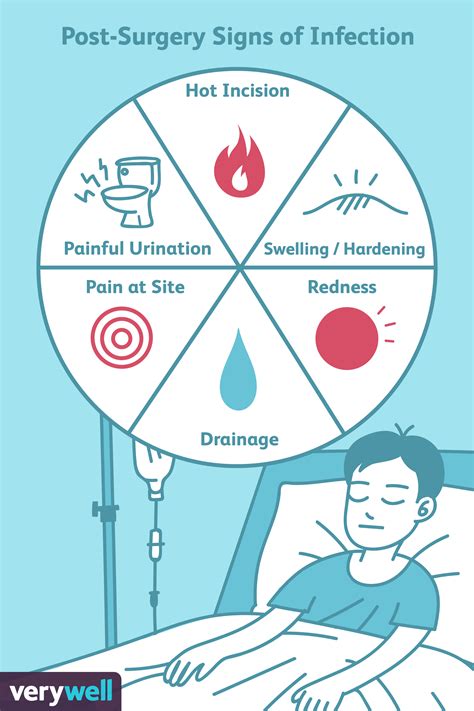
One of the earliest signs of infection is increased redness and swelling around the surgical site. While some degree of swelling is normal, excessive or worsening redness and swelling beyond what is expected should be reported to a healthcare provider.
2. Warmth or Heat
The skin around the surgical site may feel warmer or hotter to the touch than the surrounding areas. This indication of increased blood flow to the area could be a sign of the body’s inflammatory response to an infection.
3. Pain or Tenderness
While discomfort is expected after surgery, increasing pain or tenderness, especially if it’s severe or worsening, could be indicative of an infection. The pain may feel like a burning sensation or a sharp, stabbing pain that wasn’t present before.
4. Pus or Discharge
The presence of pus or discharge from the surgical site is a definitive sign of infection. The discharge may be yellowish or greenish in color and could have a foul odor. Any unexpected drainage should be immediately reported to a healthcare provider.
5. Fever
A fever, typically defined as a body temperature above 100.4°F (38°C), is a common sign of infection. Monitoring body temperature regularly after surgery can help in early detection of potential infections.
6. Chills or Sweats
Experiencing chills or sweats, especially when accompanied by fever, can indicate that the body is fighting an infection. These symptoms can fluctuate and may worsen at night.
7. Swollen Lymph Nodes
The lymph nodes, which are part of the body’s immune system, may become swollen in response to an infection. Checking the areas around the surgical site and in the neck, armpits, or groin for swollen lymph nodes can be an indication of the body’s response to infection.
8. Delayed Healing
If the surgical wound is not healing as expected, or if the healing process seems slower than anticipated, it could be a sign of an underlying infection that needs medical attention.
9. Foul Odor
A foul or unpleasant odor from the surgical site, which is not typical for the type of surgery or the stage of healing, could indicate the presence of bacteria and, therefore, an infection.
10. Increased Heart Rate
An increased heart rate, especially when resting, can be an indicator of infection. The body’s response to infection often includes an elevated heart rate as it works to fight off the invading organisms.
11. Nausea or Vomiting
General feelings of illness, including nausea or vomiting, can accompany infections, especially if the infection is severe or has spread beyond the surgical site.
12. Fatigue or Weakness
Unusual fatigue or weakness that is not relieved by rest could be a sign that the body is diverting its resources to combat an infection, indicating a need for medical evaluation.
Additional Considerations
- Red Streaks: The appearance of red streaks leading from the surgical site towards the heart can indicate the spread of infection through the lymphatic system.
- Blisters or Bumps: New blisters or bumps around the surgical site could be signs of certain types of infection that require specific treatment.
- Loss of Function: If the infected area is near a joint or affects movement, a loss of function or decreased mobility could be a sign of a significant infection.
What to Do If You Suspect an Infection
If any of these signs are present, it’s crucial to contact a healthcare provider immediately. Early detection and treatment of infections after surgery can significantly improve outcomes and prevent serious complications. In severe cases, going to the emergency room may be necessary.
Prevention Strategies
While not all infections can be prevented, certain strategies can reduce the risk. These include: - Following post-operative instructions carefully. - Keeping the surgical site clean and dry. - Taking antibiotics as prescribed. - Attending follow-up appointments with healthcare providers. - Monitoring the surgical site closely for signs of infection.
In conclusion, being proactive and vigilant about potential infections after surgery is key to a successful recovery. By recognizing the signs of infection early and seeking medical care promptly, patients can mitigate risks and ensure the best possible outcomes. Remember, it’s always better to err on the side of caution when it comes to signs of infection after surgery.
What are the most common signs of infection after surgery?
+The most common signs include increased redness and swelling, warmth or heat around the surgical site, pain or tenderness, pus or discharge, fever, and chills or sweats. Monitoring these signs closely and reporting any concerns to a healthcare provider is crucial for early detection and treatment.
How can I prevent infections after surgery?
+Prevention strategies include following post-operative instructions carefully, keeping the surgical site clean and dry, taking antibiotics as prescribed, attending follow-up appointments, and monitoring the site closely for signs of infection. Adhering to these guidelines can significantly reduce the risk of developing an infection.
What should I do if I suspect I have an infection after surgery?
+If you suspect an infection, contact your healthcare provider immediately. Describe your symptoms in detail and follow their advice. In severe cases, or if your healthcare provider is unavailable, consider visiting the emergency room. Prompt medical attention is crucial for treating infections effectively and preventing serious complications.