Congratulations on reaching the 32-week milestone in your pregnancy journey. This period is crucial, and you’re probably eager to know what to expect and how to prepare for the upcoming weeks. At 32 weeks pregnant, you’re now in your third trimester, and your baby is growing rapidly. Here’s a comprehensive guide to help you navigate this exciting phase.
Physical Changes and Symptoms
During the 32nd week, you may experience a range of physical changes and symptoms due to the growing size of your baby and the preparation of your body for labor. Some common symptoms include:
- Back Pain: The weight of your baby can put a strain on your back, leading to discomfort or pain.
- Braxton Hicks Contractions: These are practice contractions that prepare your uterus for labor. They can feel like mild menstrual cramps or a tightening sensation in your abdomen.
- Swelling: Fluid retention and the pressure from your growing baby can cause swelling in your feet, ankles, and hands.
- Sleep Disturbances: Discomfort, frequent urination, and anxiety about parenthood can make it difficult to get a good night’s sleep.
- Varicose Veins: The increased blood volume can cause veins to become enlarged, leading to varicose veins.
Baby’s Development
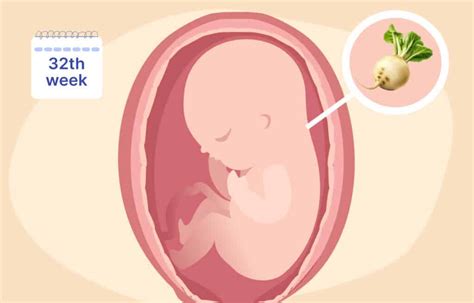
At 32 weeks, your baby measures approximately 16.7 inches (42.4 cm) in length and weighs around 3.7 pounds (1.7 kg). Some of the notable developments include:
- Lung Development: Your baby’s lungs are maturing and starting to produce surfactant, a substance that helps them expand properly after birth.
- Skin and Fat Layers: The skin is becoming thicker, and fat layers are forming, which will help regulate body temperature after birth.
- Digestive System: The digestive system is practicing contractions, preparing for life outside the womb, where it will help move food through the intestines.
- Sensory Development: Your baby can detect light and darkness, and their senses of taste, smell, and hearing are also developing.
Preparing for Birth
As you approach the final stretch, it’s crucial to start preparing for the birth of your baby. Here are some steps you can take:
- Childbirth Education Classes: These classes can help you and your partner understand labor, delivery, and what to expect during the postpartum period.
- Birth Plan: Consider creating a birth plan that outlines your preferences for labor, delivery, and postpartum care.
- Hospital Bag: Pack a bag with essentials like comfortable clothes, toiletries, phone chargers, and insurance cards. It’s a good idea to have this ready by around 32 weeks in case you go into labor early.
- Breastfeeding Support: If you plan to breastfeed, look into lactation support services and consider investing in a breast pump.
Health and Safety
Your health and the safety of your baby are paramount. Here are some tips for maintaining a healthy lifestyle during this period:
- Prenatal Visits: Continue attending your prenatal appointments as scheduled. These visits are crucial for monitoring your health and your baby’s development.
- Nutrition: Focus on consuming a balanced diet rich in fruits, vegetables, whole grains, lean proteins, and healthy fats. Stay hydrated by drinking plenty of water.
- Exercise: Gentle exercises like walking, swimming, and prenatal yoga can help maintain your physical and mental health. However, always consult with your healthcare provider before starting any new exercise regimen.
- Rest: Prioritize getting enough rest. Aim for 7-9 hours of sleep per night and take naps during the day if you’re feeling tired.
Emotional Well-being
The anticipation of becoming a new parent can bring about a mix of emotions. It’s essential to prioritize your emotional well-being:
- Support System: Lean on your partner, family, and friends for support. Sharing your feelings and concerns with them can provide comfort and reassurance.
- Self-Care: Engage in activities that you enjoy and that help you relax, such as reading, listening to music, or taking a warm bath.
- Professional Help: If you’re experiencing overwhelming anxiety, depression, or other mental health concerns, don’t hesitate to seek help from a mental health professional.
Frequently Asked Questions
What are the signs of preterm labor at 32 weeks pregnant?
+Signs of preterm labor can include regular contractions that cause your cervix to begin to open, a low, dull backache, or a feeling of pressure in your pelvis or vagina. If you experience any of these symptoms, it's crucial to contact your healthcare provider immediately.
How often should I feel my baby move at 32 weeks pregnant?
+By 32 weeks, you should feel your baby move frequently throughout the day. If you notice a decrease in your baby's movement, contact your healthcare provider. They may recommend a non-stress test to check on your baby's well-being.
Can I still travel at 32 weeks pregnant?
+Generally, the 32nd week is considered a safe time for travel, but it's essential to consult with your healthcare provider first. They can provide advice based on your individual health and the specifics of your pregnancy. It's also a good idea to check with your airline or travel provider for their policy on pregnant travelers.
Conclusion
Being 32 weeks pregnant is an exciting and busy time, filled with preparation for the arrival of your baby. By understanding the physical and emotional changes you’re experiencing, preparing for birth, and prioritizing your health and safety, you can ensure a healthy and happy outcome for both you and your baby. Remember, every pregnancy is unique, and it’s okay to ask for help when you need it. Enjoy this special time and look forward to the incredible journey of parenthood ahead.