Tetanus shots are a crucial part of maintaining immunity against tetanus, a bacterial infection caused by Clostridium tetani. The abbreviation for tetanus shot is often represented as Td, which stands for Tetanus and diphtheria. This is because the vaccine that protects against tetanus is commonly combined with a vaccine for diphtheria, another serious bacterial infection. The Td vaccine is used for adults and children over seven years old as a booster to maintain protection against these diseases.
For infants and young children under seven, the vaccine is often given in a combination form known as DTaP, which protects against diphtheria, tetanus, and pertussis (whooping cough). The pertussis component is crucial for this age group due to the higher risk of severe complications from whooping cough in young children.
Understanding the abbreviations related to vaccines can be helpful for keeping track of the vaccinations you or your children have received. Here’s a brief overview of the key terms:
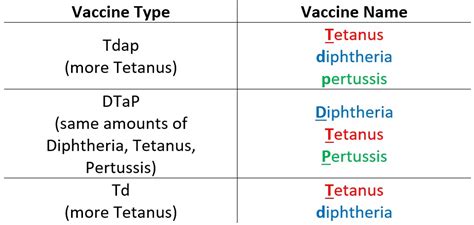
- Td (Tetanus and diphtheria): Given as a booster shot every 10 years to adults and children over seven to maintain immunity against tetanus and diphtheria.
- DTaP (Diphtheria, tetanus, and pertussis): A combination vaccine for children under seven, providing protection against diphtheria, tetanus, and pertussis.
- Tdap (Tetanus, diphtheria, and pertussis): A booster shot for adolescents and adults that includes protection against pertussis, in addition to tetanus and diphtheria. It’s recommended as a one-time replacement for the Td booster, especially for adults who have close contact with infants or are in professions with a higher risk of exposure.
Maintaining up-to-date vaccinations is crucial for preventing the spread of infectious diseases and ensuring personal and community health. Always consult with a healthcare provider for specific advice on vaccinations, as recommendations can vary based on individual health conditions, travel plans, and other factors.
Importance of Vaccination
Vaccination against tetanus and other diseases is crucial for several reasons:
- Prevention of Disease: Vaccines are highly effective in preventing tetanus and other infections, thereby reducing the risk of complications and death.
- Herds Immunity: When a significant portion of a community is immunized, it helps protect those who are not immunized, such as individuals with weakened immune systems, by reducing the spread of the disease.
- Public Health: Vaccinations play a key role in public health by controlling and eliminating infectious diseases, thus protecting both individuals and communities.
- Travel and Occupation: Certain vaccinations, including tetanus, are recommended or required for travelers to certain areas or for individuals in specific occupations due to increased exposure risks.
Administration and Side Effects
The Td or Tdap vaccine is administered via an injection, usually in the arm. Common side effects are mild and may include redness, swelling, or pain at the injection site, as well as mild fever. Serious side effects are rare but can include severe allergic reactions. It’s essential to discuss any concerns or questions with a healthcare provider.
In conclusion, understanding the abbreviations and components of tetanus shots, along with their importance in disease prevention, can empower individuals to take proactive steps towards their health and contribute to community well-being.
Key Takeaways
- The Td vaccine protects against tetanus and diphtheria.
- DTaP is used for children under seven to protect against diphtheria, tetanus, and pertussis.
- Tdap is a booster that includes pertussis protection, recommended for adolescents and adults.
- Vaccinations are crucial for individual and community health, preventing disease spread and promoting herd immunity.
By staying informed and up-to-date on vaccinations, individuals can make informed decisions about their health and contribute to a healthier community.
FAQ Section
What does Td stand for in the context of vaccinations?
+Td stands for Tetanus and diphtheria, referring to a vaccine that protects against these two bacterial infections.
How often should I get a Td booster shot?
+It is recommended to get a Td booster shot every 10 years to maintain immunity against tetanus and diphtheria.
What is the difference between Td and Tdap vaccines?
+The main difference between Td and Tdap vaccines is that Tdap also protects against pertussis (whooping cough), in addition to tetanus and diphtheria.
Why are vaccinations important for community health?
+Vaccinations are crucial for preventing the spread of infectious diseases and protecting those who are not immunized, thus contributing to herd immunity and overall community health.