



Territorial Behavior in Male Turtles
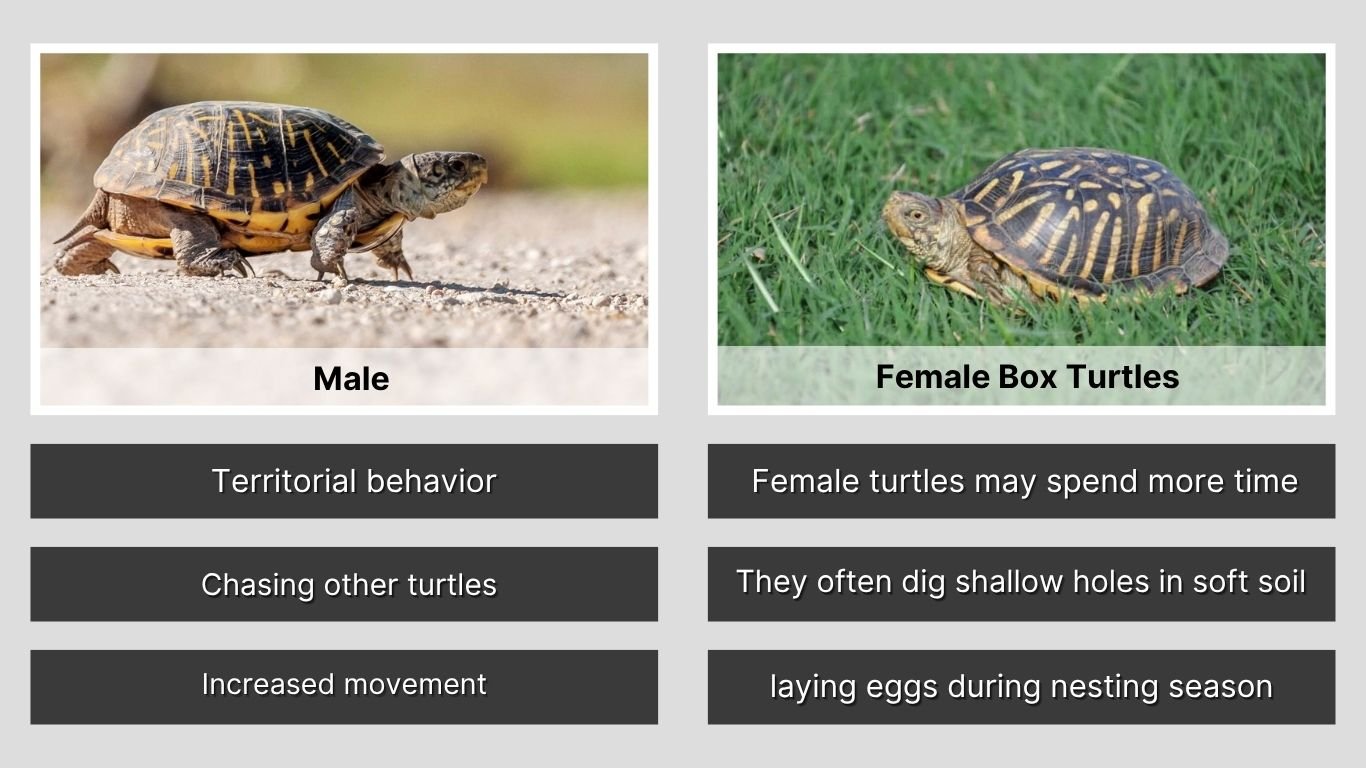
Male turtles display territoriality primarily during breeding seasons, when competition for mates is at its highest. This behavior is not uncommon in the animal kingdom and is a strategy to increase reproductive success. Here's a closer look at this behavior: For a closer look at something similar, my post on excel invoice template covers the details.
- Aggression: Males may become aggressive towards other males, engaging in physical altercations to assert dominance and secure access to females.
- Breeding Season: Territorial behavior is most pronounced during peak breeding times, when hormones are at their highest levels.
- Species Variation: While territoriality is a common trait, the extent and specific behaviors can vary across different turtle species.
Sizing and Gender Identification
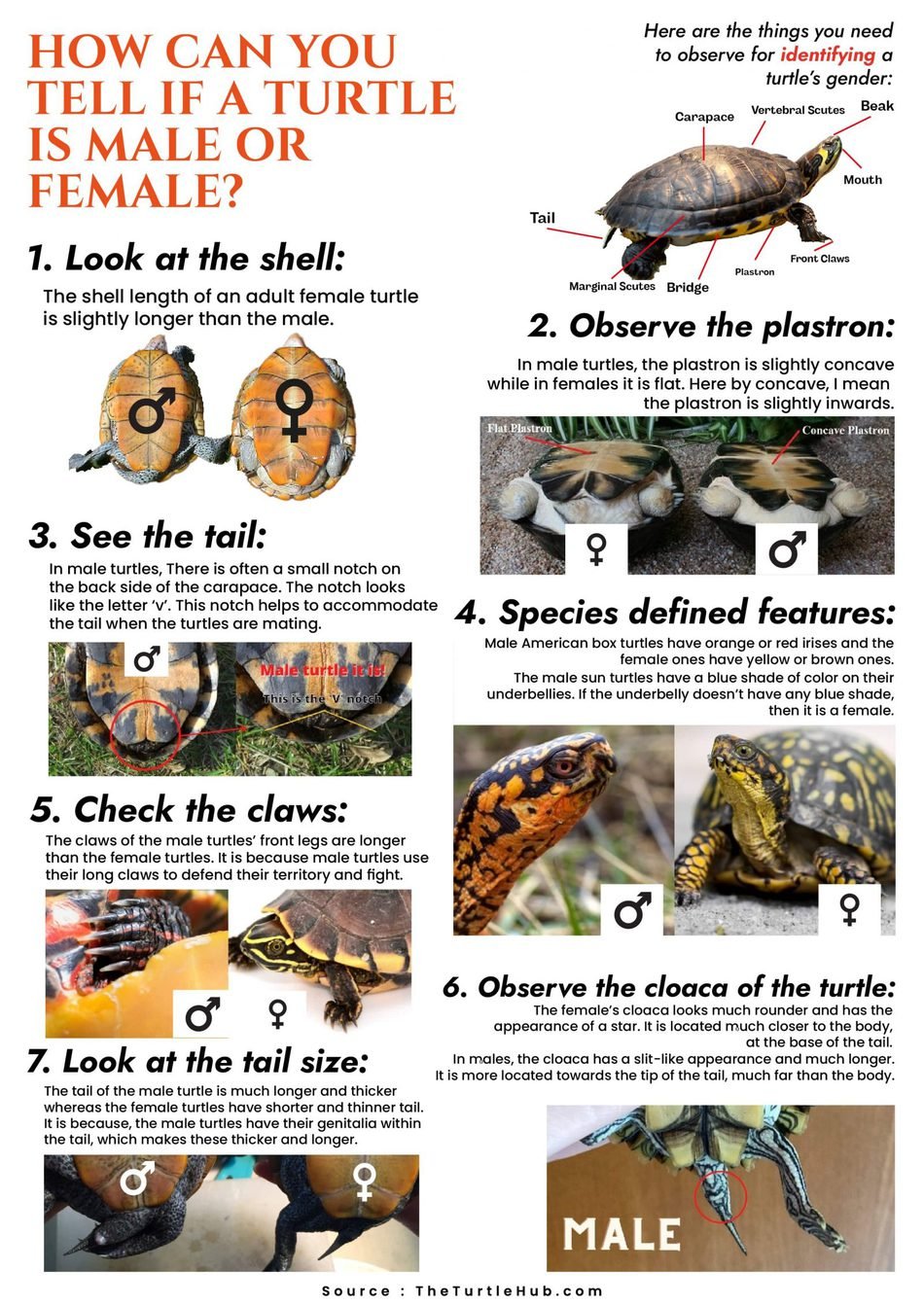
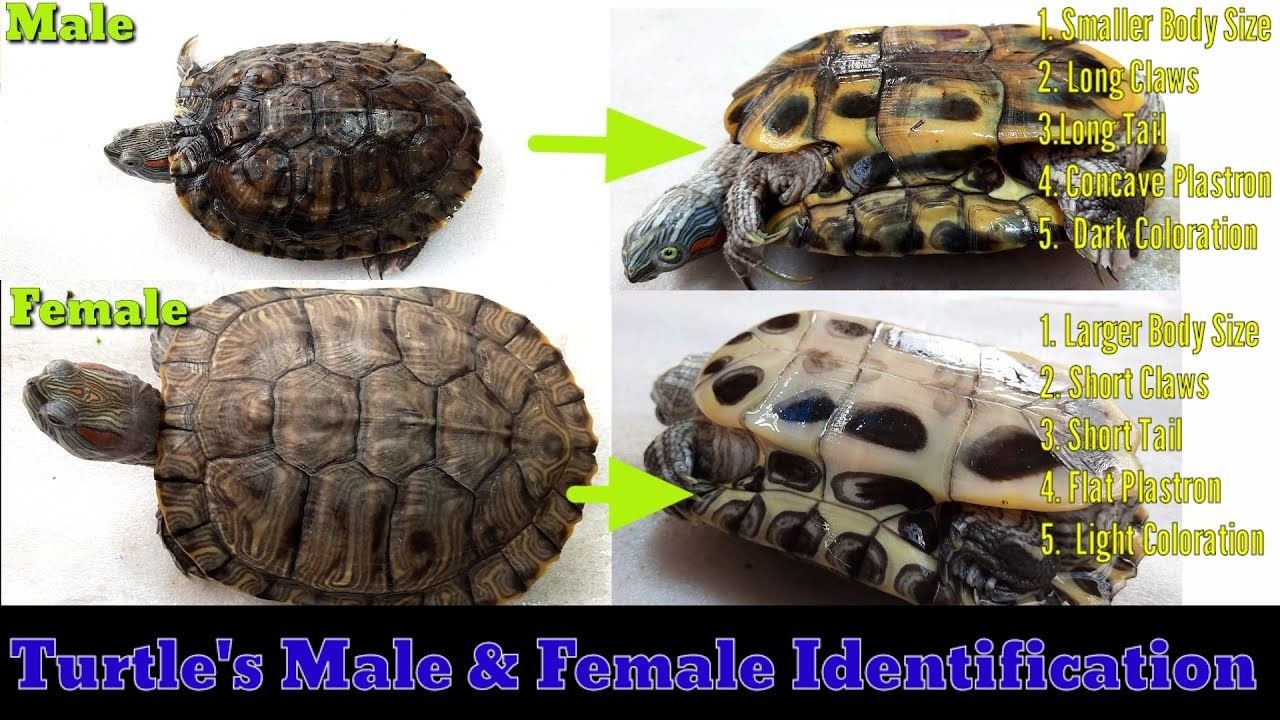
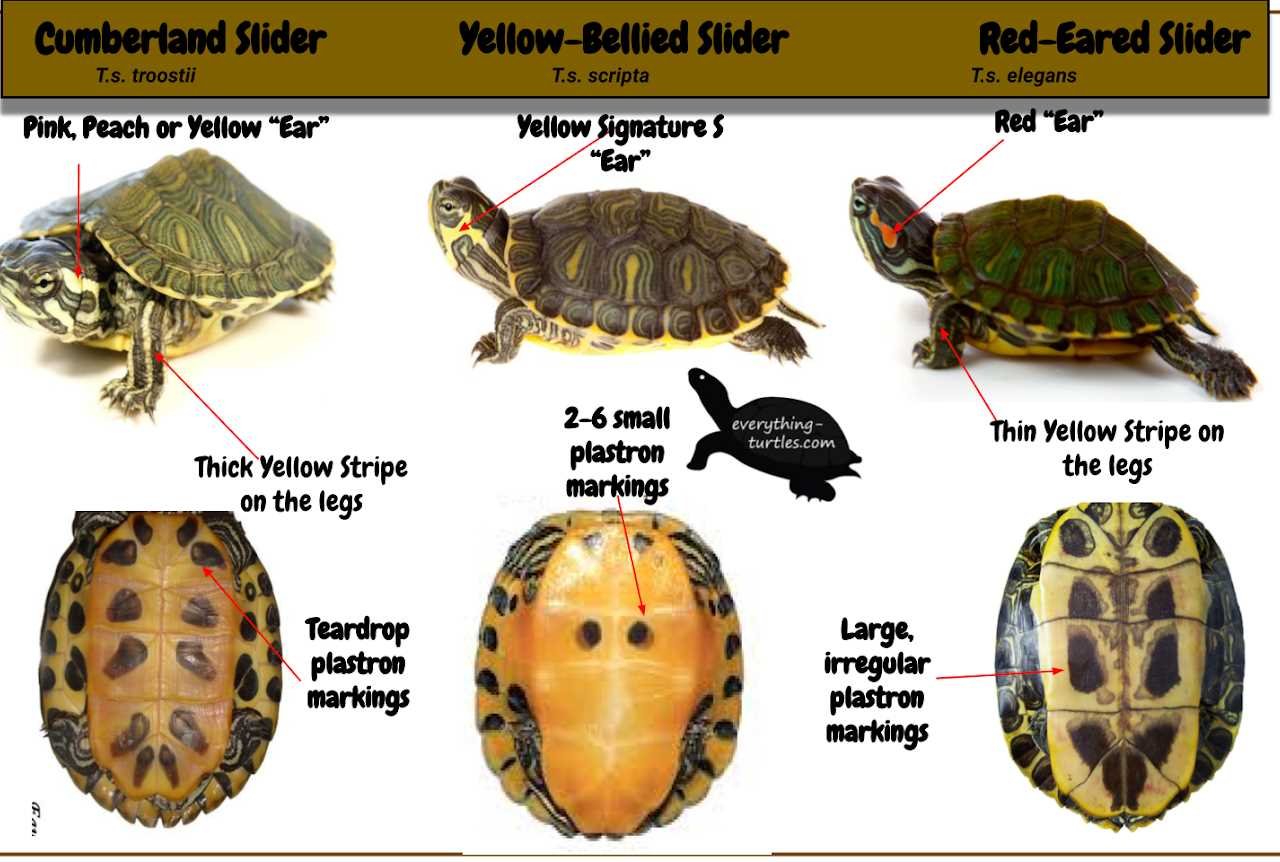
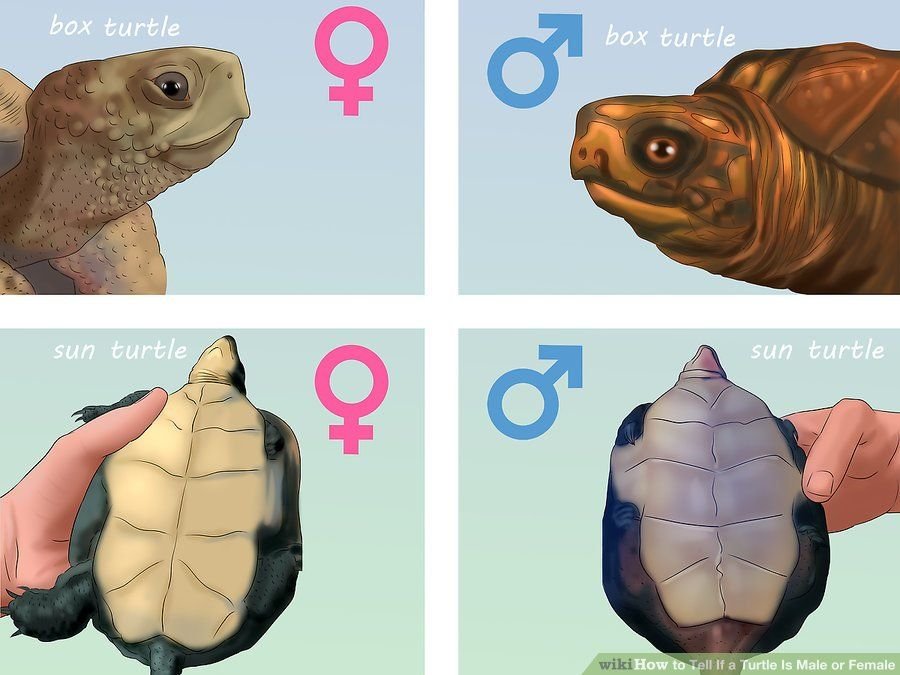
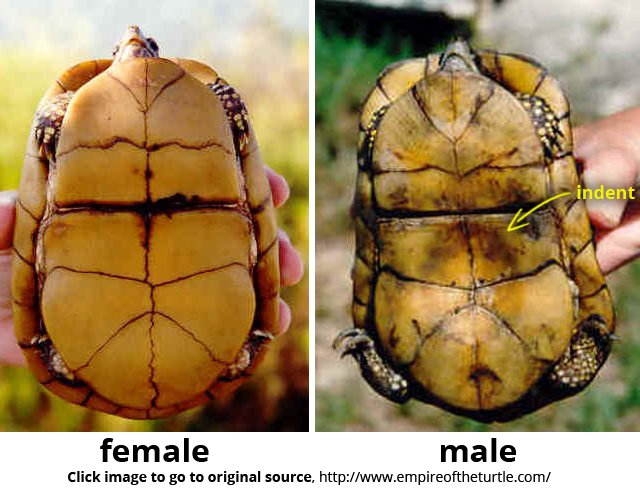
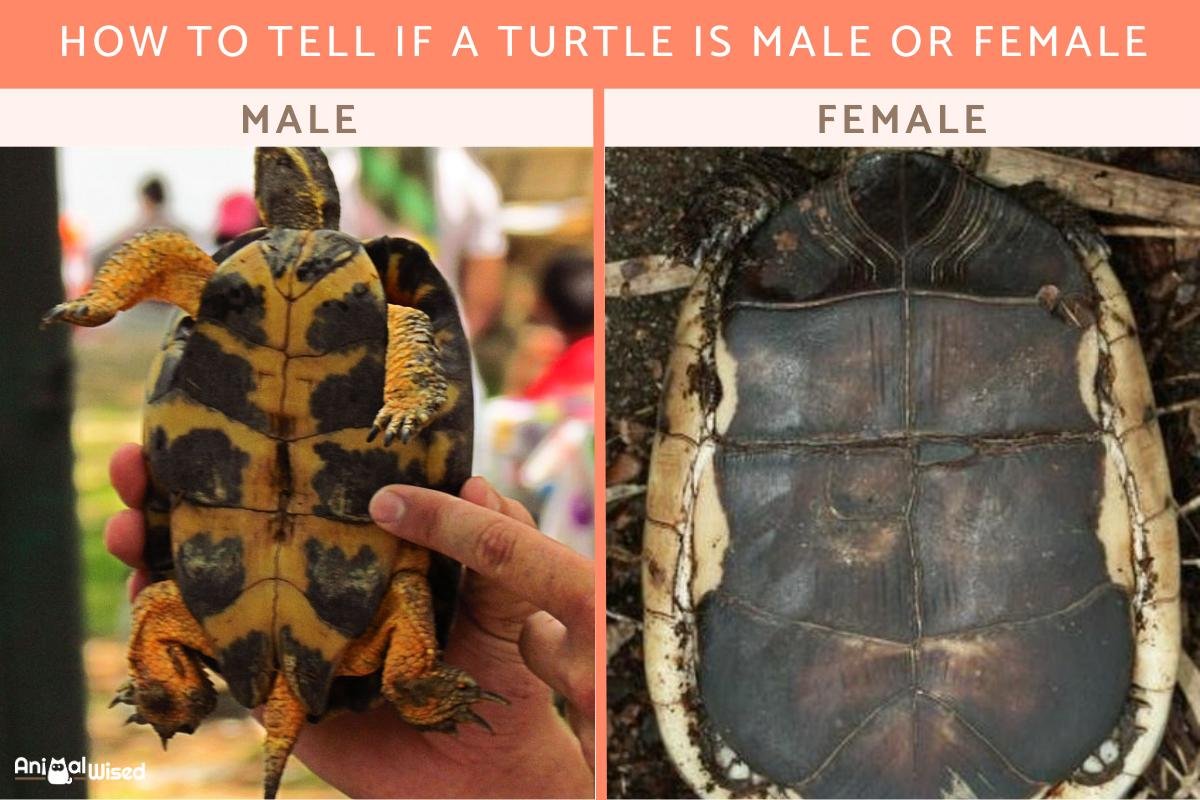
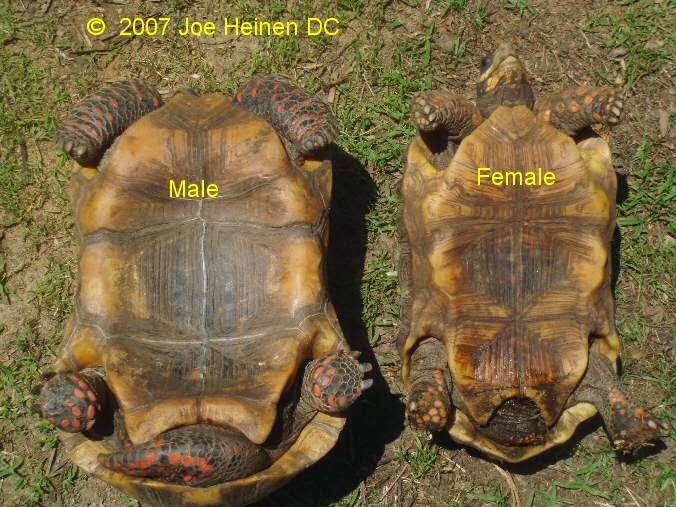
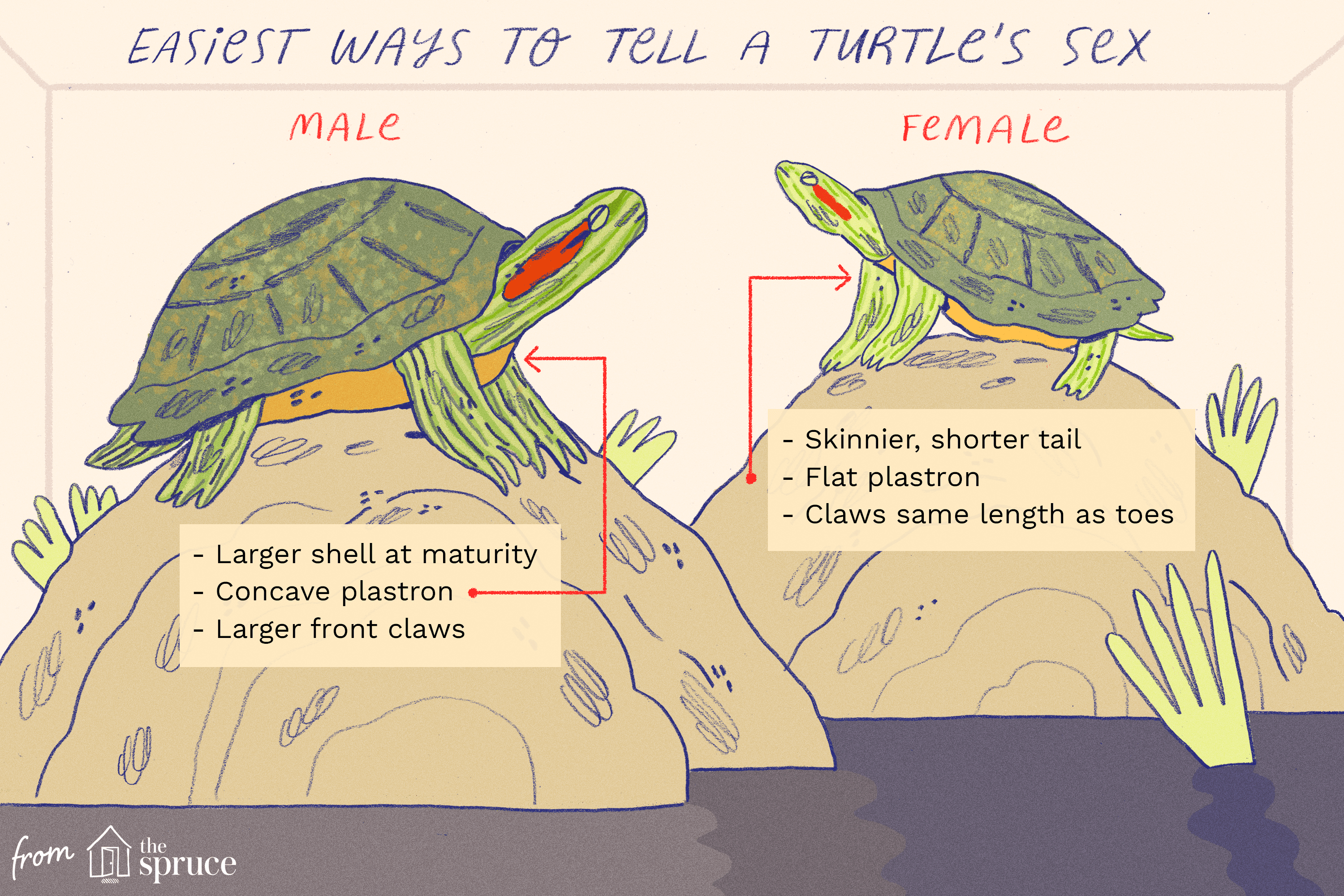
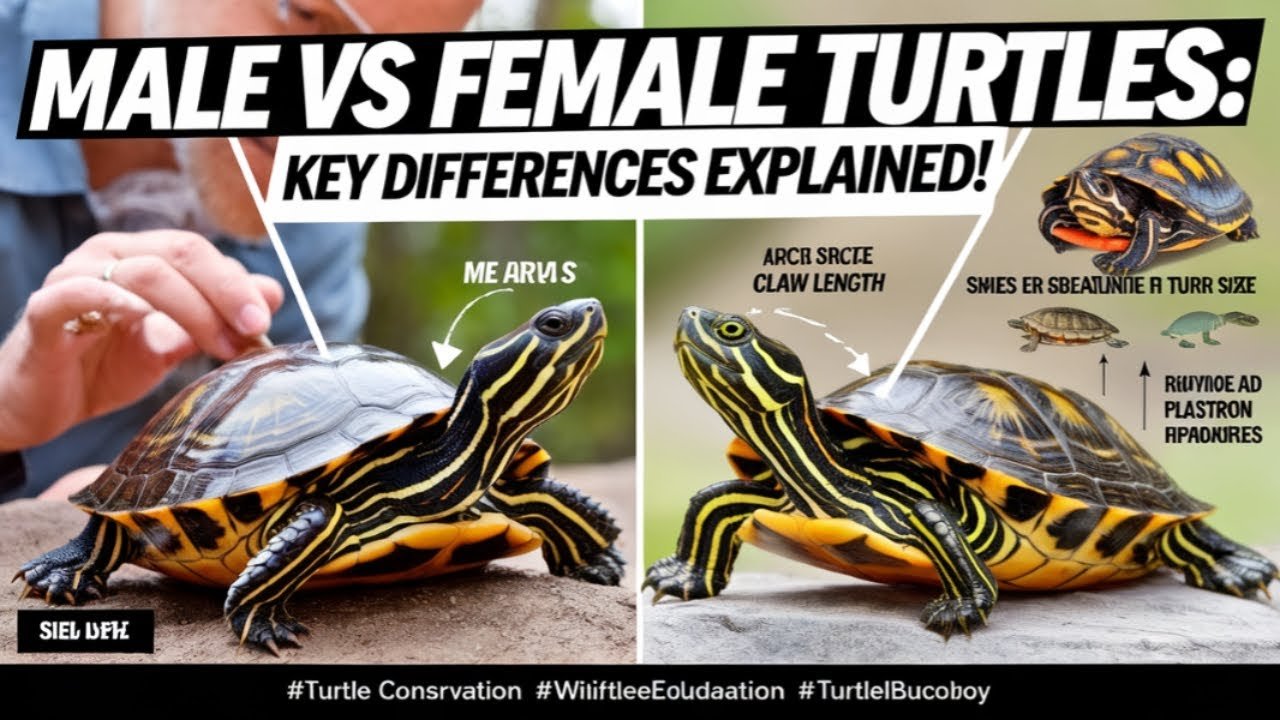
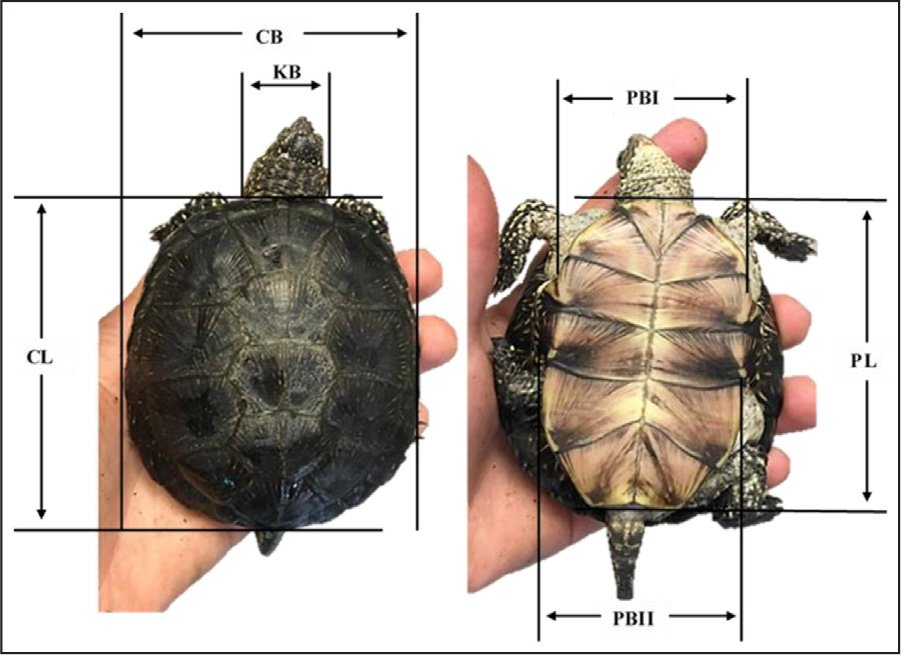
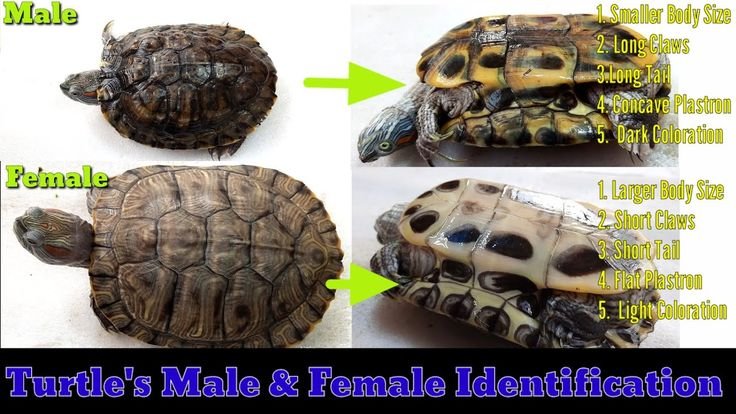
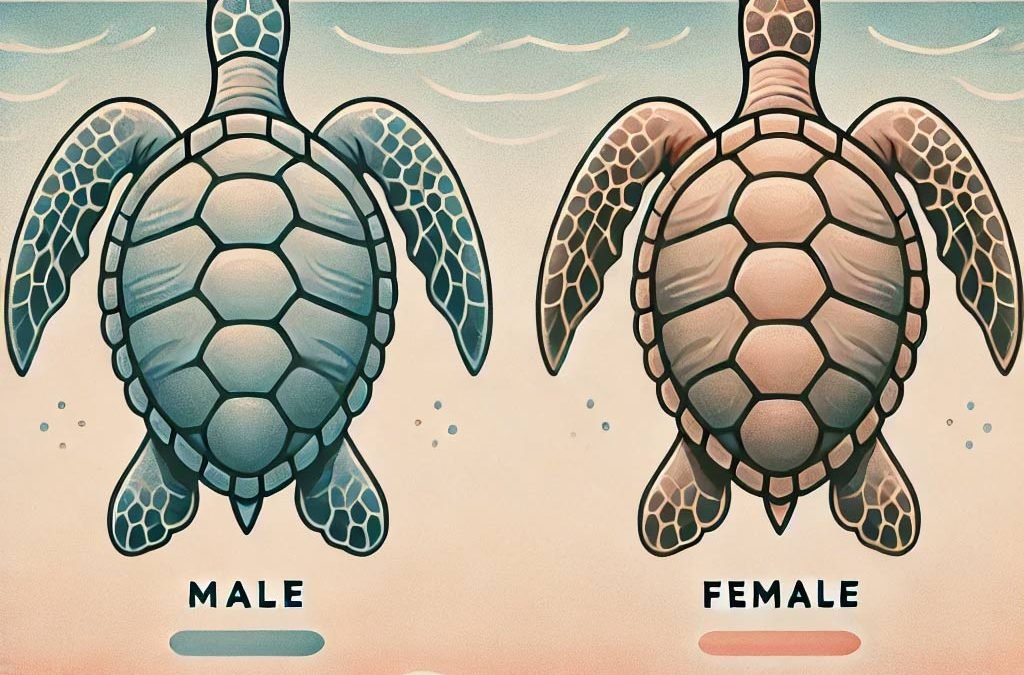
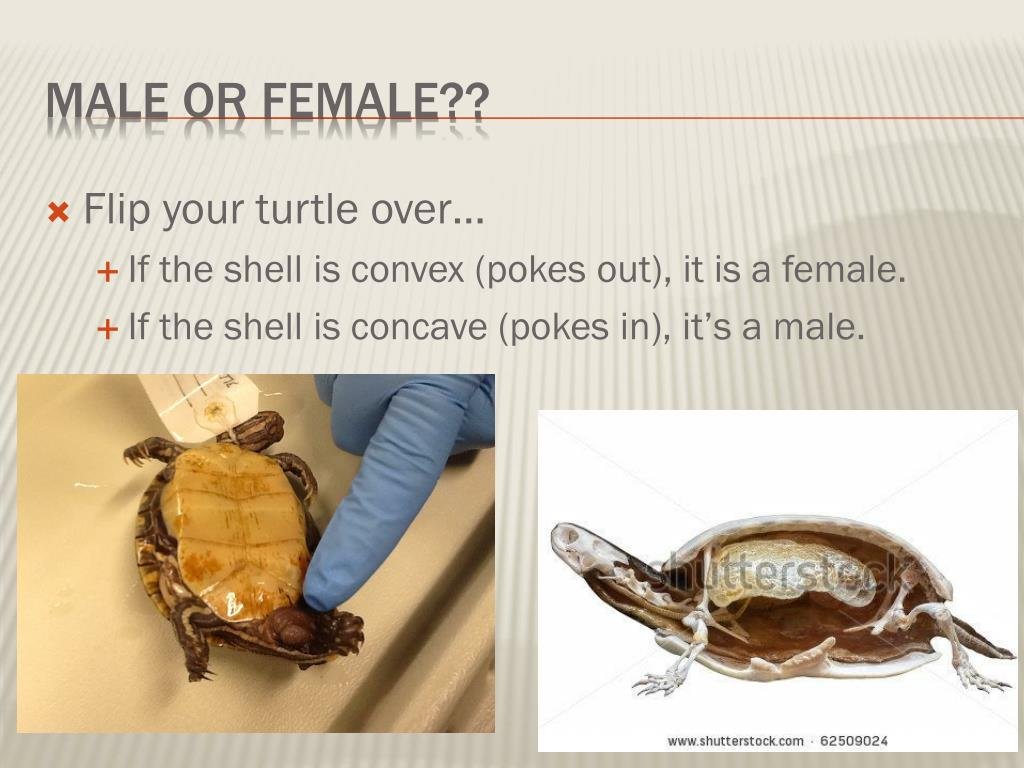
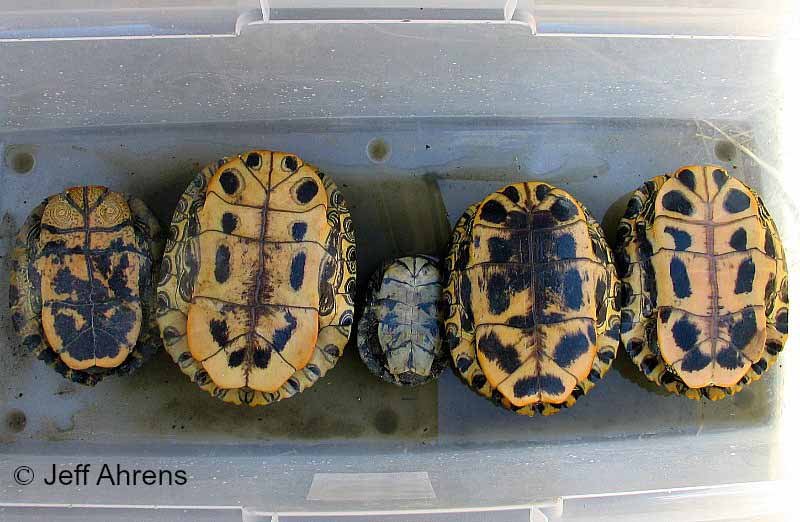
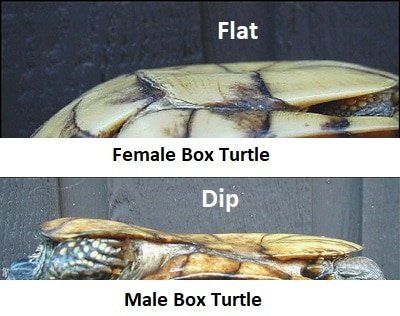
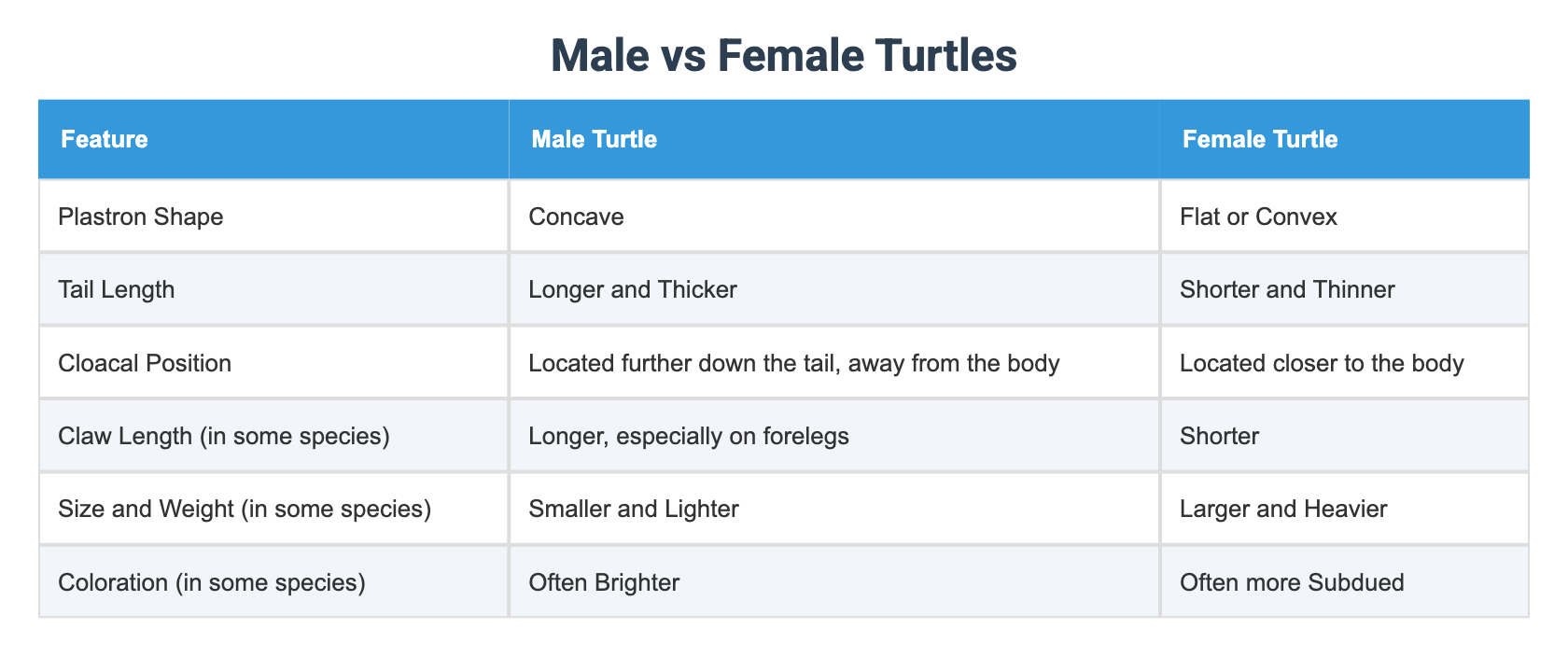
Turtle gender identification is often based on a combination of physical traits, including size, tail length, vent position, and claw shape. Here are some key points: You can also compare this directly with 12872 cork board png for kids to see how they stack up.
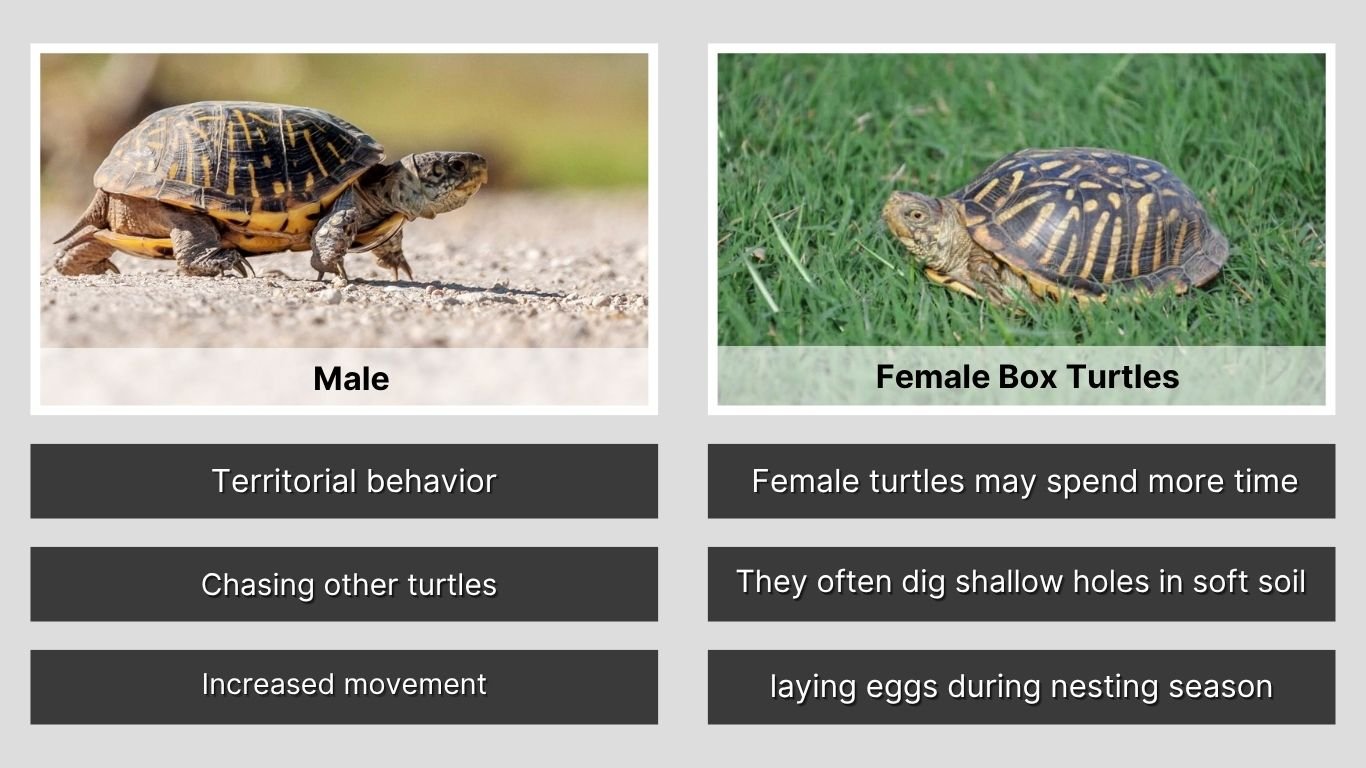
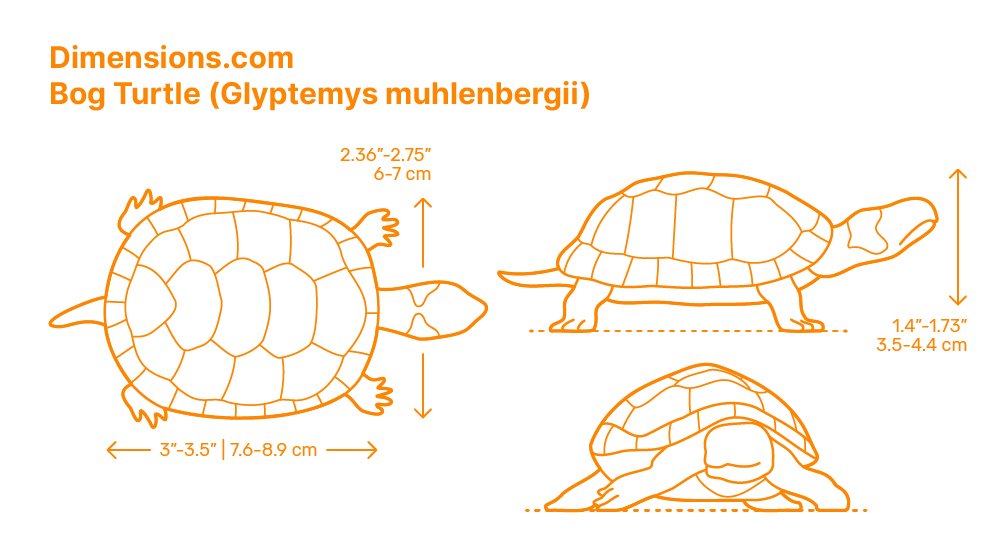
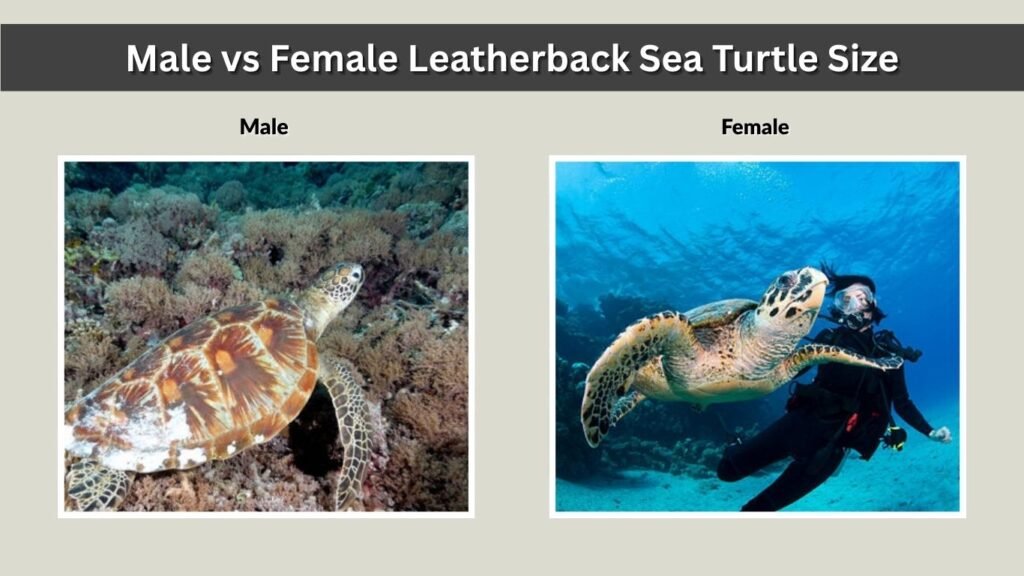
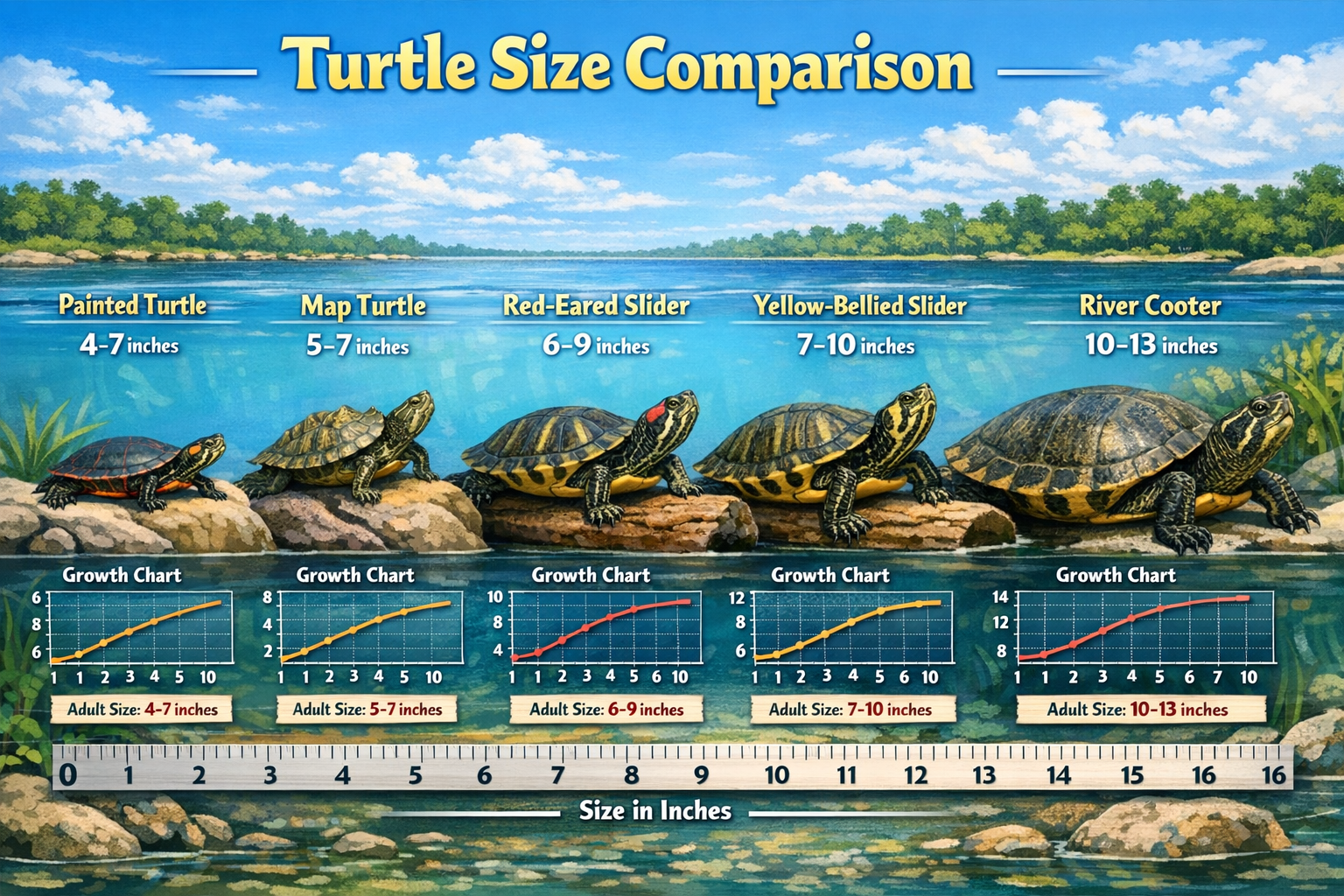
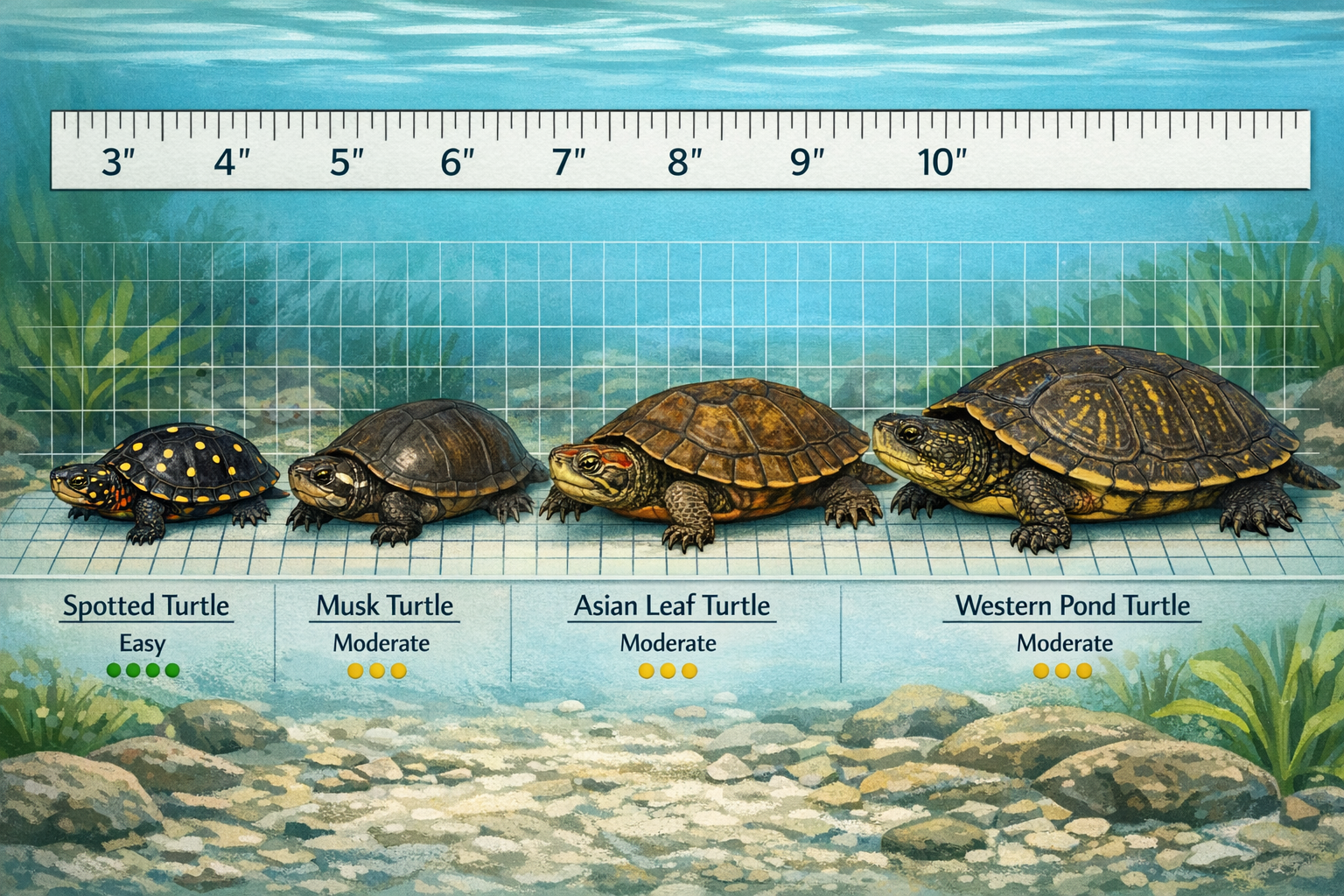
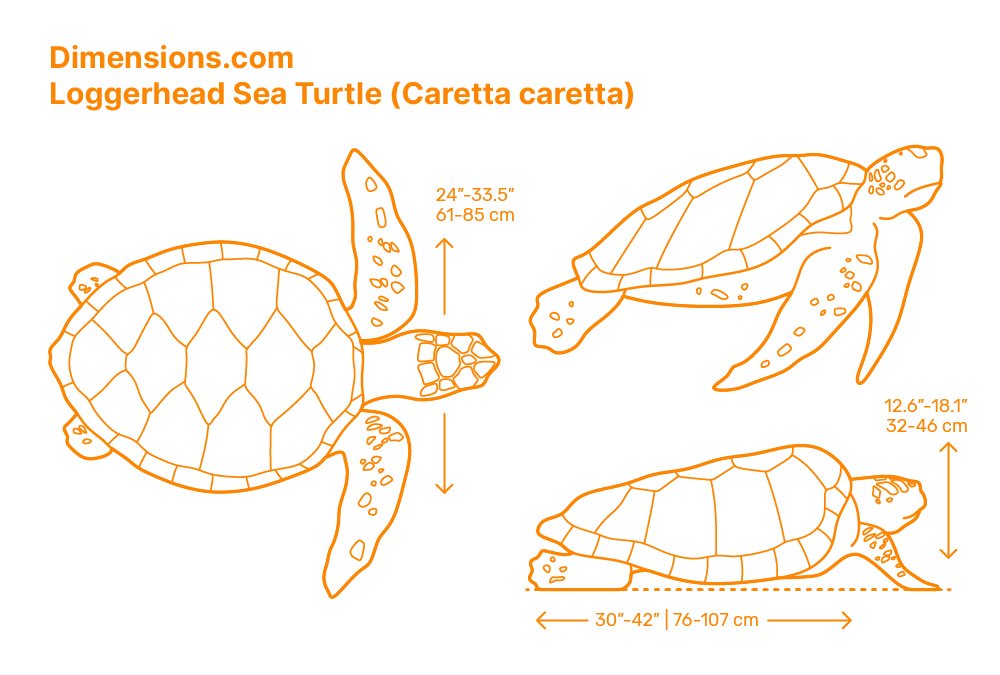
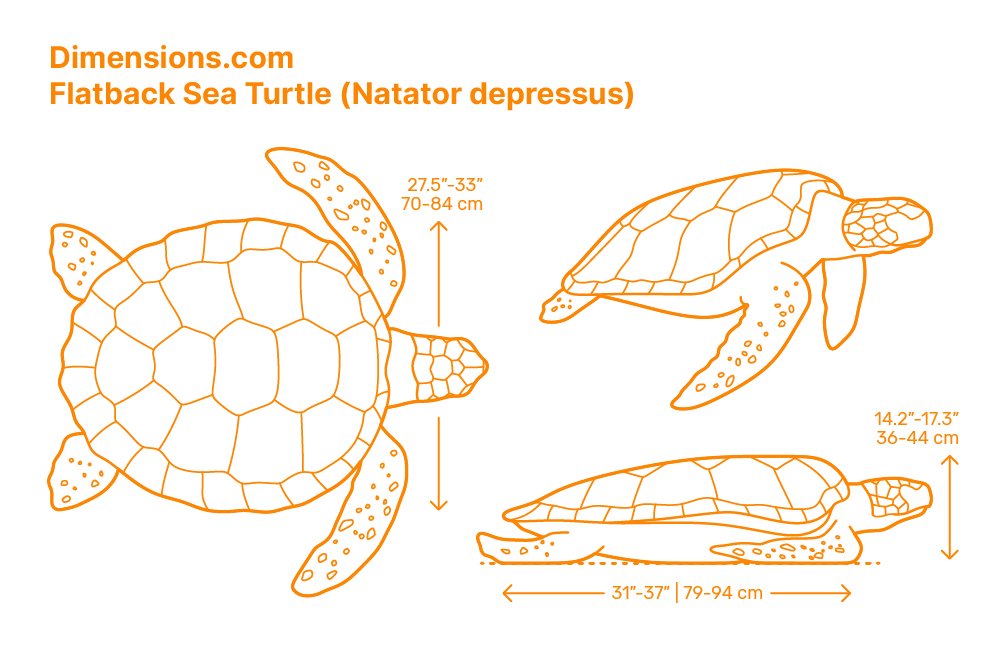
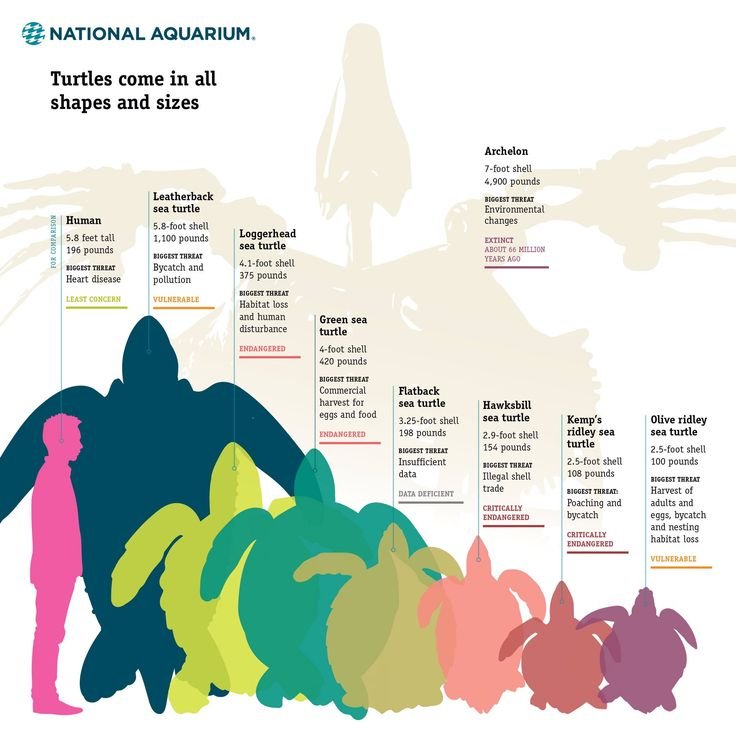
- Size Differences: In many species, males are smaller than females. However, this is not a reliable indicator on its own, as there can be overlap in size between a large male and a small female.
- Tail Length: Males typically have longer tails, often with a noticeable bulge at the base, which is where the reproductive organs are located.
- Vent Position: The vent, or cloaca, is an opening through which turtles excrete waste and reproduce. In males, it is usually located closer to the base of the tail.
- Claw Shape: Male turtles often have longer and more curved claws, especially on their front legs, which can be used during mating rituals.
Popular Species and Their Territorial Behavior
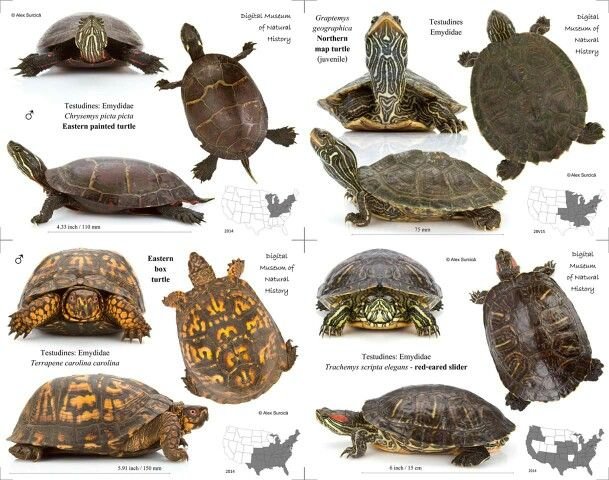
Different turtle species exhibit varying degrees of territoriality. Here are some examples: If you want another perspective, check out my notes on calculator mean median mode range letter size as well.

- Wood Turtles: Males of this species can be particularly aggressive during breeding season, defending their territory and access to females.
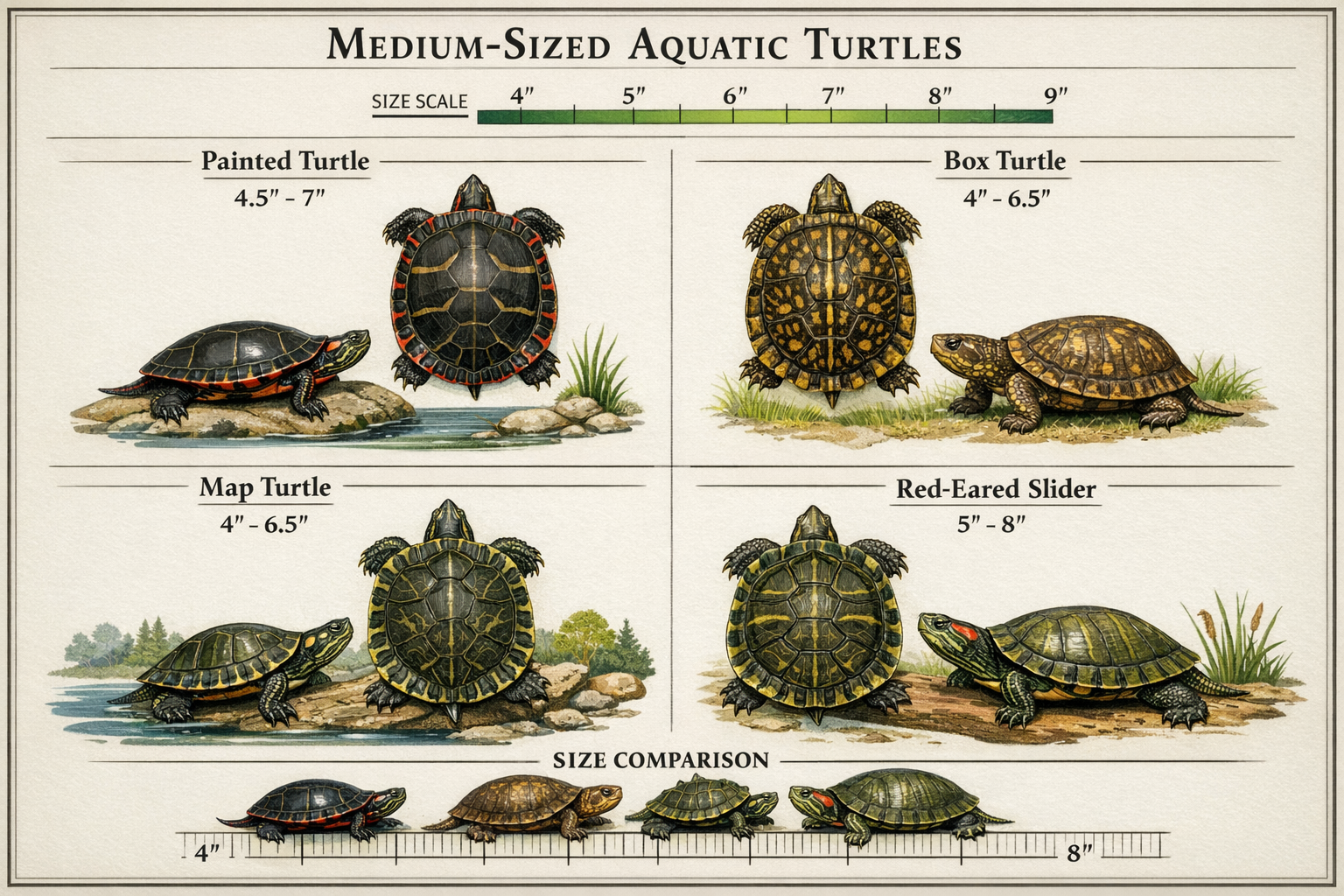
- Box Turtles: While territoriality is less pronounced, male box turtles may still display aggressive behavior towards other males, especially when it comes to mating.
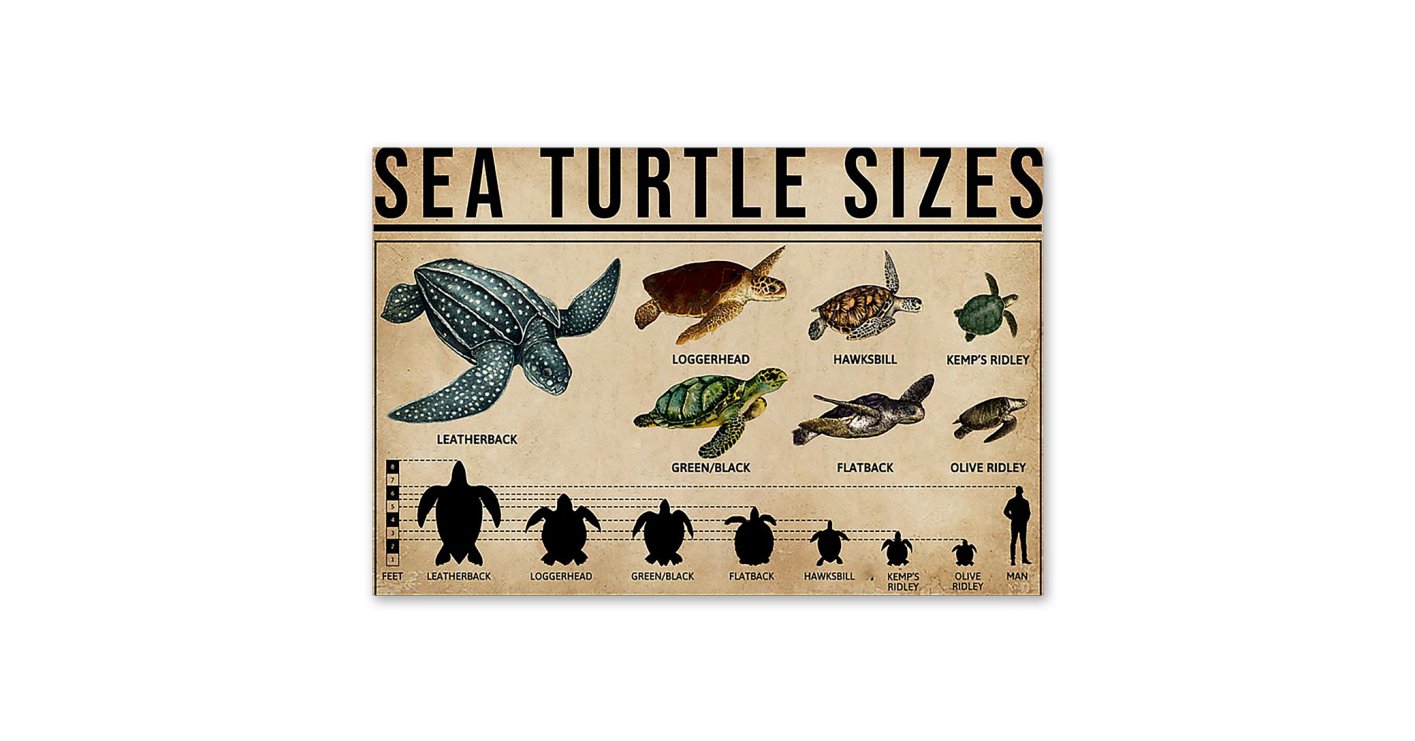
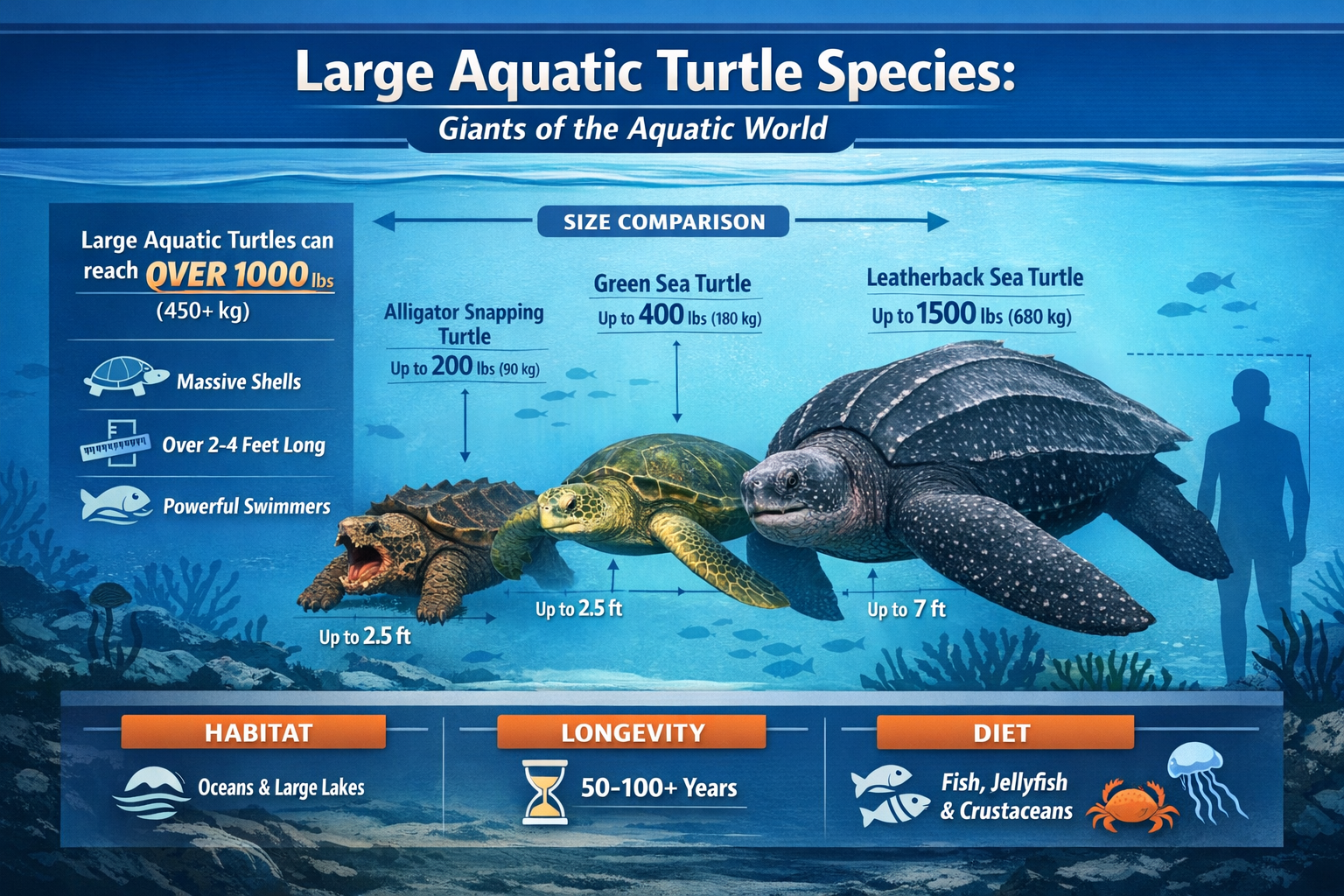
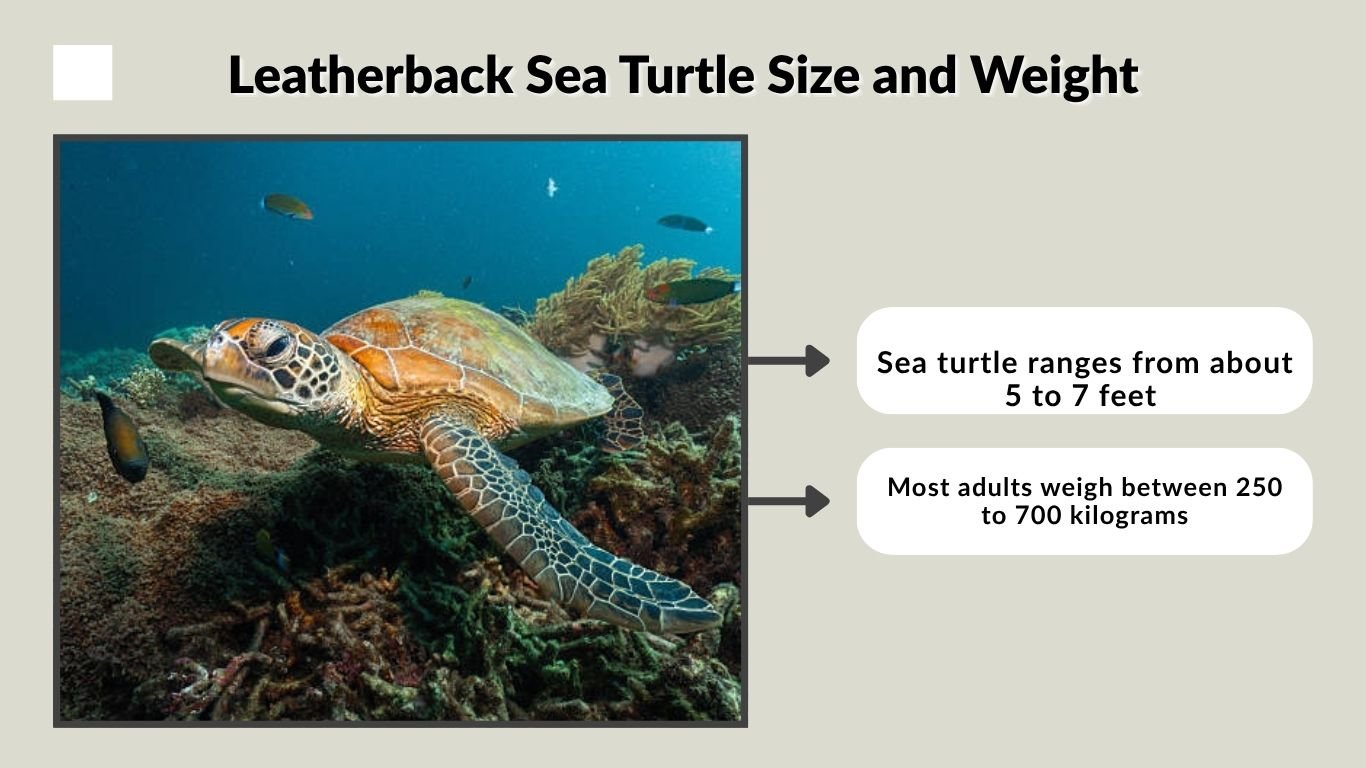
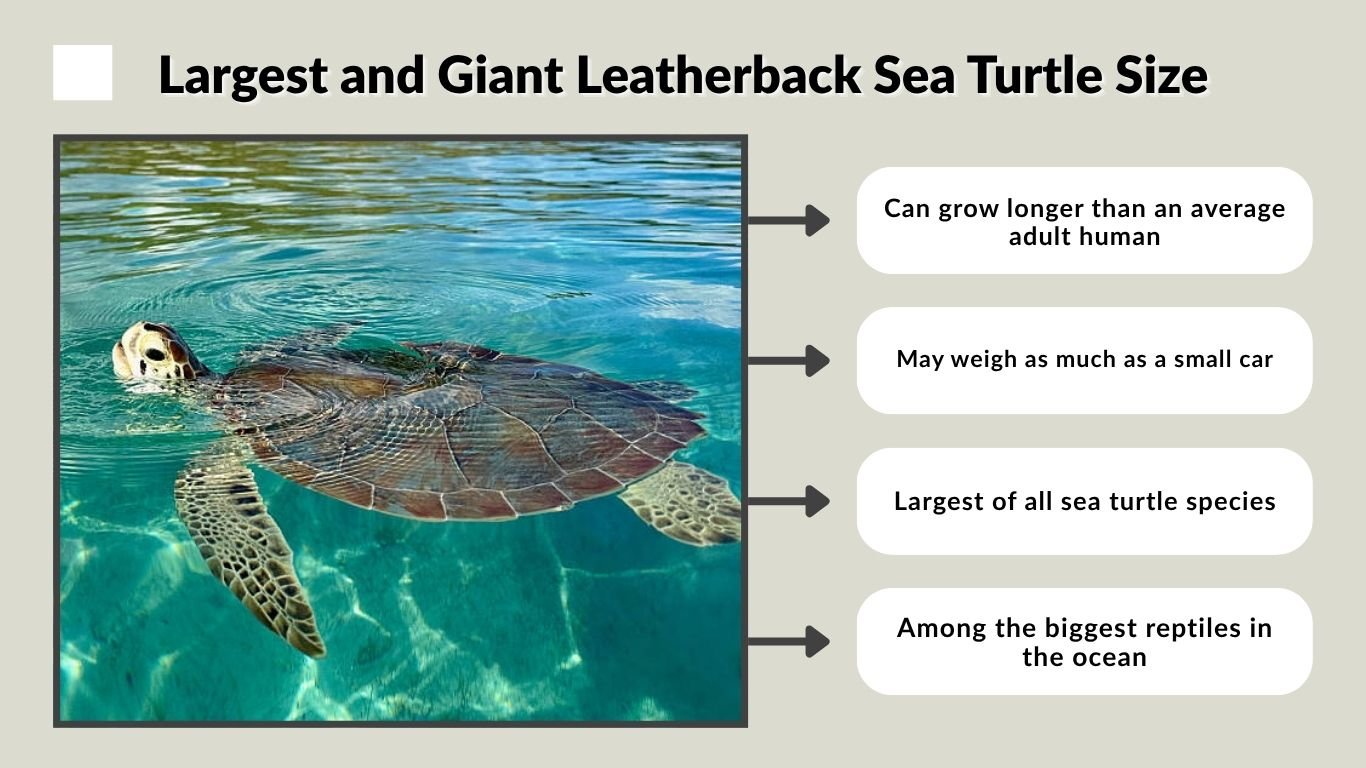
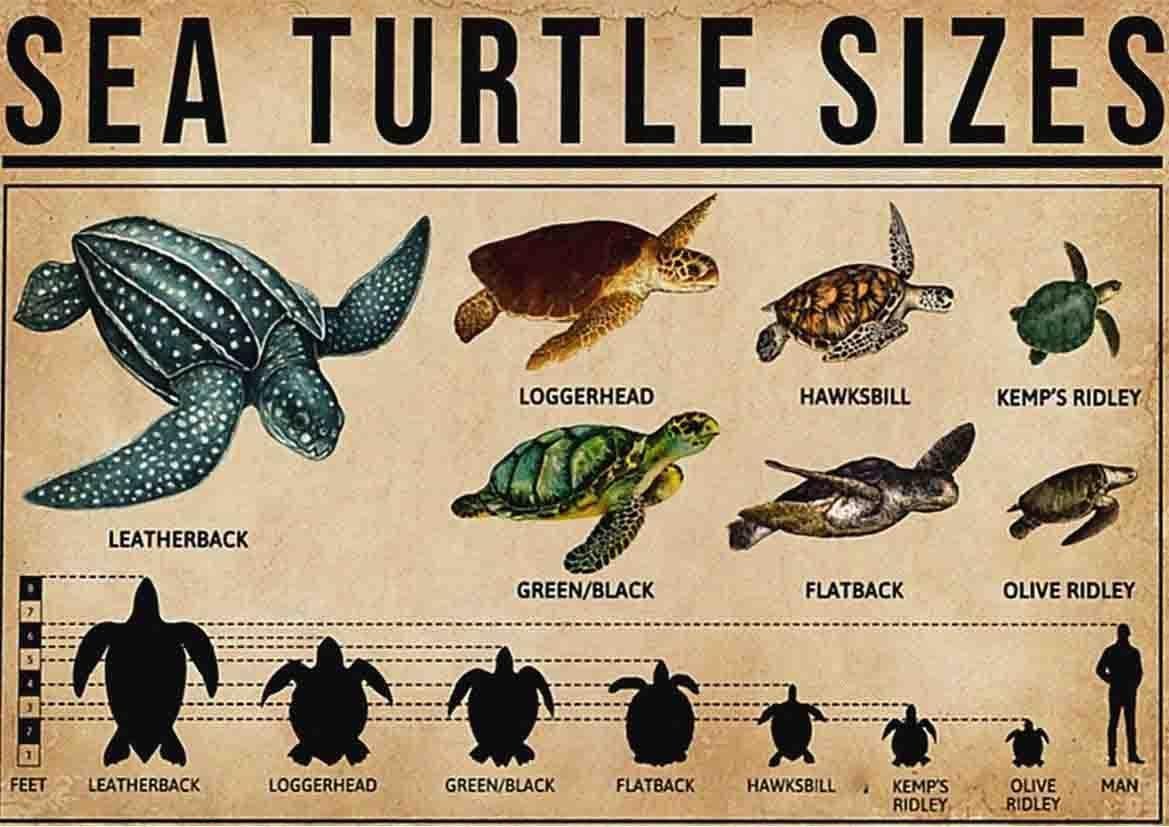
- Leatherback Turtles: As the largest living turtle species, leatherbacks are not known for aggressive territorial behavior. Instead, they focus on migration and nesting.
What to Consider Before Buying or Adopting a Turtle
If you're considering adding a turtle to your family, here are some factors to keep in mind: For a closer look at something similar, my post on oxycodone 5 mg opinie covers the details.
- Research Species: Different species have unique needs and behaviors. Choose a species that aligns with your lifestyle and ability to provide proper care.
- Space and Setup: Turtles require adequate space and a suitable habitat. Research the specific requirements for the species you're interested in.
- Legal Considerations: Check local laws and regulations regarding turtle ownership. Some species may be protected or require permits.
- Longevity: Turtles can live for decades, so be prepared for a long-term commitment.
For more detailed information on turtle care and behavior, you can explore resources like are male turtle terratorial editable and are male turtle terratorial for kids. These guides provide comprehensive insights into various aspects of turtle ownership and care.