The liver, often referred to as the body’s detoxifier, plays a pivotal role in maintaining overall health. It is responsible for filtering toxins, aiding in digestion, and producing vital proteins. One of the most common tests used to assess liver health is the aspartate aminotransferase (AST) blood test. This test measures the level of AST in the blood, an enzyme found in various parts of the body, including the liver, heart, and muscles. Elevated AST levels can indicate liver damage or disease, making the AST blood test a crucial diagnostic tool.
Understanding AST
AST, also known as serum glutamic-oxaloacetic transaminase (SGOT), is an enzyme that helps in the metabolism of amino acids. It is normally found in a variety of tissues throughout the body but primarily in the liver. When the liver is damaged, AST is released into the bloodstream, leading to higher than normal levels. The AST test is often conducted in conjunction with another test, alanine aminotransferase (ALT), to gain a more comprehensive understanding of liver health. While ALT is more specific to the liver, AST can be elevated due to damage in other parts of the body, making the combination of these tests valuable for diagnosing liver conditions.
Why Is the AST Test Conducted?
The AST test is used for several purposes, primarily to diagnose and monitor liver diseases. It can help identify conditions such as hepatitis, fatty liver disease, and cirrhosis. Outside of liver conditions, the test can also indicate damage to other parts of the body, such as the heart or muscles, where AST is also present. In some cases, the test may be part of a routine check-up to ensure overall health, especially in individuals who are at a higher risk of liver disease due to factors like alcohol consumption, obesity, or a family history of liver disease.
Interpreting AST Results
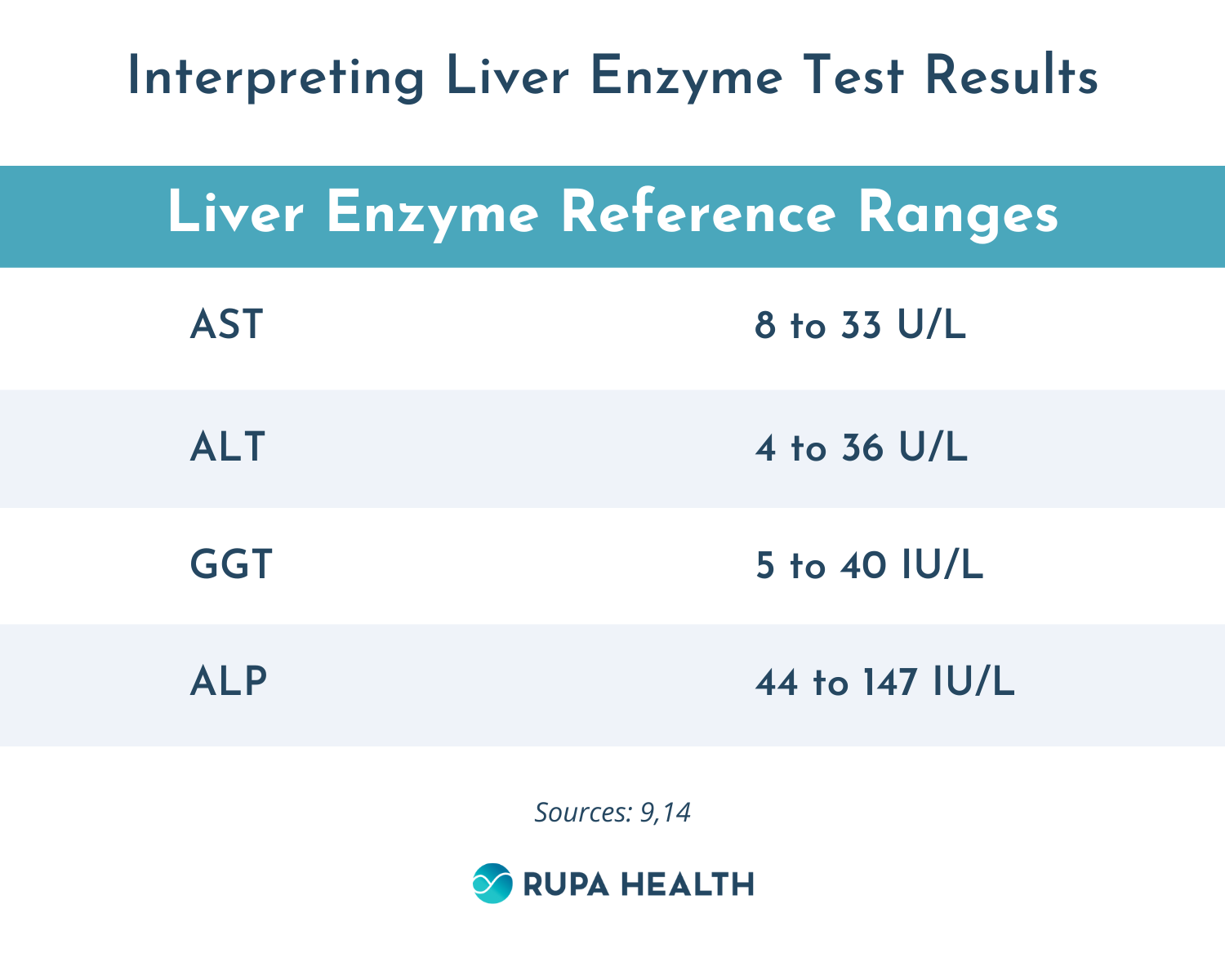
Interpreting AST results requires considering them in the context of other tests and the individual’s overall health profile. The normal range for AST can vary slightly between laboratories but is generally considered to be between 10 to 40 units per liter (U/L). Levels above this range could indicate liver damage or disease. However, mildly elevated levels can also be seen in individuals with no liver disease, due to other factors such as muscle damage or heart conditions.
Causes of Elevated AST Levels
Elevated AST levels can result from a variety of causes, ranging from liver conditions to non-liver related diseases. Some common causes include:
- Liver Diseases: Conditions like hepatitis, cirrhosis, fatty liver disease, and liver cancer can cause significant elevations in AST levels.
- Heart Conditions: Myocardial infarction (heart attack) and other heart diseases can lead to elevated AST.
- Muscle Damage: Severe muscle injury or diseases that affect the muscles can cause AST levels to rise.
- Medications: Certain drugs, including statins and some antibiotics, can cause liver damage that leads to elevated AST levels.
- Alcohol Consumption: Chronic alcohol abuse can lead to liver damage and elevated AST levels.
Managing Elevated AST Levels
If an individual’s AST test reveals elevated levels, the next steps depend on the underlying cause. In cases of liver disease, treatments may include medication to reduce liver inflammation, lifestyle changes to reduce liver strain (such as avoiding alcohol and losing weight), and in severe cases, surgery or liver transplantation. For non-liver related causes, managing the underlying condition (such as treating heart disease or muscle injury) is crucial.
Lifestyle Changes to Support Liver Health
While the AST test can provide valuable insights into liver health, incorporating lifestyle changes can help prevent liver damage and maintain overall liver wellness. Key strategies include:
- Reducing Alcohol Consumption: Alcohol is a significant risk factor for liver disease, so minimizing or avoiding alcohol can protect liver health.
- Maintaining a Healthy Weight: Obesity is linked to fatty liver disease, making weight management through a balanced diet and regular exercise critical.
- Avoiding Certain Medications: When possible, avoiding medications known to cause liver damage, under the guidance of a healthcare provider, can help protect the liver.
- Getting Vaccinated: Vaccines are available for hepatitis A and B, which can cause liver disease. Getting vaccinated can prevent these infections.
Conclusion
The AST blood test is a vital tool in the diagnosis and monitoring of liver health. Understanding the causes of elevated AST levels and taking proactive steps to protect the liver through lifestyle changes can significantly impact overall health and well-being. It’s essential for individuals to discuss their AST test results with a healthcare provider to understand the implications and the necessary next steps to maintain or improve liver health.
What does an elevated AST level indicate?
+An elevated AST level can indicate liver damage or disease. However, it can also be caused by damage to other parts of the body where AST is present, such as the heart or muscles.
How can I lower my AST levels?
+Lowering AST levels involves addressing the underlying cause of the elevation. This can include treating liver disease, avoiding alcohol, losing weight, and managing other medical conditions. Always consult with a healthcare provider for personalized advice.
Is AST testing a routine part of health check-ups?
+For most individuals, AST testing is not a routine part of health check-ups unless there are specific risk factors for liver disease, such as a family history, alcohol abuse, or obesity. However, it may be included in comprehensive metabolic panels (CMP) in some cases.