Urinary tract infections (UTIs) are a common health issue that affects millions of people worldwide. The discomfort and pain associated with UTIs can be debilitating, making it essential to diagnose and treat them promptly. Traditionally, diagnosing a UTI required a visit to a healthcare provider, where a urine sample would be collected and sent to a laboratory for analysis. However, with advancements in medical technology, at-home UTI tests have become increasingly popular, offering a convenient and private way to detect UTIs.
Understanding UTIs
Before delving into at-home UTI tests, it’s crucial to understand what UTIs are. A UTI occurs when bacteria, such as Escherichia coli (E. coli), enter the urinary system, which includes the kidneys, ureters, bladder, and urethra. The infection can happen in any part of the urinary system, but most often, it occurs in the bladder (cystitis) and the urethra (urethritis). Symptoms of a UTI may include a strong, persistent urge to urinate, a burning sensation while urinating, cloudy or strong-smelling urine, and pelvic pain.
How At-Home UTI Tests Work
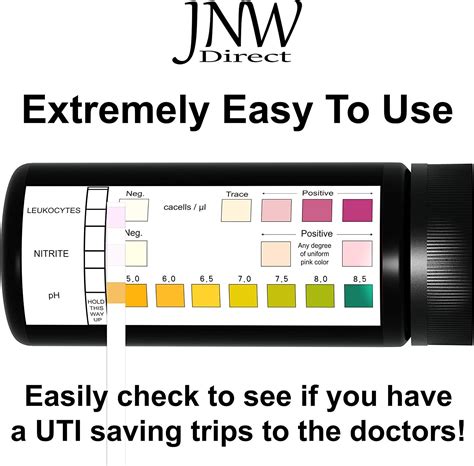
At-home UTI tests are designed to detect the presence of certain substances in the urine that are associated with UTIs, such as leukocytes (white blood cells), nitrites, and blood. These tests typically involve dipping a test strip into a urine sample and waiting for a few minutes to see the results. The test strips change color in the presence of the substances, indicating a potential UTI.
Types of At-Home UTI Tests
- Dipstick Tests: These are the most common type of at-home UTI test. They involve dipping a strip into the urine sample and reading the results.
- Midstream Tests: These tests require the collection of a midstream urine sample, which is then tested with a dipstick or another testing device.
- Mail-In Tests: Some companies offer mail-in UTI tests where the user collects a urine sample, sends it to a laboratory, and receives the results online or by mail.
Advantages of At-Home UTI Tests
At-home UTI tests offer several advantages, including convenience, privacy, and immediate results. They can be especially beneficial for individuals who experience frequent UTIs, as they can quickly determine if their symptoms are due to a UTI or another condition. Additionally, these tests can help reduce the number of unnecessary doctor visits and antibiotic prescriptions, which is crucial for combating antibiotic resistance.
Limitations and Considerations
While at-home UTI tests can be useful, they are not without limitations. False-negative results can occur, especially in the early stages of an infection or if the test is not performed correctly. Furthermore, these tests cannot provide a definitive diagnosis or prescribe treatment. If a UTI is suspected or confirmed, it’s essential to consult a healthcare provider for proper diagnosis and treatment.
Importance of Professional Diagnosis and Treatment
UTIs can lead to more severe complications if left untreated, such as kidney damage or sepsis. A healthcare provider can perform additional tests, such as a urine culture, to confirm the diagnosis and determine the best course of treatment, which usually involves antibiotics. It’s also important to note that while at-home UTI tests can detect some UTIs, they may not detect all types, including those caused by less common pathogens.
Prevention Strategies
Preventing UTIs involves practicing good hygiene, staying hydrated, urinating when needed, and avoiding certain behaviors that can increase the risk of infection. For individuals prone to UTIs, prophylactic antibiotics or self-start therapy may be recommended by a healthcare provider.
Conclusion
At-home UTI tests can be a valuable tool for individuals experiencing UTI symptoms, providing a quick and private way to assess the need for medical attention. However, it’s essential to understand their limitations and the importance of seeking professional diagnosis and treatment for accurate care and to prevent complications. By combining the convenience of at-home testing with the expertise of healthcare providers, individuals can better manage UTIs and maintain their urinary health.
What are the common symptoms of a UTI?
+How accurate are at-home UTI tests?
+At-home UTI tests can be accurate, but they are not 100% reliable. False-negative results can occur, and the tests may not detect all types of UTIs.
What should I do if I suspect I have a UTI?
+If you suspect you have a UTI, it’s essential to consult a healthcare provider for proper diagnosis and treatment. They can perform additional tests and prescribe the necessary antibiotics.
Can at-home UTI tests detect all types of UTIs?
+No, at-home UTI tests may not detect all types of UTIs, especially those caused by less common pathogens. A healthcare provider may need to perform additional tests for a definitive diagnosis.
How can I prevent UTIs?
+Preventing UTIs involves practicing good hygiene, staying hydrated, urinating when needed, and avoiding certain behaviors that can increase the risk of infection. For individuals prone to UTIs, prophylactic antibiotics or self-start therapy may be recommended by a healthcare provider.