Meningitis is a potentially life-threatening infection that inflames the meninges, the protective membranes surrounding the brain and spinal cord. While it can affect anyone, meningitis is particularly dangerous in young children and babies due to their underdeveloped immune systems and the difficulty in recognizing symptoms. Early detection and treatment are crucial for improving outcomes in these vulnerable patients.
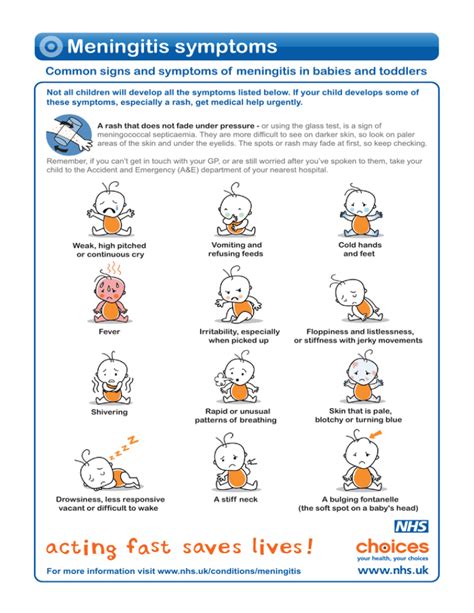
Understanding the symptoms of meningitis in babies is essential for parents and caregivers. The challenge lies in recognizing these symptoms, as they can be subtle and similar to those of other common infant illnesses. Unlike adults or older children, babies with meningitis might not display the classic triad of symptoms: fever, headache, and stiff neck. Instead, their symptoms can be more non-specific and may include fever, irritability, or lethargy, poor feeding, vomiting, or diarrhea, bulging soft spots (fontanelles) on the head, and unusual cry or arching of the back.
A baby with meningitis might also show signs of respiratory distress, such as rapid breathing, grunting, or flaring of the nostrils. In some cases, there might be a rash, although this is more commonly associated with meningococcal meningitis, a specific type caused by the bacterium Neisseria meningitidis. The rash can start as small, red pinpricks and quickly spread, becoming purple and looking like bruises. It’s crucial to seek immediate medical attention if a rash appears, as it can signal a severe infection.
Given the seriousness of meningitis, it’s vital for parents and caregivers to be aware of the risk factors. Premature birth, a weakened immune system, and exposure to someone with the infection can increase a baby’s risk. Certain bacteria, such as Group B strep, E. coli, and Listeria, are more commonly associated with meningitis in newborns, while older babies might be at risk from Haemophilus influenzae type b (Hib), Streptococcus pneumoniae, and Neisseria meningitidis.
Prevention plays a significant role in managing the risk of meningitis. Vaccines are available against some of the bacteria that can cause meningitis, such as Hib, pneumococcal, and meningococcal vaccines. Ensuring that both the mother and the baby receive recommended vaccinations can significantly reduce the risk. Additionally, maintaining good hygiene, such as washing hands frequently, especially after changing diapers or before feeding, can help prevent the spread of infections.
If a baby is suspected to have meningitis, immediate medical attention is essential. Healthcare providers will perform a physical exam, looking for signs of infection or inflammation, and may conduct diagnostic tests such as a lumbar puncture (spinal tap) or imaging studies (like CT or MRI scans) to confirm the diagnosis. Treatment typically involves antibiotics to fight the bacterial infection. In some cases, antiviral medications might be used if the meningitis is caused by a virus. Supportive care, such as hydration and monitoring for complications, is also critical.
Parents and caregivers should be vigilant about monitoring their baby’s health, especially during the first few months of life. Any suspicion of meningitis warrants an immediate visit to the emergency department. The key to successful treatment and recovery is early recognition and intervention. Staying informed about meningitis, its symptoms, risk factors, and preventive measures can empower families to take proactive steps in protecting their babies from this serious infection.
What are the most common symptoms of meningitis in babies?
+The most common symptoms include fever, irritability, lethargy, poor feeding, and vomiting. Babies might also show signs of respiratory distress and have a bulging soft spot on the head.
How can I prevent my baby from getting meningitis?
+Vaccinations against Hib, pneumococcal, and meningococcal infections can significantly reduce the risk. Maintaining good hygiene, such as frequent hand washing, is also important.
What should I do if I suspect my baby has meningitis?
+Seek immediate medical attention. A healthcare provider can perform diagnostic tests and start treatment if meningitis is confirmed. Early intervention is critical for a positive outcome.
Recognizing the symptoms of meningitis and understanding the importance of early intervention can make a significant difference in the outcome for babies with this infection. By being informed and vigilant, parents and caregivers can help protect their babies from the devastating effects of meningitis.
In conclusion, while meningitis is a serious and potentially life-threatening condition, awareness and prompt action can significantly improve outcomes for affected babies. The combination of preventive measures, such as vaccinations and good hygiene practices, along with the ability to recognize symptoms early, forms a potent strategy against this dangerous infection. As medical science continues to evolve, it is hopeful that future advancements will lead to even more effective preventive and therapeutic strategies against meningitis, ultimately reducing its burden on the most vulnerable members of our society - our babies.