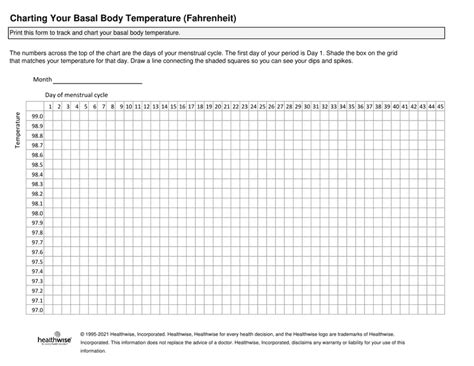
The basal body temperature, often referred to as the basal temperature, is the body’s temperature at rest. Tracking this temperature can provide valuable insights into various physiological processes, including fertility and overall health. For individuals trying to conceive, understanding and tracking basal temperature is a crucial aspect of natural family planning and fertility awareness.
Why Track Basal Temperature?
Tracking basal temperature is primarily used for fertility awareness and natural family planning. The method is based on the observation that basal temperature increases slightly after ovulation due to the release of progesterone. By tracking these temperature changes, individuals can identify when ovulation occurs, helping them plan for conception or avoid pregnancy. Additionally, basal temperature tracking can provide insights into hormonal imbalances, thyroid function, and sleep quality, making it a useful tool for overall health monitoring.
How to Track Basal Temperature
Choose a Thermometer: Select a basal body thermometer that is designed specifically for tracking basal temperatures. These thermometers are more sensitive than regular thermometers and can detect even slight changes in temperature. Digital thermometers are preferred for their ease of use and accuracy.
Take Your Temperature at the Same Time Every Day: Consistency is key when tracking basal temperature. It’s recommended to take your temperature immediately upon waking, before getting out of bed or engaging in any activity. This ensures that the temperature reading reflects your body’s resting temperature.
Use a Basal Body Temperature Chart or App: Record your temperature on a basal body temperature chart or use a fertility app designed for tracking basal temperatures. These tools help in identifying patterns and changes in your temperature over time. Many apps also allow you to track other fertility signs, such as cervical mucus and menstrual cycle length.
Understand Your Temperature Readings: Basal temperature typically ranges from about 97.2°F to 97.7°F before ovulation. After ovulation, it may increase to 97.8°F to 98.2°F or higher. However, these are general guidelines, and what’s most important is identifying your individual pattern. Look for a sustained temperature shift of about 0.4°F to 1°F that lasts for at least three days, which can indicate ovulation has occurred.
Common Challenges and Solutions
Irregular Temperatures: Variations in temperature can be influenced by factors such as sleep quality, alcohol consumption, and travel across time zones. Try to maintain a consistent sleep schedule and avoid alcohol close to bedtime.
Difficulty Waking at the Same Time: For those who don’t have a regular wake-up time, setting an alarm for the same early hour every day, including weekends, can help establish a routine.
Interpreting Results: It can take a few months to accurately identify your basal temperature patterns and understand how they relate to your fertility. Be patient, and consider consulting with a healthcare provider or a fertility specialist for personalized advice.
Advanced Tracking Techniques
For individuals looking to enhance their basal temperature tracking, consider incorporating additional fertility signs. Observing cervical mucus changes, noting the sensation of ovulation pain (mittelschmerz), and tracking menstrual cycle length can provide a more comprehensive view of fertility. Some fertility apps and wearable devices also offer advanced features, such as automated temperature tracking, reminders, and predictive algorithms to forecast ovulation.
Future of Basal Temperature Tracking
The future of basal temperature tracking is likely to involve more sophisticated and integrated technologies. Wearable devices that continuously monitor body temperature, along with other physiological parameters, are becoming more prevalent. These devices can offer real-time insights into the body’s state, potentially providing more accurate predictions of ovulation and enhancing fertility awareness.
Conclusion
Tracking basal temperature is a valuable tool for fertility awareness and natural family planning. By understanding the basics of basal temperature tracking and incorporating it into daily routine, individuals can gain better insights into their physiological processes. As technology advances, the ease and accuracy of basal temperature tracking are expected to improve, offering more effective methods for those seeking to understand and manage their fertility.
What is the best time to take basal body temperature for fertility tracking?
+The best time to take your basal body temperature for fertility tracking is immediately upon waking, before getting out of bed or engaging in any activity. This ensures that the temperature reading reflects your body’s resting temperature.
How accurate is basal body temperature tracking for predicting ovulation?
+Basal body temperature tracking can be an effective method for predicting ovulation when done correctly. However, its accuracy can be influenced by various factors such as sleep quality, timing of temperature taking, and individual variations in temperature patterns. Combining basal temperature tracking with other fertility signs can enhance its accuracy.
Can basal body temperature be affected by factors other than ovulation?
+Yes, basal body temperature can be influenced by several factors other than ovulation, including sleep quality, alcohol consumption, travel across time zones, and certain medications. It’s essential to maintain a consistent routine and consider these factors when interpreting basal body temperature readings.