






Bbc Bitesize Ks3 Hand Writing For Kids Overview
I've been searching for some good handwriting resources for my kids, and I stumbled upon BBC Bitesize KS3 handwriting worksheets. These are a godsend for parents like me who want to help their kids improve their handwriting skills. It's a simple yet effective way to practice, and I love how it's designed to be engaging with a focus on ladder letters. The worksheets are a great tool to have, especially with the handy 30 Vertical Illustration Ideas guide for some creative practice too!
Bomper Studio's creative writing prompts.
Perfecting Penmanship: A Focus on Foundation Skills
The BBC Bitesize KS3 Handwriting worksheets are an excellent resource for learners at the KS3 level, offering a comprehensive approach to mastering the art of handwriting. These worksheets go beyond simple practice, delving into the fundamentals of handwriting technique and providing a structured path for students to refine their writing skills.
Free handwriting practice sheets.
Beyond Basics: Exploring Advanced Handwriting Techniques
While the ladder letters form the foundation of the BBC Bitesize KS3 Handwriting program, the worksheets also introduce learners to more complex aspects of handwriting. This includes guidance on maintaining proper posture, ensuring a straight sitting position to promote good writing habits. Additionally, the worksheets offer tips on achieving the right pen grip, a crucial element in developing a comfortable and efficient writing style.
Kindergarten handwriting practice.
As learners progress through the worksheets, they'll encounter a range of activities designed to enhance their handwriting skills. These include exercises focused on improving hand-eye coordination, a vital skill for precise and controlled writing. The worksheets also provide a letter formation guide, offering a step-by-step approach to forming letters with smooth, controlled flow.
Atfal Corner's writing resources.
For those interested in exploring different writing styles, the worksheets introduce the concept of slants, angles, and curves, allowing students to experiment with various handwriting techniques. This not only adds an element of creativity to the learning process but also encourages learners to find their unique writing style.
Chromatography experiment for KS3.
People Also Ask: What Age Group Benefits from These Worksheets?
The BBC Bitesize KS3 Handwriting worksheets are tailored for students in Key Stage 3, typically aged 11 to 14. However, the worksheets' focus on foundational skills and progressive learning makes them suitable for a wider age range. Younger students who are eager to improve their handwriting or older students looking to refine their writing technique can benefit from these resources. The worksheets' versatility allows for personalized learning, accommodating different skill levels and learning paces.
Writing a newspaper report.
How to Incorporate BBC Bitesize KS3 Handwriting into Your Learning Journey
Incorporating BBC Bitesize KS3 Handwriting into your learning routine is straightforward and flexible. These worksheets are designed for both classroom and home-learning environments, making them a valuable resource for teachers, tutors, and parents alike.
Exam skills podcast for GCSE.
For teachers, the worksheets provide a structured approach to handwriting instruction, offering a ready-made resource for lesson planning. Tutors can utilize the worksheets to supplement their teaching materials, providing targeted practice for students who need additional support. Parents can print the worksheets at home, offering a convenient and effective way to help their children improve their handwriting skills.
Cursive writing practice.
When using the worksheets, it's essential to consider printing options. The worksheets are designed to be printed on standard A4 paper, ensuring easy accessibility and convenience. For a more durable option, consider printing on thicker paper or even laminating the worksheets for repeated use.
KS3 handwriting practice sheets.
A Creative Journey: Unlocking the Benefits of Handwriting Practice
The BBC Bitesize KS3 Handwriting worksheets offer more than just handwriting practice; they provide a creative outlet for learners to explore their writing potential. With the 30 Vertical Illustration Ideas guide, students can take their handwriting practice to the next level, incorporating illustration and creativity into their writing.
Berlin Beats: a German language series.
This creative approach not only makes handwriting practice more engaging but also enhances the learning experience. By combining handwriting with illustration, students develop a deeper understanding of letter formation and control, leading to improved handwriting skills.
Writing a persuasive speech.
Additionally, the creative aspect of the worksheets encourages learners to think beyond the basic mechanics of handwriting. It fosters a sense of pride and ownership over their writing, motivating them to continue practicing and refining their skills.
Guide to formal and informal writing.
With the BBC Bitesize KS3 Handwriting worksheets, learners embark on a journey of self-discovery, uncovering their unique writing style and the joy of creating beautiful, legible handwriting. It's a process that goes beyond the simple act of writing, nurturing a love for learning and self-expression.
Hey there, fellow handwriting enthusiasts! We hope you've enjoyed exploring the world of BBC Bitesize KS3 Handwriting and its incredible worksheets. These resources are a fantastic way to build a strong foundation for your handwriting skills, and we encourage you to dive in and give them a go.
Remember, practice makes perfect, and with these worksheets, you can take your time, explore different techniques, and really refine your handwriting. So, what are you waiting for? Grab a pen, print out those worksheets, and let your creativity flow. We'd love to hear how it goes, so leave a comment and share your progress or any tips you discover along the way!
Design a poster with Bitesize.
Read also: What the Seal Motto Really Means
Related: Understanding Decision Trees With Bbc Bitesize Science
As a parent, I'm always on the lookout for fun and engaging resources to help my kids learn, especially when it comes to science. BBC Bitesize decision trees science is a brilliant, practical tool that offers a unique approach to learning. It's like having a handy guide, perfect for those moments when you need a quick reference or a fun way to reinforce a concept, especially when you're busy searching for study notes on trees. I recently discovered this while browsing for some local deals on Facebook Marketplace in Chico, CA, and it's been a game-changer for our homeschool setup!
Decision-making process for chemical industry.
Unveiling the Power of Decision Trees
Decision trees are a powerful tool that can help learners navigate complex concepts and make informed choices. BBC Bitesize decision trees science offers an engaging way to explore this concept, making it an ideal resource for both teachers and students. With its interactive nature, it encourages critical thinking and provides a structured approach to problem-solving.
Visualizing decision-making with diagrams.
Beyond Basic Decision-Making: Exploring Flowcharts and Processes
While decision trees are a fundamental concept, BBC Bitesize decision trees science takes it a step further by introducing flowcharts and process diagrams. These visual representations add an extra layer of complexity, allowing learners to understand the flow of information and the logical progression of steps. By following the paths and making choices, students can grasp the idea of cause and effect and how decisions impact outcomes. This resource is particularly beneficial for visual learners, as it provides a clear and organized way to visualize and analyze complex processes.
Understanding decision trees in machine learning.
Flowcharts and process diagrams are not limited to simple yes-no decisions; they can also incorporate "maybe" options, offering a more realistic representation of real-life scenarios. This approach prepares students for more advanced problem-solving and encourages them to consider multiple possibilities. By practicing with these worksheets, learners develop a deeper understanding of how decisions are made and how different paths can lead to diverse results.
Decision tree analysis: steps and examples.
People Also Ask: What Age Group Benefits from Decision Tree Worksheets?
A common curiosity is whether decision tree worksheets are suitable for all age groups. BBC Bitesize decision trees science is designed with a wide range of learners in mind, making it adaptable to different age and skill levels. While the basic concept of decision-making is introduced at an early age, the complexity and depth of these worksheets can be tailored to suit various grades and abilities.
Decision trees: a data science technique.
For younger learners, the worksheets can focus on simpler choices and outcomes, gradually introducing more intricate paths and variables. As students progress, the worksheets can become more challenging, incorporating multiple decision points and complex processes. This adaptability ensures that learners of all ages can benefit from practicing with decision trees, whether they are in primary school, secondary school, or even homeschooling environments.
Enterprise excellence through decision science.
How to Get Started with BBC Bitesize Decision Trees Science: A Practical Guide
Getting started with BBC Bitesize decision trees science is straightforward and accessible. The worksheets are available online, making them easily printable for classroom or home use. Teachers and parents can choose from a range of topics and difficulty levels to suit their learners' needs.
Recent overview of decision tree models.
To begin, simply select the appropriate worksheet based on the desired topic and skill level. Print the worksheet, ensuring that the print quality is clear and legible. Depending on the age and preference of the learner, you can either guide them through the decision-making process or allow them to work independently, referring to the worksheet as a reference. For younger students, it may be beneficial to discuss the choices and outcomes together, reinforcing the learning experience.
Advanced decision tree neural network.
Enhancing Critical Thinking: The Power of Decision Trees in Action
Decision trees are not just a theoretical concept; they have practical applications in various real-life situations. By practicing with these worksheets, learners develop critical thinking skills that can be applied across different subjects and scenarios. For example, when studying the life cycle of a tree, decision trees can help students understand the choices and factors that influence a tree's growth and development.
PDF malware detection with decision trees.
Additionally, decision trees can be used to explore ethical dilemmas and encourage students to consider the consequences of their choices. This practical application of decision-making skills prepares learners for making informed decisions in their daily lives and fosters a deeper understanding of the impact of their actions. With regular practice, learners can develop a systematic approach to problem-solving, making BBC Bitesize decision trees science an invaluable resource for their educational journey.
Online decision tree maker, easy access.
Gradient boosted trees in Python.
Random forest vs. CART algorithm.
Decision trees are an awesome way to visualize and tackle tricky topics, and BBC Bitesize's science resources really bring this method to life. With their interactive features, these tools are a fun and effective way to learn and teach.
So, why not give it a go? Print out a worksheet, gather your pens, and get ready to explore. It's a great way to engage with science, and who knows, you might just discover a new favorite learning technique! Leave a comment or share your experience below; we'd love to hear how you get on with these decision-making adventures.
Create decision trees online, no sign-up.
Read also: 16 Independent Gems in Grand Island
Related: Exploring the Bbc Bitesize Gene Bank
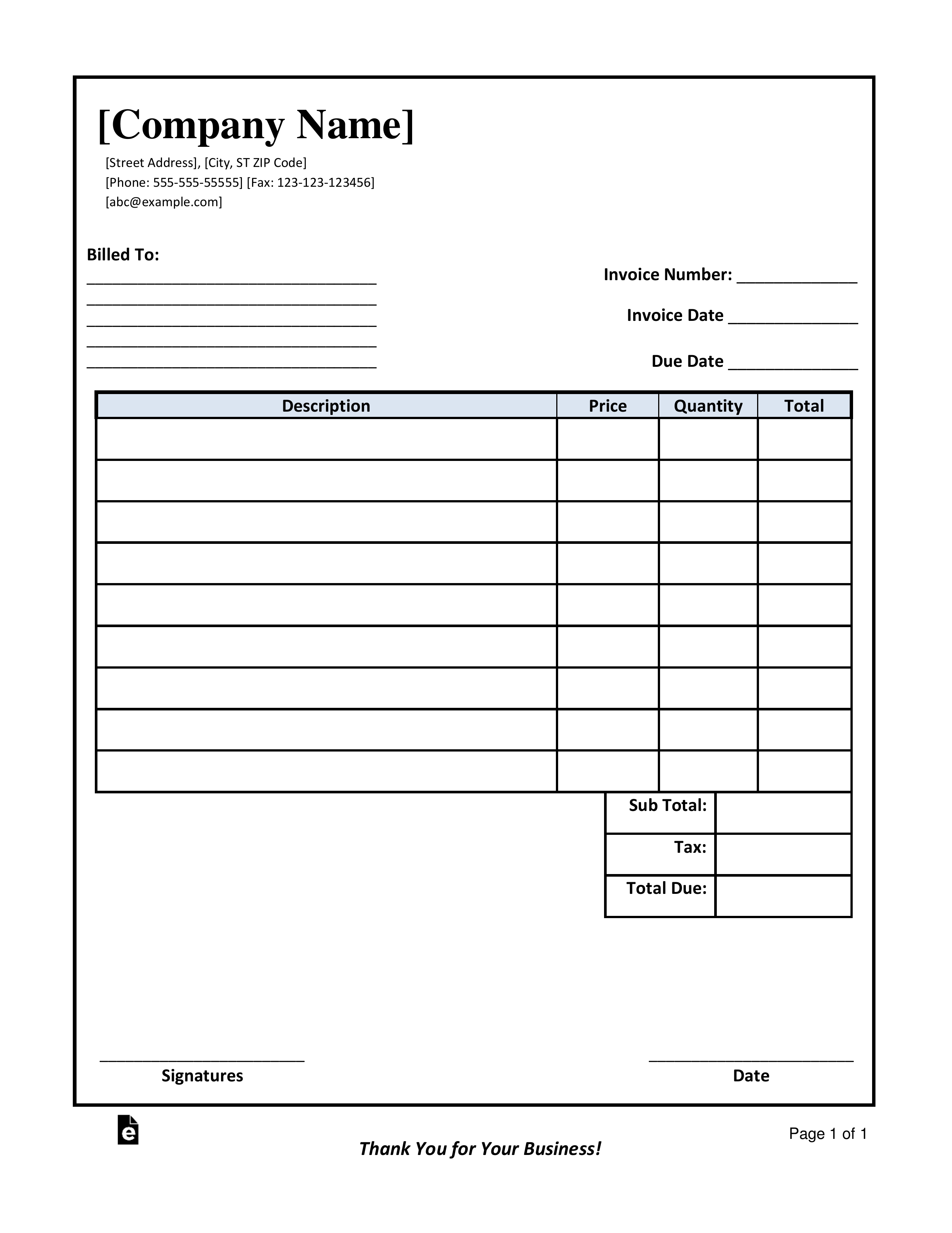
As a parent, I'm always on the lookout for helpful resources to support my child's learning journey. And when it comes to understanding genetics, the BBC Bitesize Gene Bank is a real gem! It offers a simple yet effective way to revise and practice, which is a lifesaver for busy parents like me. With its clear explanations and practical worksheets, it's a great tool to reinforce those tricky concepts, like BBC Bitesize DNA and Inheritance. I even found some useful templates, like 15 Invoice Excel Templates, which is a nice bonus!
Alternative splicing and gene expression.
Unlocking the Secrets of DNA and Inheritance
The BBC Bitesize Gene Bank is a fantastic resource that delves into the fascinating world of genetics, offering a comprehensive and engaging approach to learning about DNA and inheritance. This worksheet-based tool is designed to reinforce fundamental concepts, making it an invaluable asset for students and educators alike.
BBC Bitesize: In-depth genetics panel.
Exploring Genetic Concepts: A Practical Approach
One of the standout features of the BBC Bitesize Gene Bank is its ability to simplify complex genetic concepts through practical activities. Students can expect to encounter a range of exercises that cater to different learning styles and skill levels. From basic understanding to more advanced applications, the worksheets cover a broad spectrum of topics, ensuring a well-rounded learning experience.
Enhancing food supply with DNA.
For instance, learners might start with simple fill-in-the-blank exercises to grasp the basics of DNA structure and function. As they progress, they can tackle more challenging tasks, such as interpreting genetic data or predicting inheritance patterns. This progressive approach ensures that students build a solid foundation before moving on to more complex concepts.
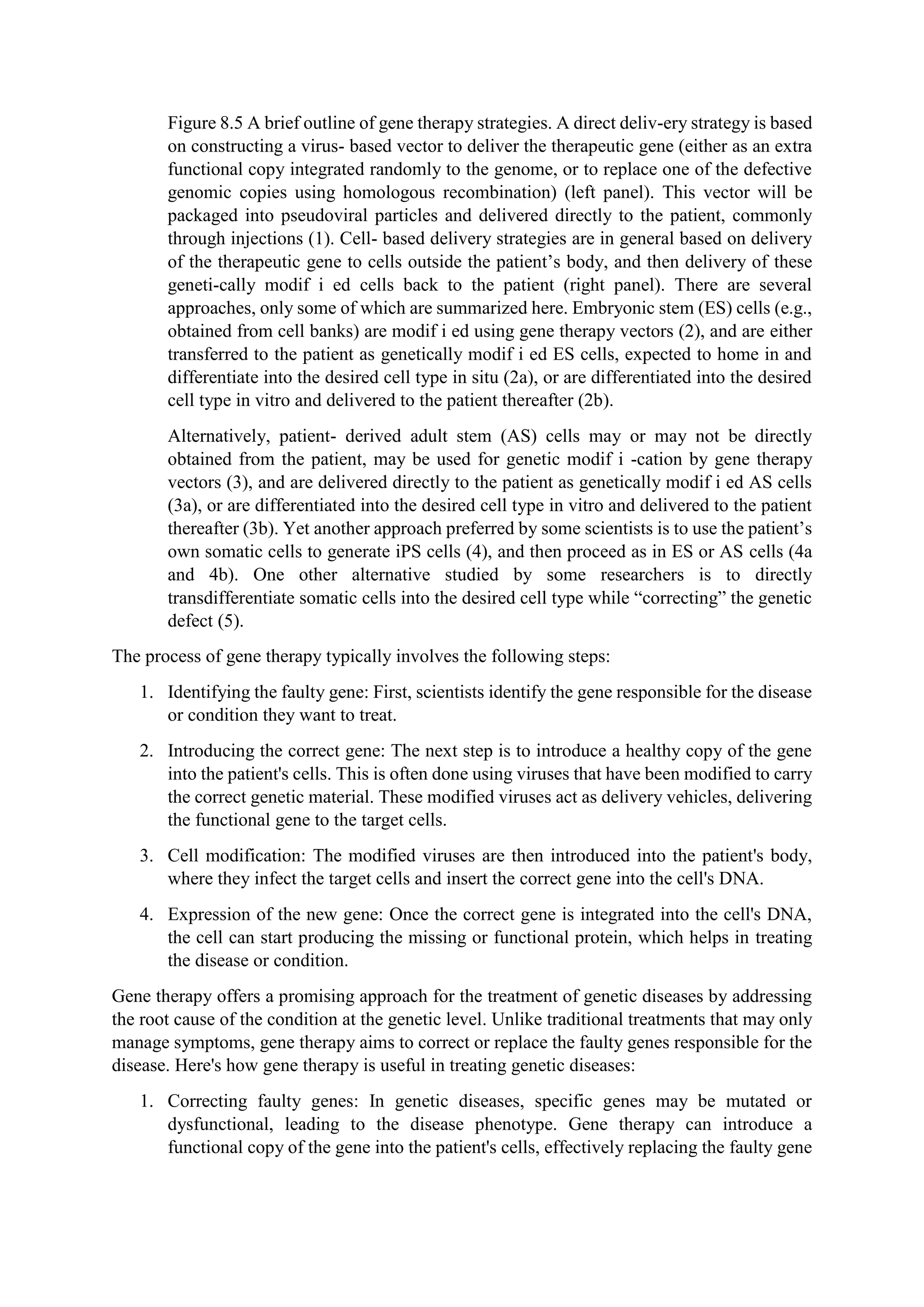
Gene therapy: What it is and how it works.
People Also Ask: What Age Group Benefits from the Gene Bank?
A common question that arises is whether the BBC Bitesize Gene Bank is suitable for a specific age range. The beauty of this resource lies in its adaptability, making it relevant for a wide range of learners. While the content aligns with GCSE-level genetics, its clear and concise explanations make it accessible to younger students as well.
Gene expression explained on BBC Bitesize.
Educators and parents can utilize the Gene Bank to introduce genetic concepts to students as young as primary school age, providing a solid foundation for future learning. As students advance through their educational journey, the Gene Bank continues to offer valuable revision and practice, ensuring a deep understanding of genetic principles.
Peat bogs and their role in genetics.
How to Make the Most of the Gene Bank Worksheets
To make the most of the BBC Bitesize Gene Bank, it's essential to consider practical aspects such as printing and usage. While digital access is convenient, having physical worksheets can enhance the learning experience, especially for hands-on learners.
Inspiring students with BBC Bitesize careers.
When printing the worksheets, ensure that you have a good quality printer to maintain the clarity of the exercises. Consider using thicker paper for durability, especially if multiple students will be working with the same set. Additionally, organize the worksheets in a way that makes sense for your teaching or learning style. You might want to create a binder with tabs for easy reference or use dividers to separate different topics.
CIP gene bank and potato research.
Reinforcing Learning with Practical Scenarios
One of the strengths of the BBC Bitesize Gene Bank is its ability to bridge the gap between theoretical knowledge and practical application. The worksheets often present real-world scenarios, allowing students to apply their understanding of genetics to concrete situations.
BBC Bitesize roadshow for student inspiration.
For example, a worksheet might present a scenario where students need to analyze genetic data from a fictional research project. By interpreting this data, students not only reinforce their understanding of genetic concepts but also develop critical thinking skills. This practical approach ensures that learning extends beyond the classroom, fostering a deeper appreciation for the relevance of genetics in our daily lives.
Ex situ strategies: Zoos, seed banks, and gene banks.
As students engage with these scenarios, they develop a more holistic understanding of genetics, seeing how it applies to fields such as medicine, agriculture, and even forensic science. This connection between theory and practice is a powerful tool for engaging learners and fostering a lifelong interest in scientific exploration.
Field and seed banks: Bhavubha's research.
Germplasm preservation and cryopreservation techniques.
The BBC Bitesize Gene Bank is an incredible tool to have at your fingertips, offering a unique and interactive way to grasp the complexities of genetics. With its worksheet format, it's an enjoyable and effective way to learn, and I highly recommend giving it a go!
Why not print out a few worksheets and dive into the world of DNA and inheritance? It's a great way to explore this fascinating topic, and you might just discover a new passion. Leave a comment and let us know how you get on; we'd love to hear your thoughts and experiences!
Origin of cultivated plants and their history.
Read also: How to Use Nafeza Excel Invoice