Understanding the intricacies of the human body, especially when it comes to fertility, can be both fascinating and challenging. For women trying to conceive, tracking their menstrual cycle and identifying the most fertile periods is crucial. One of the most effective tools in this journey is the Basal Body Temperature (BBT) chart. This guide aims to provide a comprehensive overview of how to use a BBT chart to get pregnant faster, along with expert insights and practical tips to enhance your understanding and application of this fertility awareness method.
Introduction to BBT Charting
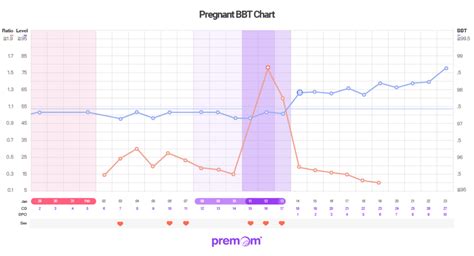
BBT charting involves monitoring and recording your basal body temperature every morning before getting out of bed. This temperature is your body’s resting temperature, and it can provide valuable insights into your hormonal changes throughout the menstrual cycle. The key principle behind BBT charting is that basal body temperature tends to be lower before ovulation and higher after ovulation, due to the increase in progesterone levels after an egg is released.
How to Start BBT Charting
- Invest in a Basal Thermometer: You’ll need a thermometer that can accurately measure small changes in temperature. Digital basal thermometers are preferred because they are precise and easy to use.
- Choose a Tracking Method: You can use a physical chart, a fertility app, or a spreadsheet to record your temperatures. The method you choose should be convenient and easy for you to stick with.
- Start Recording: Begin taking your temperature every morning at the same time, before getting out of bed or engaging in any physical activity. Record the temperature on your chosen tracking method.
Interpreting Your BBT Chart
- Pre-Ovulation Phase: During the first part of your cycle (before ovulation), your temperatures are usually lower, reflecting the dominance of estrogen.
- Ovulation: You might notice a slight dip in temperature just before ovulation, followed by a significant increase after ovulation, indicating that your body has released an egg.
- Post-Ovulation Phase: After ovulation, your temperatures remain higher due to the production of progesterone, which helps prepare the uterus for a potential pregnancy. If you don’t conceive, your temperatures will drop again as you approach your period.
Using BBT to Enhance Fertility
- Identify Your Fertile Window: By tracking when your temperature increases, you can identify the day of ovulation. Your most fertile days are the day before the temperature increase and the day of the increase itself.
- Plan Intercourse: Aim to have unprotected intercourse during your fertile window to maximize your chances of getting pregnant. It’s also beneficial to have intercourse in the days leading up to ovulation, as sperm can survive inside the female reproductive tract for up to five days.
- Monitor Consistency and Patterns: Regular charting helps you understand your body’s patterns. Consistency is key, but also be aware of any deviations from your usual pattern, as these can indicate changes in your fertility.
Additional Tips for Getting Pregnant Faster
- Understand Your Cycle: While BBT charting can help pinpoint ovulation, understanding your overall menstrual cycle length and regularity is also crucial.
- Healthy Lifestyle: Maintaining a healthy diet, exercising regularly, managing stress, and avoiding excessive alcohol and caffeine can enhance fertility for both partners.
- Seek Professional Advice: If you’ve been trying to conceive for over a year (or six months if you’re over 35), consult a fertility specialist. They can provide personalized advice and interventions if necessary.
Conclusion
Utilizing a BBT chart is a powerful, non-invasive way to understand your fertility better and identify the optimal times for conception. It’s a method that encourages a deeper connection with your body and its natural cycles. By combining BBT charting with a healthy lifestyle and understanding of your overall reproductive health, you can significantly enhance your chances of getting pregnant. Remember, fertility journeys are unique, and patience, persistence, and the right guidance are key to success.
FAQs
What is the best time to take my basal body temperature for accurate BBT charting?
+The best time to take your basal body temperature is immediately upon waking, before getting out of bed or engaging in any activity. Consistency in the timing is crucial for accurate charting.
How long does it take to conceive using BBT charting and fertility awareness methods?
+The time to conceive can vary significantly among individuals. Generally, with consistent and accurate tracking, couples can identify their fertile window more precisely, potentially reducing the time to conception. However, factors such as overall health, age, and fertility issues can influence success rates.
Can I use BBT charting if I have irregular menstrual cycles?
+Yes, you can still use BBT charting with irregular cycles, but it might be more challenging to identify patterns. Combining BBT charting with other fertility awareness methods, such as cervical mucus observation or ovulation predictor kits, can provide a more comprehensive understanding of your fertility signs. Consulting a healthcare provider or a fertility specialist can also offer personalized guidance and support.