Basal Body Temperature (BBT) ovulation tracking is a natural and effective method for women to boost their fertility. By monitoring subtle changes in their basal body temperature, women can identify their most fertile days, increasing the chances of conception. This approach to fertility tracking is not only cost-effective but also non-invasive, making it an attractive option for those seeking to conceive without relying on pharmaceuticals or extensive medical interventions.
Understanding Basal Body Temperature
Basal body temperature refers to the body’s temperature at rest. Throughout the menstrual cycle, this temperature can fluctuate slightly due to hormonal changes, particularly the influence of estrogen and progesterone. Before ovulation, under the primary influence of estrogen, the basal body temperature tends to be lower. Following ovulation, the release of progesterone causes a noticeable increase in basal body temperature. This temperature shift, although small, is a reliable indicator of ovulation for many women.
How BBT Ovulation Tracking Works
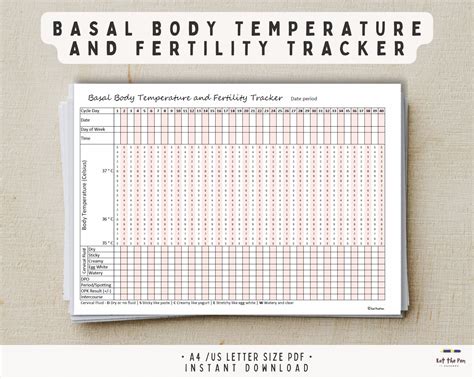
To use BBT tracking for fertility, a woman takes her temperature every morning before getting out of bed, using a basal body thermometer which is more sensitive than a regular thermometer. It’s crucial to take the temperature at the same time each day and under the same conditions to ensure accurate readings. The temperature is then recorded on a chart or logged into a fertility app. Over time, this data will show a pattern of lower temperatures before ovulation and higher temperatures after ovulation, indicating when ovulation has occurred.
Implementing BBT Tracking
For effective BBT tracking, consider the following steps:
Invest in a Basal Body Thermometer: These thermometers are specifically designed to detect the slight changes in basal body temperature. They are available at most pharmacies or online.
Choose a Recording Method: You can use a physical fertility chart or a mobile app designed for BBT tracking. Apps often provide additional features like graphing your temperature, predicting ovulation, and tracking other fertility signs.
Establish a Routine: Take your temperature at the same time every morning, before any physical activity, and record it immediately.
Analyze Your Data: Look for the temperature shift. Typically, the temperature will be lower before ovulation and then spike after ovulation, remaining higher until menstruation.
Enhancing Fertility with BBT Tracking
While BBT tracking is an excellent method for identifying ovulation, its effectiveness can be enhanced when combined with other fertility awareness methods. Observing cervical mucus changes and tracking menstrual cycle length can provide a more comprehensive understanding of the body’s fertility window. Cervical mucus, for example, becomes more abundant, clear, and slippery during the fertile period, facilitating sperm passage.
Challenges and Considerations
- Temperature Variability: Factors like sleep quality, alcohol consumption, and certain medications can affect basal body temperature, potentially leading to inaccuracies in tracking.
- Timing: It’s essential to understand that BBT tracking identifies ovulation after it has occurred. While this information is valuable for timing intercourse during future cycles, it may not be as immediate a solution as other fertility tracking methods.
- Consistency and Patience: Accurate BBT tracking requires daily temperature taking and careful record-keeping. It may take a few months to establish a clear pattern and understand the body’s unique fertility signs.
Combining BBT with Modern Fertility Tools
For those who prefer a more tech-integrated approach, combining BBT tracking with fertility wearables or apps can enhance the experience. Some wearables can detect the subtlest temperature changes throughout the day, providing more detailed insights into the menstrual cycle. Apps can offer predictive analytics based on historical BBT data, lifestyle factors, and other fertility indicators, helping to identify the most fertile window more accurately.
Conclusion
BBT ovulation tracking stands as a testament to the body’s innate ability to signal its fertile periods. By tuning into these natural cues, women can gain a deeper understanding of their reproductive health and increase their chances of conception without resorting to invasive medical procedures. While it may require dedication and patience, the benefits of natural fertility tracking, including cost-effectiveness and the avoidance of side effects associated with fertility drugs, make it a compelling approach for many couples seeking to start a family.
How accurate is BBT tracking for predicting ovulation?
+BBT tracking is quite accurate for predicting when ovulation has occurred, as the temperature shift after ovulation is a reliable indicator for many women. However, its ability to predict ovulation before it happens is less accurate. Combining BBT with other fertility signs can improve predictive accuracy.
Can any factors distort BBT readings?
+Yes, several factors can affect basal body temperature readings, including alcohol consumption, certain medications, sleep disturbances, and fever. It’s essential to maintain a consistent routine and note any factors that could influence temperature readings.
How long does it take to see a pattern with BBT tracking?
+It can take a few months to establish a clear pattern and understand the body’s unique fertility signs through BBT tracking. Consistency and patience are key. Additionally, combining BBT with other fertility awareness methods can provide a more comprehensive view of fertility sooner.