When we think of bites, our minds often jump to the more dramatic scenarios involving animals, but the reality is that human bites can be just as dangerous, if not more so, due to the unique composition of the human oral flora. Human bites, whether intentional or accidental, can lead to significant infection risks due to the multitude of bacteria that reside in the human mouth. Understanding the risks associated with human bites and knowing how to manage them properly is crucial for preventing serious infections.
The Microbial Landscape of the Human Mouth
The human mouth is a complex ecosystem hosting over 700 species of bacteria, many of which are harmless or even beneficial under normal circumstances. However, when these bacteria are introduced into a wound, such as a bite, they can cause infections. Some of the most common pathogens found in human bite wounds include Streptococcus, Staphylococcus, and Eikenella corrodens. The presence of these bacteria, combined with the potential for poor wound conditions (e.g., oxygen deprivation), can lead to severe infections.
Types of Human Bites
Human bites can occur in various forms, each with its own level of infection risk. The two main categories are occlusal bites and clenched-fist injuries. Occlusal bites occur when the teeth puncture the skin, directly injecting bacteria into the wound. Clenched-fist injuries, often sustained during fights, involve a punch to the mouth, which can lead to lacerations on the knuckles that become infected with oral bacteria.
Infection Risks and Complications
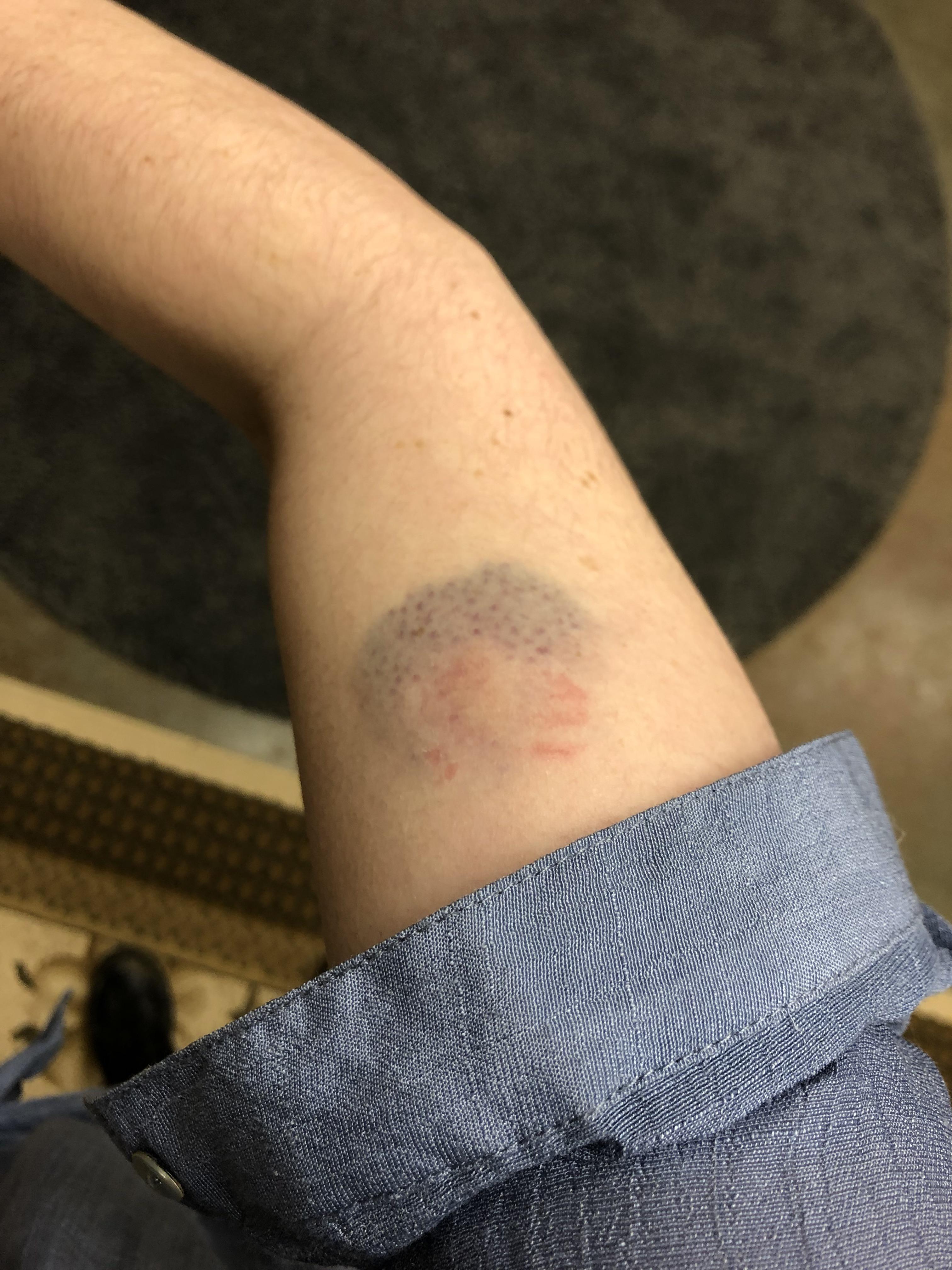
The risk of infection from a human bite is significant and can lead to serious complications if not treated promptly and properly. Infections can range from localized cellulitis to more severe conditions like abscesses, tenosynovitis, and septic arthritis. In rare but severe cases, infections can spread to the bloodstream, leading to bacteremia or sepsis, conditions that are potentially life-threatening.
Management and Treatment
The management of human bites involves careful assessment and cleaning of the wound, followed by the administration of antibiotics in many cases. The primary goal is to reduce the risk of infection by removing any debris, including bacteria, from the wound and then closing it, if possible, to promote healing. Tetanus prophylaxis may also be recommended, depending on the victim’s vaccination history. In some instances, especially with deep puncture wounds or clenched-fist injuries, surgical intervention may be necessary to drain abscesses or debride the wound.
Prevention Strategies
While accidents can happen, there are strategies to minimize the risk of human bites, particularly in situations where they are more likely to occur, such as in contact sports or altercations. Wearing appropriate protective gear, such as mouthguards in sports, and avoiding physical confrontations can significantly reduce the risk of sustaining a human bite.
Public Health Considerations
From a public health perspective, it’s essential to consider the potential for human bites to transmit blood-borne pathogens, such as HIV, hepatitis B, and hepatitis C, although the risk is relatively low compared to other modes of transmission. Nonetheless, individuals who have sustained human bites should be evaluated for the potential need for post-exposure prophylaxis (PEP) against these infections, depending on the circumstances of the bite and the HIV and hepatitis status of the person who inflicted the bite.
Conclusion
Human bites pose a significant risk of infection due to the diverse and potentially harmful microbial flora of the human mouth. Understanding the risks, recognizing the signs of infection early, and seeking prompt medical attention are critical for managing human bites effectively and preventing serious complications. Through a combination of proper wound care, antibiotic therapy when necessary, and preventive measures, individuals can protect themselves against the potential harms associated with human bites.
What should I do immediately after receiving a human bite?
+Immediately after receiving a human bite, wash the wound with soap and water. Apply an antibiotic ointment to the affected area and cover it with a bandage. It’s also crucial to seek medical attention as soon as possible to assess the risk of infection and the need for further treatment, including antibiotics or tetanus shots.
Can human bites transmit diseases like HIV or hepatitis?
+Yes, human bites can potentially transmit blood-borne pathogens such as HIV, hepatitis B, and hepatitis C. However, the risk is considered low. If you’ve been bitten, it’s essential to inform your healthcare provider so they can assess the risk and consider post-exposure prophylaxis (PEP) if appropriate.
How can I prevent human bites?
+Preventing human bites involves avoiding situations where they might occur, such as physical altercations. In sports or other activities where the risk of bite injuries is higher, wearing protective gear like mouthguards can reduce the risk. Additionally, being aware of your surroundings and managing conflicts peacefully can help prevent incidents that might lead to human bites.