
Brain Breaks for Kindergarten: Powerful Ways to Energize Learning
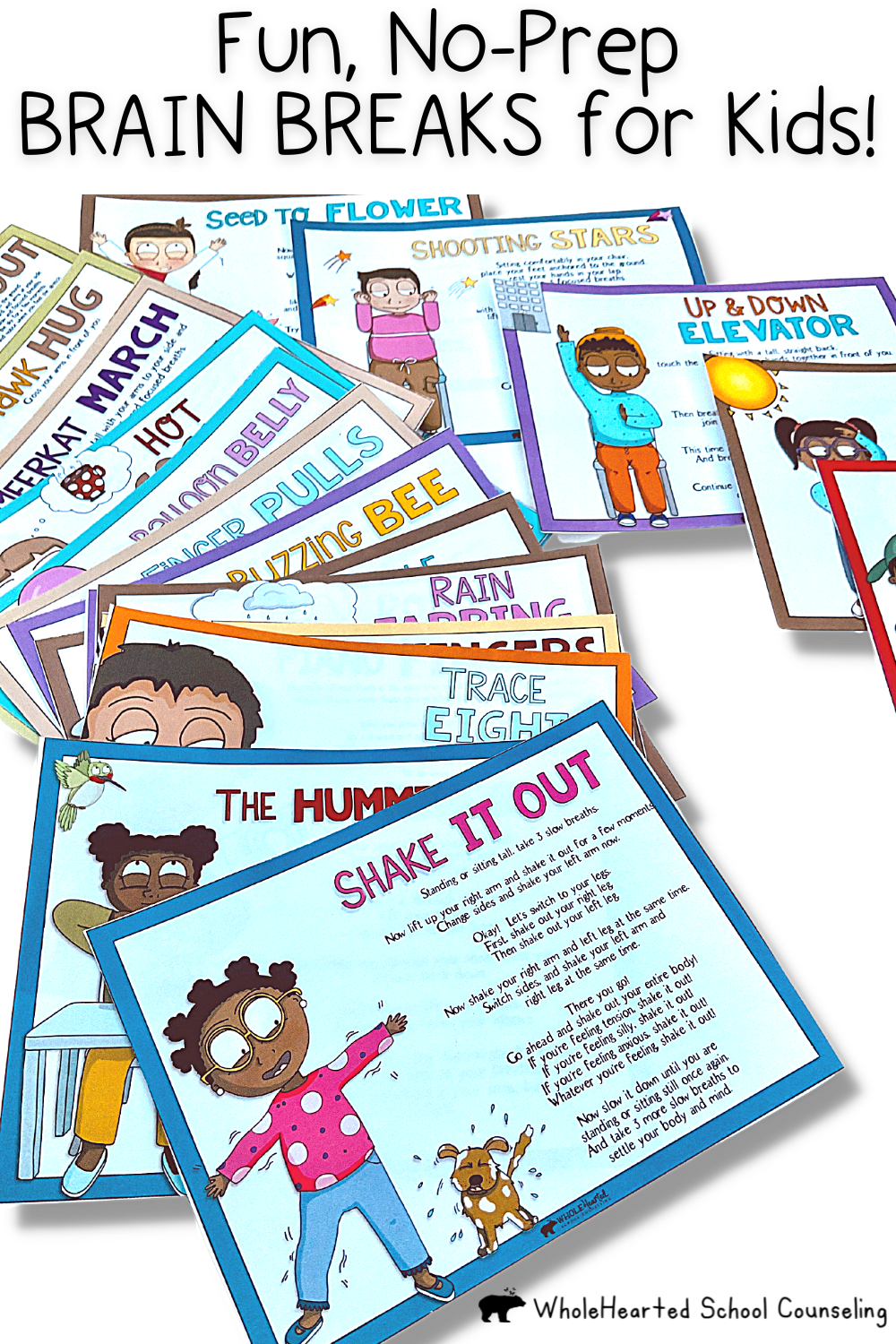
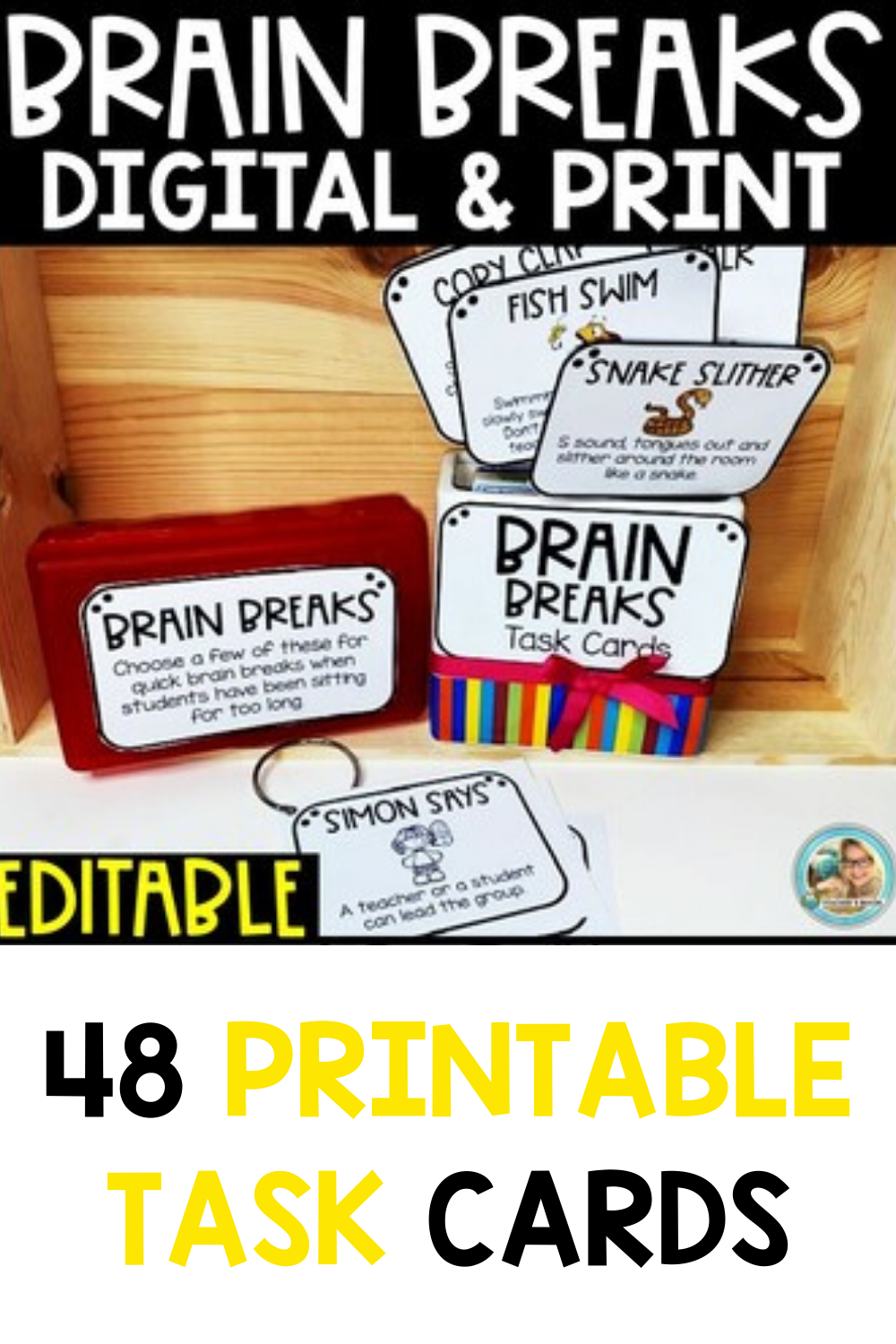
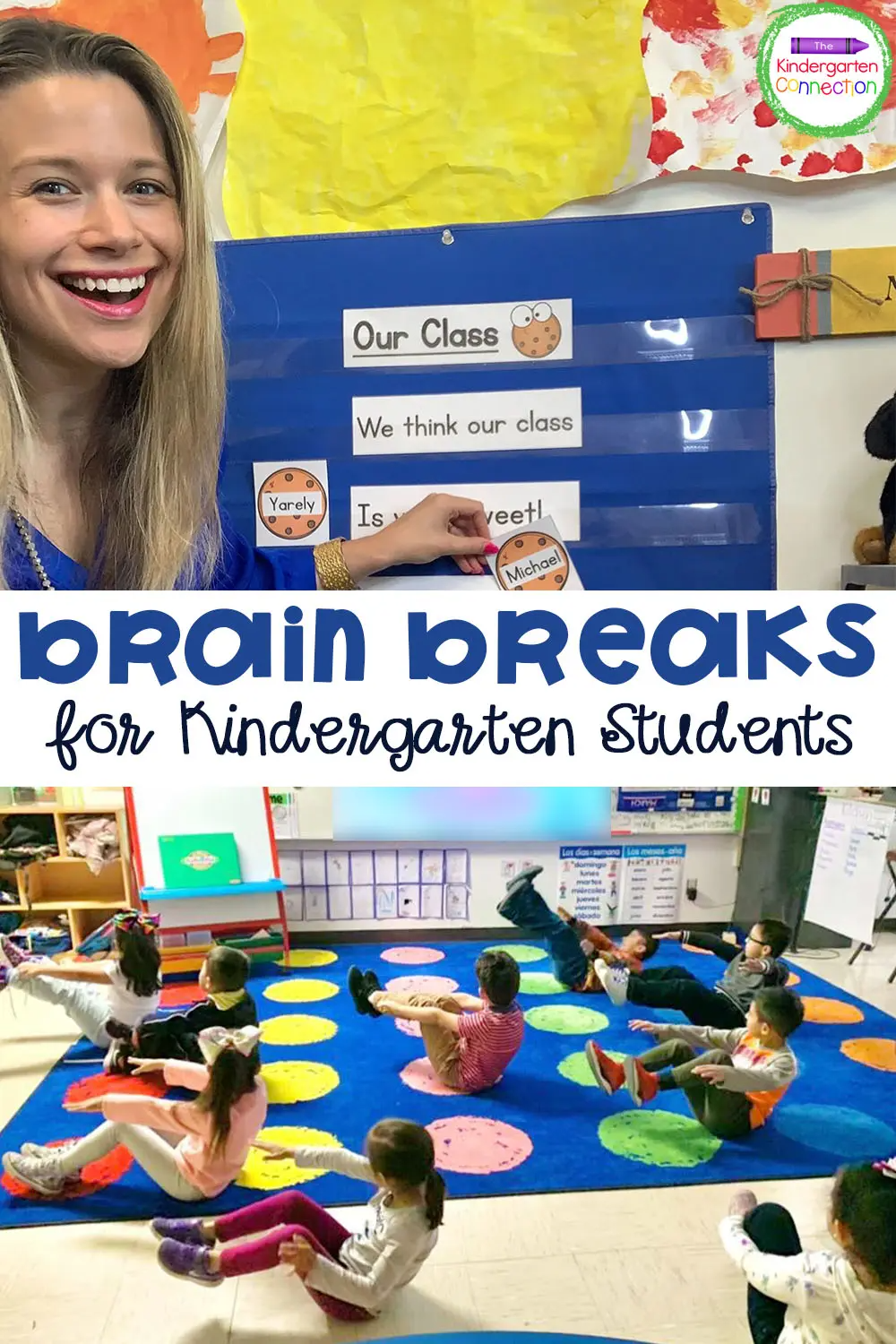
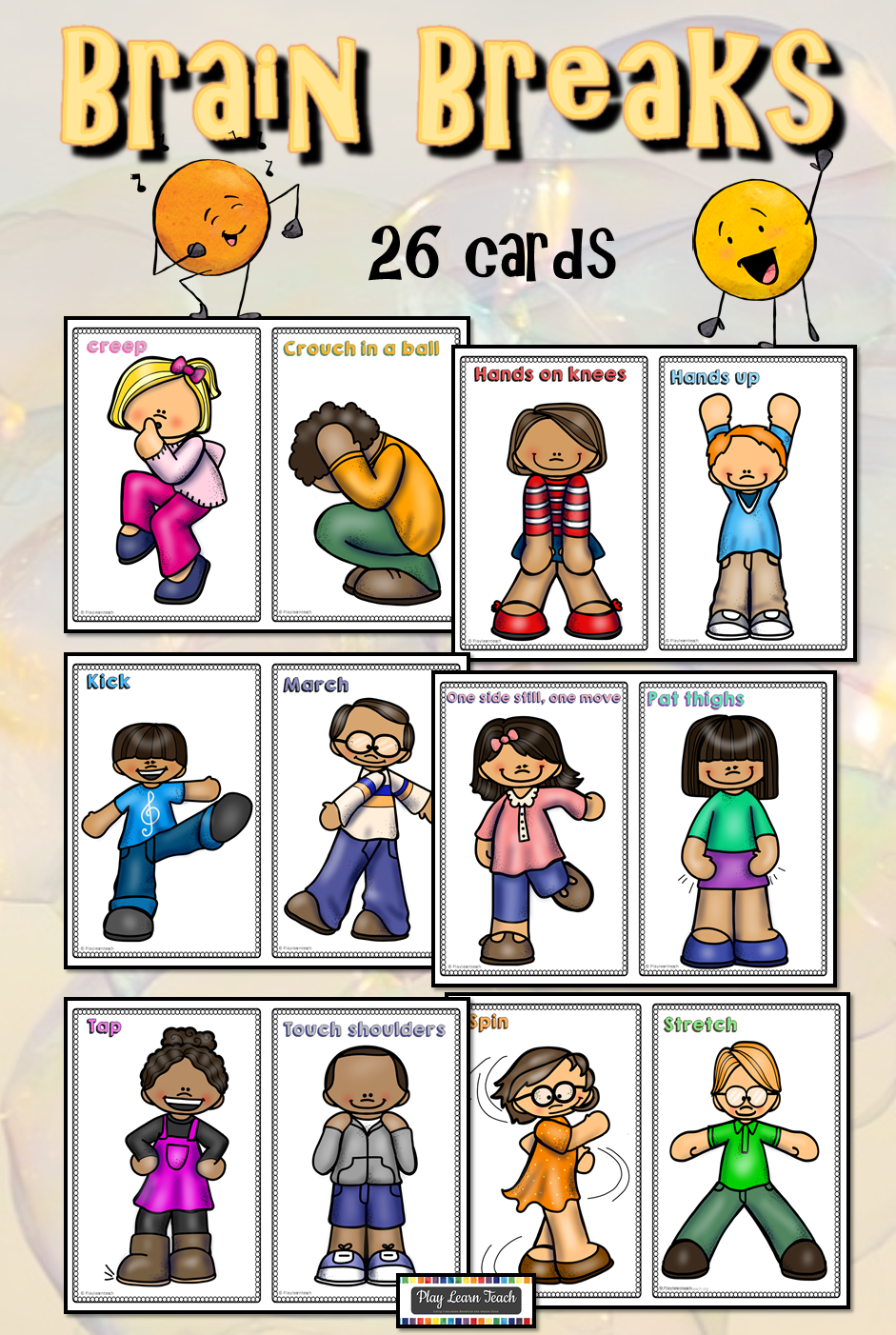
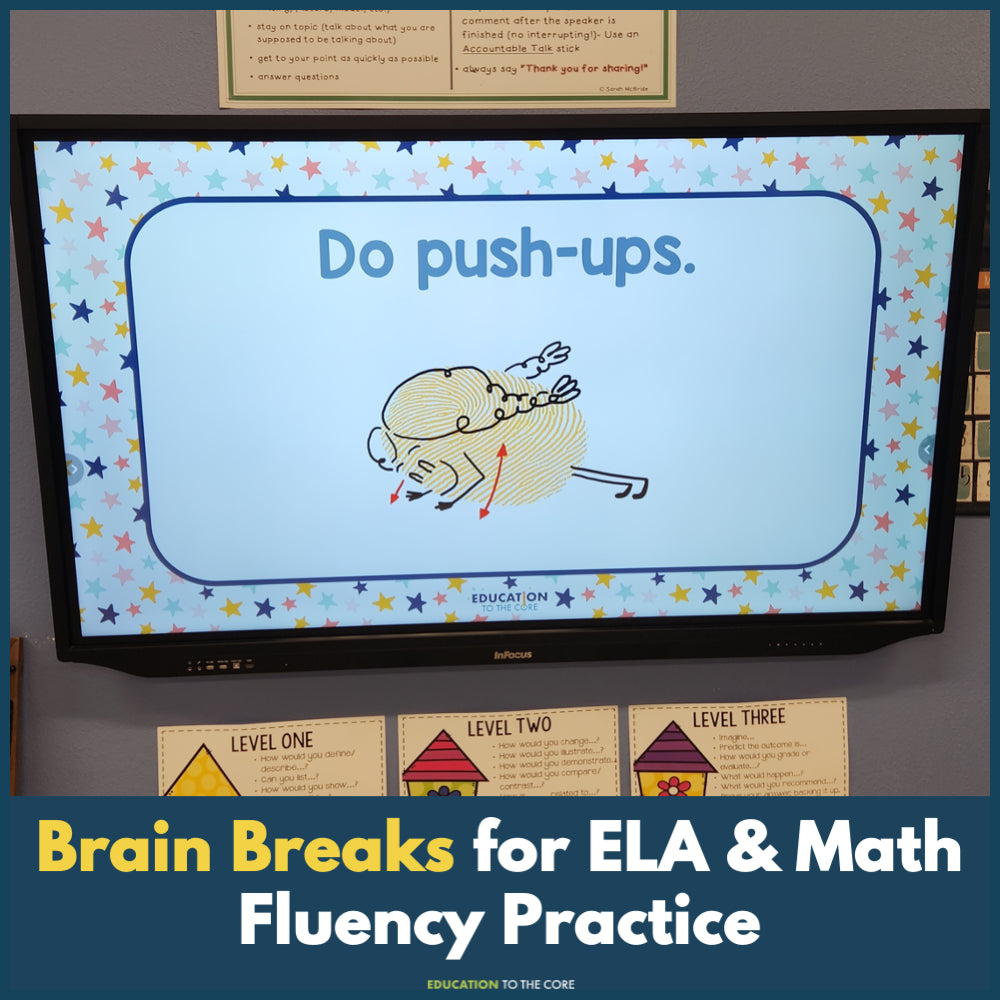
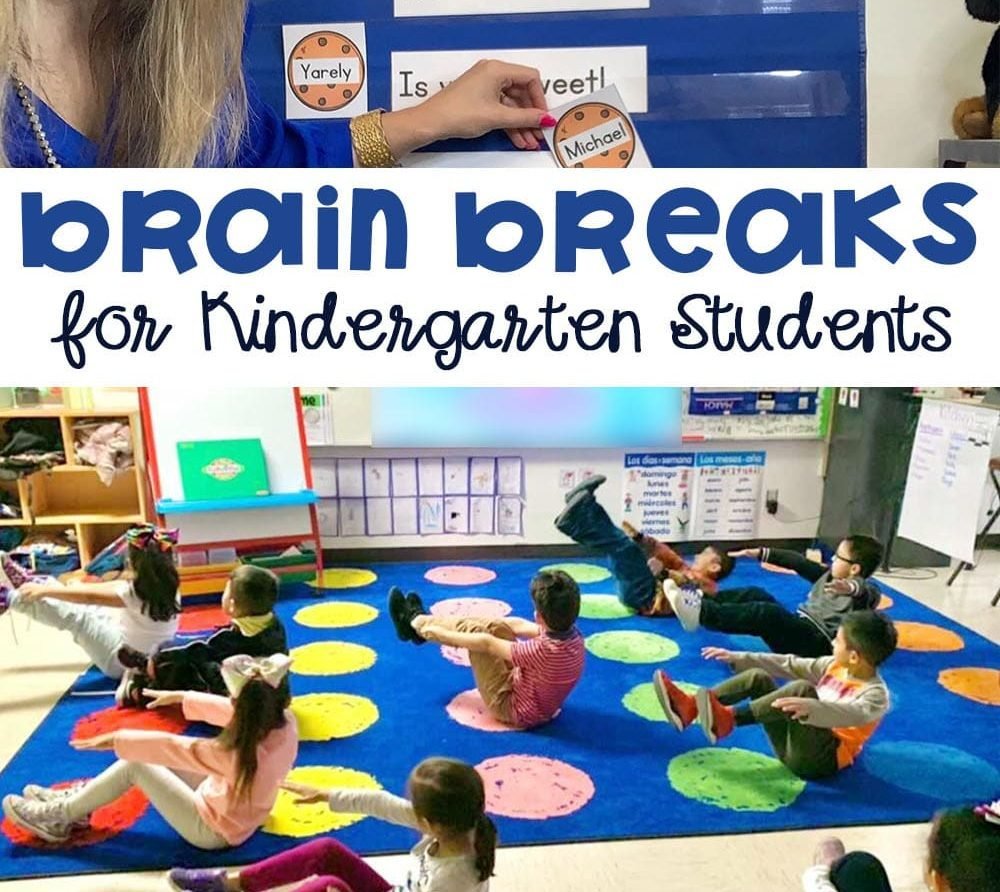
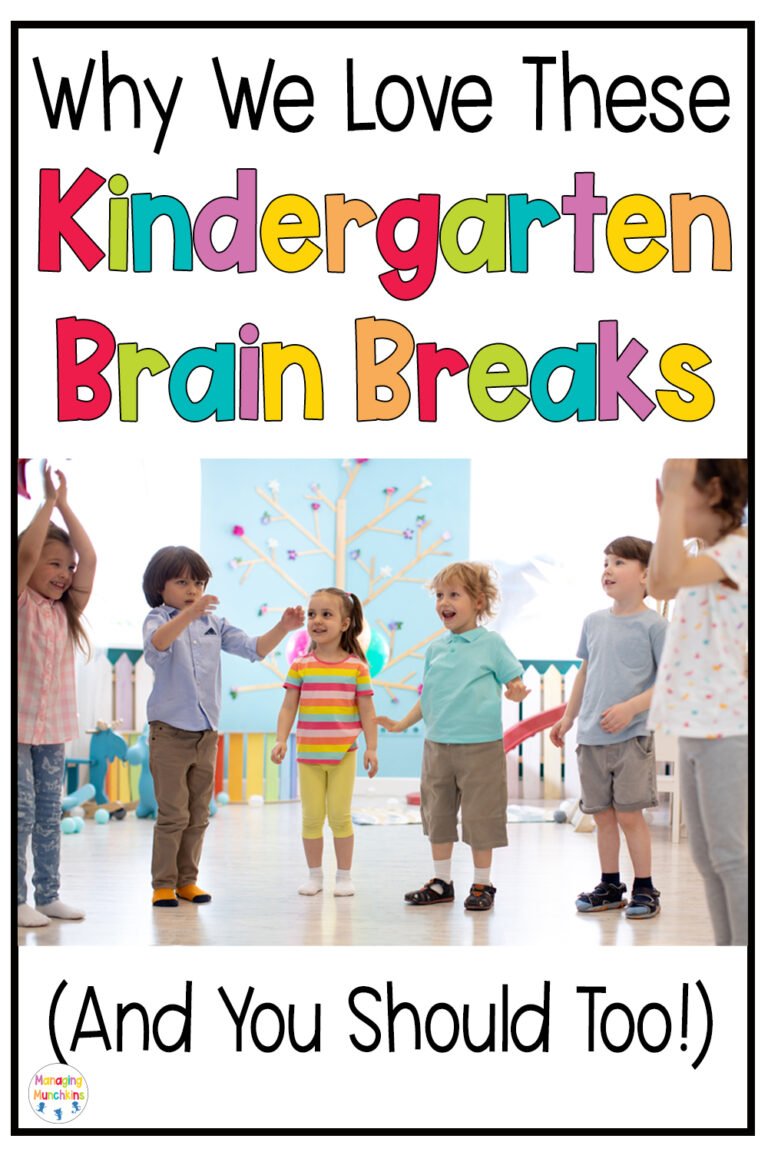
Brain breaks are essential tools for kindergarten teachers to keep their students engaged and focused. When looking into brain breaks for kindergarten, the details quickly stand out. These short activities provide a mental recharge, helping young learners stay alert and ready to learn.
Popular Options and Variations
There's a wide range of brain break activities to choose from, catering to different learning styles and preferences. Here are some popular options: For a closer look at something similar, my post on teacher kindergarten job covers the details.
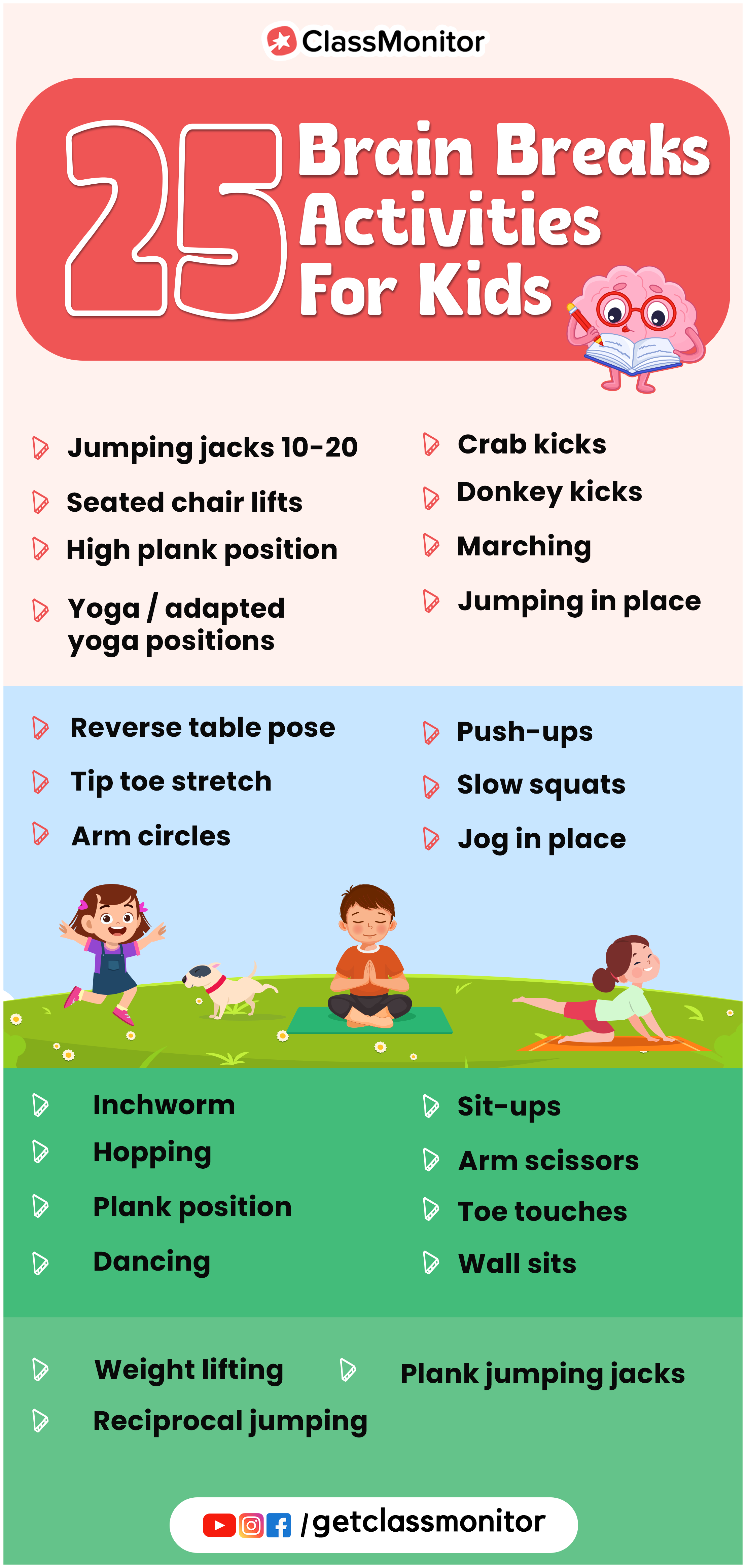
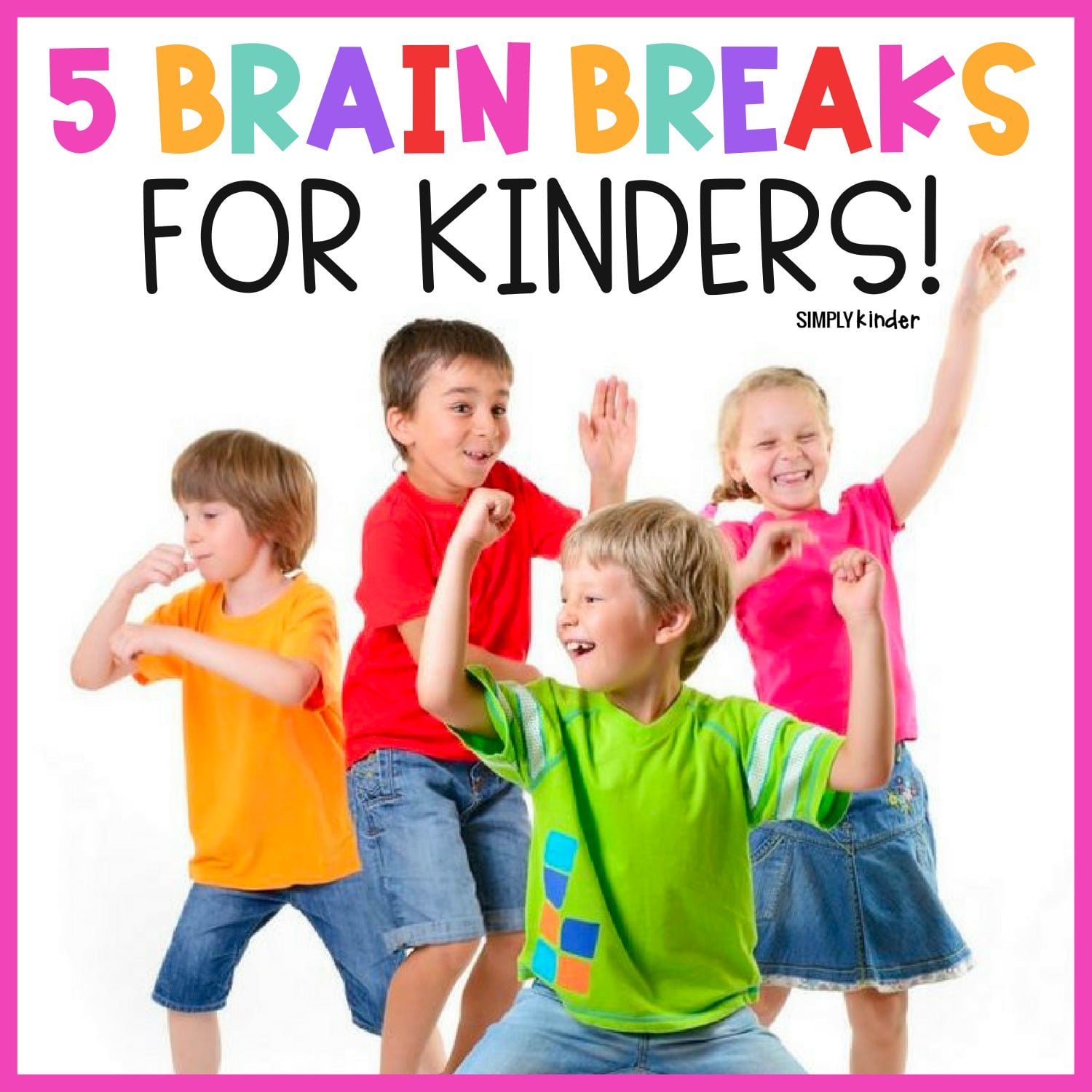
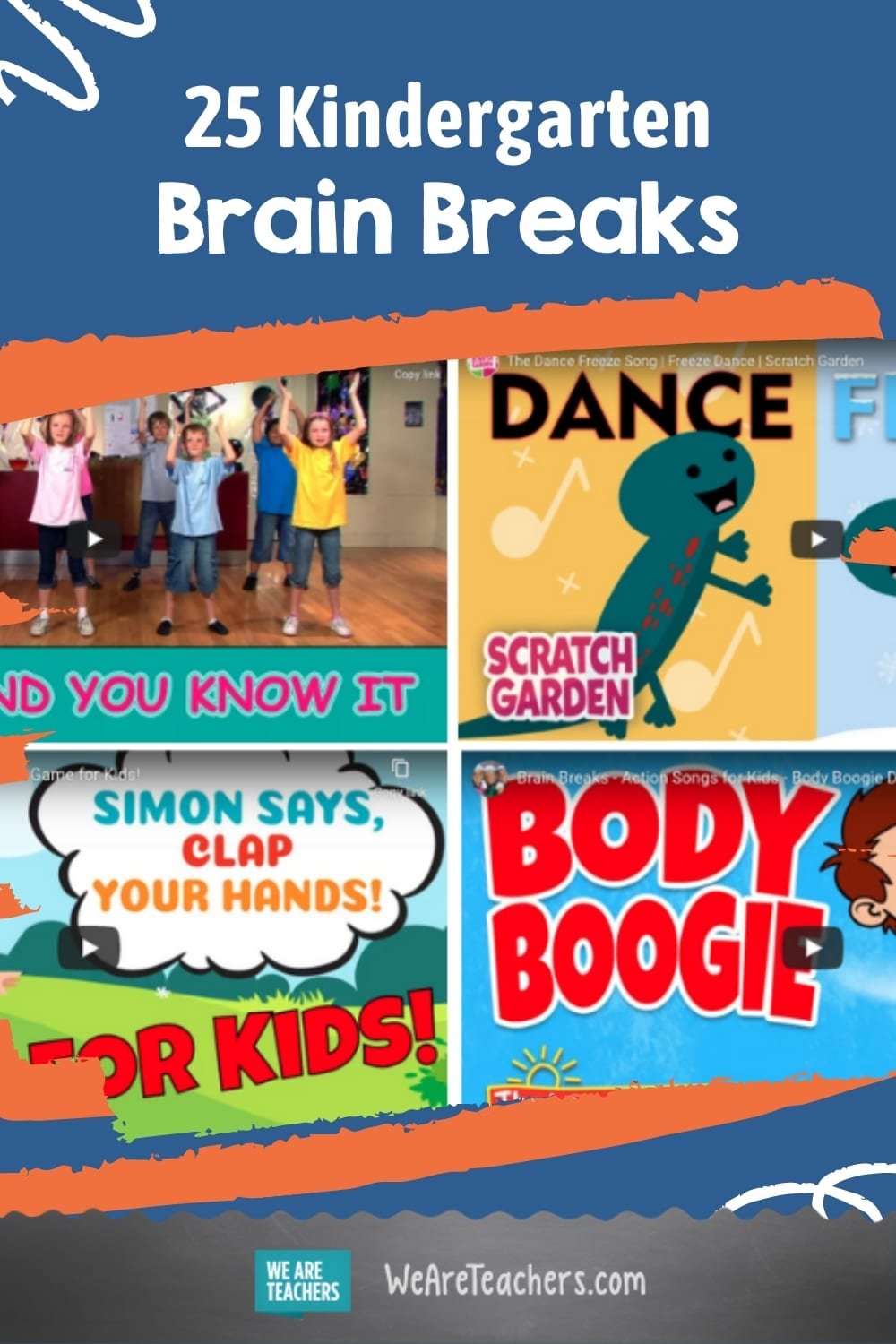
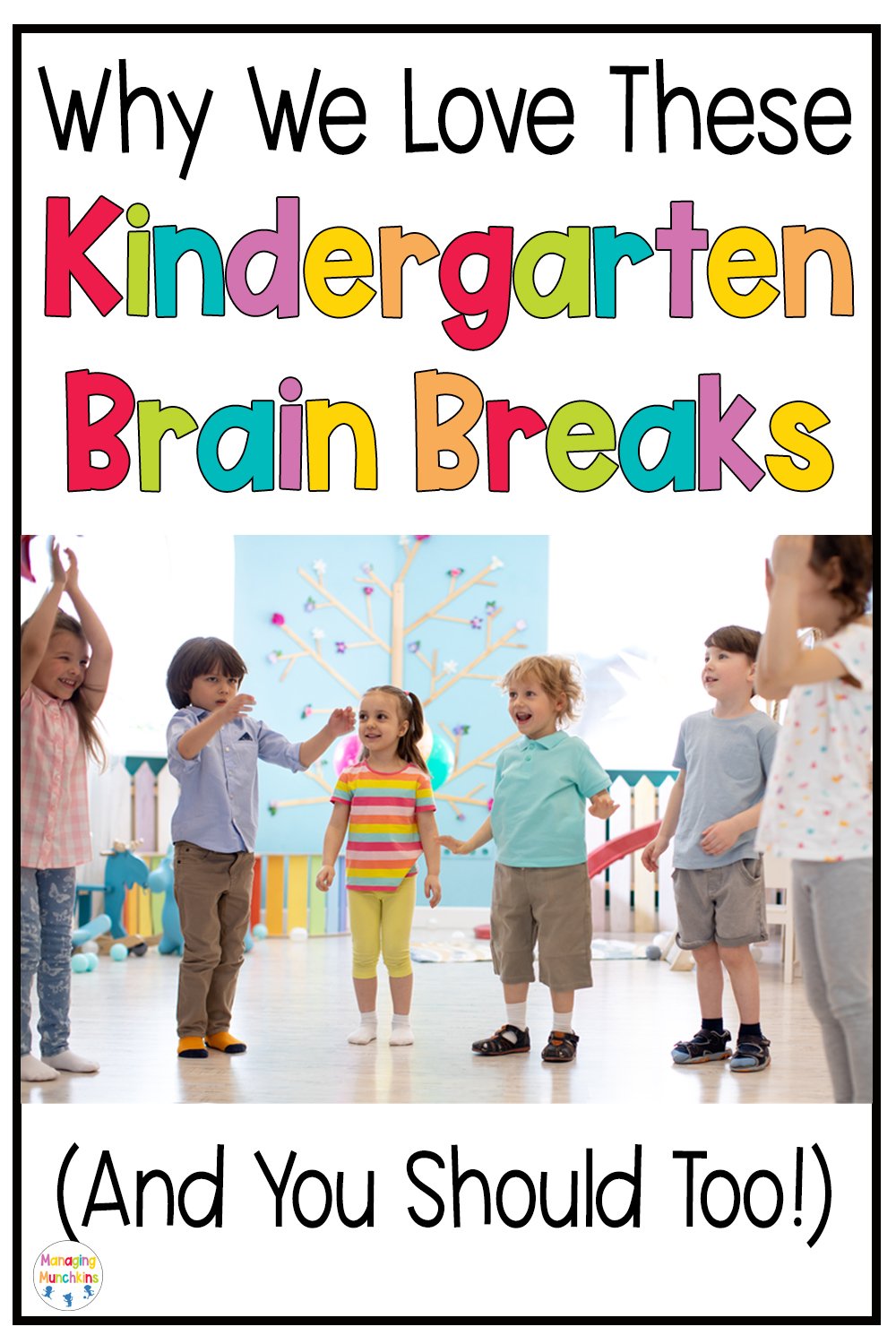
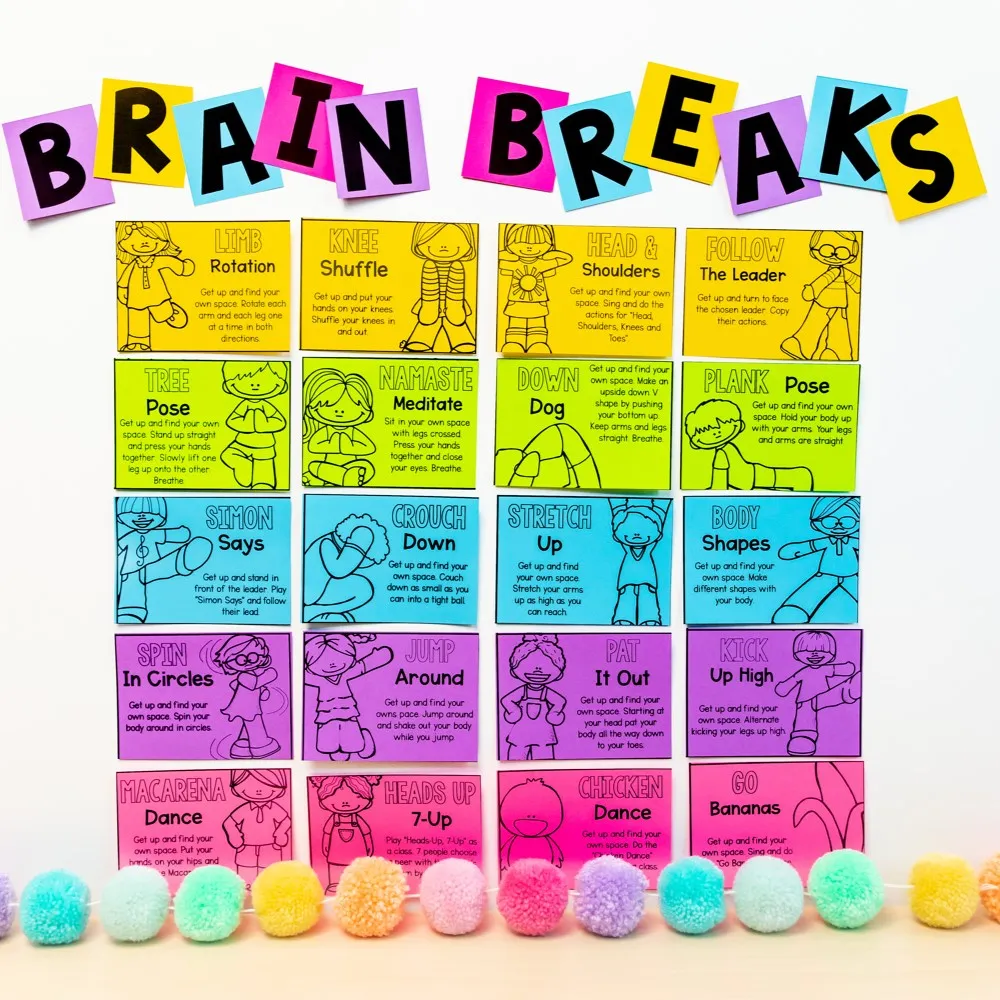
- Dance Breaks: Get students moving with energetic dances. Kindergarten Brain Break Dance videos offer fun routines to follow.
- Movement Songs: Sing and move along to songs designed for brain breaks. The Kiboomers have a great collection of movement songs for kids.
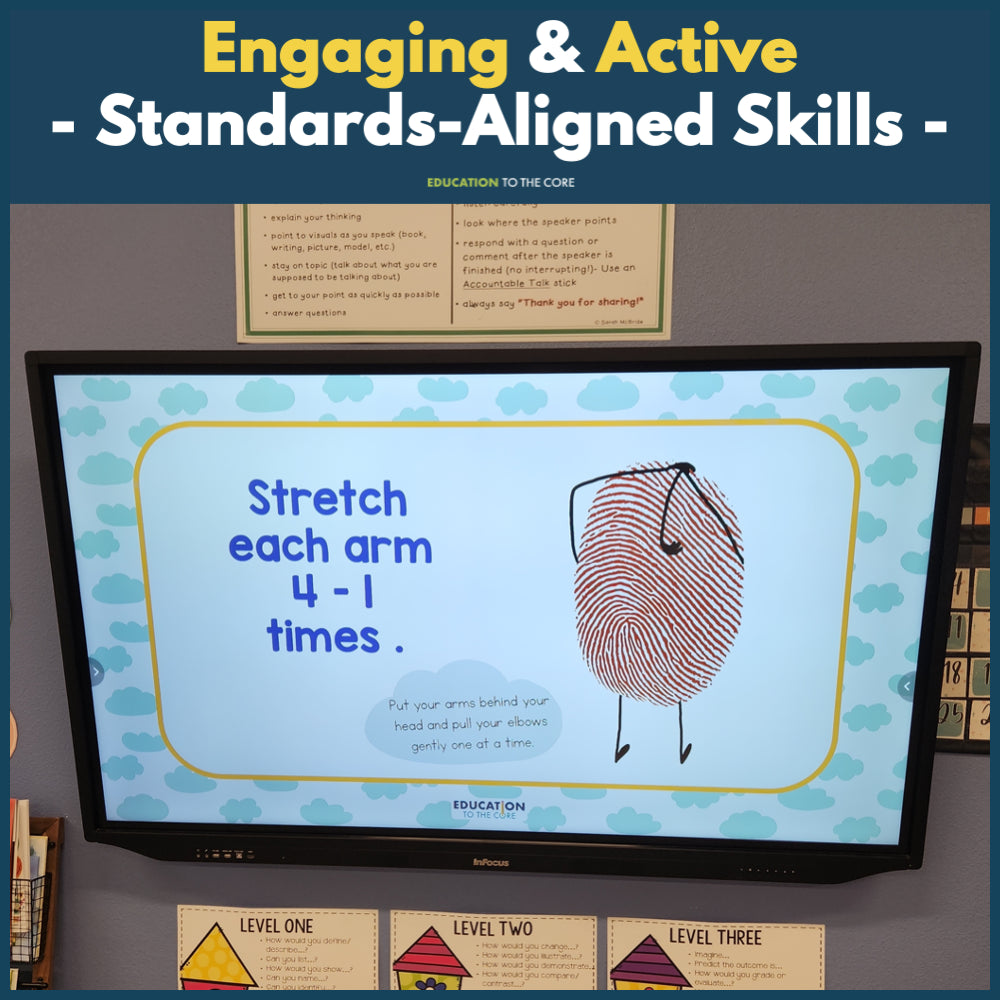
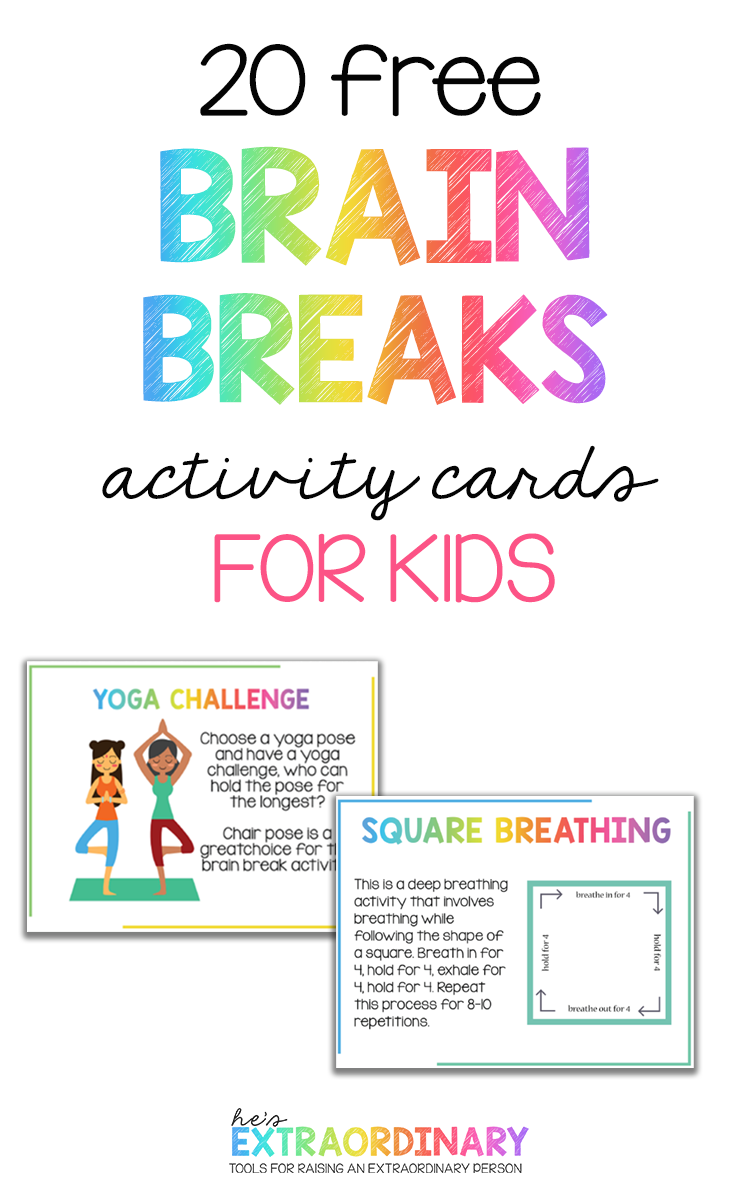
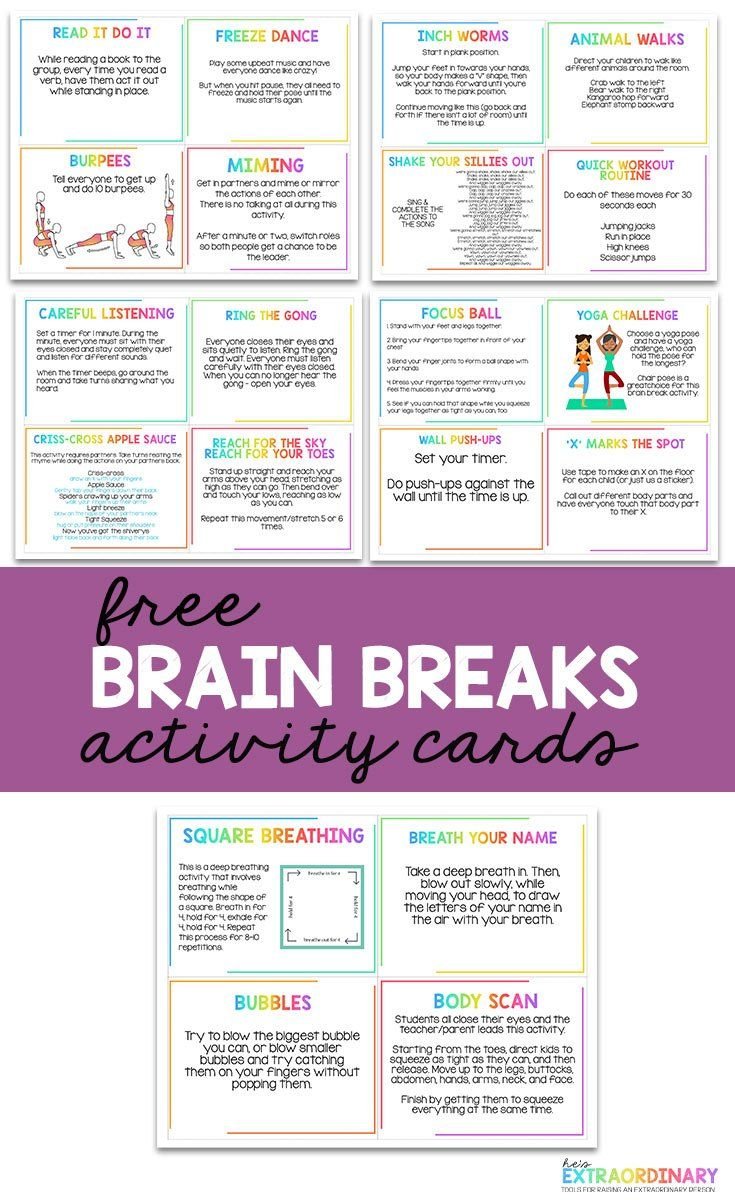
- Yoga and Stretching: Simple yoga poses and stretches can help students relax and refocus.
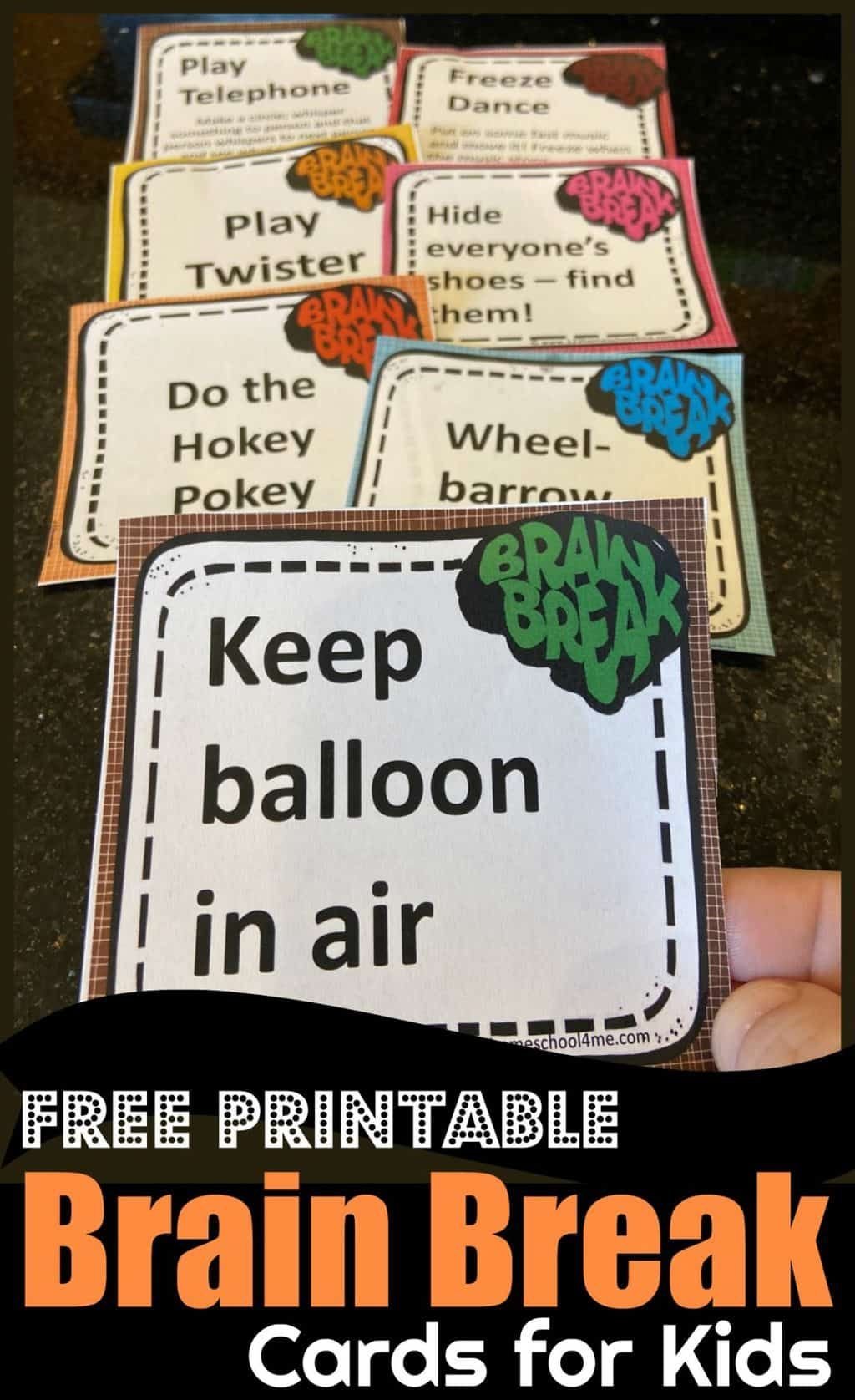
- Active Games: Play quick, active games like Simon Says or Red Light, Green Light to get everyone moving.
Materials and Styling
Most brain break activities require minimal materials, making them easy to prepare and implement. Here's a look at some essential items: You can also compare this directly with kindergarten math sheets to see how they stack up.
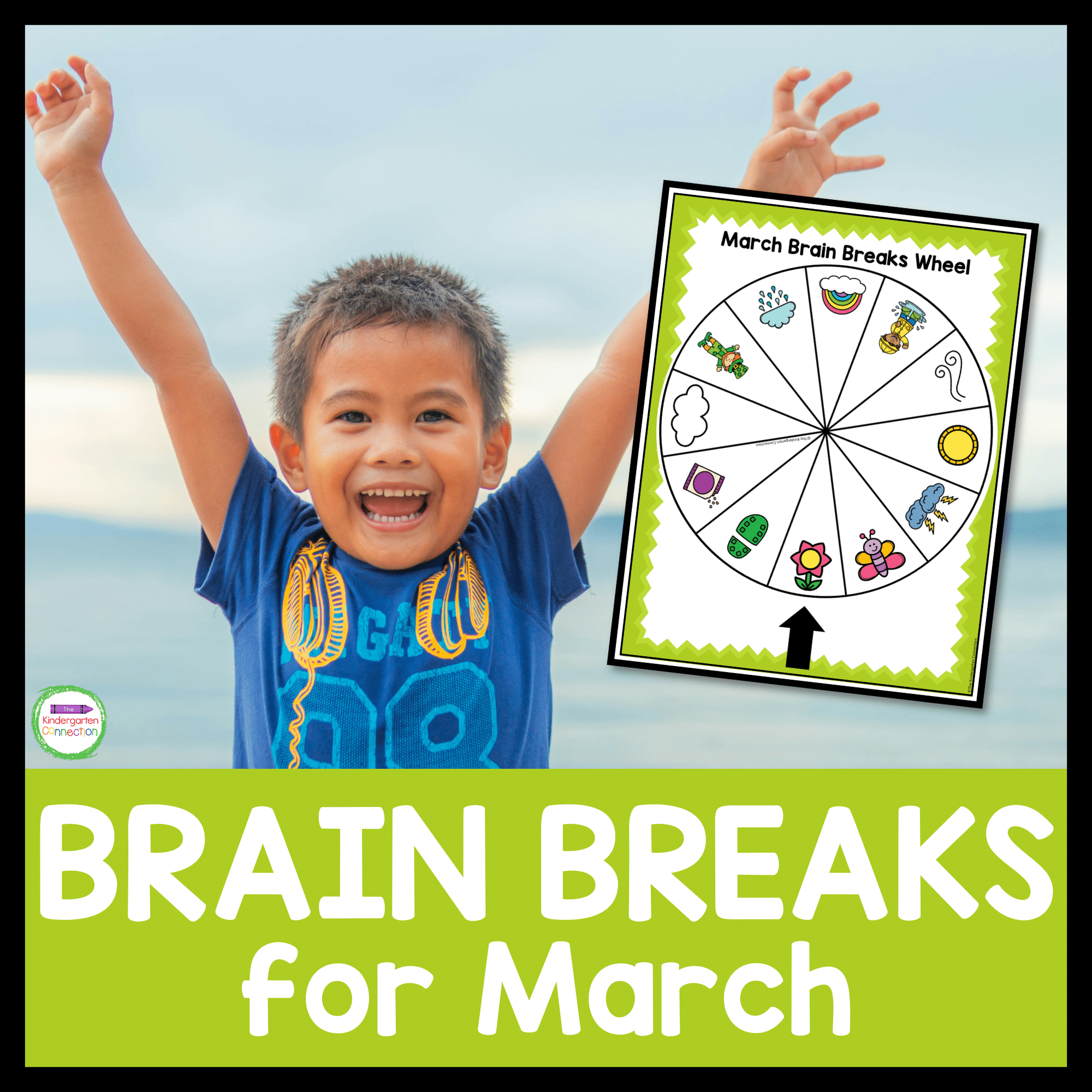
- Activity Books: Invest in activity books specifically designed for brain breaks. These offer a variety of ideas and can be a great resource.
- Music and Videos: Utilize music and video platforms like YouTube to access brain break songs and videos. Brain Breaks - YouTube has a dedicated playlist.
- Dance and Movement Props: Consider using props like scarves, ribbons, or simple instruments to enhance dance and movement activities.
Placement and Usage
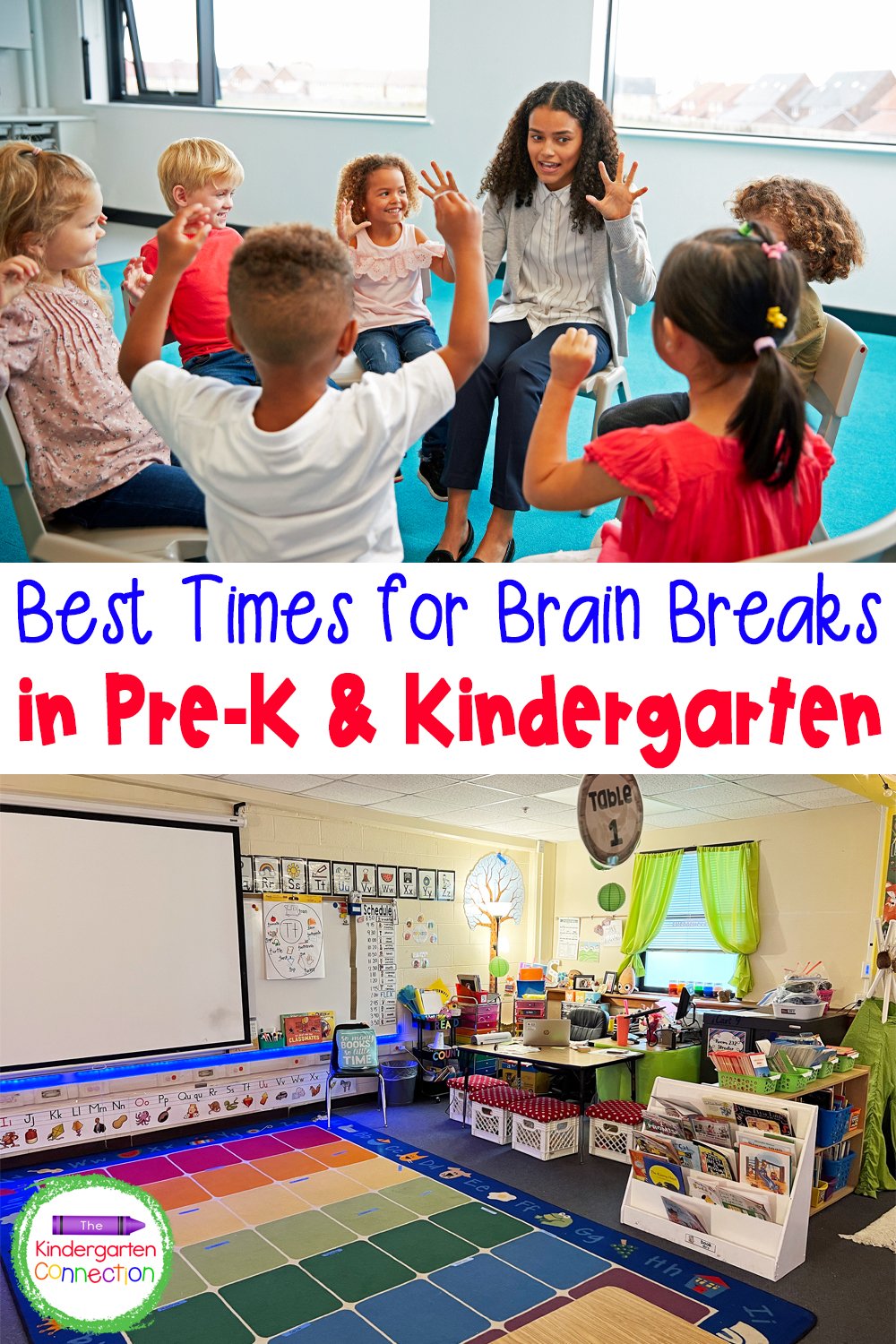
Brain breaks can be smoothly integrated into the kindergarten routine. Here's how: If you want another perspective, check out my notes on kindergarten cap and gown as well.
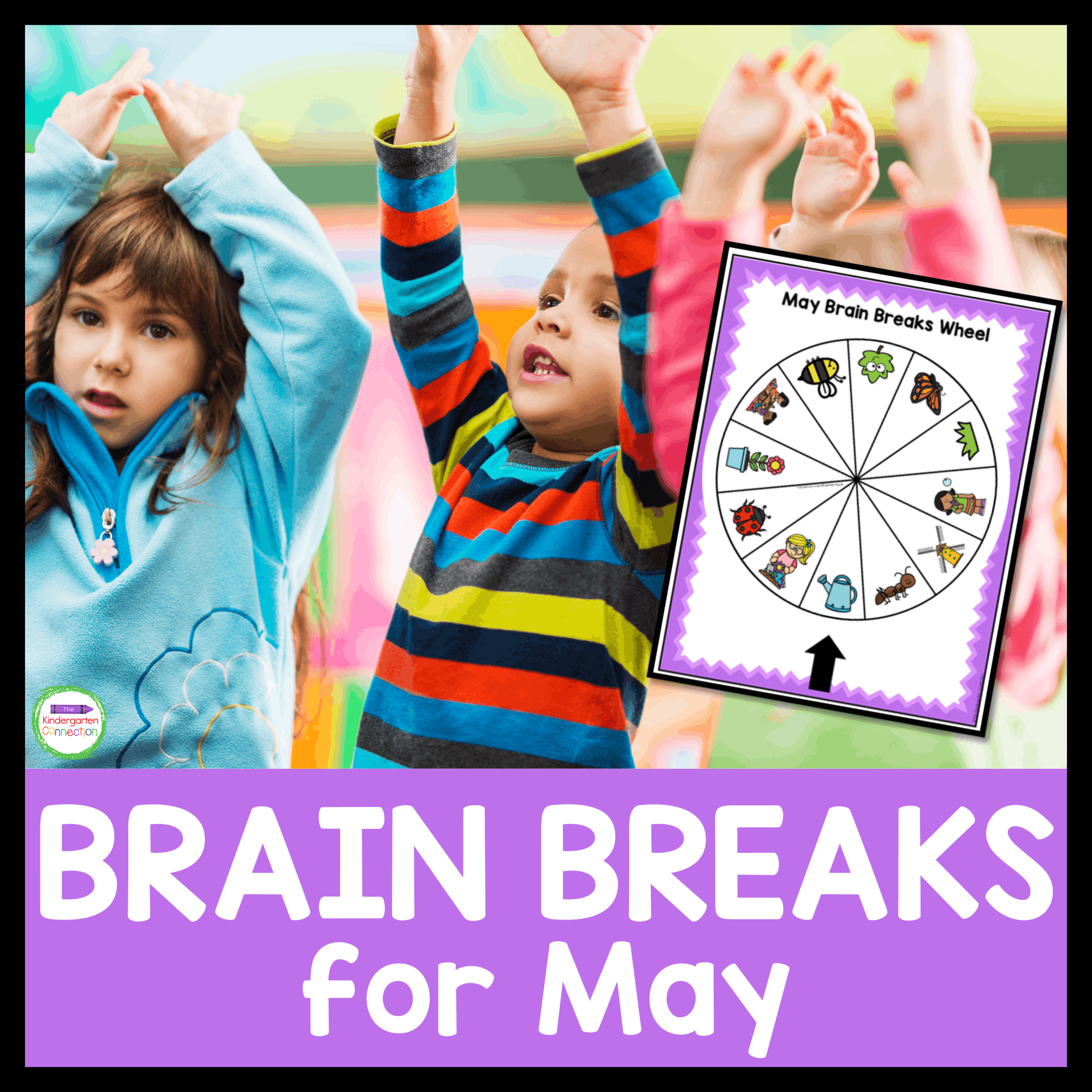
- Schedule Breaks: Plan brain breaks at regular intervals throughout the day. This could be after a challenging lesson or before a transition.
- Transition Tool: Use brain breaks as a way to ease transitions between activities, helping students refocus and prepare for the next task.
- Individual Breaks: Offer brain break options for individual students who may need a quick recharge during independent work time.
What to Check Before Implementing
While brain breaks are generally beneficial, it's important to consider a few factors: For a closer look at something similar, my post on kindergarten teacher salary covers the details.
- Space and Safety: Ensure you have enough space for active movements and that the activity is safe for all students.
- Inclusion: Choose brain break activities that are inclusive and accessible to all students, considering their physical abilities and comfort levels.
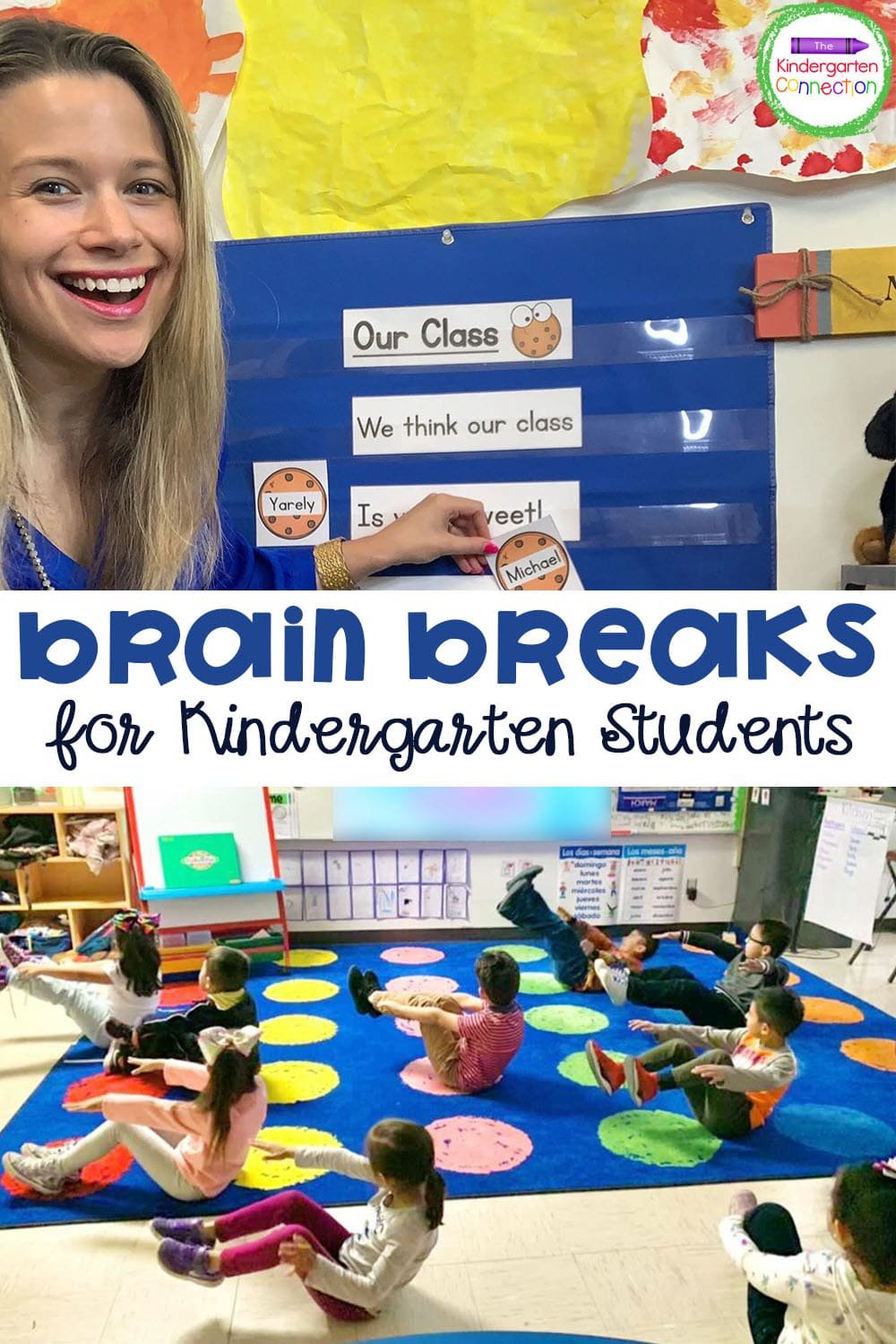
- Time Management: Keep brain breaks short and sweet to avoid disrupting the flow of the lesson. Aim for 1-2 minutes per break.
Remember, brain breaks are a powerful tool to keep kindergarteners engaged and ready to learn. With a variety of options and minimal preparation, they can be a fun and effective addition to your teaching toolkit. You can also compare this directly with kindergarten read alouds to see how they stack up.