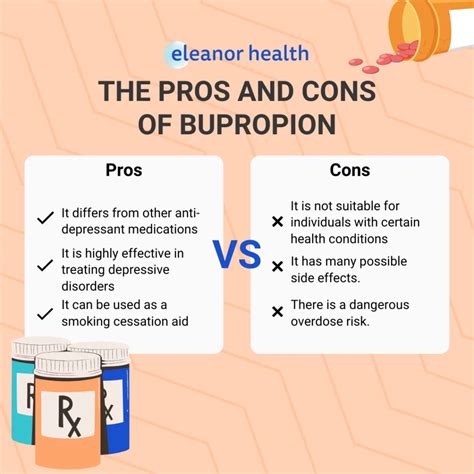
The introduction of bupropion, commonly known by its brand name Wellbutrin, marked a significant milestone in the treatment of depression and smoking cessation. This atypical antidepressant has been prescribed to millions of people worldwide, offering a unique mechanism of action that distinguishes it from other medications in its class. Despite its efficacy, bupropion, like all pharmaceuticals, comes with a range of potential side effects that users should be aware of to make informed decisions about their health.
Understanding Bupropion
Bupropion operates by affecting the balance of certain natural chemicals (neurotransmitters) in the brain. It works by increasing the levels of dopamine and norepinephrine, which play key roles in mood and motivation. This action is distinct from many other antidepressants, which primarily target serotonin. The unique mechanism of bupropion contributes to its therapeutic benefits but also to its side effect profile.
Common Side Effects
Most people who take bupropion experience mild side effects, if any. Common side effects include:
- Dry mouth: A decrease in saliva production can lead to dry mouth, which may increase the risk of tooth decay and other oral health issues.
- Nausea and vomiting: Gastrointestinal upset can occur, especially when starting the medication.
- Headache: Changes in neurotransmitter levels can lead to headache.
- Dizziness: This can happen due to the effects of bupropion on blood pressure and neurological function.
- Insomnia: Difficulty sleeping is a common side effect, reflecting the medication’s stimulant properties.
- Loss of appetite: Decreased appetite can lead to weight loss in some individuals.
- Constipation: Alterations in bowel habits can occur.
Serious Side Effects
While less common, serious side effects can occur with bupropion use. These include:
- Seizures: There is an increased risk of seizures, particularly at high doses or when combined with other medications that lower the seizure threshold.
- Psychosis: Rarely, bupropion can induce psychotic episodes in susceptible individuals.
- Suicidal thoughts: Like other antidepressants, bupropion carries a black box warning about the potential for increased suicidal thoughts, especially in children, adolescents, and young adults.
- Allergic reactions: Rare but potentially life-threatening allergic reactions can occur.
- Mania: In individuals with bipolar disorder, bupropion can trigger manic episodes.
Precautions and Interactions
It’s crucial for patients to discuss their medical history and current medications with their healthcare provider before starting bupropion. This medication can interact with a variety of drugs, including:
- Monoamine oxidase inhibitors (MAOIs): Concurrent use can lead to serious, potentially life-threatening interactions.
- Other antidepressants: Combining bupropion with other antidepressants can increase the risk of side effects, including serotonin syndrome.
- Sedatives and tranquilizers: These can increase the risk of seizures when used with bupropion.
Case Study: Managing Bupropion Side Effects
A 35-year-old woman, Kate, was prescribed bupropion for depression. Initially, she experienced nausea and dry mouth but found these side effects manageable with time and by drinking plenty of water. However, after a few weeks, she began to experience insomnia, which significantly impacted her daily life. Her healthcare provider adjusted her dosage and recommended relaxation techniques to help with sleep. Kate also started keeping a sleep diary to track her sleep patterns, which helped identify and address the issue.
Conceptual Exploration: Neurotransmitter Balance
Bupropion’s unique mechanism of action highlights the complex interplay of neurotransmitters in the brain. By understanding how dopamine and norepinephrine influence mood and motivation, researchers can develop more targeted treatments for depression and other mental health conditions. This approach also underscores the importance of personalized medicine, as individuals may respond differently to bupropion based on their unique neurochemical profiles.
Thought Experiment: Future of Antidepressant Development
Imagine a future where antidepressants are tailored to an individual’s specific brain chemistry. With advances in neuroimaging and genetic testing, it may become possible to predict which medications will be most effective for a given person. This could revolutionize the treatment of depression, reducing trial-and-error approaches and minimizing side effects. As researchers continue to explore the intricacies of the brain, we may uncover new targets for therapeutic intervention, leading to more effective and safer treatments.
Step-by-Step Guide to Minimizing Side Effects
- Start with a low dose: Gradually increasing the dosage can help the body adjust to the medication.
- Monitor side effects: Keep a journal to track any side effects and discuss them with your healthcare provider.
- Stay hydrated: Drinking plenty of water can help with dry mouth and other side effects.
- Establish a sleep routine: Regular sleep patterns can help mitigate insomnia.
- Follow up regularly: Regular check-ins with your healthcare provider can help adjust the treatment plan as needed.
What are the most common side effects of bupropion?
+The most common side effects include dry mouth, nausea, headache, dizziness, insomnia, loss of appetite, and constipation. These side effects are usually mild and may decrease over time.
Can bupropion increase the risk of suicidal thoughts?
+How does bupropion interact with other medications?
+Bupropion can interact with a variety of medications, including MAOIs, other antidepressants, and certain sedatives. Always inform your healthcare provider about all medications and supplements you are taking to avoid potentially dangerous interactions.
Can bupropion be used for smoking cessation?
+What should I do if I experience serious side effects from bupropion?
+If you experience serious side effects, such as seizures, psychotic episodes, or severe allergic reactions, seek immediate medical attention. For less severe side effects, consult your healthcare provider to adjust your treatment plan.
Can I stop taking bupropion at any time?
+No, do not stop taking bupropion without consulting your healthcare provider. Stopping the medication abruptly can lead to withdrawal symptoms. Your provider will guide you on how to safely taper off the medication if necessary.
In conclusion, while bupropion is an effective medication for depression and smoking cessation, it’s essential to be aware of its potential side effects. By understanding these risks and working closely with a healthcare provider, individuals can make informed decisions about their treatment and minimize the occurrence of unwanted effects. The journey to mental health and wellness is unique to each individual, and medications like bupropion can be a valuable part of this journey when used responsibly and with awareness.