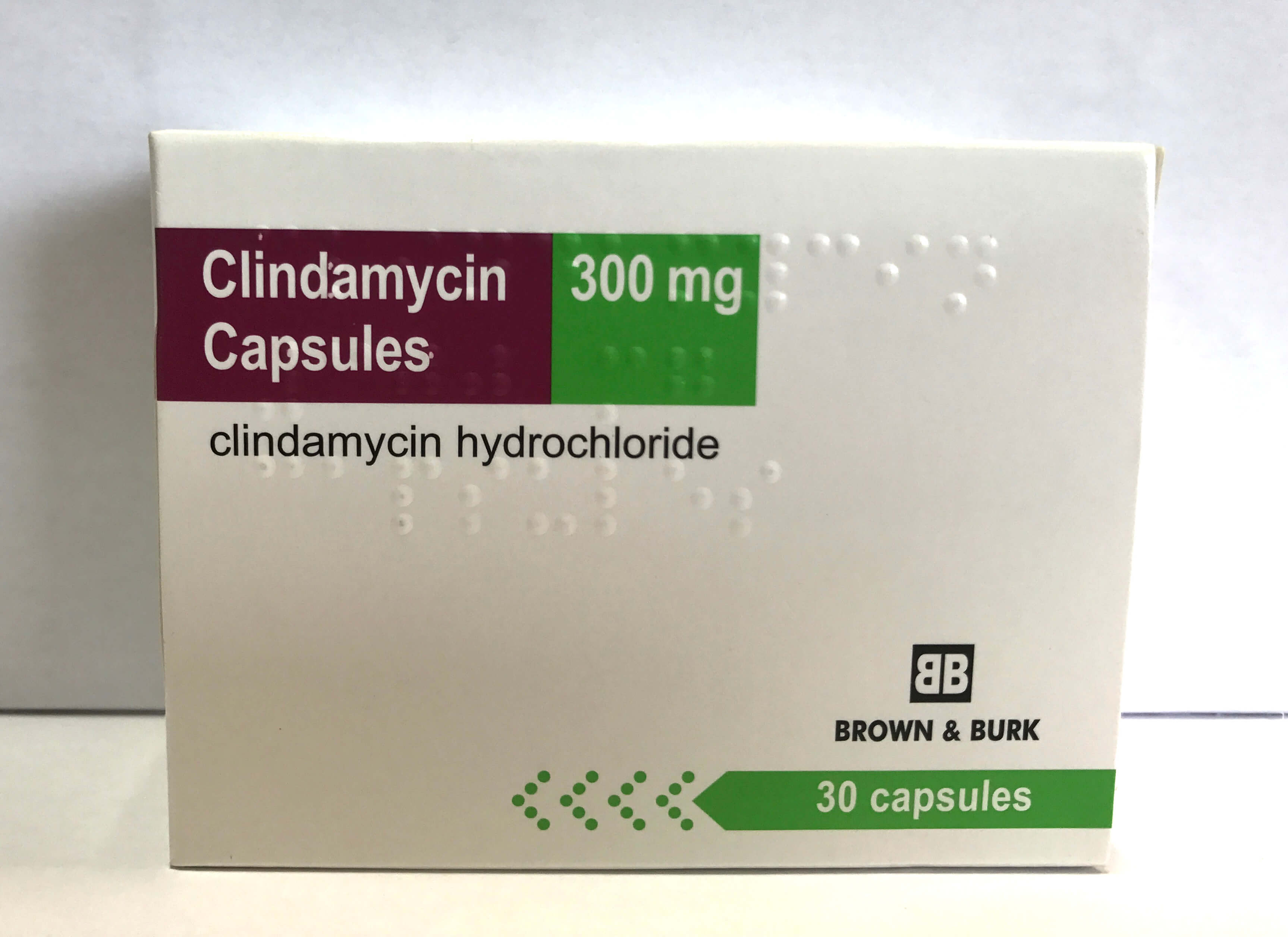
The combination of clindamycin and benzoyl peroxide in a topical gel formulation has been a significant advancement in the treatment of acne vulgaris. This medication is designed to target multiple pathways involved in the development of acne, providing a comprehensive approach to managing this common skin condition.
Understanding Acne Before delving into the specifics of clindamycin benzoyl peroxide gel, it’s essential to understand the basics of acne. Acne is a skin condition characterized by the occurrence of comedones (blackheads and whiteheads), papules, pustules, and sometimes cysts and nodules. It results from a combination of factors, including excessive oil production, clogged pores, inflammation, and the presence of bacteria, particularly Propionibacterium acnes (P. acnes).
Mechanism of Action Clindamycin benzoyl peroxide gel combines two active ingredients with complementary mechanisms of action:
Clindamycin: This is a lincosamide antibiotic that works by inhibiting protein synthesis in bacteria, thereby reducing the population of P. acnes and other bacteria that can contribute to acne. Clindamycin also has anti-inflammatory properties, which can help reduce the redness and swelling associated with acne lesions.
Benzoyl Peroxide: This ingredient has several effects beneficial in treating acne. It kills P. acnes bacteria, reduces the population of these bacteria on the skin, and has a mild drying and peeling effect, which helps to unclog pores and prevent new acne lesions from forming. Additionally, benzoyl peroxide has anti-inflammatory effects.
Benefits of Combination Therapy Using clindamycin and benzoyl peroxide in combination offers several benefits over monotherapy with either agent:
- Enhanced Efficacy: The combination can be more effective than either drug alone in reducing the number of acne lesions and improving the appearance of the skin.
- Reduced Resistance: Combining an antibiotic like clindamycin with a non-antibiotic acne treatment like benzoyl peroxide can help reduce the risk of developing antibiotic resistance.
- Broad Spectrum of Action: This combination targets multiple factors involved in acne pathogenesis, including bacterial colonization, inflammation, and comedone formation.
Usage and Application Clindamycin benzoyl peroxide gel is typically applied once or twice daily to the affected areas of the skin. It’s essential to follow the instructions provided by a healthcare professional and to be consistent with application to see optimal results. Patients should also be advised on the proper technique for applying the gel to minimize irritation and maximize efficacy.
Potential Side Effects and Precautions Common side effects of clindamycin benzoyl peroxide gel may include dryness, redness, itching, and burning of the skin. These effects are usually mild to moderate and may decrease as the skin becomes more tolerant to the medication. However, in some cases, more severe side effects can occur, such as severe allergic reactions. It’s crucial for patients to report any unusual or severe reactions to their healthcare provider.
Additionally, precautions should be taken to avoid applying the gel to sensitive areas or Broken skin and avoiding excessive exposure to sunlight or UV radiation, as benzoyl peroxide can increase the skin’s sensitivity to the sun.
Real-World Application and Case Studies The effectiveness of clindamycin benzoyl peroxide gel has been demonstrated in various clinical trials and real-world studies. For instance, a study published in the Journal of Clinical and Aesthetic Dermatology found significant improvements in acne severity and quality of life in patients treated with this combination therapy compared to those treated with either agent alone. Another case series reported in Dermatology Times highlighted the success of clindamycin benzoyl peroxide gel in treating moderate to severe acne in patients who had failed other treatments.
Future Trends and Developments As the field of dermatology continues to evolve, it’s likely that new formulations and combinations of topical therapies will be developed to address the complex needs of acne patients. The use of nanotechnology to enhance the delivery of active ingredients, combination products that include SPF to protect against UV damage, and the development of new anti-acne agents with novel mechanisms of action are areas of ongoing research.
Frequently Asked Questions
What are the common side effects of clindamycin benzoyl peroxide gel?
+Common side effects include dryness, redness, itching, and burning of the skin. These are usually mild to moderate and may decrease over time as the skin becomes more tolerant to the medication.
Can I use clindamycin benzoyl peroxide gel if I'm pregnant or breastfeeding?
+It's essential to consult with a healthcare provider before using any medication during pregnancy or breastfeeding. The safety of clindamycin benzoyl peroxide gel in these situations is not well-studied, and alternative treatments might be recommended.
How long does it take to see results from using clindamycin benzoyl peroxide gel?
+Improvements in acne can be seen within a few weeks of starting treatment, but it may take several months to achieve the full effect. Consistency with application and patience are key, as acne treatment is a process that requires time and adherence to the prescribed regimen.
In conclusion, clindamycin benzoyl peroxide gel represents a valuable treatment option for patients with acne, offering a dual mechanism of action that targets both the bacterial and inflammatory components of the disease. By understanding its benefits, potential side effects, and proper usage, individuals can make informed decisions about their acne treatment and work towards achieving healthier, clearer skin.