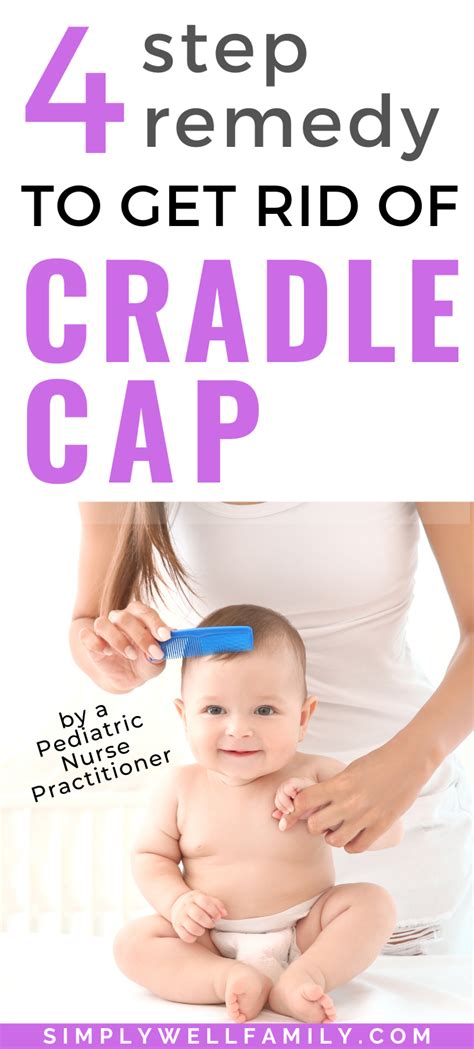
The appearance of cradle cap, also known as infantile seborrhoeic dermatitis, can be a concerning issue for parents. Characterized by a yellowish, oily, scaly crust on a baby’s scalp, it is a common condition affecting many infants. Despite its prevalence, cradle cap often prompts questions about the best approach for treatment, with many seeking fast and gentle cures.
Understanding Cradle Cap
Before delving into treatment options, it’s essential to understand the underlying causes of cradle cap. While the exact cause remains unclear, several factors are believed to contribute to its development, including:
- Overproduction of Oil: Infants produce more skin oil, which can lead to the buildup of scales.
- Hormonal Factors: Hormones passed from mother to baby before birth may play a role.
- Sensitive Skin: Reactivity to certain products or environmental factors might trigger an inflammatory response.
Fast and Gentle Treatments
Fortunately, cradle cap is typically not a serious condition and can be treated with gentle, over-the-counter remedies and home care techniques. Here are some approaches that have been found effective:
Gentle Shampooing: Massaging the scalp with a gentle baby shampoo, specifically designed for cradle cap, can help loosen the scales. It’s crucial to choose a shampoo that is fragrance-free and hypoallergenic to minimize the risk of irritating the baby’s sensitive skin.
Soft Brushing: Using a soft-bristled brush or a fine-tooth comb to gently remove the loosened scales after shampooing can be effective. This method should be done with care to avoid causing discomfort or breaking the skin.
Olive Oil Application: Applying olive oil to the scalp and leaving it on for a few hours before shampooing can help soften and loosen the scales, making them easier to remove. This natural approach is gentle on the skin and can be very effective.
Coconut Oil and Tea Tree Oil Combination: While tea tree oil should be used with caution due to its potency, a very dilute solution combined with coconut oil might help combat fungal infections that could be contributing to the condition. However, it’s essential to consult with a healthcare professional before applying any new substances to the baby’s skin.
Medical Shampoos: In more severe cases, a doctor may recommend a medicated shampoo. These shampoos often contain ingredients like ketoconazole, which can help reduce the infection and scaling. However, they should only be used under the guidance of a healthcare professional.
Home Remedies and Prevention
In addition to these treatments, several home remedies and preventive measures can help manage and potentially prevent cradle cap:
- Keep the Scalp Clean: Regular gentle washing can prevent the buildup of oil and scales.
- Reduce Oil Production: Try to minimize the use of oily products on the baby’s scalp.
- Dietary Changes: For breastfeeding mothers, adjusting the diet to reduce the intake of trigger foods might help, though this is more speculative and should be discussed with a healthcare provider.
When to Consult a Doctor
While cradle cap is generally harmless, there are situations where consulting a doctor is advisable:
- If the Condition Worsens: Despite trying various treatments, if the cradle cap persists or worsens.
- Signs of Infection: Presence of redness, swelling, or discharge, which could indicate a secondary infection.
- If the Baby Shows Discomfort: Excessive crying, irritability, or avoidance of head contact, which could suggest pain or discomfort.
Conclusion
Cradle cap, though unsightly and sometimes uncomfortable for the baby, is a relatively common and treatable condition. By understanding its causes and employing gentle, effective treatments, parents can help their babies feel more comfortable and reduce the appearance of the condition. Always remember to consult with a healthcare professional for personalized advice, especially if the condition seems severe or if there are concerns about the baby’s comfort or health.
What is the main cause of cradle cap in babies?
+The exact cause of cradle cap, or infantile seborrhoeic dermatitis, is not fully understood, but it is believed to be related to the overproduction of skin oil, hormonal factors, and possibly sensitivity to certain products or environmental factors.
How can I treat cradle cap at home?
+Gentle shampooing with a baby shampoo specifically designed for cradle cap, soft brushing to loosen scales, and applying olive oil to soften the scales before shampooing are effective home treatments. Always choose fragrance-free and hypoallergenic products to minimize skin irritation.
When should I consult a doctor about my baby’s cradle cap?
+Consult a doctor if the cradle cap worsens despite treatment, if there are signs of infection such as redness or discharge, or if the baby shows signs of discomfort or pain. It’s also advisable to seek professional advice for personalized treatment recommendations.
Can dietary changes help in managing cradle cap?
+For breastfeeding mothers, adjusting the diet to possibly reduce trigger foods may be suggested, although this approach is more speculative and should be discussed with a healthcare provider. There is limited evidence to support specific dietary changes as a treatment for cradle cap.
How can I prevent cradle cap in my baby?
+While there’s no guaranteed way to prevent cradle cap, keeping the scalp clean with regular gentle washing, minimizing the use of oily products, and being mindful of potential allergens or irritants can help reduce the risk or manage the condition if it develops.


