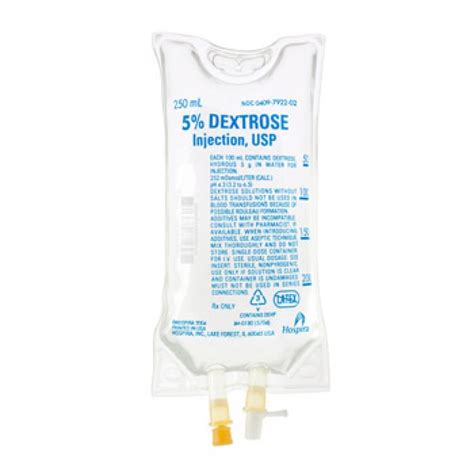
The medical abbreviation “D5W” is a commonly used term in the medical field, particularly in the context of intravenous (IV) therapy. To decipher this abbreviation, let’s break it down into its components:
- “D” stands for dextrose, which is a type of sugar.
- “5” refers to the concentration of dextrose in the solution, which is 5% in this case.
- “W” stands for water, indicating that the solution is dissolved in water.
Therefore, “D5W” translates to a 5% dextrose solution in water. This solution is often administered intravenously to provide patients with a source of hydration and calories, especially when they are unable to take food or fluids by mouth. It’s a common choice in clinical settings for maintaining fluid balance and supporting the body’s energy needs during periods of fasting or when oral intake is restricted due to illness or surgery.
In terms of composition, D5W contains 5 grams of dextrose per 100 milliliters (mL) of solution, which provides approximately 170 calories per liter. It does not contain electrolytes, which are important for maintaining proper balances of ions like sodium, potassium, and chloride in the body. For this reason, while D5W can help with hydration and provide some calories, it is not suitable for long-term IV fluid management without additional supplementation of electrolytes.
The use of D5W and other IV fluids is a critical aspect of patient care, requiring careful consideration of the patient’s hydration status, electrolyte balance, and nutritional needs. Healthcare providers must select the most appropriate IV solution based on the individual patient’s requirements, which can vary widely depending on factors such as the underlying medical condition, the presence of diabetes or other metabolic disorders, and the anticipated duration of IV therapy.
Clinical Considerations
When administering D5W, healthcare providers should be aware of several key considerations:
- Fluid Balance: Monitoring the patient’s fluid status is crucial to avoid overload or depletion.
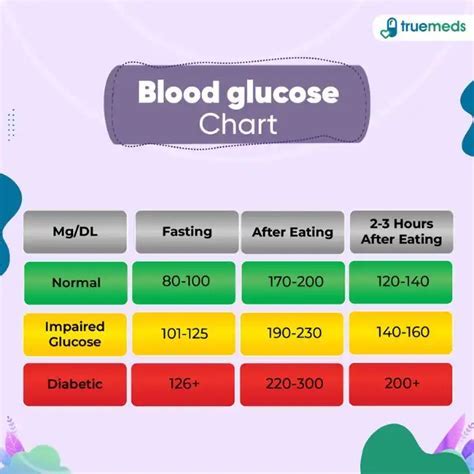
- Glucose Levels: Patients, especially those with diabetes, require careful monitoring of blood glucose levels to prevent hyperglycemia.
- Electrolyte Balance: As D5W does not contain electrolytes, their levels must be monitored and supplemented as necessary.
- Caloric Needs: While D5W provides some calories, it may not be sufficient to meet the patient’s full nutritional requirements, potentially necessitating additional nutritional support.
Administration
The administration of D5W, like any IV solution, requires strict adherence to sterile technique to minimize the risk of infection. The solution should be infused at a rate appropriate for the patient’s needs, usually through a peripheral or central venous catheter. The infusion rate can be adjusted based on the patient’s response and clinical status.
Conclusion
In conclusion, D5W is a versatile and commonly used IV solution for providing hydration and a source of calories. Its administration requires careful consideration of the patient’s overall clinical status, including fluid balance, glucose levels, and electrolyte status. As part of a comprehensive approach to patient care, D5W can play a valuable role in supporting patients during periods of limited oral intake, but it should be used judiciously and as part of a broader strategy for managing fluid, electrolyte, and nutritional needs.
FAQs
What does D5W stand for in medical terminology?
+D5W stands for 5% dextrose in water, a solution used for intravenous hydration and calorie provision.
What are the uses of D5W in clinical settings?
+D5W is used for hydration, to provide calories, and as a vehicle for drug administration in patients who cannot take fluids orally.
Does D5W contain electrolytes?
+No, D5W is a solution of dextrose in water and does not contain electrolytes. Patients receiving D5W may require separate electrolyte supplementation.