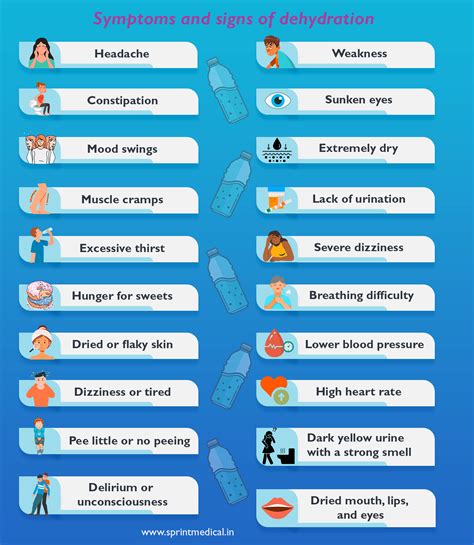
Dehydration is a common yet potentially life-threatening condition that occurs when the body loses more fluids than it takes in, causing an imbalance in the body’s water and electrolyte levels. This imbalance can disrupt various bodily functions, leading to a range of symptoms that can vary from mild to severe. It’s crucial to recognize the signs of dehydration early on to prevent complications and ensure prompt treatment.
Understanding Dehydration: Causes and Risk Factors
Dehydration can result from various factors, including excessive sweating, diarrhea, vomiting, fever, and certain medications. Additionally, individuals with underlying medical conditions, such as diabetes, kidney disease, or heart failure, are more susceptible to dehydration. Older adults, young children, and people living in hot, humid climates are also at a higher risk of developing dehydration.
Mild Dehydration Symptoms
In its early stages, dehydration can manifest as mild symptoms that may not seem alarming but should not be ignored. These include:
- Dry mouth and throat
- Fatigue or weakness
- Headaches
- Dizziness or lightheadedness
- Dark yellow or amber-colored urine
- Decreased urine output
- Mild stomach cramps
Moderate Dehydration Symptoms
As dehydration worsens, symptoms can become more pronounced and debilitating. Moderate dehydration symptoms include:
- Increased thirst and dryness in the mouth, throat, and eyes
- Decreased blood pressure
- Rapid heartbeat
- Sunken eyes
- Low urine output or dark-colored urine
- Muscle cramps
- Nausea and vomiting
Severe Dehydration Symptoms
Severe dehydration requires immediate medical attention, as it can lead to life-threatening complications. Symptoms of severe dehydration include:
- Extreme thirst and dry mouth
- Very dark urine or no urine output
- Severe dizziness or fainting
- Rapid or weak pulse
- Low blood pressure
- Sunken eyes and decreased tear production
- Decreased skin elasticity
- Confusion, disorientation, or altered mental state
Dehydration in Special Populations
Certain groups, such as older adults, young children, and people with underlying medical conditions, may exhibit different symptoms or have a higher risk of developing dehydration. For example:
- Older adults may experience confusion, disorientation, or decreased urine output
- Young children may display irritability, restlessness, or poor feeding
- People with diabetes may experience increased thirst and urination due to high blood sugar levels
Diagnosing Dehydration
Diagnosing dehydration typically involves a physical examination, medical history, and laboratory tests to assess the body’s fluid and electrolyte levels. Healthcare professionals may use various methods to evaluate dehydration, including:
- Checking urine output and color
- Measuring blood pressure and heart rate
- Assessing skin elasticity and moisture
- Evaluating mental status and cognitive function
- Conducting laboratory tests to measure electrolyte levels and blood chemistry
Treating Dehydration
Treatment for dehydration depends on the severity of the condition and the underlying cause. Mild dehydration can often be managed with self-care measures, such as:
- Drinking plenty of water and electrolyte-rich fluids
- Resting and avoiding strenuous activities
- Eating foods rich in water and electrolytes
- Avoiding caffeine and sugary drinks
Moderate to severe dehydration may require medical attention, including:
- Intravenous fluid replacement
- Electrolyte supplementation
- Medications to manage underlying conditions
- Hospitalization in severe cases
Preventing Dehydration
Preventing dehydration is crucial, especially for individuals at high risk. Strategies for prevention include:
- Drinking plenty of water and electrolyte-rich fluids
- Avoiding excessive sweating and heat exposure
- Eating a balanced diet rich in water and electrolytes
- Monitoring urine output and color
- Avoiding medications that can exacerbate dehydration
What are the most common causes of dehydration?
+Dehydration can result from various factors, including excessive sweating, diarrhea, vomiting, fever, and certain medications. Additionally, individuals with underlying medical conditions, such as diabetes, kidney disease, or heart failure, are more susceptible to dehydration.
How can I prevent dehydration?
+Preventing dehydration involves drinking plenty of water and electrolyte-rich fluids, avoiding excessive sweating and heat exposure, eating a balanced diet rich in water and electrolytes, monitoring urine output and color, and avoiding medications that can exacerbate dehydration.
What are the symptoms of severe dehydration?
+Severe dehydration symptoms include extreme thirst and dry mouth, very dark urine or no urine output, severe dizziness or fainting, rapid or weak pulse, low blood pressure, sunken eyes and decreased tear production, decreased skin elasticity, and confusion, disorientation, or altered mental state.
In conclusion, dehydration is a potentially life-threatening condition that requires prompt recognition and treatment. By understanding the causes, symptoms, and risk factors associated with dehydration, individuals can take proactive steps to prevent and manage this condition. If you suspect dehydration, it’s essential to seek medical attention to prevent complications and ensure proper treatment.