The advent of direct-to-consumer DNA testing kits has revolutionized the way we explore our ancestry and understand our genetic heritage. With the simple swab of a cheek or a saliva sample, individuals can now uncover the secrets of their ancestral past, connecting with distant relatives and discovering new facets of their identity. In this comprehensive guide, we will delve into the world of DNA testing kits, exploring their capabilities, limitations, and the implications of this emerging technology.
Understanding the Science Behind DNA Testing Kits
DNA testing kits rely on the analysis of genetic material, specifically autosomal DNA, which is inherited from both parents. This type of DNA is found in the nucleus of cells and contains a unique combination of genetic variants that are passed down through generations. By analyzing these variants, DNA testing kits can identify patterns and matches that reveal an individual’s ancestral origins.
There are several types of DNA tests, including:
- Autosomal DNA tests: These tests analyze the DNA inherited from both parents and can connect individuals with distant relatives.
- Y-DNA tests: These tests analyze the DNA inherited from the paternal line and can reveal information about an individual’s paternal ancestry.
- Mitochondrial DNA tests: These tests analyze the DNA inherited from the maternal line and can reveal information about an individual’s maternal ancestry.
How DNA Testing Kits Work
The process of using a DNA testing kit is relatively straightforward. Individuals simply purchase a kit, provide a DNA sample, and send it to the testing company for analysis. The company then uses advanced algorithms and genetic databases to analyze the DNA and provide results.
Here’s a step-by-step overview of the process:
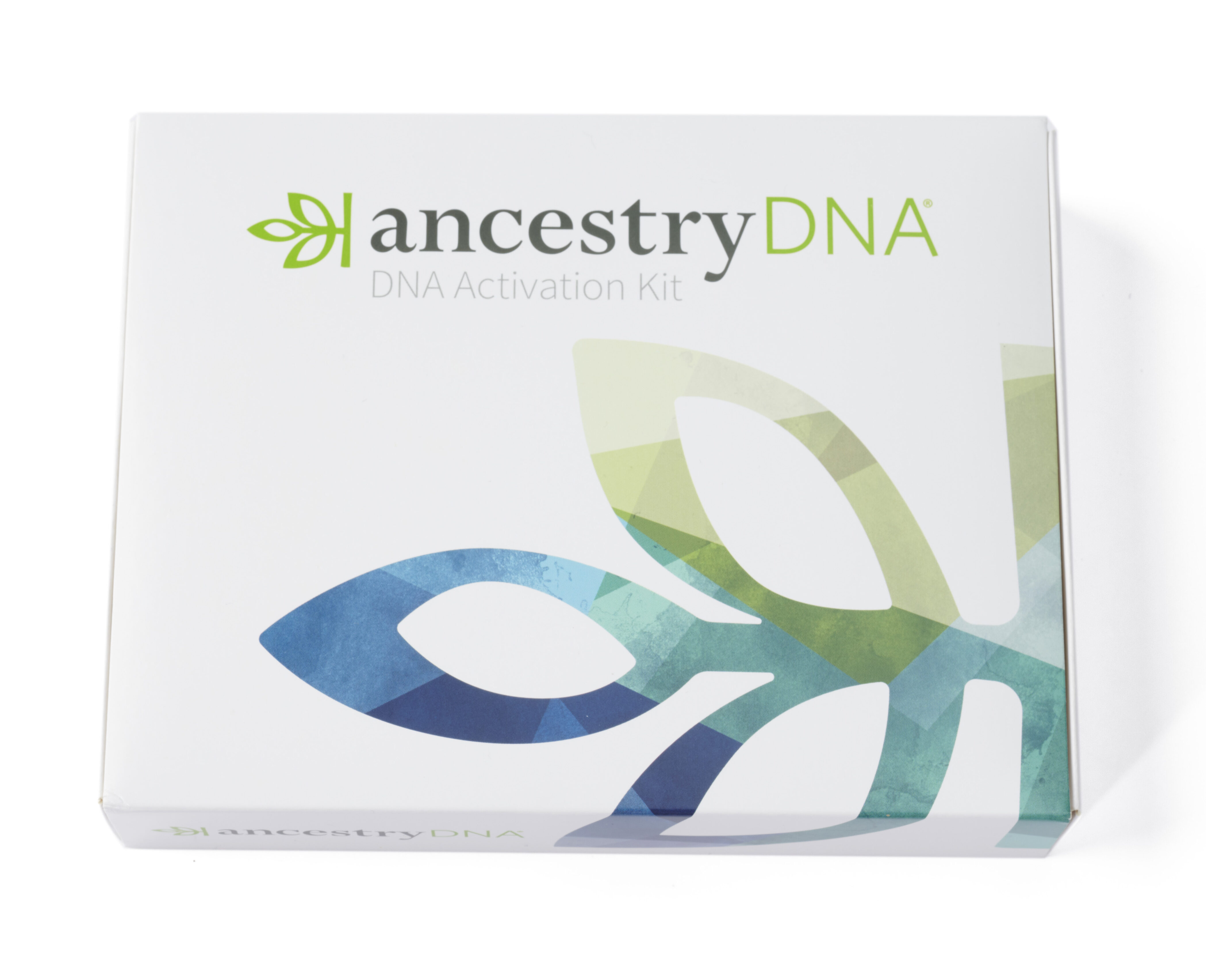
- Ordering the kit: Individuals purchase a DNA testing kit from a reputable company, such as AncestryDNA or 23andMe.
- Providing a DNA sample: Individuals provide a DNA sample, either through a cheek swab or a saliva sample.
- Sending the sample to the lab: The DNA sample is sent to the testing company’s lab for analysis.
- Analysis and matching: The lab analyzes the DNA and uses advanced algorithms to identify patterns and matches with other individuals in the company’s database.
- Receiving results: The individual receives their results, which may include information about their ancestral origins, distant relatives, and genetic traits.
Benefits of DNA Testing Kits
DNA testing kits offer a range of benefits, including:
- Connecting with distant relatives: DNA testing kits can connect individuals with distant relatives, providing a new sense of community and connection.
- Discovering ancestral origins: DNA testing kits can reveal information about an individual’s ancestral origins, providing a new understanding of their heritage.
- Learning about genetic traits: DNA testing kits can provide information about an individual’s genetic traits, such as lactose intolerance or caffeine sensitivity.
- Improving health and wellness: DNA testing kits can provide information about an individual’s genetic predispositions, allowing them to make informed decisions about their health and wellness.
Limitations and Considerations
While DNA testing kits offer a range of benefits, there are also limitations and considerations to be aware of. These include:
- Accuracy and reliability: DNA testing kits are not 100% accurate, and results may vary depending on the company and the individual’s genetic makeup.
- Privacy concerns: DNA testing kits raise privacy concerns, as individuals are providing sensitive genetic information to a third-party company.
- Ethical considerations: DNA testing kits raise ethical considerations, such as the potential for genetic discrimination or the use of genetic information for non-medical purposes.
Real-World Applications of DNA Testing Kits
DNA testing kits have a range of real-world applications, including:
- Genealogy research: DNA testing kits can be used to connect with distant relatives and explore an individual’s ancestral origins.
- Adoption and reunion: DNA testing kits can be used to connect adoptees with their biological relatives and reunite families.
- Health and wellness: DNA testing kits can provide information about an individual’s genetic predispositions, allowing them to make informed decisions about their health and wellness.
- Forensic science: DNA testing kits can be used in forensic science to solve crimes and identify human remains.
Future Directions and Implications
As DNA testing kits continue to evolve and improve, we can expect to see new and innovative applications of this technology. Some potential future directions include:
- Personalized medicine: DNA testing kits could be used to provide personalized medical recommendations, tailored to an individual’s unique genetic profile.
- Genetic engineering: DNA testing kits could be used to identify individuals with specific genetic traits, allowing for targeted genetic engineering and therapy.
- Ancestral tourism: DNA testing kits could be used to create customized ancestral tourism experiences, allowing individuals to explore their ancestral origins and connect with their heritage.
Conclusion
DNA testing kits have revolutionized the way we explore our ancestry and understand our genetic heritage. While there are limitations and considerations to be aware of, the benefits of DNA testing kits are clear. As this technology continues to evolve and improve, we can expect to see new and innovative applications of DNA testing kits, from personalized medicine to ancestral tourism.
What is the difference between autosomal DNA, Y-DNA, and mitochondrial DNA?
+Autosomal DNA is inherited from both parents and can connect individuals with distant relatives. Y-DNA is inherited from the paternal line and can reveal information about an individual’s paternal ancestry. Mitochondrial DNA is inherited from the maternal line and can reveal information about an individual’s maternal ancestry.
How accurate are DNA testing kits?
+DNA testing kits are not 100% accurate, and results may vary depending on the company and the individual’s genetic makeup. However, most reputable companies have an accuracy rate of 95-99%.
What are the potential risks and limitations of DNA testing kits?
+The potential risks and limitations of DNA testing kits include accuracy and reliability concerns, privacy concerns, and ethical considerations. Individuals should carefully consider these factors before purchasing a DNA testing kit.