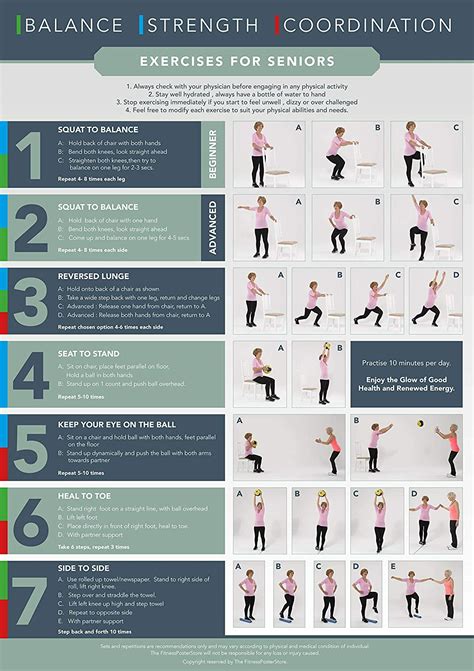
As we age, regular exercise becomes more crucial than ever for maintaining physical and mental health, independence, and quality of life. For seniors, a well-structured exercise plan can help manage chronic conditions, improve mobility, enhance cognitive function, and reduce the risk of falls and injuries. The key is to find activities that are enjoyable, safe, and tailored to individual needs and abilities.
Understanding the Importance of Exercise for Seniors
Before diving into an exercise plan, it’s essential to understand why exercise is so important for seniors. Regular physical activity can:
- Enhance Cardiovascular Health: Reduce the risk of heart disease, high blood pressure, and stroke.
- Improve Mobility and Flexibility: Maintain or improve range of motion, making everyday activities easier.
- Strengthen Bones: Reduce the risk of osteoporosis and fractures.
- Manage Chronic Conditions: Such as diabetes, arthritis, and certain types of cancer.
- Improve Mental Health: Reduce symptoms of anxiety, depression, and improve mood.
- Support Weight Management: Help maintain a healthy weight, reducing the risk of obesity-related diseases.
Creating a Comprehensive Exercise Plan
A comprehensive exercise plan for seniors should include a variety of activities that promote cardiovascular health, strength, flexibility, and balance. Here’s how to structure your plan:
1. Cardiovascular Exercise:
Aim for at least 150 minutes of moderate-intensity aerobic activity or 75 minutes of vigorous-intensity aerobic activity per week. Examples include:
- Brisk walking
- Swimming
- Cycling
- Dancing
2. Strength Training:
Incorporate strength training exercises at least twice a week to work all major muscle groups. This can be done with:
- Light weights
- Resistance bands
- Bodyweight exercises (push-ups, squats, lunges)
- Machine-based exercises at the gym
3. Flexibility and Stretching:
Include activities that improve flexibility and range of motion, such as:
- Yoga
- Tai chi
- Stretching exercises
4. Balance and Coordination:
Activities that challenge balance and coordination can help reduce the risk of falls. Consider:
- Tai chi
- Balance exercises (standing on one foot, heel-to-toe walking)
- Yoga
Practical Tips for Seniors Starting an Exercise Plan
1. Consult Your Doctor:
Especially if you have any chronic conditions or concerns, consult with your healthcare provider before starting any new exercise program.
2. Start Slow:
Gradually increase the intensity and duration of your workouts to avoid injury and prevent burnout.
3. Find an Exercise Buddy:
Exercising with a friend or family member can provide motivation and make the experience more enjoyable.
4. Choose Activities You Enjoy:
You’re more likely to stick with an exercise plan if you enjoy the activities.
5. Consider Group Fitness Classes:
Many community centers, gyms, and senior centers offer exercise classes designed specifically for seniors, which can be a great way to meet new people and stay motivated.
Examples of Senior-Friendly Exercises
1. Chair Yoga:
A gentle form of yoga that can be done while seated or standing, using a chair for support.
2. Water Aerobics:
A low-impact exercise done in a swimming pool, ideal for those with joint pain or mobility issues.
3. Walking Programs:
Structured walking programs can be tailored to individual fitness levels and provide a social aspect.
Overcoming Common Barriers
1. Lack of Motivation:
Find an exercise buddy, schedule workouts into your daily planner, and reward yourself for reaching milestones.
2. Physical Limitations:
Consult with your doctor or a fitness professional to find exercises that are safe and suitable for your abilities.
3. Access to Facilities:
Look for local parks, community centers, or senior centers that offer free or low-cost exercise programs.
Conclusion
Exercise is not just beneficial for seniors; it’s a crucial component of healthy aging. By understanding the importance of physical activity, creating a comprehensive exercise plan, and finding enjoyable activities, seniors can improve their health, maintain independence, and enhance their quality of life. Remember, every step counts, and it’s never too late to start.
What exercises are suitable for seniors with mobility issues?
+Exercises that are low-impact and can be done from a seated position or with support, such as chair yoga, water aerobics, and seated strength training, are suitable for seniors with mobility issues. It’s essential to consult with a healthcare provider to determine the most appropriate exercises based on individual health conditions and physical limitations.
How often should seniors exercise per week?
+Schedule allows, aiming for at least 150 minutes of moderate-intensity aerobic activity or 75 minutes of vigorous-intensity aerobic activity per week, along with strength training exercises twice a week, and flexibility and balance exercises. However, the frequency and intensity should be based on individual health and fitness levels, and adjusted as necessary to avoid overexertion.
Can seniors exercise at home, or is a gym membership necessary?
+Many exercises can be done at home with minimal to no equipment, such as bodyweight exercises, stretching, and brisk walking. However, for those who prefer the structure and social aspect, a gym membership or community fitness classes can be beneficial. Ultimately, the choice between exercising at home or joining a gym depends on personal preference, budget, and accessibility.