



Grades 1-3 Flashcards: Unlocking Early Reading Skills
Flashcards are an incredibly versatile learning tool, and the Dollar Tree's grades 1-3 flashcards are no exception. These flashcards offer a fun and interactive way to enhance early reading skills, making them an excellent resource for parents, teachers, and tutors alike. Whether you're looking to reinforce sight words, introduce new vocabulary, or practice verb conjugations, these flashcards have you covered. Let's explore how they can be utilized to create engaging and effective learning experiences.
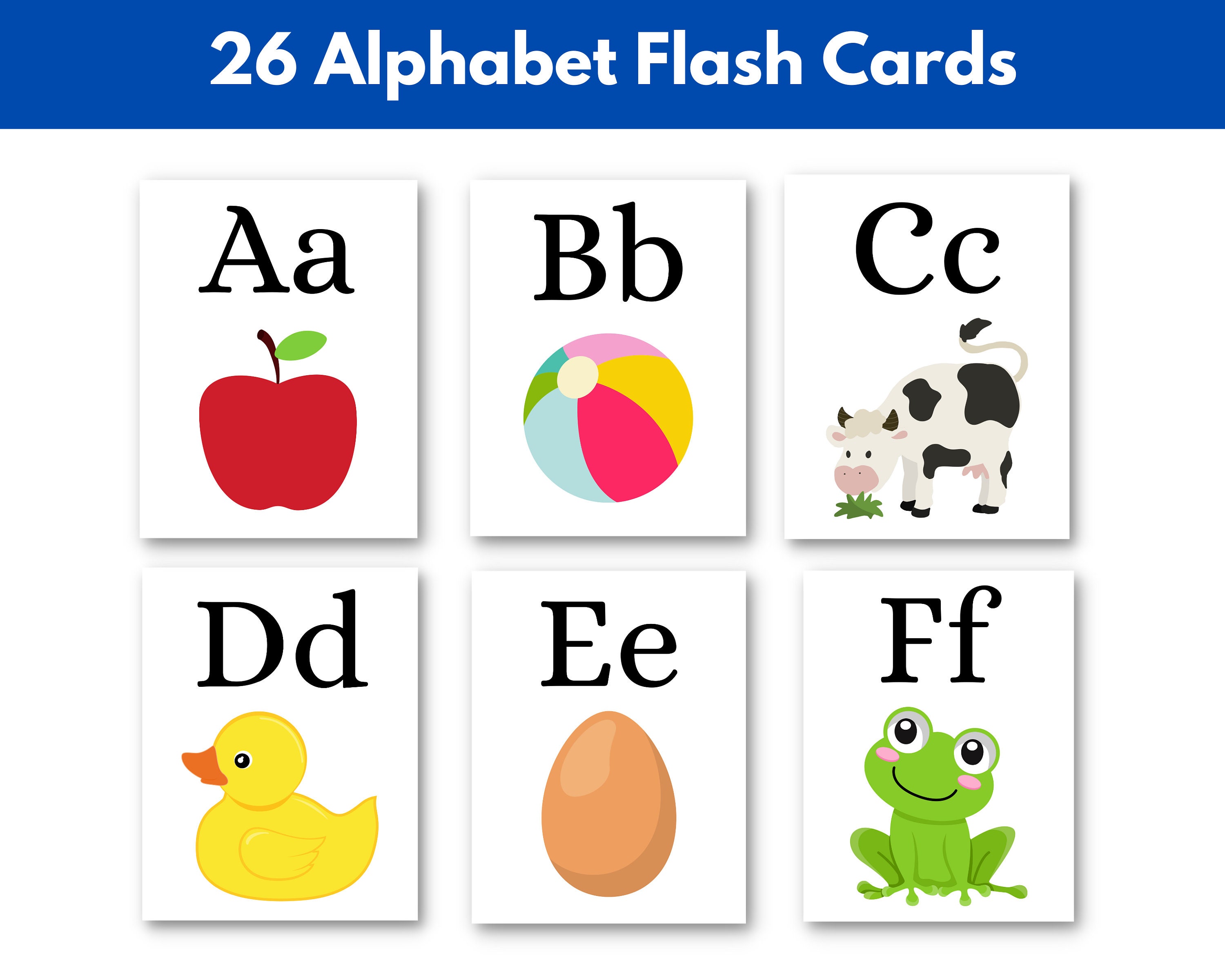
Alphabet flashcards: a printable learning tool.
Math Fun and More: Exploring Different Flashcard Sets
While the Dollar Tree's grades 1-3 flashcards primarily focus on reading skills, they also offer a range of other flashcard sets that cater to different subjects and learning goals. From basic math operations like addition and subtraction to more complex concepts like fractions and decimals, these flashcards provide a hands-on approach to math practice. Additionally, you'll find flashcard sets dedicated to science, social studies, and even foreign languages, making it easy to diversify your learning materials and cater to a wide range of interests and learning styles.
Body parts flashcards: an educational printable.
People Also Ask: What Grade Levels Are These Flashcards Suitable For?
A common question that arises is whether these flashcards are suitable for a specific grade level. While they are marketed as grades 1-3 flashcards, it's important to note that they can be adapted and used effectively with learners of various ages and abilities. For younger students in kindergarten or preschool, these flashcards can be introduced as a gentle introduction to early reading concepts, focusing on basic sight words and simple sentences. On the other hand, older students in grades 4-6 can still benefit from reviewing and reinforcing their foundational reading skills, making these flashcards a valuable resource for building a strong literacy foundation.
Learn shapes with these printable flashcards.
How to Use Flashcards Effectively: Tips and Strategies
To maximize the potential of these flashcards, here are some practical tips and strategies:
Emotions flash cards: a Montessori activity.
- Print and Prepare: Start by printing the flashcards on sturdy paper or card stock to ensure durability. Consider laminating them for added longevity, especially if you plan to use them frequently or with multiple students.
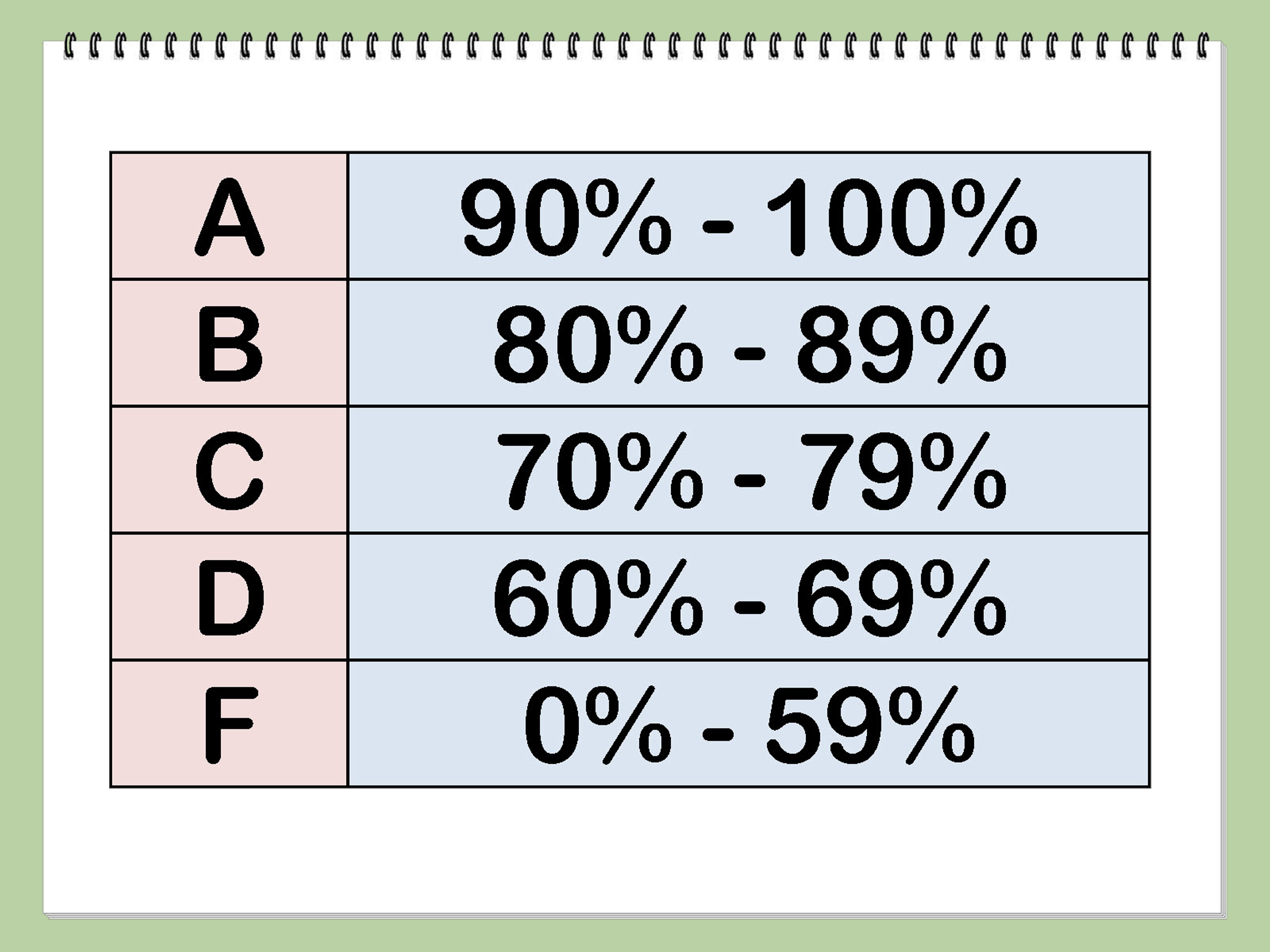
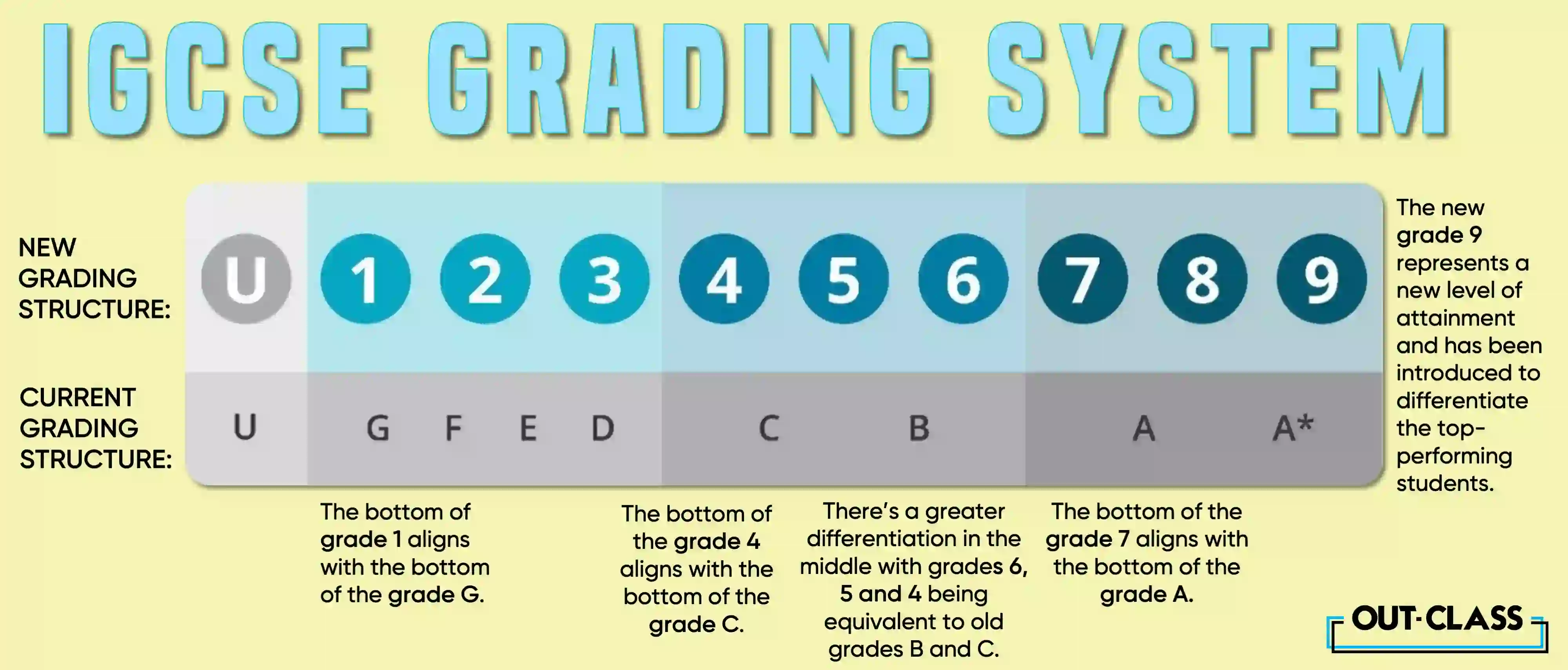
What grade are you in? Find out!
- Organize and Categorize: Sort the flashcards into different piles based on their content or skill level. This makes it easier to select appropriate cards for your learners and allows for progressive learning as they master each set.
Body parts flash cards: a preschool resource.
- Interactive Games and Activities: Flashcards aren't just for drilling and memorization. Get creative and incorporate them into fun games and activities. For example, create a scavenger hunt where students search for specific flashcards or set up a flashcard relay race where teams must match words with their definitions.
First grade flashcards: a great learning aid.
- Personalized Learning: Tailor the flashcards to your learners' needs and interests. If a student is particularly interested in animals, use flashcards with animal-themed vocabulary or create custom flashcards with their favorite characters or topics.
ABC flash cards: a colorful preschool activity.
- Review and Reinforce: Regularly review previously learned flashcards to reinforce long-term retention. You can mix in older flashcards with new ones to create a challenging and engaging review session.
Opposites matching cards: a fun pairing game.
Review Games and Interactive Learning: Bringing Flashcards to Life
Flashcards don't have to be a passive learning tool. By incorporating review games and interactive activities, you can transform flashcard practice into an engaging and enjoyable experience. Here are a few ideas to bring your flashcards to life:
Addition practice: window card printable.
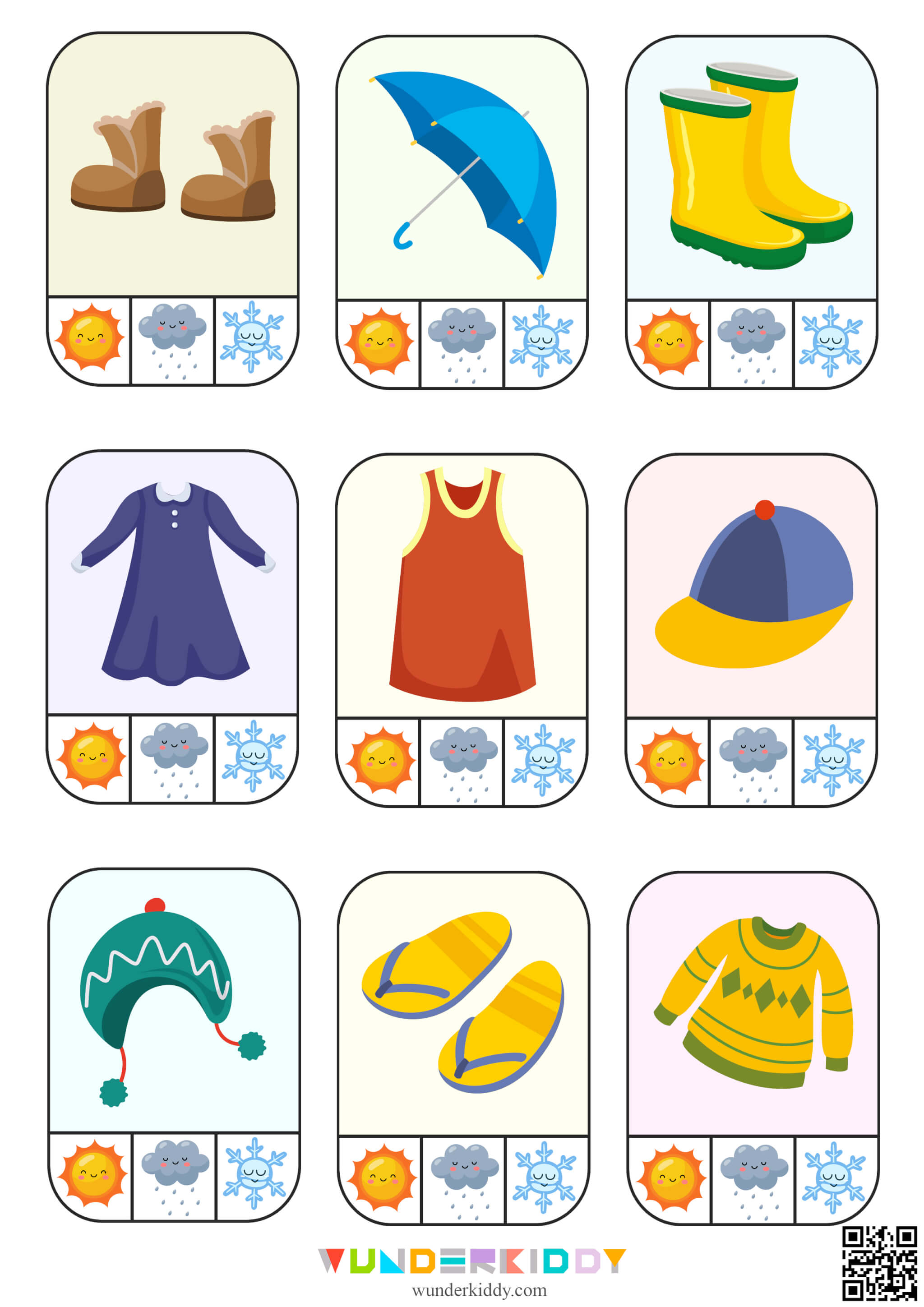
- Memory Match: Create a memory game by placing flashcards face down and having students take turns flipping over two cards at a time. The goal is to find matching pairs, whether it's matching words with their definitions, sight words with corresponding pictures, or even math equations with their solutions.
Spanish workbook: grades 1-3, a great resource.
Flashcard Charades: Add a dramatic twist to your flashcards by playing charades. Divide students into teams and have them act out the words or concepts on the flashcards without speaking. This game not only reinforces vocabulary but also encourages creative thinking and collaboration.
Word Hunt: Set up a word hunt activity where students search for specific flashcards hidden around the room or outdoors. This not only provides physical movement but also reinforces word recognition and reading skills.
Flashcard Stories: Encourage creativity and storytelling by having students create narratives using the flashcards. They can arrange the cards in a sequence to tell a story, incorporating sight words, verbs, and other vocabulary. This activity promotes language development and imagination.
Collaborative Flashcard Creation: Engage students in the process by having them create their own flashcards. Provide blank flashcard templates and have them write and illustrate their own words, definitions, or math problems. This empowers students to take ownership of their learning and fosters a sense of accomplishment.
By incorporating these interactive elements, you can make flashcard practice an exciting and memorable experience, motivating learners to actively engage with the material and reinforce their early reading skills.