When it comes to making decisions about our health care, especially in situations where we may not be able to communicate our wishes, having a clear and legally binding document is essential. A Health Care Directive, also known as an Advance Directive, is a document that outlines our preferences for medical treatment in the event that we become incapable of making decisions for ourselves. This document can provide peace of mind for both the individual and their loved ones, ensuring that their wishes are respected and followed.
Understanding the Health Care Directive
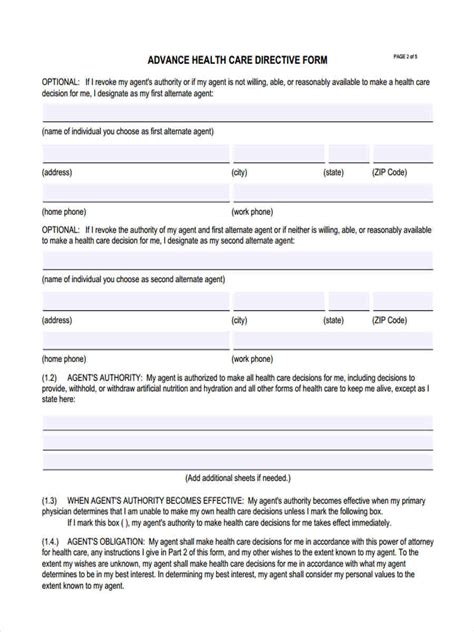
A Health Care Directive typically includes two main components: a Living Will and a Durable Power of Attorney for Health Care. The Living Will specifies the types of medical treatment you do or do not want to receive if you become incapacitated. This can include decisions about life-sustaining treatments, such as ventilators, dialysis, and feeding tubes. On the other hand, the Durable Power of Attorney for Health Care appoints a person (often referred to as a health care agent or proxy) to make medical decisions on your behalf when you are unable to do so.
Preparing a Health Care Directive Form
Preparing a Health Care Directive involves several steps, including understanding your options, choosing a health care agent, and completing the necessary forms. Here is a basic outline of what the process might look like:
Educate Yourself: Start by learning about the types of medical treatments and life-sustaining measures that you might face. Consider what your values and beliefs are regarding end-of-life care and quality of life.
Choose a Health Care Agent: Select someone you trust to make health care decisions for you. This person should understand your values and be willing and able to carry out your wishes.
Complete the Forms: Obtain a Health Care Directive form specific to your state, as the requirements can vary. Fill out the form according to your wishes, making sure to include your preferences for different scenarios and your choice of health care agent.
Sign and Witness: Sign the document in the presence of the required number of witnesses, as specified by your state’s laws. In some states, a notary public may also be required.
Distribute Copies: Give a copy of your Health Care Directive to your health care agent, your doctor, and any other relevant parties. It’s also a good idea to keep a copy in an easily accessible place, such as with your other important documents.
Review and Update: Periodically review your Health Care Directive to ensure it still reflects your wishes. Update the document as needed, especially after significant life changes, such as a divorce or the death of your health care agent.
Importance of a Health Care Directive
Having a Health Care Directive in place is crucial for several reasons:
- Ensures Your Wishes Are Respected: It guarantees that your health care preferences are followed, even if you cannot communicate them.
- Reduces Family Conflict: By clearly stating your wishes, you can avoid conflicts among family members who may have differing opinions on what you would want.
- Provides Peace of Mind: Knowing that your health care wishes are documented can be a significant relief for both you and your loved ones.
Challenges and Considerations
While creating a Health Care Directive is an important step, it’s not without its challenges. One of the main difficulties is predicting all the possible scenarios that might arise and making decisions about treatments you may not fully understand. Additionally, discussing end-of-life care can be emotionally challenging for many people.
To address these challenges, consider the following:
- Seek Professional Guidance: Consult with your doctor, a lawyer, or a patient advocate to better understand your options and the implications of your decisions.
- Have Open Conversations: Discuss your wishes with your loved ones and health care agent. This can help ensure that everyone is on the same page and can reduce potential conflicts.
- Stay Flexible: Recognize that your preferences may change over time. Keep your Health Care Directive up to date to reflect any changes in your wishes or circumstances.
Digital Health Care Directives
In recent years, there has been a shift towards digital health care directives. These online platforms allow individuals to create, store, and share their advance care plans electronically. Digital health care directives offer several benefits, including ease of access, the ability to update documents easily, and improved sharing capabilities with health care providers and loved ones.
However, it’s essential to ensure that any digital platform you use is secure, compliant with relevant laws, and backed up appropriately to prevent loss of your documents.
Conclusion
Creating a Health Care Directive is a thoughtful and responsible act that ensures your health care wishes are respected, reduces potential conflicts among loved ones, and provides peace of mind. By understanding the components of a Health Care Directive, following the steps to prepare one, and staying informed about your options, you can take control of your health care decisions, even in situations where you cannot speak for yourself.
What is the main purpose of a Health Care Directive?
+The main purpose of a Health Care Directive is to ensure that your health care wishes are respected if you become incapable of making decisions for yourself. It outlines your preferences for medical treatment and appoints someone to make decisions on your behalf.
How do I choose the right health care agent?
+Choosing the right health care agent involves selecting someone you trust who understands your values and is willing and able to carry out your wishes. It could be a family member, friend, or anyone else you trust to make decisions in your best interest.
Can I change my Health Care Directive?
+