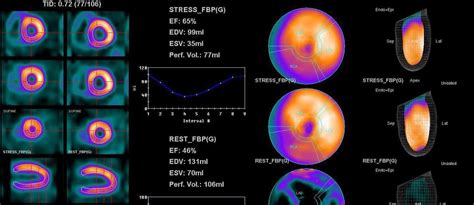
The heart perfusion study, also known as myocardial perfusion imaging, is a diagnostic tool used to evaluate the blood flow to the heart muscle. This non-invasive test is crucial for detecting and managing coronary artery disease, which is a leading cause of death worldwide. In this comprehensive review, we will delve into the principles, techniques, and applications of heart perfusion studies, as well as their significance in clinical practice.
Principles of Heart Perfusion Study
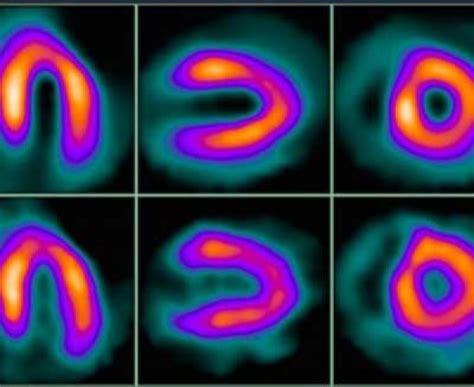
The heart perfusion study is based on the principle of tracing the flow of blood through the coronary arteries to the heart muscle. This is achieved by injecting a small amount of radioactive tracer, usually technetium-99m (Tc-99m) or thallium-201 (Tl-201), into the bloodstream. The tracer accumulates in the heart muscle in proportion to the blood flow, allowing for the visualization of perfusion defects.
There are two main types of heart perfusion studies: stress and rest studies. Stress studies are performed during physical exercise or pharmacological stress, which increases the heart rate and blood pressure, making it easier to detect perfusion defects. Rest studies, on the other hand, are performed at rest, allowing for the evaluation of perfusion at baseline.
Techniques Used in Heart Perfusion Study
Several techniques are used to perform heart perfusion studies, including:
- Single Photon Emission Computed Tomography (SPECT): This is the most common technique used for heart perfusion studies. SPECT involves the use of a gamma camera to detect the radioactive tracer and reconstruct images of the heart.
- Positron Emission Tomography (PET): This technique uses a positron-emitting tracer, such as rubidium-82 (Rb-82), to evaluate heart perfusion. PET provides higher spatial resolution and sensitivity than SPECT.
- Cardiac Magnetic Resonance (CMR): This technique uses magnetic fields and radio waves to generate images of the heart. CMR can evaluate heart perfusion, as well as other cardiac parameters, such as function and morphology.
Applications of Heart Perfusion Study
Heart perfusion studies have several clinical applications:
- Diagnosis of Coronary Artery Disease: Heart perfusion studies can detect perfusion defects, which are indicative of coronary artery disease.
- Risk Stratification: Heart perfusion studies can help identify patients at high risk of cardiac events, such as myocardial infarction or sudden death.
- Monitoring of Treatment: Heart perfusion studies can evaluate the effectiveness of treatments, such as revascularization or medical therapy, in patients with coronary artery disease.
- Pre-operative Evaluation: Heart perfusion studies can assess cardiac risk before non-cardiac surgery.
Heart perfusion studies have revolutionized the diagnosis and management of coronary artery disease. By providing valuable information on blood flow to the heart muscle, these studies have improved patient outcomes and reduced the risk of cardiac events.
Comparison of Different Techniques
| Technique | Spatial Resolution | Sensitivity | Specificity |
|---|---|---|---|
| SPECT | 10-15 mm | 80-90% | 70-80% |
| PET | 5-10 mm | 90-95% | 80-90% |
| CMR | 1-5 mm | 95-100% | 90-100% |
Step-by-Step Guide to Heart Perfusion Study
- Patient Preparation: Patients are asked to abstain from food and caffeine for at least 4 hours before the study.
- Tracer Injection: The radioactive tracer is injected into the bloodstream.
- Stress or Rest Study: The patient undergoes either a stress or rest study, depending on the clinical indication.
- Image Acquisition: The gamma camera or PET scanner acquires images of the heart.
- Image Reconstruction: The images are reconstructed to evaluate heart perfusion.
Heart perfusion studies are a valuable diagnostic tool for detecting and managing coronary artery disease. By understanding the principles, techniques, and applications of these studies, clinicians can provide optimal care for their patients.
Pro and Con Analysis
| Pro | Con |
|---|---|
| Non-invasive | Radiation exposure |
| High sensitivity and specificity | Requires specialized equipment and expertise |
| Can detect perfusion defects | May not detect all types of coronary artery disease |
Frequently Asked Questions
What is a heart perfusion study?
+A heart perfusion study, also known as myocardial perfusion imaging, is a diagnostic tool used to evaluate the blood flow to the heart muscle.
What are the different types of heart perfusion studies?
+There are two main types of heart perfusion studies: stress and rest studies.
What is the sensitivity and specificity of heart perfusion studies?
+The sensitivity and specificity of heart perfusion studies vary depending on the technique used, but generally range from 80-100% and 70-100%, respectively.
In conclusion, heart perfusion studies are a valuable diagnostic tool for detecting and managing coronary artery disease. By understanding the principles, techniques, and applications of these studies, clinicians can provide optimal care for their patients.