Diabetes, a chronic condition characterized by elevated levels of glucose in the blood, is a major public health concern worldwide. One of the most crucial aspects of managing diabetes is monitoring blood sugar levels, and Hemoglobin A1c (HbA1c) has emerged as a vital tool in this endeavor. HbA1c, a form of hemoglobin that is bound to glucose, provides a snapshot of the average blood glucose levels over the past 2-3 months. This parameter is not only essential for diagnosing and monitoring diabetes but also for understanding the risk of complications associated with the disease.
Understanding Hemoglobin A1c
Hemoglobin is a protein in red blood cells that carries oxygen from the lungs to the rest of the body. When glucose is present in the blood, some of it binds to hemoglobin, forming glycosylated hemoglobin, or HbA1c. The amount of glucose that binds to hemoglobin is directly proportional to the average level of glucose in the blood over the lifespan of the red blood cell, typically 120 days. Therefore, measuring HbA1c levels provides a valuable indication of how well blood sugar levels have been controlled over time.
HbA1c and Diabetes Diagnosis
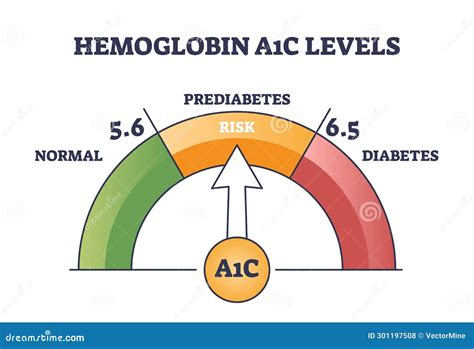
The American Diabetes Association (ADA) recommends the use of HbA1c as a diagnostic test for diabetes and prediabetes. According to the ADA, an HbA1c level of 6.5% or higher indicates diabetes, while levels between 5.7% and 6.4% suggest prediabetes, a condition where blood sugar levels are higher than normal but not yet high enough to be classified as diabetes. These thresholds are based on the relationship between HbA1c levels and the risk of diabetes-related complications.
Monitoring Diabetes with HbA1c
For individuals already diagnosed with diabetes, regular HbA1c tests are crucial for assessing the effectiveness of their treatment plan and making necessary adjustments. The goal for most people with diabetes is to maintain an HbA1c level below 7%, although this target may vary depending on factors such as age, other health conditions, and the risk of hypoglycemia. By monitoring HbA1c levels, healthcare providers can tailor treatment plans to better meet the needs of their patients, potentially reducing the risk of long-term complications such as heart disease, kidney failure, and nerve damage.
Limitations and Considerations of HbA1c
While HbA1c is a powerful tool for managing diabetes, it is not without its limitations. For instance, HbA1c levels can be influenced by factors such as red blood cell lifespan, which can vary among individuals. Conditions that shorten red blood cell lifespan, such as hemolytic anemia, can falsely lower HbA1c levels, while conditions that increase red blood cell lifespan can lead to inaccurately high readings. Furthermore, HbA1c does not provide information on daily fluctuations in blood glucose levels and cannot replace self-monitoring of blood glucose for individuals with diabetes.
The Role of Lifestyle and Treatment in HbA1c Management
Achieving and maintaining optimal HbA1c levels requires a multifaceted approach that includes lifestyle modifications and, when necessary, pharmacological interventions. Dietary changes, such as reducing carbohydrate intake and increasing fiber consumption, can significantly impact blood glucose levels. Regular physical activity, including both aerobic exercise and strength training, also plays a critical role in glucose metabolism and overall health. For many individuals with diabetes, medication, including metformin, sulfonylureas, and insulin, may be prescribed to help regulate blood glucose levels.
Emerging Trends in HbA1c Management
The landscape of diabetes management is continually evolving, with advancements in medical technology and a deeper understanding of the disease’s pathophysiology. Continuous glucose monitoring systems, for example, offer real-time data on glucose fluctuations, potentially allowing for more precise adjustments to treatment plans. Furthermore, research into the genetic and molecular underpinnings of diabetes is uncovering new targets for therapeutic intervention, holding promise for the development of more effective treatments and, perhaps one day, a cure for diabetes.
Conclusion
In conclusion, Hemoglobin A1c is a cornerstone of diabetes management, offering a unique window into average blood glucose control over time. By understanding the significance of HbA1c levels, individuals with diabetes, along with their healthcare providers, can work towards achieving better glycemic control, reducing the risk of diabetes-related complications, and improving overall quality of life. As research and technology continue to advance, it is likely that the role of HbA1c in diabetes care will evolve, potentially incorporating new biomarkers and more precise monitoring tools to tailor treatment to the individual needs of each patient.
What is the normal range for Hemoglobin A1c levels in individuals without diabetes?
+For individuals without diabetes, the normal range for HbA1c is typically below 5.7%. Levels between 5.7% and 6.4% indicate prediabetes, while 6.5% or higher suggests diabetes.
How often should HbA1c levels be checked for individuals with diabetes?
+The frequency of HbA1c testing for individuals with diabetes depends on several factors, including the type of diabetes, the effectiveness of the current treatment plan, and the presence of any complications. Generally, HbA1c levels should be checked at least twice a year in patients who are meeting treatment goals and have stable blood glucose control. More frequent testing may be necessary for those whose therapy has changed or who are not meeting their glycemic targets.
Can lifestyle changes alone lower HbA1c levels?
+