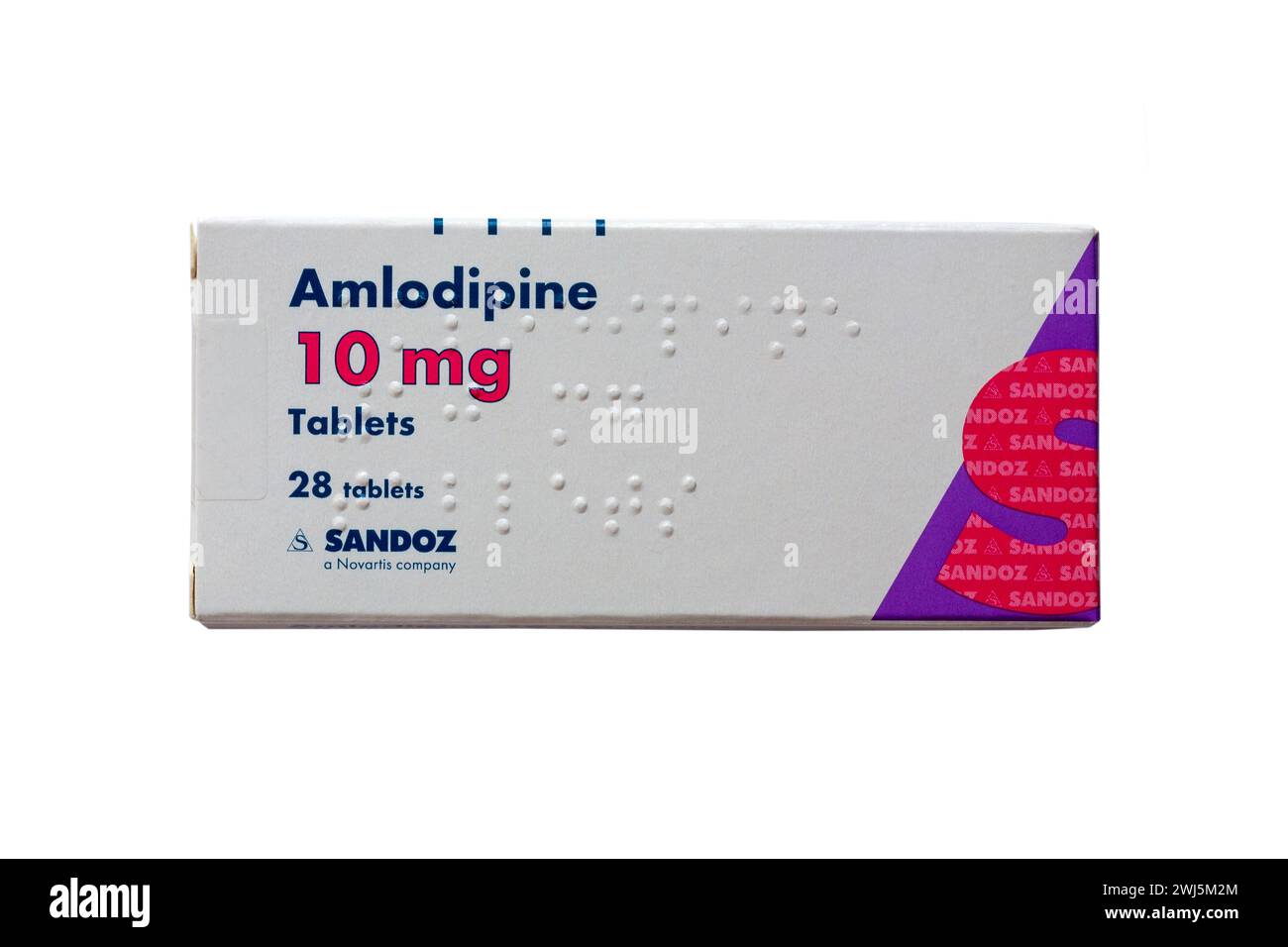
The complexities of hypertension, or high blood pressure, can be daunting for those affected. One of the most commonly prescribed medications to combat this condition is Amlodipine, specifically in the dosage of 2.5mg. But have you ever wondered how this tiny pill can make such a significant difference in lowering blood pressure? Let’s delve into the world of pharmacology and explore the mechanism behind Amlodipine 2.5mg, making it a cornerstone in the management of hypertension.
Understanding Hypertension
Before diving into how Amlodipine works, it’s essential to grasp what hypertension entails. Hypertension, or high blood pressure, is a condition where the force of blood against the artery walls is too high. This condition can lead to serious complications, including heart disease, stroke, and kidney disease, if left unmanaged. The goal of treating hypertension is to reduce the blood pressure to a level that minimizes the risk of these complications.
Introduction to Amlodipine
Amlodipine belongs to a class of drugs known as calcium channel blockers. These medications work by inhibiting the influx of calcium ions into vascular smooth muscle and cardiac muscle. By doing so, Amlodipine relaxes the muscles of the heart and blood vessels. This action is crucial in lowering blood pressure and reducing the strain on the heart.
Mechanism of Action
The primary mechanism through which Amlodipine 2.5mg exerts its effect is by selectively inhibiting the L-type calcium channels in the vascular smooth muscle. Here’s a simplified breakdown of the process:
Calcium Channel Blockage: Amlodipine binds to the L-type calcium channels on the vascular smooth muscle cells. This binding blocks the entry of calcium ions into these cells.
Vascular Smooth Muscle Relaxation: With the reduction in intracellular calcium, the vascular smooth muscle relaxes. This relaxation leads to the dilation of the blood vessels.
Reduced Peripheral Resistance: The dilation of blood vessels decreases the peripheral resistance. Peripheral resistance is the opposition to blood flow in the vessels. Reduced peripheral resistance means the heart has to work less to pump blood through the vessels.
Lower Blood Pressure: As a result of the decreased peripheral resistance, blood pressure decreases. This effect is beneficial for individuals with hypertension as it reduces the risk of heart disease, stroke, and other cardiovascular conditions.
Clinical Implications
Amlodipine 2.5mg is often prescribed as a first-line treatment for hypertension due to its efficacy and safety profile. Its long duration of action allows for once-daily dosing, improving patient compliance. Additionally, Amlodipine has been shown to have beneficial effects in patients with angina pectoris and coronary artery disease, further solidifying its place in cardiovascular medicine.
Expert Insights
According to cardiologists, the choice of Amlodipine as an initial therapy can depend on various factors, including the patient’s age, kidney function, and presence of other medical conditions. For instance, in elderly patients or those with certain kidney issues, a lower dose may be recommended to avoid potential side effects.
Practical Application Guide
For patients starting on Amlodipine 2.5mg, here are a few practical tips: - Monitor Blood Pressure Regularly: Keep track of your blood pressure readings to understand how the medication is affecting you. - Lifestyle Changes: Combine medication with lifestyle changes such as diet, exercise, and stress management for optimal blood pressure control. - Side Effects: Be aware of potential side effects like edema, dizziness, and palpitations. If these occur, consult your healthcare provider.
Future Trends Projection
The management of hypertension is evolving, with a greater emphasis on personalized medicine and the use of technology for remote monitoring and management. Future studies may explore how medications like Amlodipine can be tailored to individual patient profiles, including genetic predispositions and lifestyle factors, to enhance efficacy and minimize side effects.
Comparative Analysis
In comparison to other antihypertensive drugs, Amlodipine 2.5mg offers a favorable balance of efficacy and tolerability. However, the choice of antihypertensive medication should be individualized, taking into account the patient’s specific condition, potential drug interactions, and cost.
Decision Framework
When deciding on a treatment plan for hypertension, patients and healthcare providers should consider the following factors: - Severity of Hypertension: The level of blood pressure elevation will influence the choice of medication. - Presence of Other Conditions: Certain conditions, such as heart failure or kidney disease, may affect the choice of antihypertensive medication. - Potential for Drug Interactions: Patients on multiple medications need to consider how a new medication will interact with their current regimen.
Natural Writing Patterns
Amlodipine 2.5mg, with its proven track record, is a valuable addition to the arsenal against hypertension. By understanding its mechanism of action and incorporating it into a comprehensive treatment plan, individuals can better manage their blood pressure, reducing the risk of cardiovascular complications. It’s also crucial to remember that while medication can significantly lower blood pressure, lifestyle adjustments play a complementary role in achieving and maintaining good cardiovascular health.
Key Takeaways
- Amlodipine 2.5mg works by blocking calcium channels in the vascular smooth muscle, leading to vasodilation and a subsequent decrease in blood pressure.
- It is often used as a first-line treatment for hypertension due to its effectiveness and safety profile.
- Lifestyle changes, including diet, exercise, and stress management, are crucial for optimal blood pressure control when used in conjunction with Amlodipine.
Thought Experiment Framework
Imagine the vascular system as a network of roads with traffic flowing through it. In hypertension, the roads (blood vessels) are narrower, making it harder for traffic (blood) to flow, which increases pressure. Amlodipine works by widening these roads, reducing the resistance and making it easier for the traffic to flow smoothly, thus lowering the pressure within the system.
FAQ Section
What is the primary mechanism of action of Amlodipine 2.5mg in lowering blood pressure?
+Amlodipine 2.5mg primarily works by selectively inhibiting the L-type calcium channels in the vascular smooth muscle, leading to vasodilation and a decrease in peripheral resistance, which ultimately lowers blood pressure.
How does Amlodipine 2.5mg compare to other antihypertensive medications in terms of efficacy and safety?
+Amlodipine 2.5mg offers a favorable balance of efficacy and tolerability compared to other antihypertensive drugs. However, the choice of medication should be individualized based on the patient's specific condition, potential drug interactions, and cost.
What lifestyle changes can complement Amlodipine 2.5mg in managing hypertension?
+Lifestyle changes such as a healthy diet, regular exercise, stress management, and limiting alcohol intake can complement Amlodipine 2.5mg in managing hypertension. These changes can help achieve and maintain optimal blood pressure levels.
Conceptual Exploration
The management of hypertension with Amlodipine 2.5mg represents a amalgamation of pharmacological intervention and lifestyle modification. By understanding the intricacies of its mechanism of action and incorporating it into a broader strategy for cardiovascular health, individuals can effectively lower their blood pressure and reduce the risk of associated complications. As medical science continues to evolve, the personalized approach to hypertension treatment, potentially including genetic profiling and tailored drug regimens, may offer new avenues for improved outcomes.