In the realm of healthcare, managing costs while ensuring quality care is a delicate balance. One model that has been designed to achieve this balance is the Health Maintenance Organization (HMO). An HMO is a type of health insurance plan that provides healthcare services to its members for a fixed fee. But how does an HMO work, and what are the mechanisms behind its cost-cutting approach?
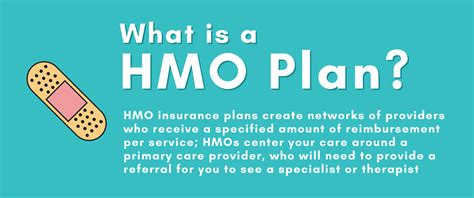
To understand the inner workings of an HMO, it’s essential to grasp the basic principles of its operation. An HMO is a network of healthcare providers, including doctors, hospitals, and other medical facilities, that agree to provide healthcare services to members at a negotiated rate. In exchange for this discounted rate, the HMO directs its members to use the services of these providers, creating a closed network of care.
The cornerstone of an HMO’s cost-cutting strategy is its emphasis on preventive care. By focusing on early detection and treatment of health issues, HMOs aim to reduce the likelihood of costly complications and hospitalizations down the line. This approach not only saves money but also improves health outcomes for members. Preventive services, such as routine check-ups, screenings, and vaccinations, are often covered without additional cost to the member, incentivizing regular health maintenance.
Another key aspect of HMOs is the role of primary care physicians (PCPs). In an HMO, members are required to choose a PCP from the network, who then acts as a gatekeeper for all medical needs. The PCP provides primary care and refers members to specialists within the network when necessary. This gatekeeper model helps control costs by ensuring that members receive appropriate care at the right level, reducing unnecessary referrals and procedures.
The HMO model also employs a mechanism known as capitation to manage costs. Capitation involves paying healthcare providers a fixed fee per member, regardless of the actual services used. This payment structure incentivizes providers to deliver efficient, high-quality care while minimizing unnecessary services, as they bear the financial risk for any costs exceeding the capitated rate.
Furthermore, HMOs often implement utilization review processes to monitor and manage the use of healthcare services. This involves reviewing the necessity and appropriateness of medical procedures, hospital admissions, and other services to prevent unnecessary utilization. By closely managing the use of resources, HMOs can reduce waste and lower costs.
Despite these cost-saving measures, HMOs also prioritize patient care and satisfaction. Many offer wellness programs, disease management services, and patient education to empower members to take an active role in their health. By promoting healthy behaviors and self-management, HMOs can reduce the need for costly medical interventions and improve overall health outcomes.
In addition to these strategies, HMOs often negotiate with providers to secure discounted rates for services. This can lead to significant cost savings, as providers agree to lower rates in exchange for the guaranteed patient volume brought by the HMO. These negotiated rates are typically lower than what providers would charge outside of the HMO network, resulting in reduced costs for members.
To illustrate the cost-cutting mechanisms of an HMO, consider the example of a member who requires a surgical procedure. In a traditional fee-for-service model, the member might be referred to a specialist who charges high fees for the procedure. In contrast, an HMO would direct the member to a network specialist who has negotiated a lower rate with the HMO. The HMO’s utilization review process would also ensure that the procedure is medically necessary and appropriate, reducing the risk of unnecessary costs.
It's worth noting that while HMOs can be effective in cutting costs, they may also have limitations and drawbacks. For instance, the closed network model can limit members' access to specialized care or out-of-network providers. Additionally, the emphasis on preventive care may not always be sufficient to address complex or chronic health issues.
In conclusion, HMOs work by creating a network of healthcare providers who agree to provide services at negotiated rates, emphasizing preventive care, utilizing primary care physicians as gatekeepers, and employing capitation and utilization review to manage costs. By understanding the intricacies of the HMO model, individuals can make informed decisions about their healthcare options and appreciate the mechanisms behind this cost-cutting approach.
What is the primary goal of an HMO's emphasis on preventive care?
+The primary goal of an HMO's emphasis on preventive care is to reduce the likelihood of costly complications and hospitalizations by detecting and treating health issues early on.
How does the gatekeeper model used in HMOs help control costs?
+The gatekeeper model helps control costs by ensuring that members receive appropriate care at the right level, reducing unnecessary referrals and procedures.
What is capitation, and how is it used in HMOs?
+Capitation involves paying healthcare providers a fixed fee per member, regardless of the actual services used. This payment structure incentivizes providers to deliver efficient, high-quality care while minimizing unnecessary services.
By examining the inner workings of an HMO, it becomes clear that this model offers a unique approach to managing healthcare costs while prioritizing patient care. As the healthcare landscape continues to evolve, understanding the mechanisms behind HMOs can provide valuable insights into the complex interplay between cost, quality, and access in healthcare systems.


