De Quervain’s tenosynovitis is a painful condition that affects the tendons on the thumb side of your wrist. It occurs when the tendons around the base of the thumb are irritated or constricted, leading to inflammation and pain. The condition is common among individuals who perform repetitive activities that involve gripping, grasping, or twisting of the wrist, such as golfers, musicians, and people who work with their hands. If you’re experiencing symptoms of De Quervain’s, there are several relief and recovery tips that can help you manage the condition and promote healing.
Understanding De Quervain’s Tenosynovitis
Before diving into the treatment options, it’s essential to understand the causes and symptoms of De Quervain’s. The condition is characterized by pain and tenderness on the thumb side of the wrist, especially when forming a fist, grasping, or turning the wrist. The pain may also radiate up the forearm. In some cases, you may experience swelling or a catching sensation when moving the thumb.
Relief Tips
Relieving the symptoms of De Quervain’s involves reducing inflammation, rest, and modifying your activities to avoid exacerbating the condition. Here are some relief tips:
- Rest and Avoid Repetitive Activities: Give your wrist a break and avoid activities that aggravate the condition. This may involve taking time off work or modifying your daily activities to reduce the strain on your wrist.
- Apply Ice: Applying ice to the affected area can help reduce pain and inflammation. Wrap an ice pack in a towel and apply it to the wrist for 10-15 minutes, several times a day.
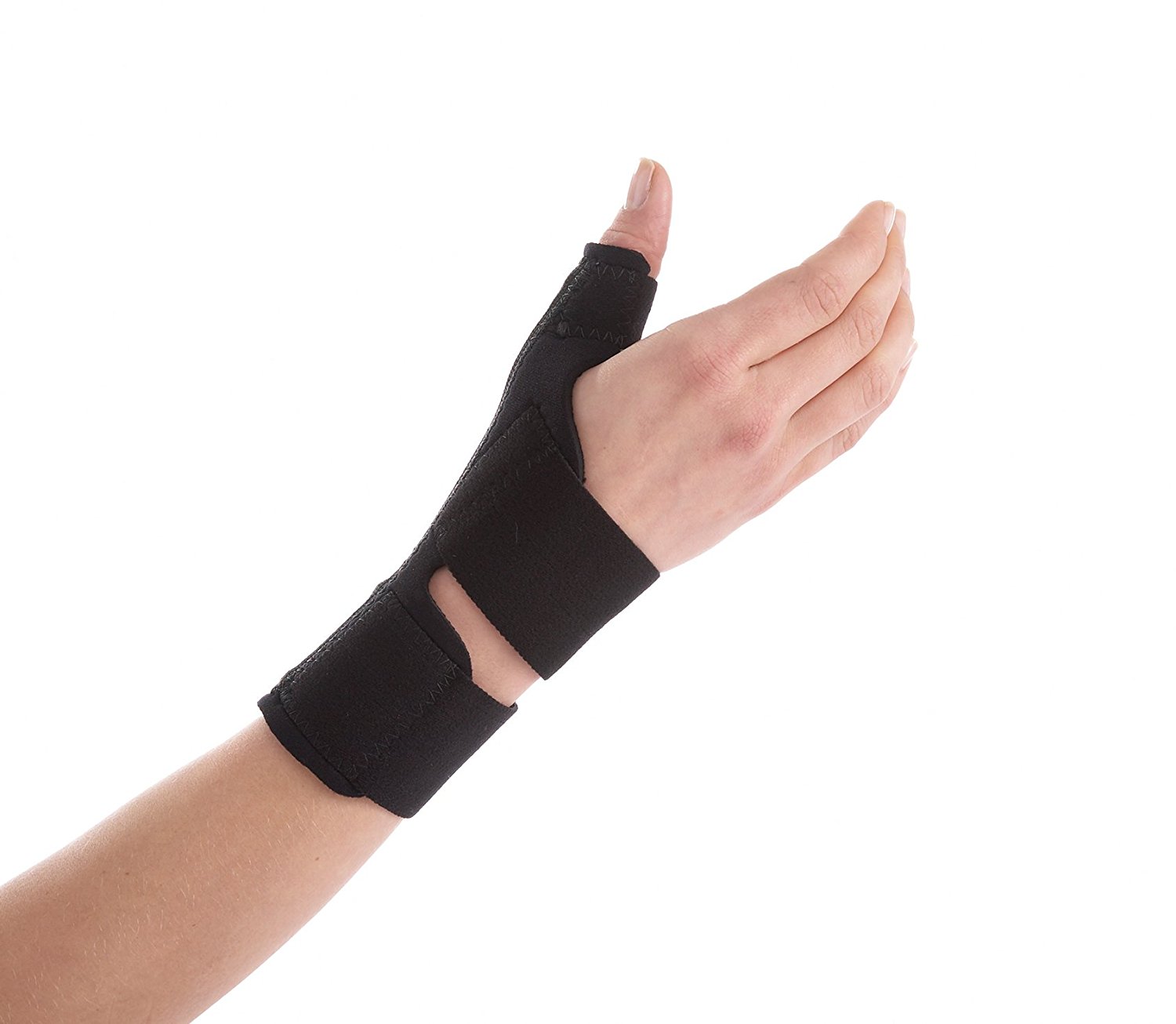
- Use a Wrist Splint: A wrist splint can help immobilize the wrist and reduce strain on the tendons. You can purchase a wrist splint at a pharmacy or have one custom-made by an orthotist.
- Stretching and Exercise: Gentle stretching and exercises can help improve mobility and reduce stiffness. Try gently stretching your thumb and wrist, and perform exercises that strengthen the muscles in your hand and forearm.
Recovery Tips
Recovering from De Quervain’s involves a combination of self-care, physical therapy, and in some cases, medical treatment. Here are some recovery tips:
- Physical Therapy: A physical therapist can help you develop a customized exercise program to improve mobility, strength, and flexibility in your wrist and thumb. They can also provide guidance on how to modify your activities to avoid exacerbating the condition.
- Pain Management: Over-the-counter pain medications, such as ibuprofen or acetaminophen, can help manage pain and inflammation. In some cases, your doctor may prescribe stronger pain medications or corticosteroid injections to reduce inflammation.
- Ergonomic Modifications: Making ergonomic modifications to your workspace or daily activities can help reduce the strain on your wrist. This may involve adjusting the height of your desk, using a wrist rest while typing, or avoiding activities that involve repetitive gripping or grasping.
- Surgery: In severe cases, surgery may be necessary to release the tendon sheath and relieve pressure on the tendons. Surgery is usually considered a last resort and is typically only recommended if other treatments have failed to provide relief.
Preventing Future Episodes
Preventing future episodes of De Quervain’s involves making lifestyle modifications to reduce the strain on your wrist. Here are some prevention tips:
- Maintain Good Posture: Maintaining good posture can help reduce the strain on your wrist and prevent future episodes.
- Take Regular Breaks: Taking regular breaks to stretch and move around can help reduce the risk of developing De Quervain’s.
- Use Proper Techniques: Using proper techniques when performing activities that involve gripping or grasping can help reduce the strain on your wrist.
- Strengthen Your Wrist and Forearm: Strengthening the muscles in your wrist and forearm can help improve mobility and reduce the risk of developing De Quervain’s.
FAQs
What are the symptoms of De Quervain's tenosynovitis?
+The symptoms of De Quervain's tenosynovitis include pain and tenderness on the thumb side of the wrist, especially when forming a fist, grasping, or turning the wrist. You may also experience swelling or a catching sensation when moving the thumb.
How long does it take to recover from De Quervain's?
+The recovery time for De Quervain's varies depending on the severity of the condition and the effectiveness of treatment. With proper treatment and self-care, most people can recover from De Quervain's within 4-6 weeks. However, in some cases, it may take several months for the symptoms to fully resolve.
Can De Quervain's be prevented?
+While it's not possible to completely prevent De Quervain's, you can reduce your risk of developing the condition by maintaining good posture, taking regular breaks, using proper techniques, and strengthening your wrist and forearm.
Conclusion
De Quervain’s tenosynovitis is a painful condition that can be managed with the right treatment and self-care. By understanding the causes and symptoms of the condition, you can take steps to relieve your symptoms and promote recovery. Remember to seek medical attention if your symptoms persist or worsen over time. With proper treatment and care, you can reduce your risk of developing De Quervain’s and promote long-term health and well-being.