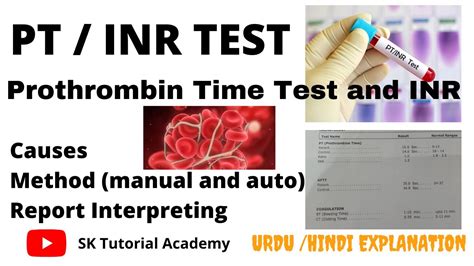
Managing anticoagulation therapy, particularly for patients on warfarin, requires careful monitoring of International Normalized Ratio (INR) levels. The prothrombin time (PT) test, which measures how long it takes blood to clot, is a crucial tool in this process. An elevated INR indicates a higher risk of bleeding, while a low INR suggests a greater risk of thrombosis. Therefore, understanding how to lower INR levels is essential for individuals undergoing anticoagulation therapy.
Understanding INR and Warfarin Therapy
Warfarin is a commonly prescribed anticoagulant that works by inhibiting the production of vitamin K-dependent clotting factors in the liver, thus prolonging blood clotting time. The effectiveness of warfarin is measured by the INR, which standardizes the results of the PT test. An INR range of 2.0 to 3.0 is typically targeted for most indications, though this can vary depending on the specific condition being treated and individual patient factors.
Factors Influencing INR Levels
Several factors can influence INR levels, including:
- Diet: Vitamin K-rich foods can decrease the effectiveness of warfarin, potentially lowering INR levels. Foods high in vitamin K include leafy greens like spinach, kale, and broccoli, as well as fermented foods like sauerkraut.
- Medications: Interactions with other drugs can significantly impact INR levels. Certain antibiotics, anti-fungals, and even some herbal supplements can increase INR, while others may decrease it.
- Alcohol Consumption: Excessive alcohol consumption can affect liver function and, consequently, warfarin metabolism.
- Health Conditions: Liver disease, kidney disease, and heart failure can influence warfarin dosing and INR levels.
Strategies to Lower INR Levels
If your INR levels are too high, indicating an increased risk of bleeding, your healthcare provider may recommend the following strategies:
Temporary Dose Reduction or Withholding: The most straightforward approach to lowering high INR levels is to reduce the dose of warfarin temporarily or withhold it for a short period. This decision should be made under the guidance of a healthcare provider.
Vitamin K Administration: In situations where INR levels are dangerously high, healthcare providers may administer vitamin K to rapidly correct the INR. However, this is typically reserved for acute situations due to the risk of making the patient resistant to warfarin therapy.
Dietary Adjustments: Increasing consumption of foods rich in vitamin K can help counteract the effects of warfarin. It’s essential to maintain a consistent diet and inform your healthcare provider of any significant changes in dietary habits.
Managing Interacting Medications: Reviewing and adjusting other medications that may be interacting with warfarin can help stabilize INR levels.
Regular Monitoring: Regular PT/INR checks are crucial for managing anticoagulation therapy. These tests help healthcare providers adjust warfarin doses to maintain the target INR range.
Protime Test Guidance
The prothrombin time (PT) test measures the integrity of the extrinsic and common coagulation pathways. When combined with the INR calculation, it provides a standardized measure of anticoagulation. Here are some key points regarding the protime test:
Frequency of Testing: The frequency of PT/INR testing depends on the stability of the patient’s INR levels and the specific clinical scenario. Patients with newly initiated warfarin therapy or those with significant changes in their condition may require more frequent monitoring.
Interpreting Results: Understanding the implications of PT/INR results requires knowledge of the target range for the patient’s condition. Most patients on warfarin for atrial fibrillation or venous thromboembolism have a target INR range of 2.0 to 3.0.
Adjusting Warfarin Dose: Based on PT/INR results, healthcare providers adjust the warfarin dose to maintain the target INR range. This may involve increasing the dose if INR levels are too low or decreasing the dose if INR levels are too high.
Conclusion
Managing INR levels is a delicate process that requires careful consideration of diet, medications, health conditions, and lifestyle factors. By understanding how these factors influence INR levels and working closely with healthcare providers, individuals on warfarin therapy can minimize their risk of both thrombosis and bleeding. Regular protime tests and adherence to recommended dietary and medication adjustments can help maintain stable INR levels within the target range, ensuring the effectiveness of anticoagulation therapy while minimizing its risks.
Frequently Asked Questions
What foods should I avoid while taking warfarin to prevent INR fluctuations?
+Avoid making significant changes to your diet. If you consume foods high in vitamin K, try to maintain a consistent intake. However, if you plan to significantly increase or decrease your consumption of these foods, inform your healthcare provider, as adjustments to your warfarin dose may be necessary.
How often should I get my INR checked?
+The frequency of INR checks depends on your condition, the stability of your INR levels, and changes in your medication or health status. Your healthcare provider will determine the best schedule for you, which can range from weekly to monthly checks.
What should I do if my INR level is too high?
+If your INR level is too high, your healthcare provider may recommend reducing your warfarin dose or temporarily withholding it. In urgent situations, vitamin K may be administered to rapidly lower the INR. Always follow the specific advice of your healthcare provider.