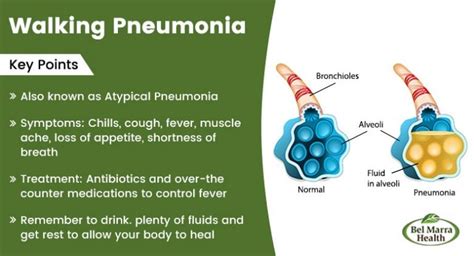
Walking pneumonia, also known as atypical pneumonia, is a mild form of pneumonia that can be caused by various bacteria, viruses, or other microorganisms. It is called “walking” pneumonia because its symptoms are often mild enough that one can still be walking around rather than being bedridden. However, it’s crucial to treat walking pneumonia properly to prevent complications and ensure a full recovery. Here’s a comprehensive guide on how to treat walking pneumonia.
Understanding Walking Pneumonia
Before diving into the treatment, it’s essential to understand the basics of walking pneumonia. This condition is typically caused by Mycoplasma pneumoniae, although other bacteria and viruses can also be responsible. Symptoms can include a mild cough, fever, sore throat, headache, and fatigue. Unlike traditional pneumonia, walking pneumonia often doesn’t require hospitalization and can be managed at home with the right treatment and care.
Medical Treatment
The primary treatment for walking pneumonia involves antibiotics if the cause is bacterial. Since walking pneumonia is often caused by Mycoplasma pneumoniae, which is a bacterium, antibiotics such as azithromycin (Zithromax) or doxycycline (Vibramycin) are commonly prescribed. It’s crucial to complete the full course of antibiotics as prescribed by your doctor, even if symptoms improve before finishing the medication, to ensure the infection is fully cleared.
For viral causes, antibiotics won’t be effective, and treatment focuses on relieving symptoms. Antiviral drugs may be prescribed in some cases, depending on the virus identified.
Home Care and Remedies
While medical treatment is essential, there are several home care strategies and remedies that can help alleviate symptoms and support recovery:
- Rest: Give your body the rest it needs. Aim for at least 8 hours of sleep per night and take naps during the day if needed.
- Hydration: Drink plenty of fluids, such as water, clear broths, and electrolyte-rich beverages like sports drinks. This helps loosen mucus and keep your body hydrated.
- Warm Liquids: Consuming warm liquids like tea, broth, or soup can help soothe a sore throat and ease congestion.
- Honey: For a sore throat, a spoonful of honey can be soothing. Mix it with warm water or tea for added relief.
- Over-the-counter Medications: For fever, headache, and body aches, over-the-counter medications like acetaminophen (Tylenol) or ibuprofen (Advil, Motrin) can be helpful. Always follow the recommended dosage and consult with your doctor before taking any medication.
- Humidifier: Using a humidifier in your home can help relieve cough and congestion by adding moisture to the air.
Nutritional Support
A balanced diet rich in nutrients can support your immune system during recovery. Include foods high in:
- Vitamin C: Found in citrus fruits, strawberries, and leafy greens, vitamin C can help boost your immune system.
- Zinc: Essential for immune function, zinc is found in foods like oysters, beef, chicken, and fortified cereals.
- Probiotics: Beneficial bacteria found in yogurt, kefir, and fermented vegetables can support gut health, which is linked to immune system function.
- Whole Grains: Brown rice, quinoa, whole-wheat bread, and whole-grain pasta provide essential vitamins, minerals, and fiber.
Monitoring Progress
It’s essential to monitor your symptoms and overall condition. If you notice any of the following, seek medical attention:
- Difficulty breathing
- Chest pain or severe cough
- Fever above 102°F (39°C)
- Vomiting or severe diarrhea
- Severe headache or confusion
Preventive Measures
To reduce the risk of getting walking pneumonia or spreading it to others:
- Practice Good Hygiene: Wash your hands frequently, especially after coughing or sneezing.
- Avoid Close Contact: Try to avoid close contact with people who are sick.
- Stay Home: If you’re sick, stay home from work or school to prevent spreading the infection.
- Get Vaccinated: Stay up to date with recommended vaccinations, including the flu vaccine and pneumonia vaccine for those at high risk.
Conclusion
Walking pneumonia, while less severe than traditional pneumonia, requires proper treatment and care to ensure a full recovery and prevent potential complications. By combining medical treatment with home care strategies and maintaining a healthy lifestyle, you can effectively manage walking pneumonia and support your body’s recovery. Always consult with a healthcare professional for personalized advice and treatment.
What are the common symptoms of walking pneumonia?
+Common symptoms include a mild cough, fever, sore throat, headache, and fatigue. Unlike traditional pneumonia, symptoms are often mild enough that one can still be active.
How is walking pneumonia typically treated?
+Treatment involves antibiotics for bacterial causes. For viral causes, the focus is on relieving symptoms. Rest, hydration, and over-the-counter medications for fever and pain are also recommended.
Can walking pneumonia be prevented?
+While not entirely preventable, practicing good hygiene, avoiding close contact with sick individuals, staying home when sick, and getting vaccinated can reduce the risk of getting walking pneumonia.
When should I seek medical attention for walking pneumonia?
+Seek medical attention if you experience difficulty breathing, chest pain, a fever above 102°F (39°C), vomiting, severe diarrhea, or severe headache and confusion.
Can I treat walking pneumonia at home without seeing a doctor?
+While some symptoms can be managed at home, it’s crucial to consult with a healthcare professional for proper diagnosis and treatment, especially to determine if antibiotics are needed.