
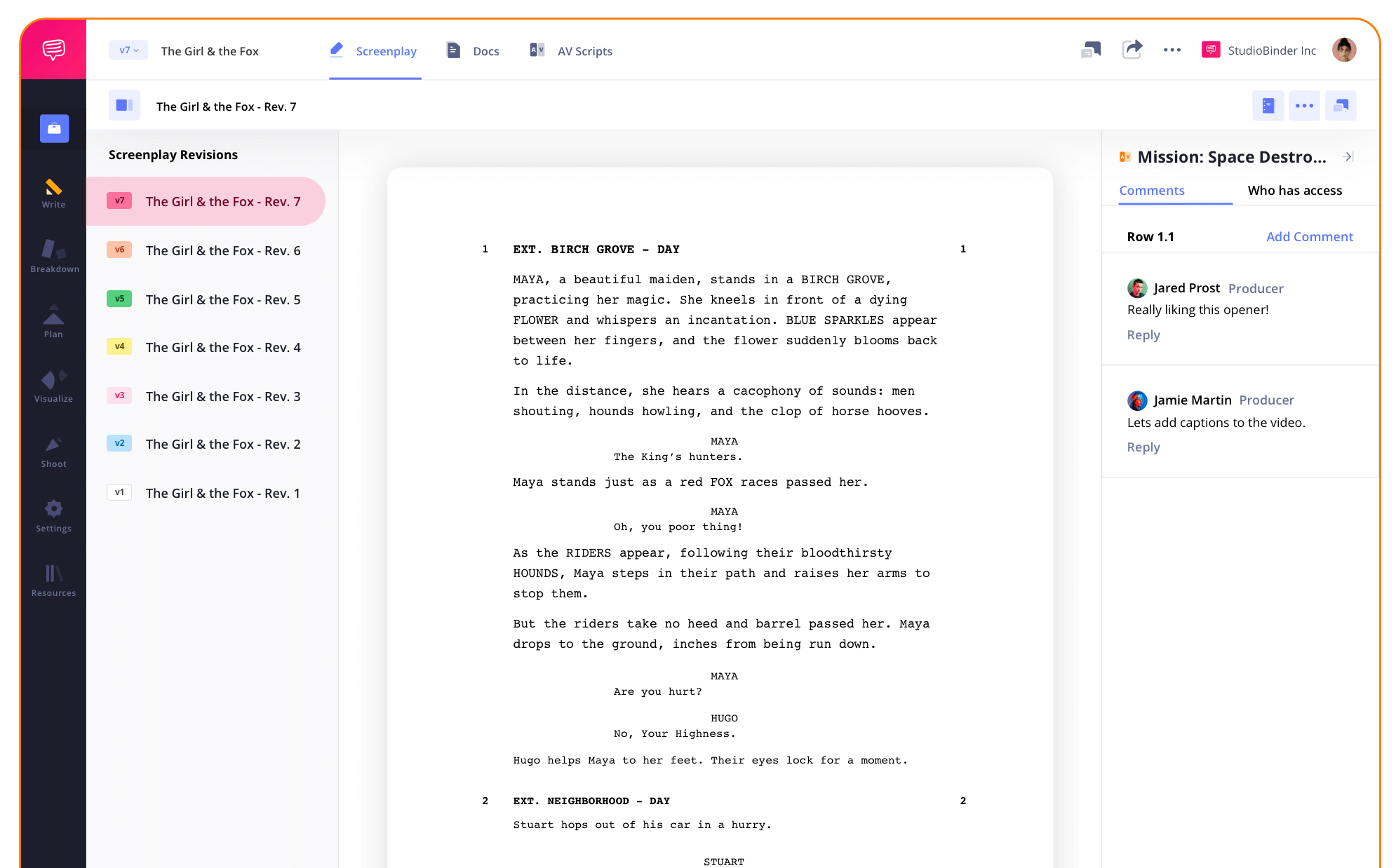
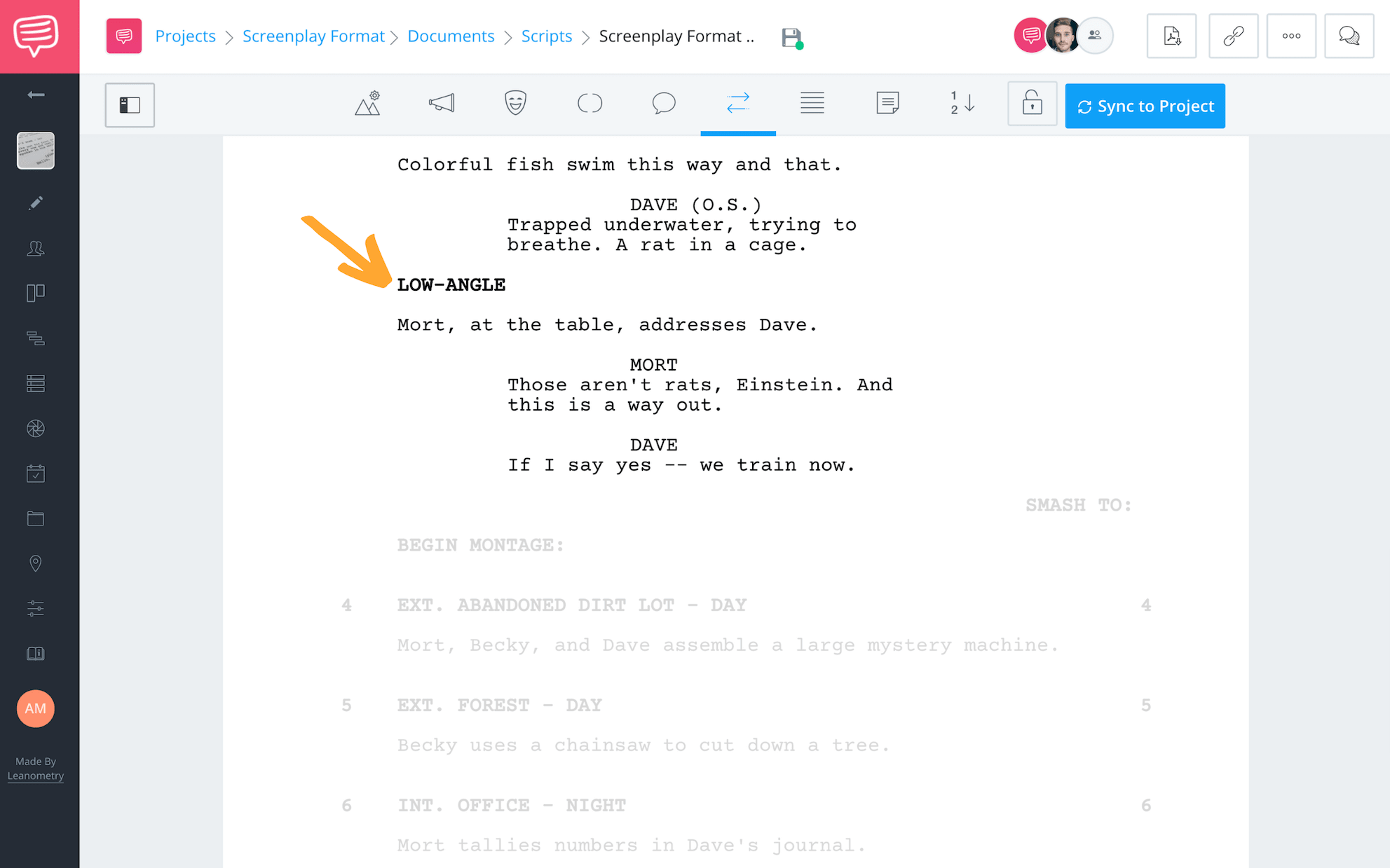
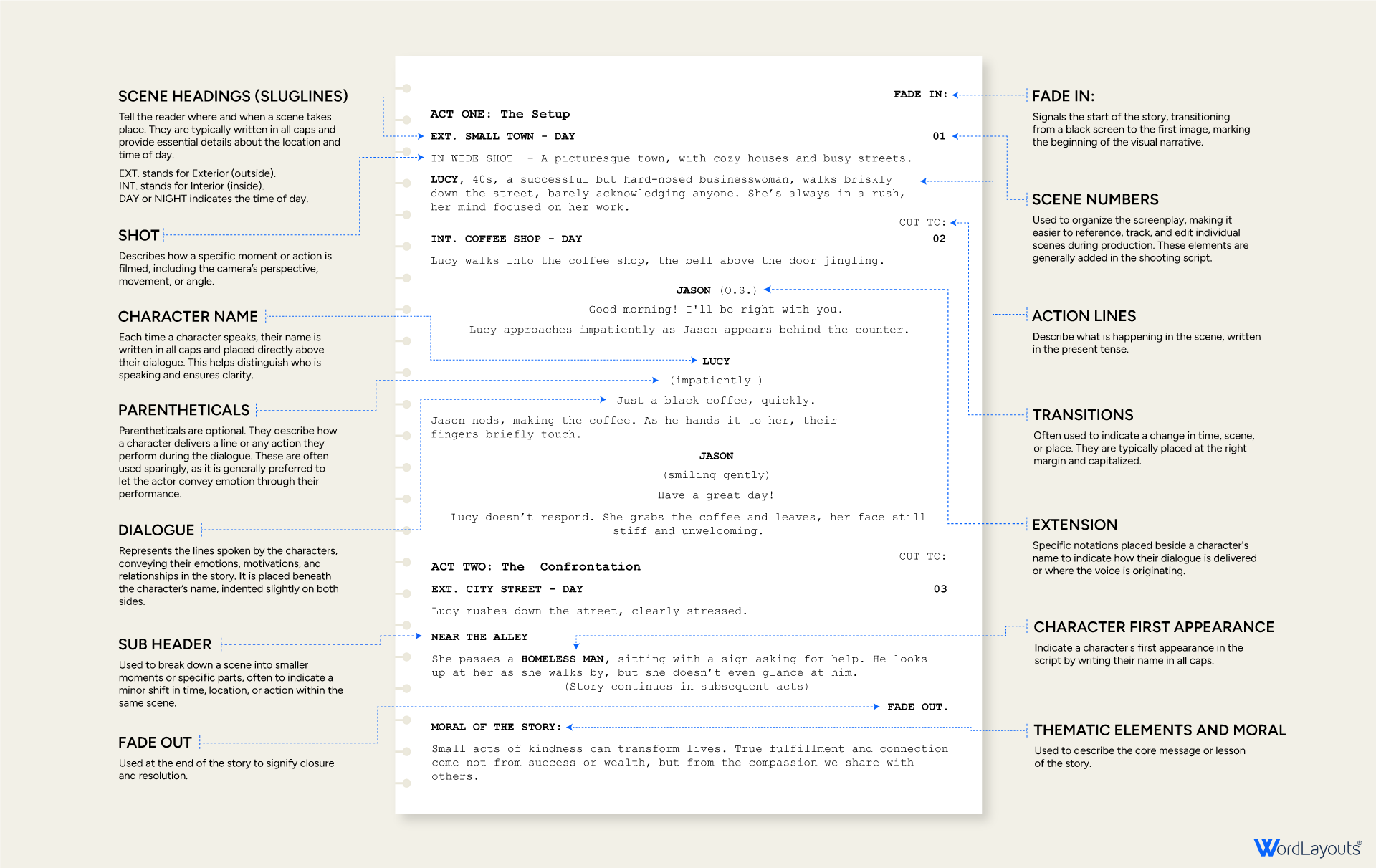
Understanding Screenplay Format
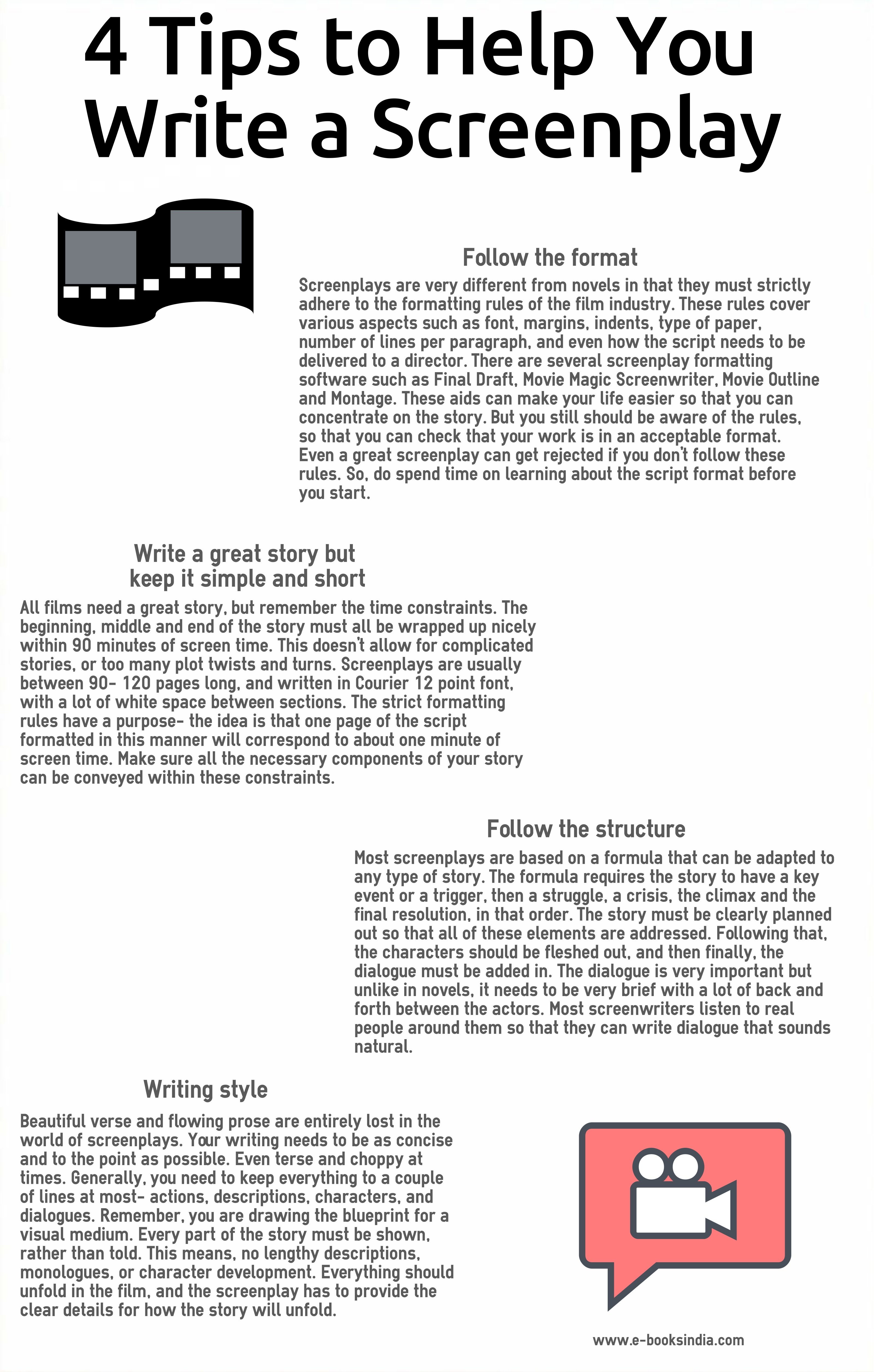
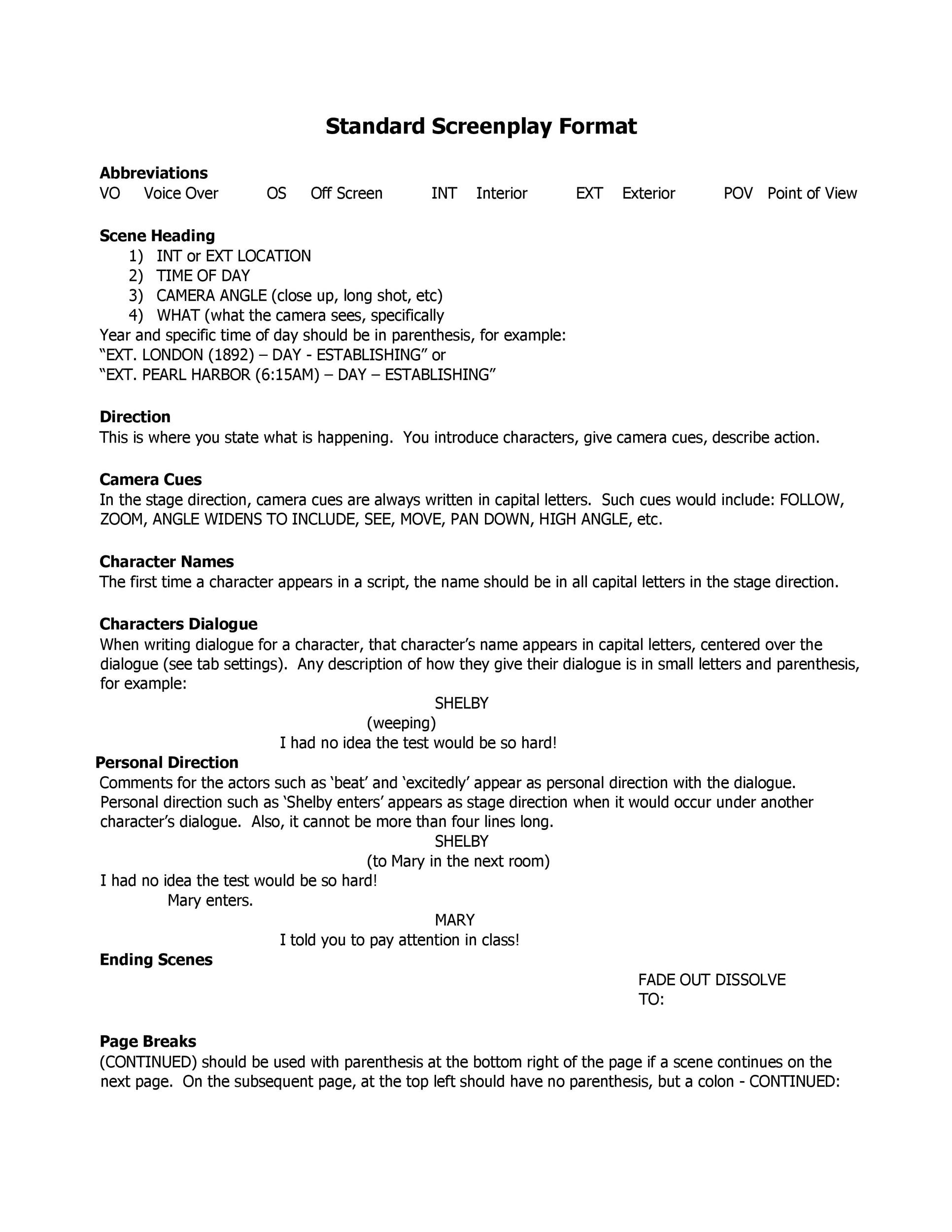
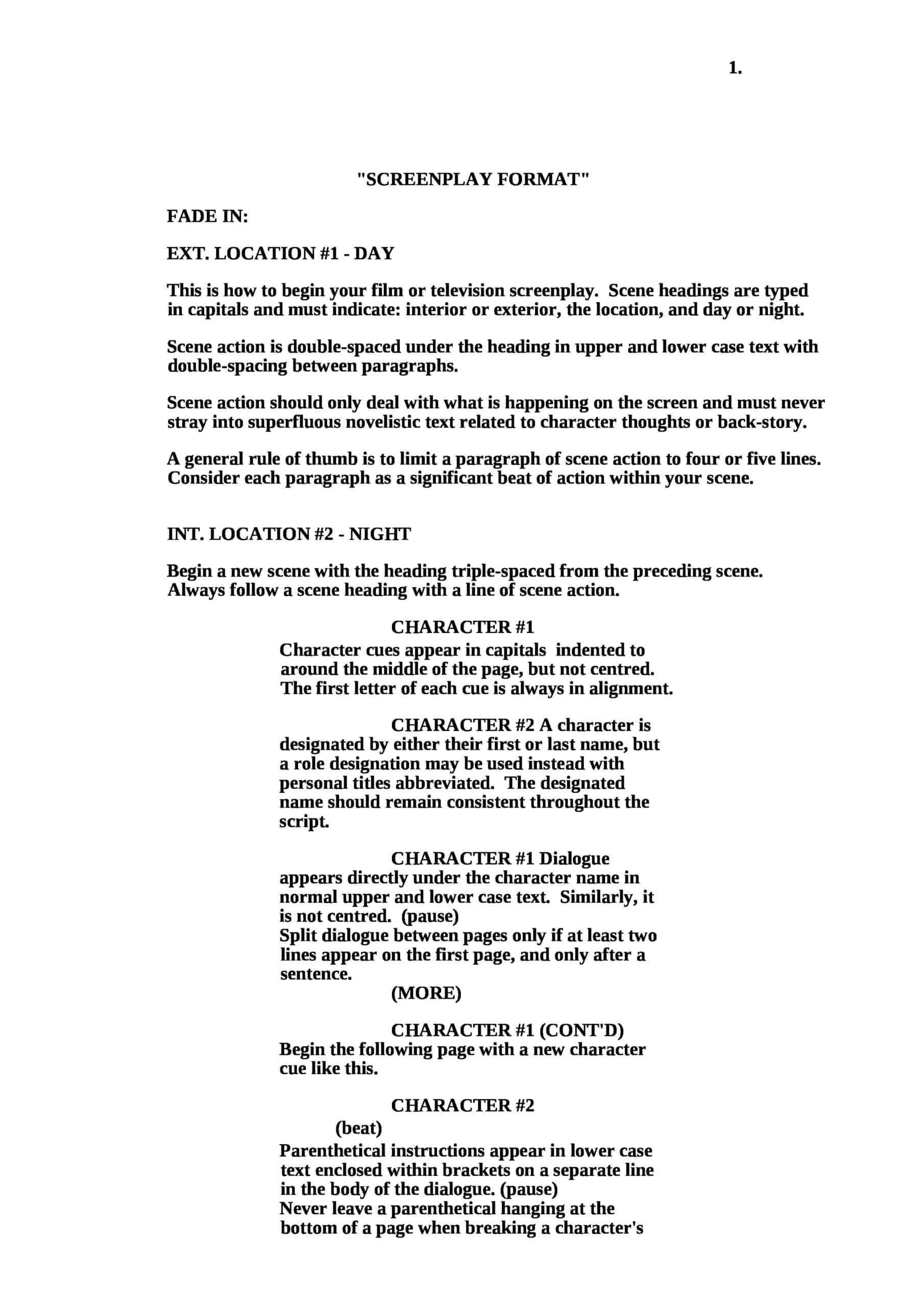
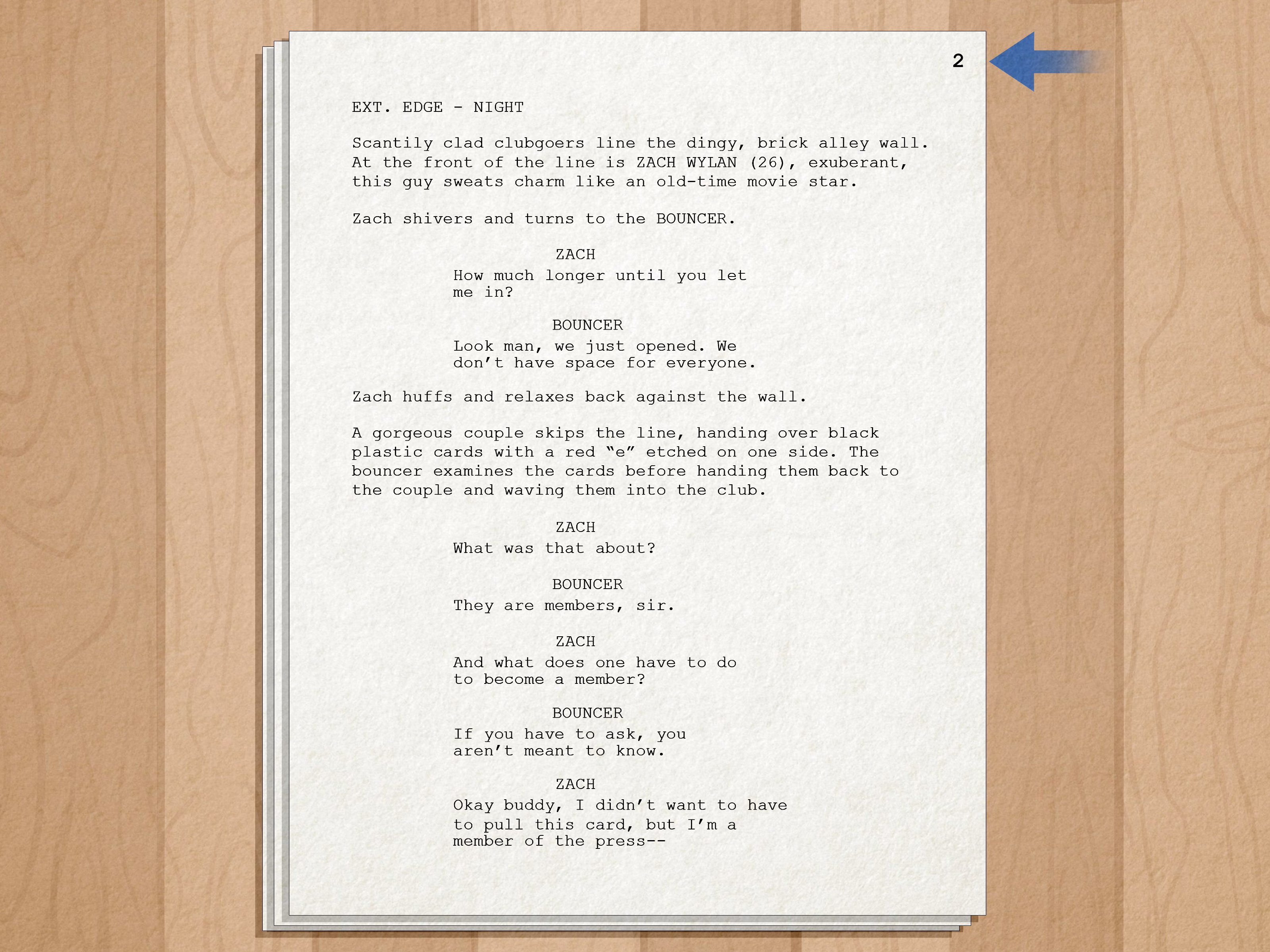
Screenplay format is the foundation of your script, ensuring your ideas are presented professionally. Here's a breakdown: For a closer look at something similar, my post on games kindergarteners play covers the details.
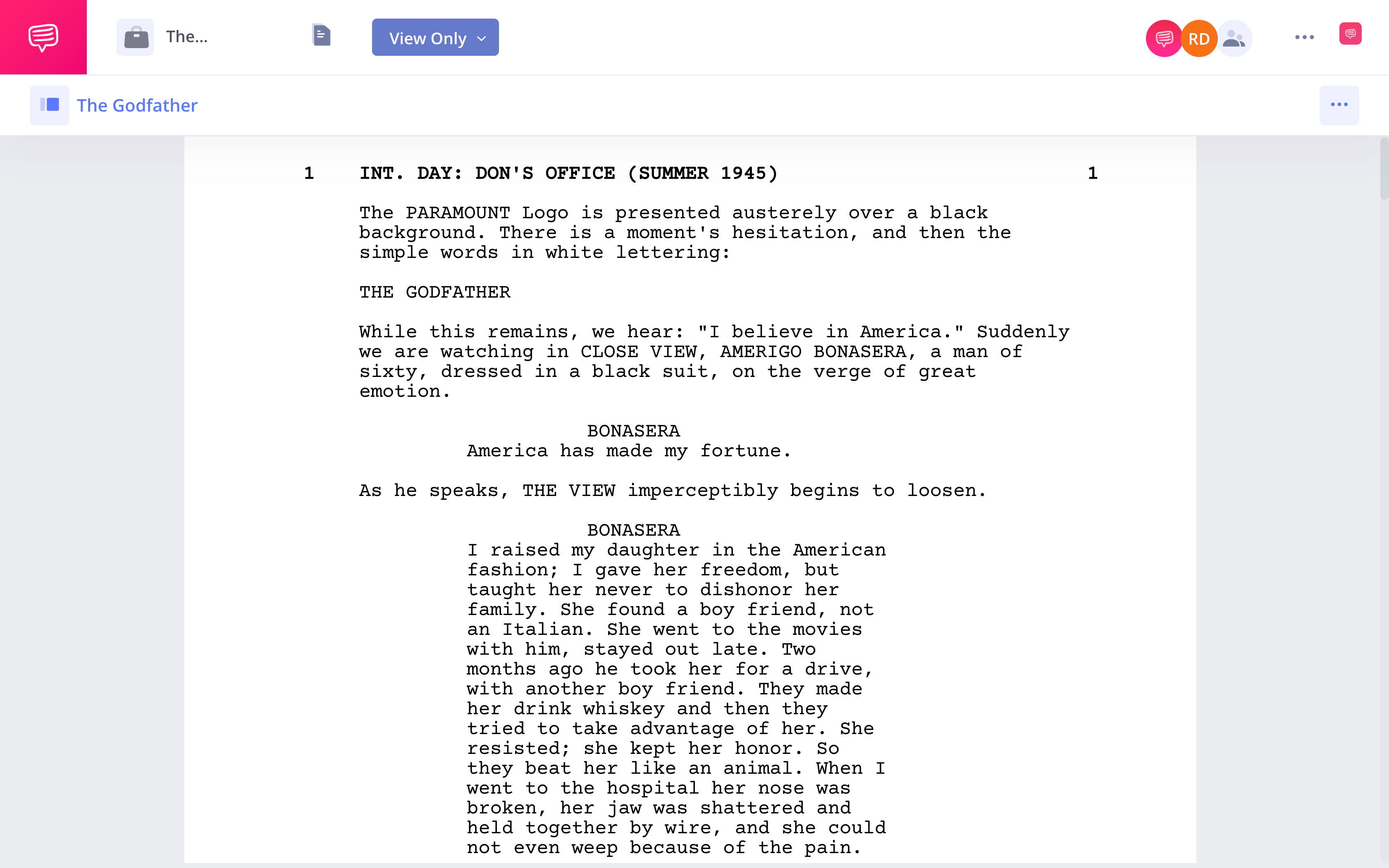
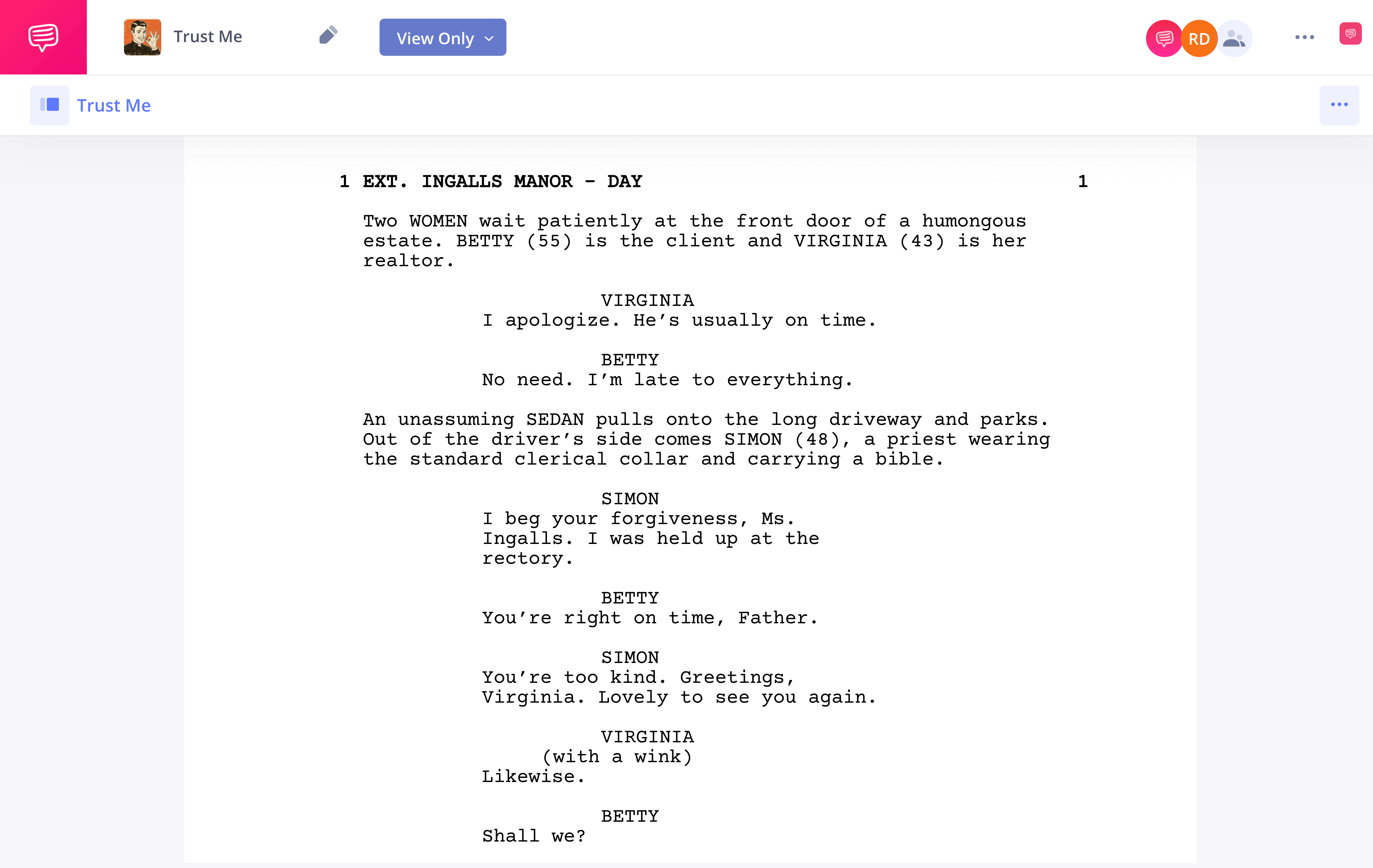
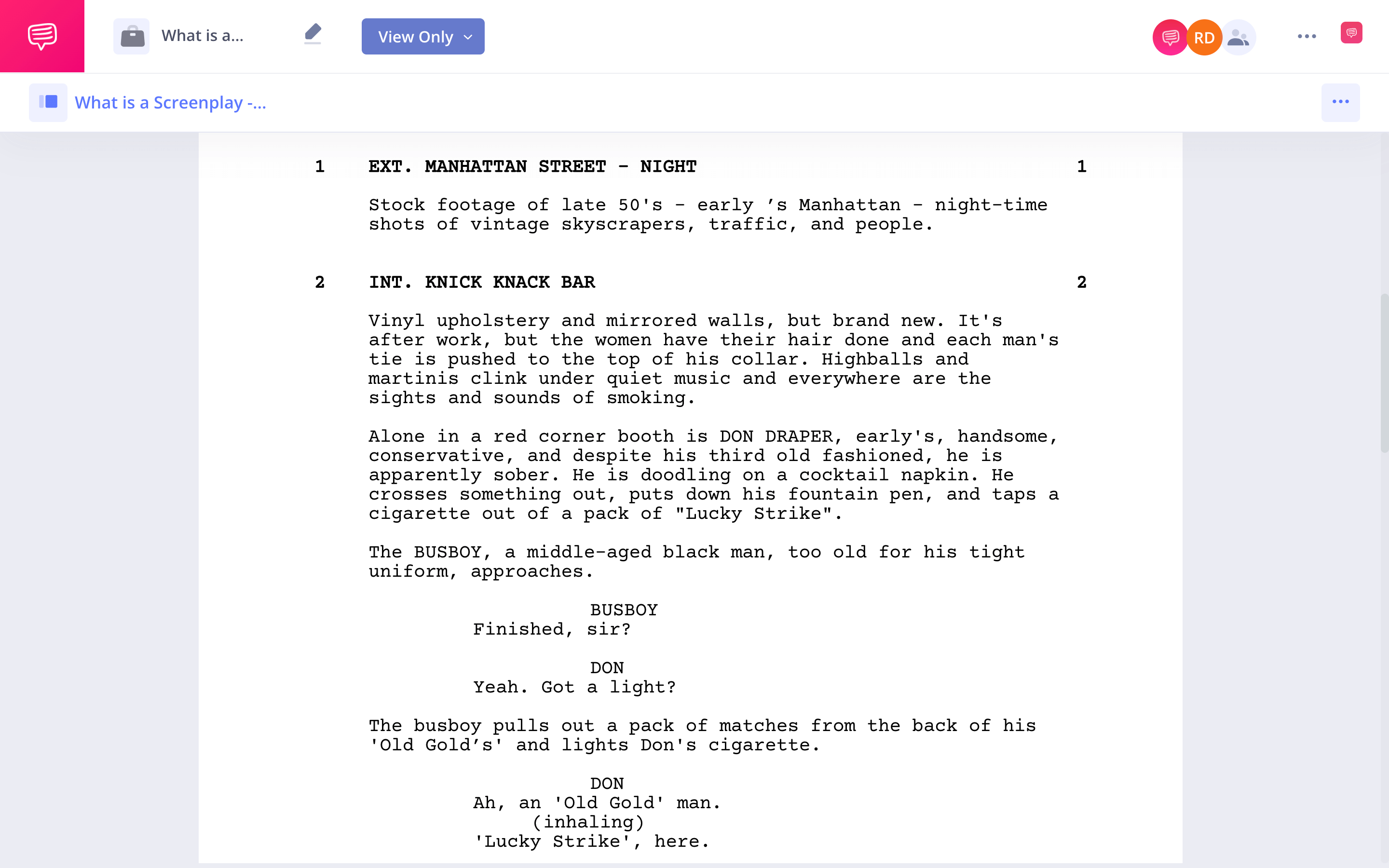
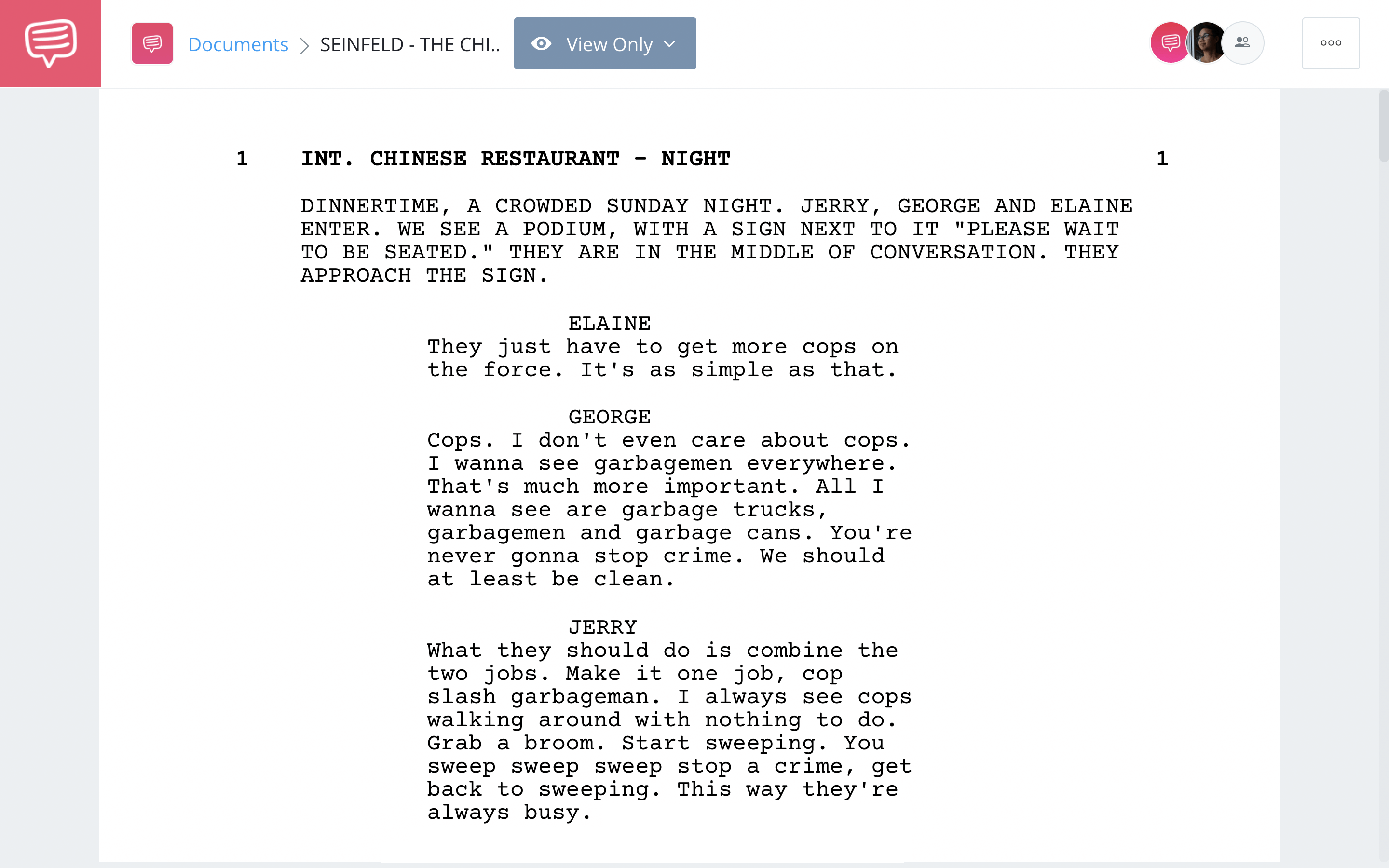
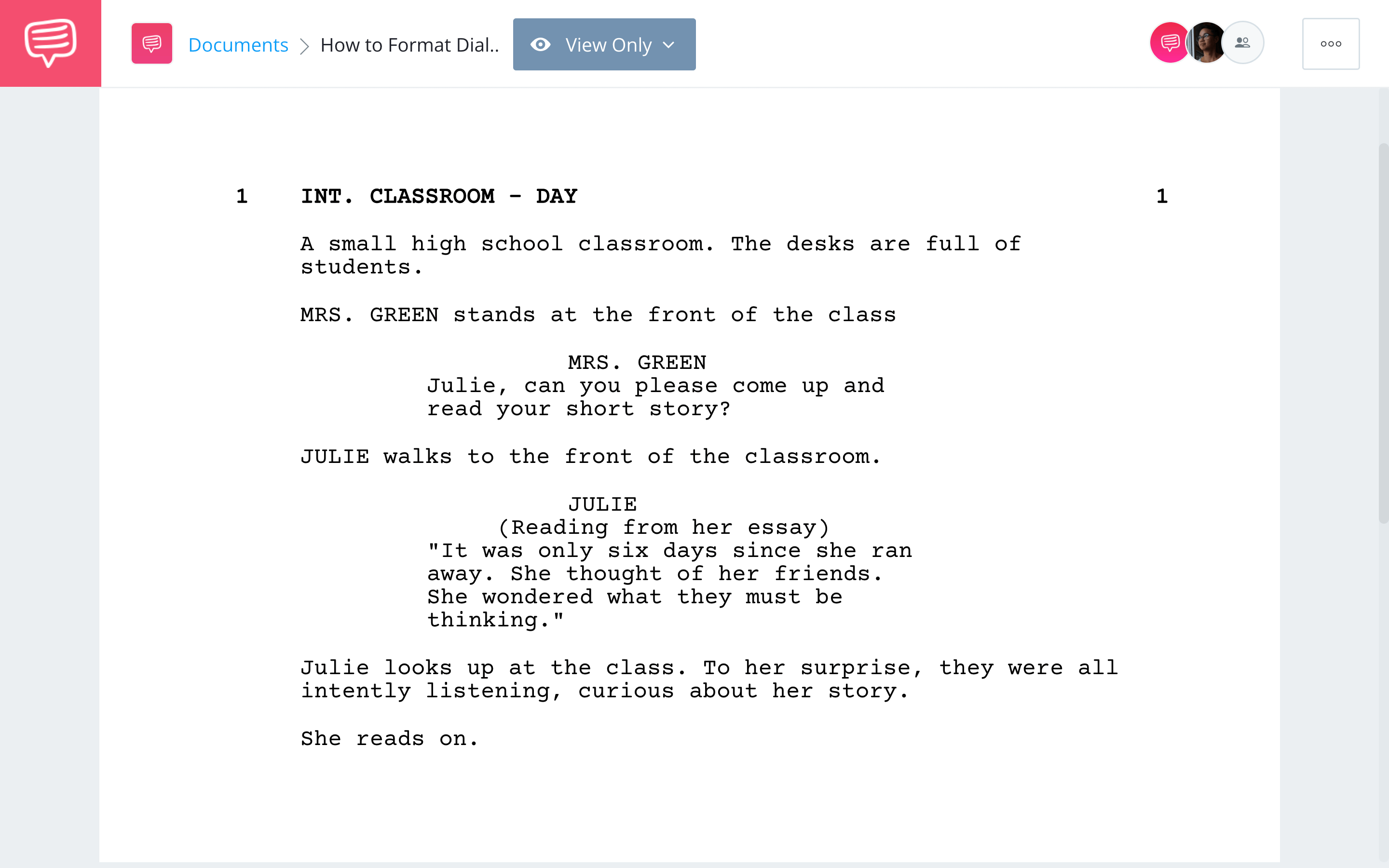
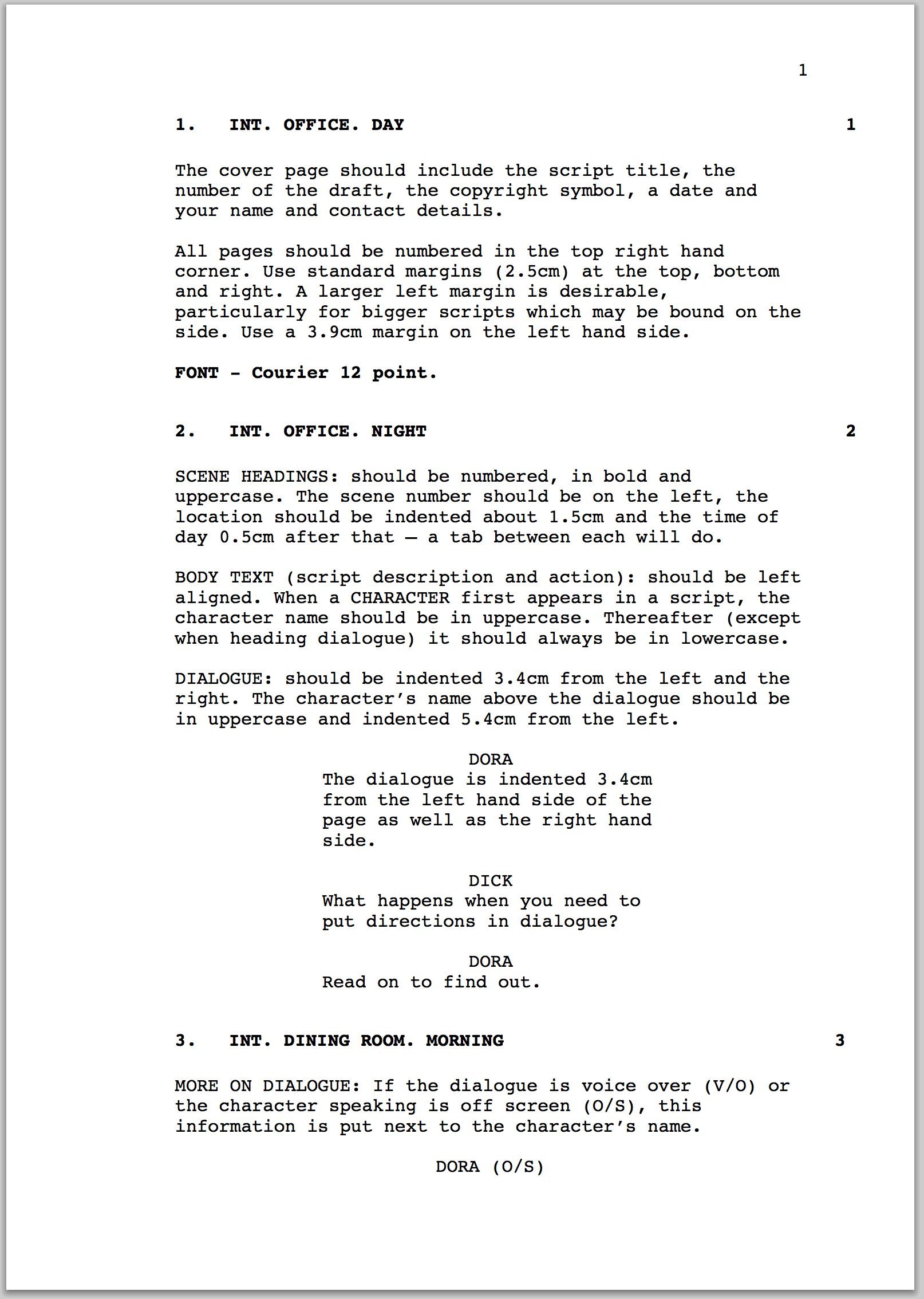
- Page Setup: Use standard A4 or US Letter size paper with 1-inch margins.
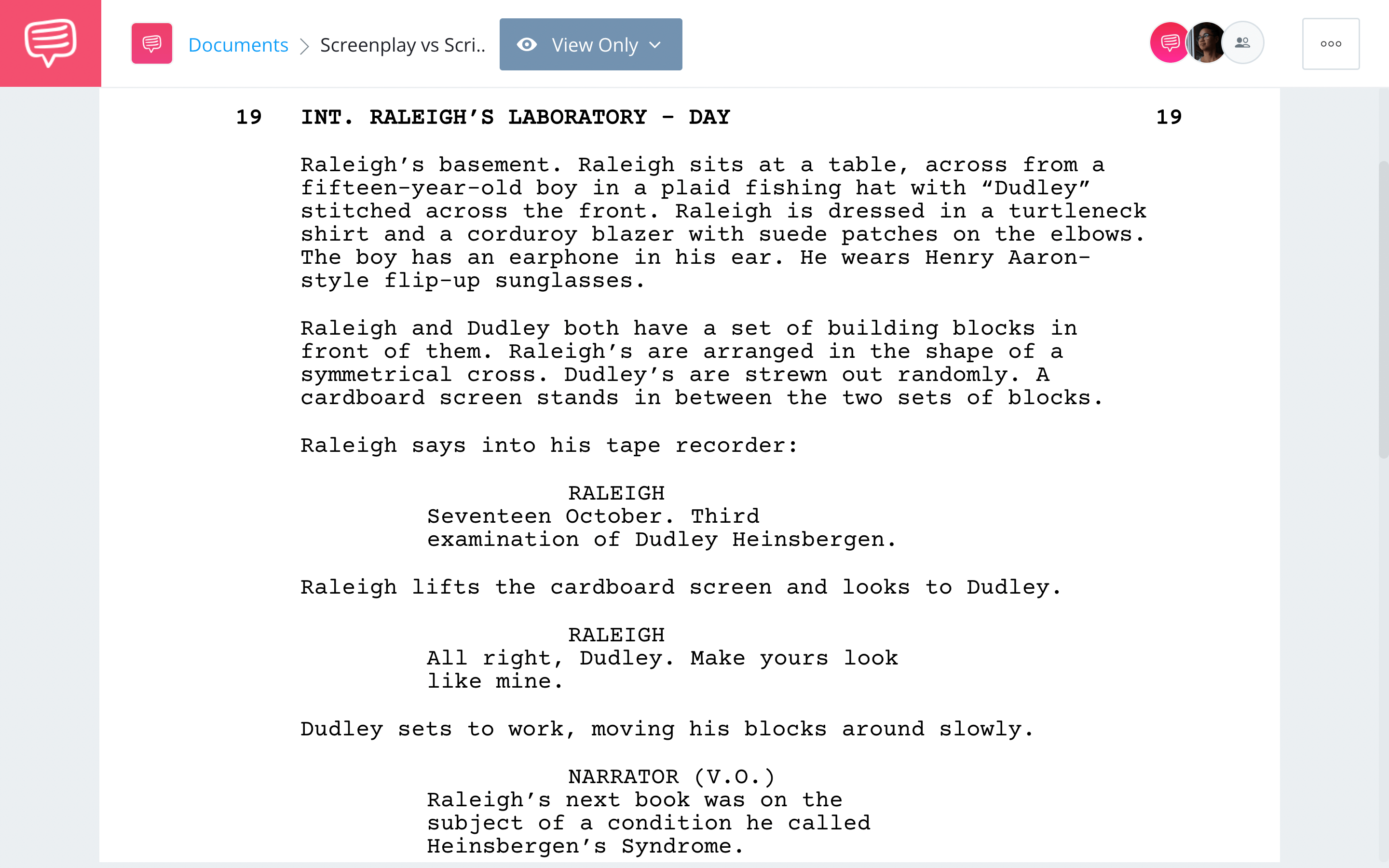
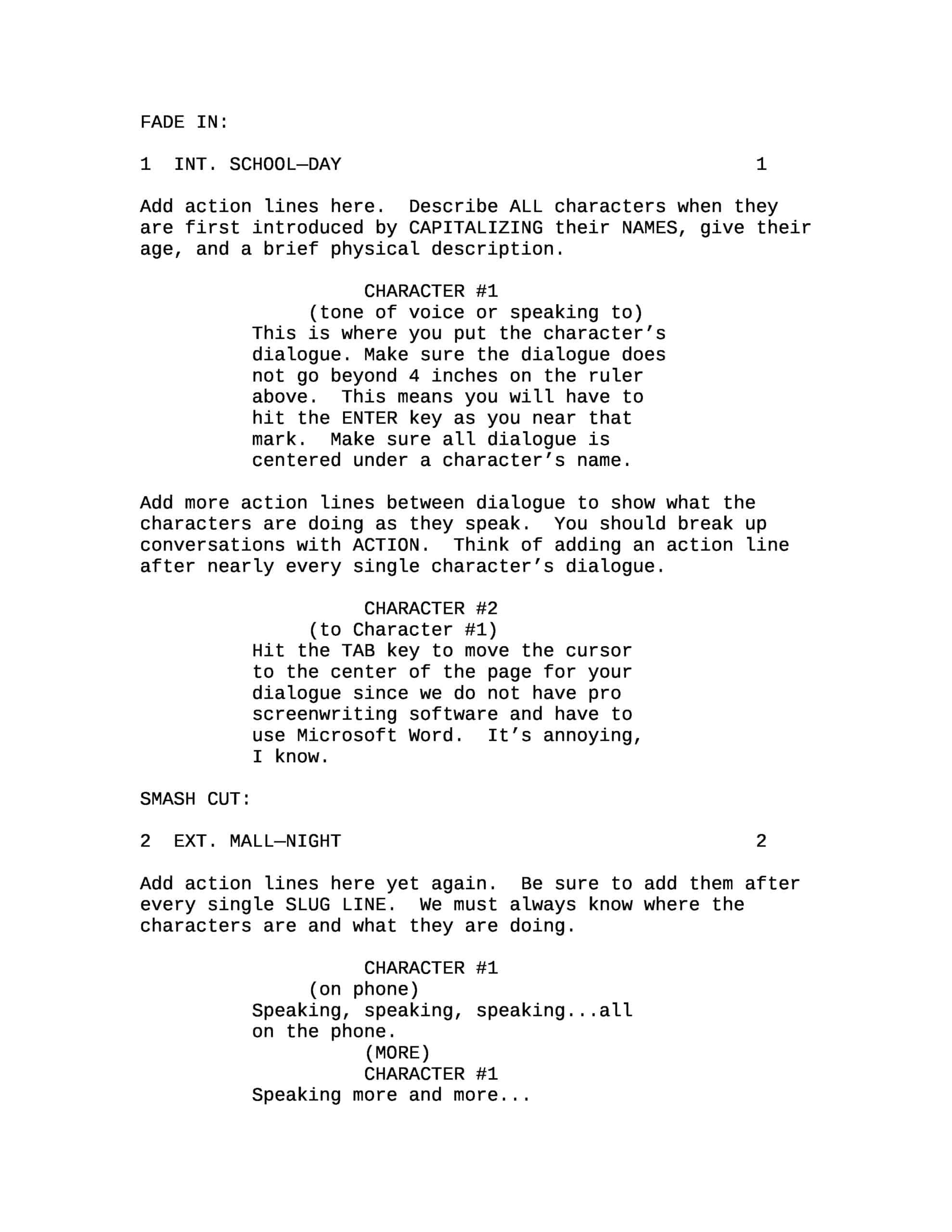
- Font and Spacing: Opt for a clean, readable font like Courier or Courier New, size 12, with double spacing.
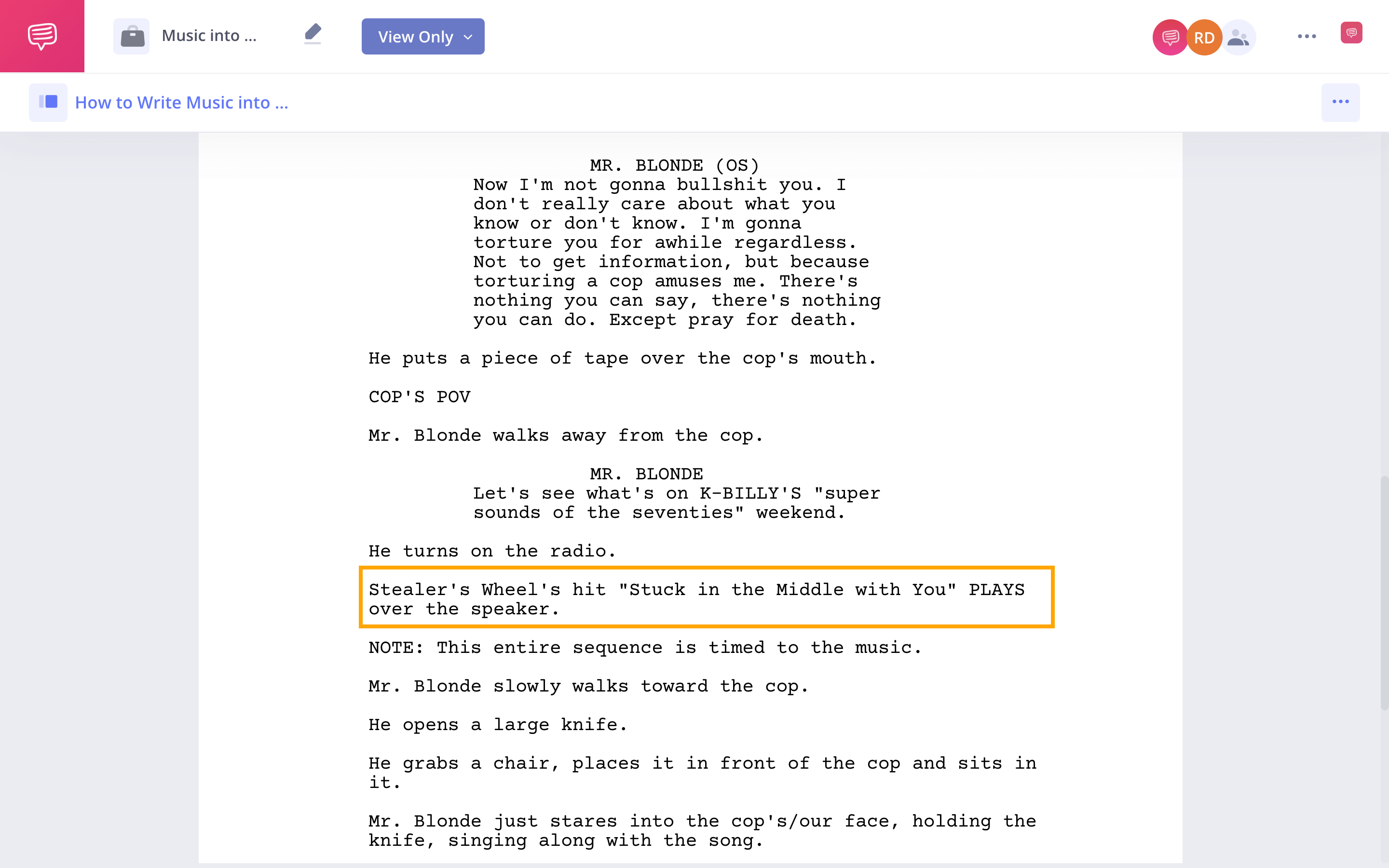
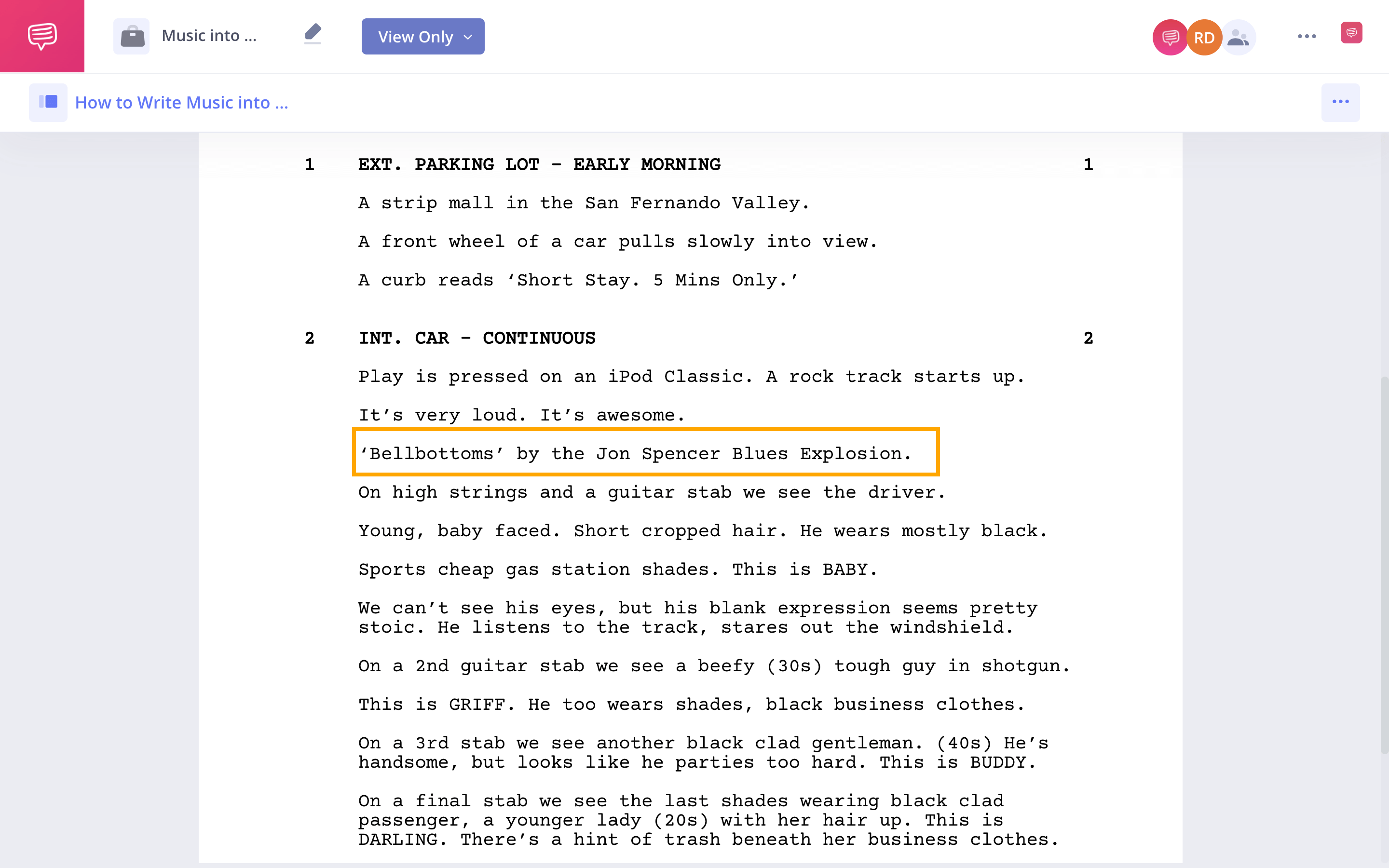
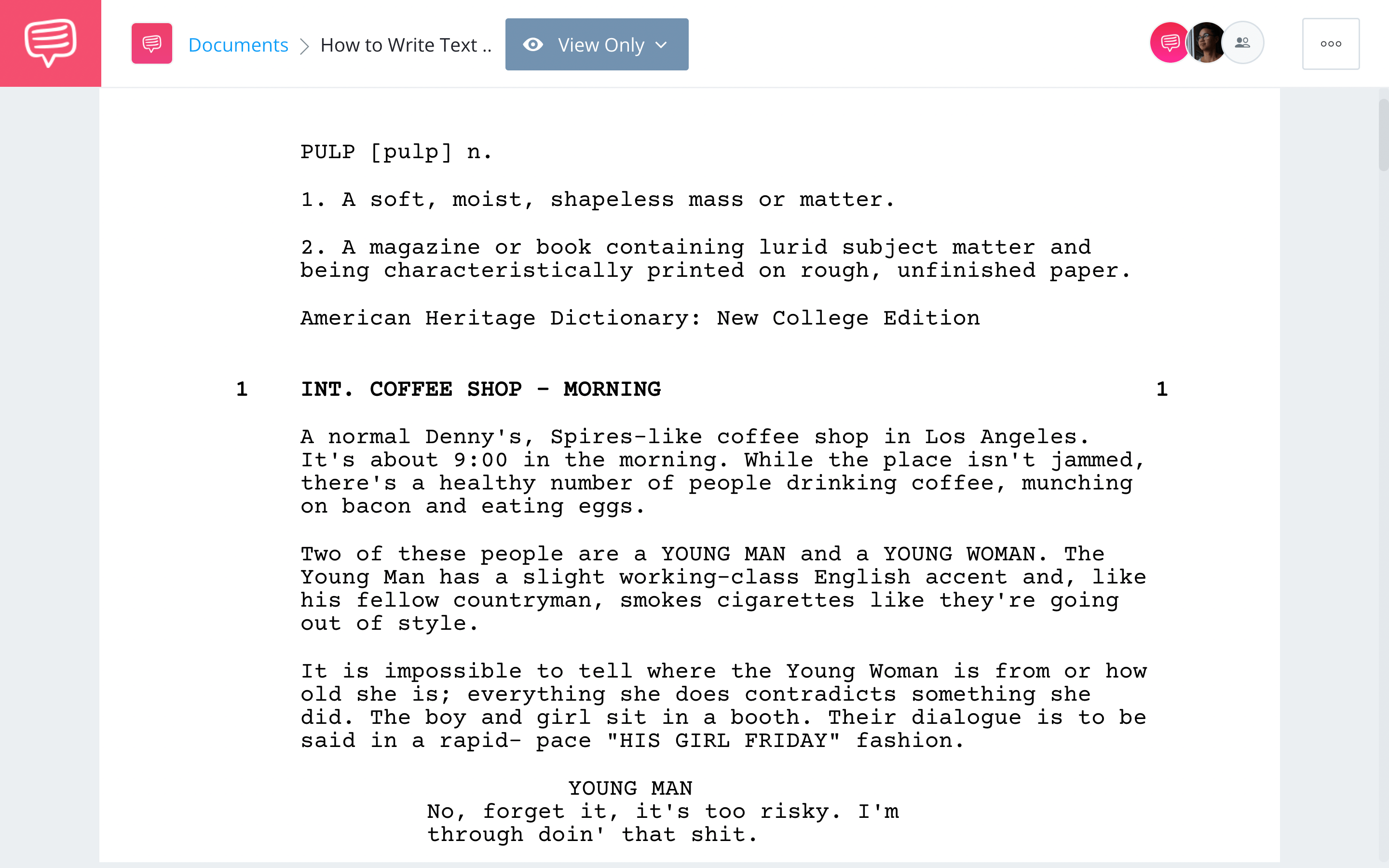
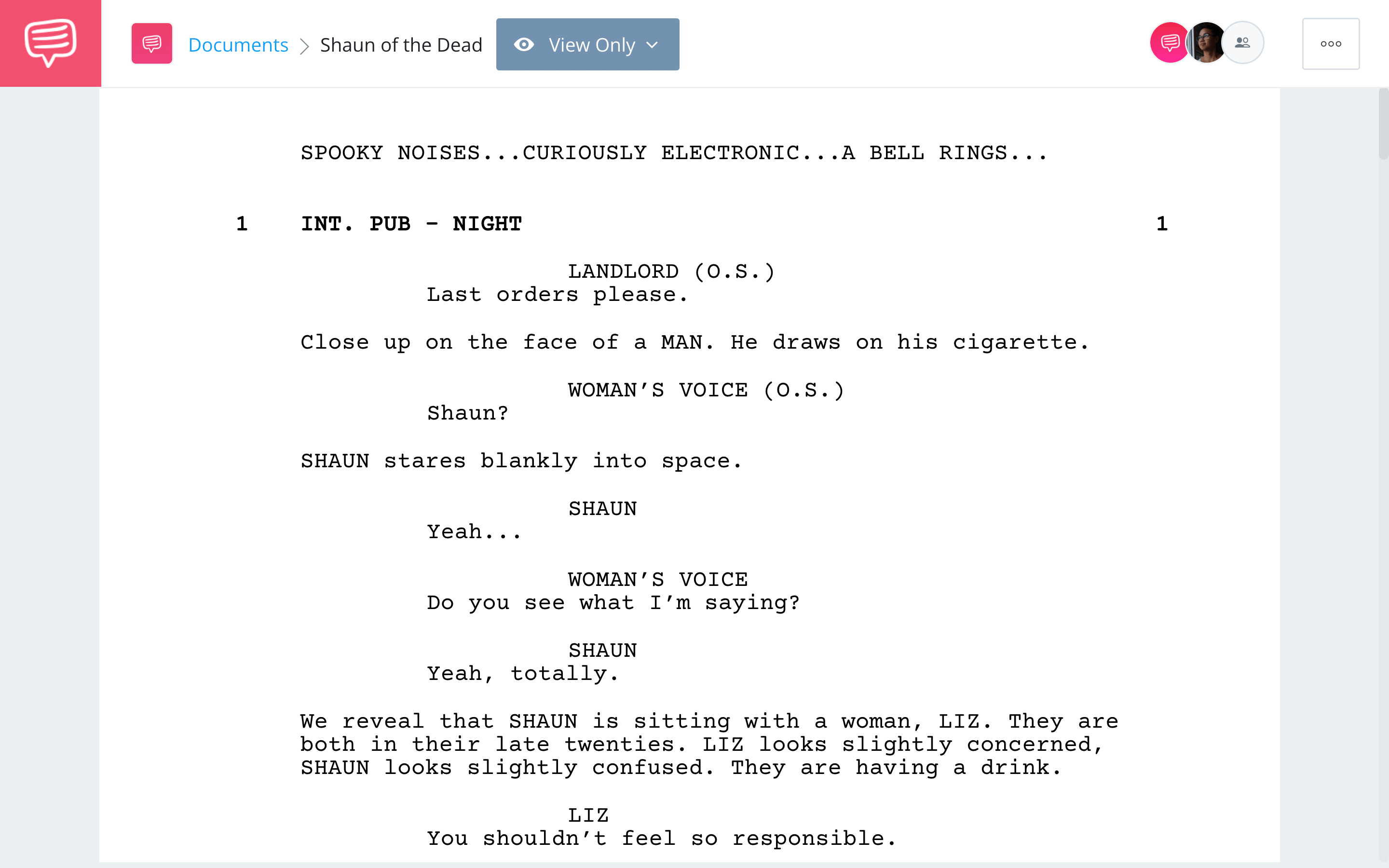
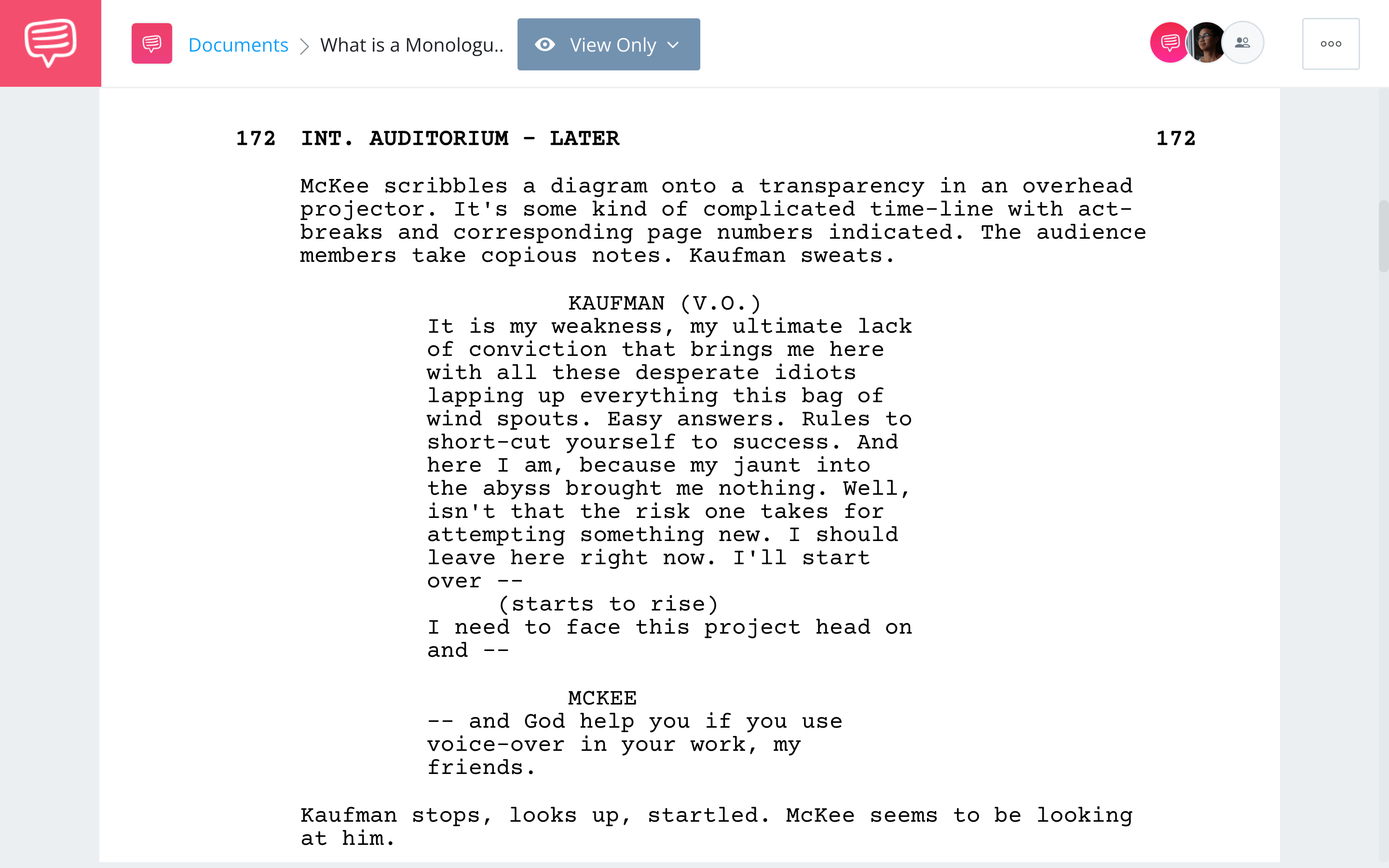
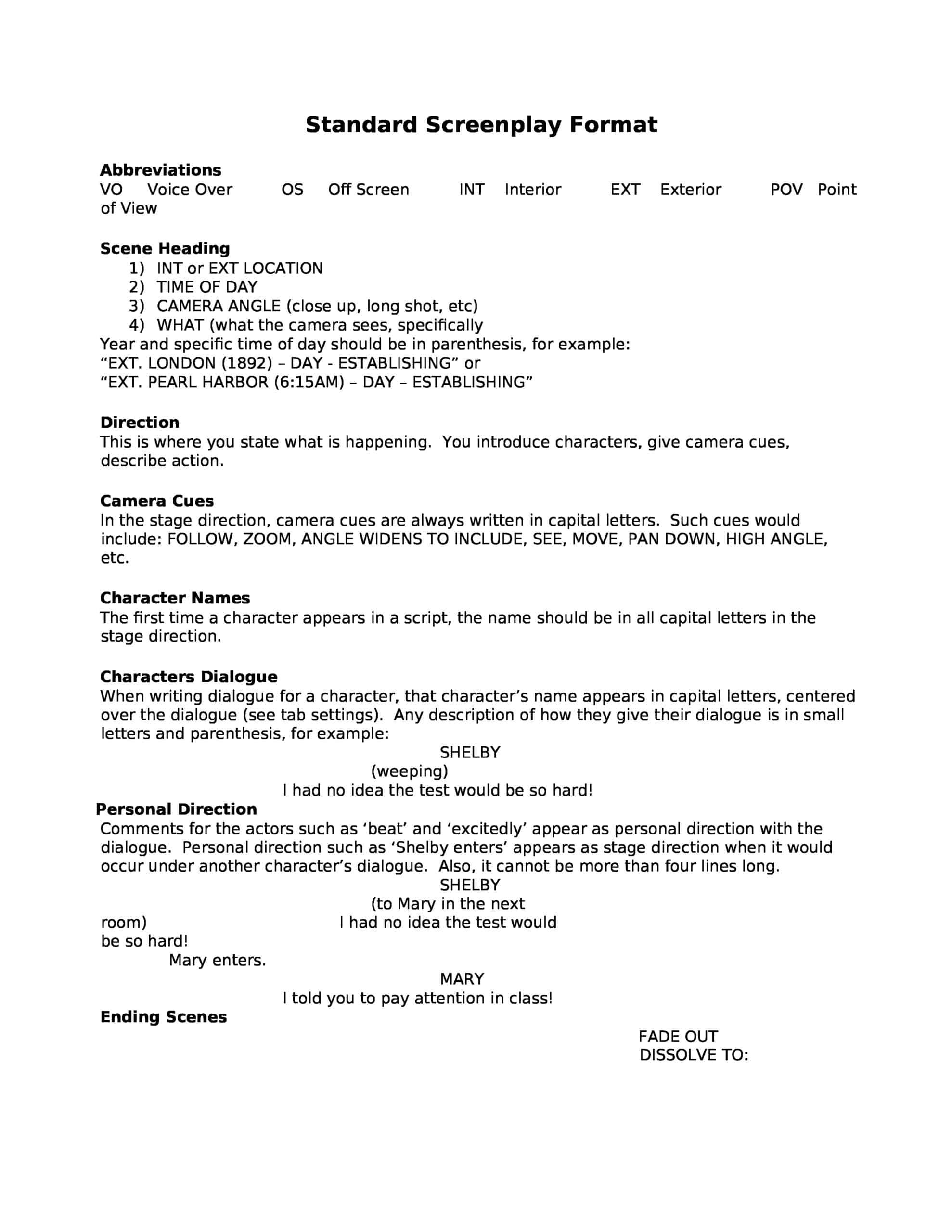
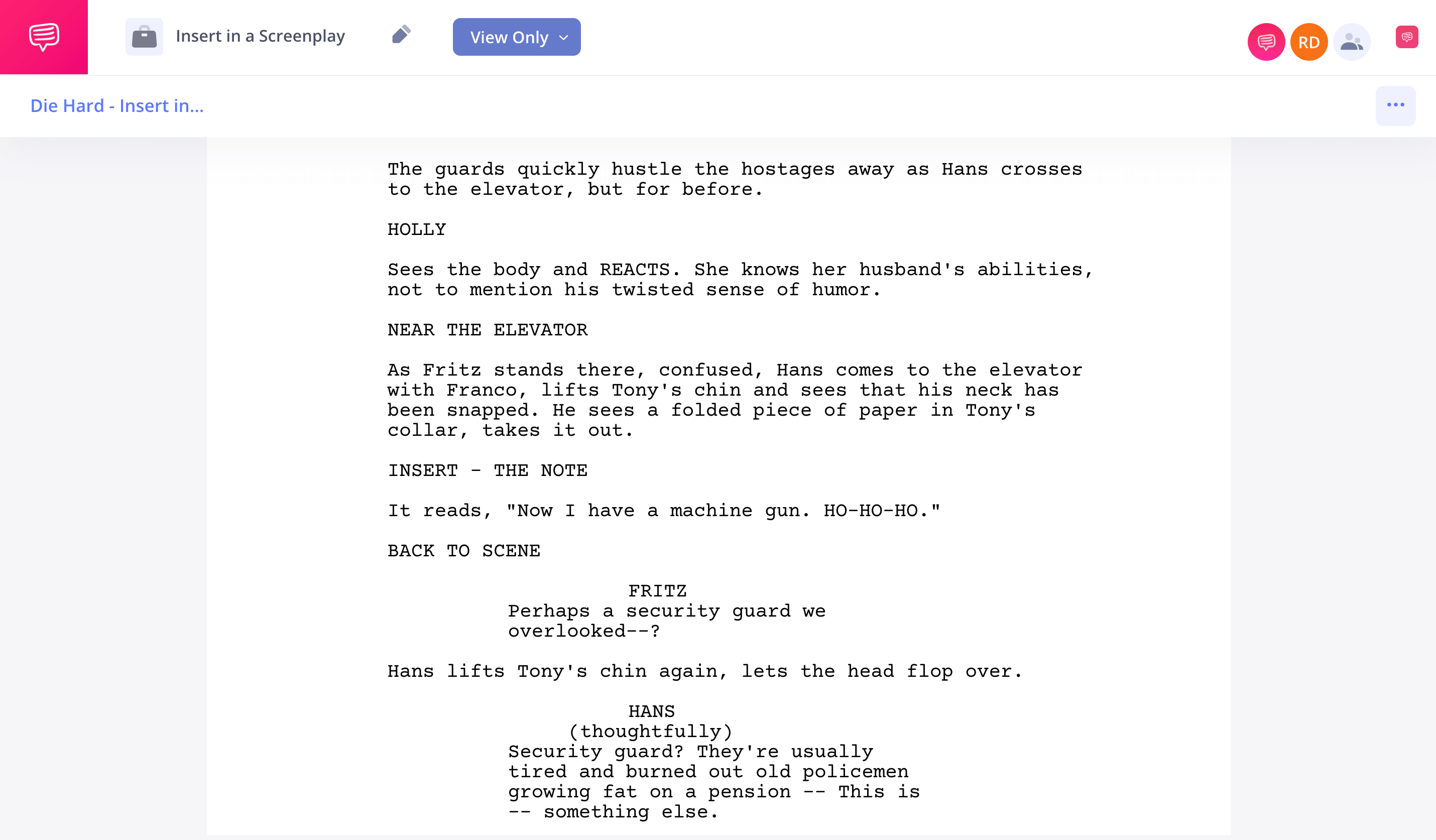
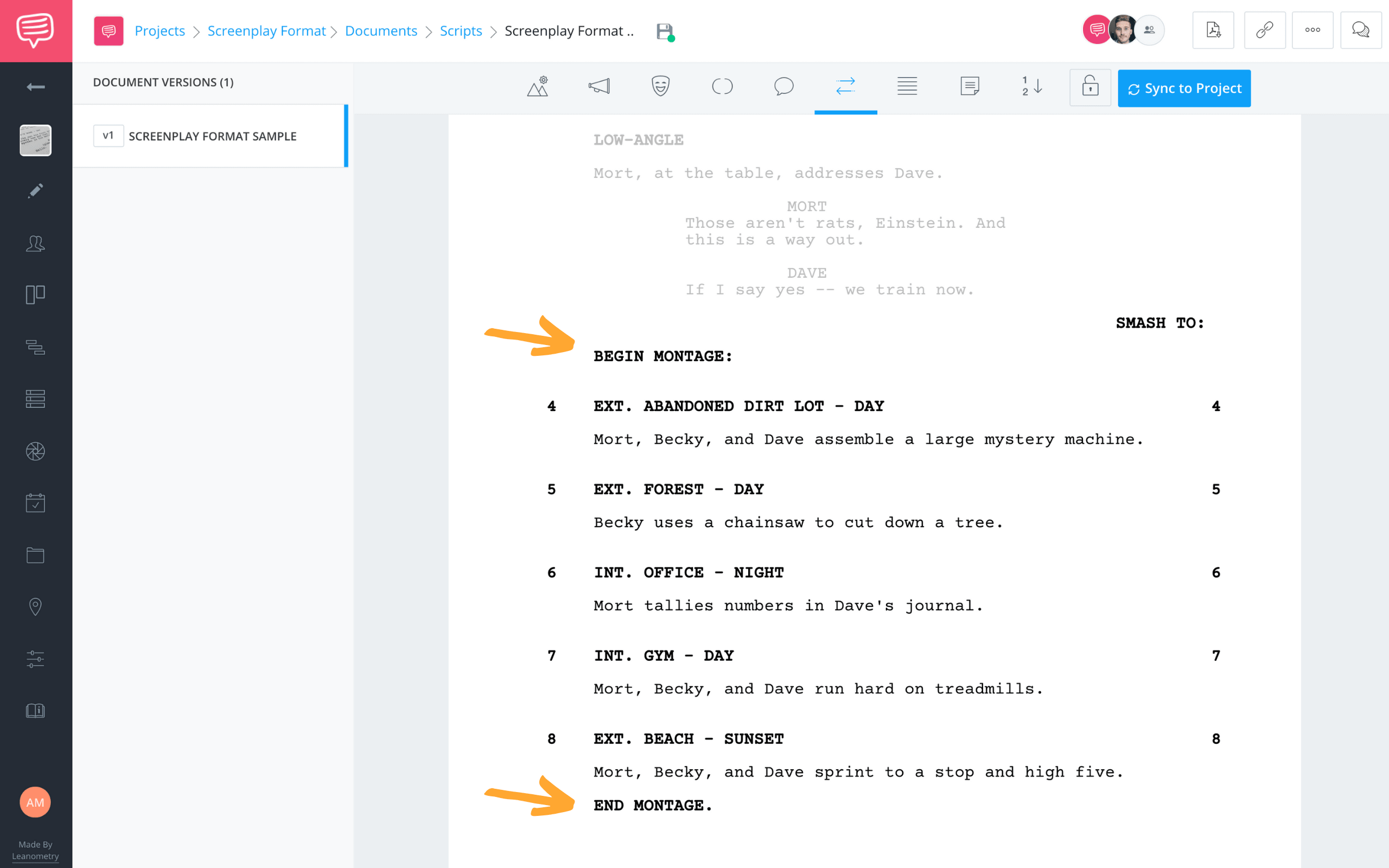
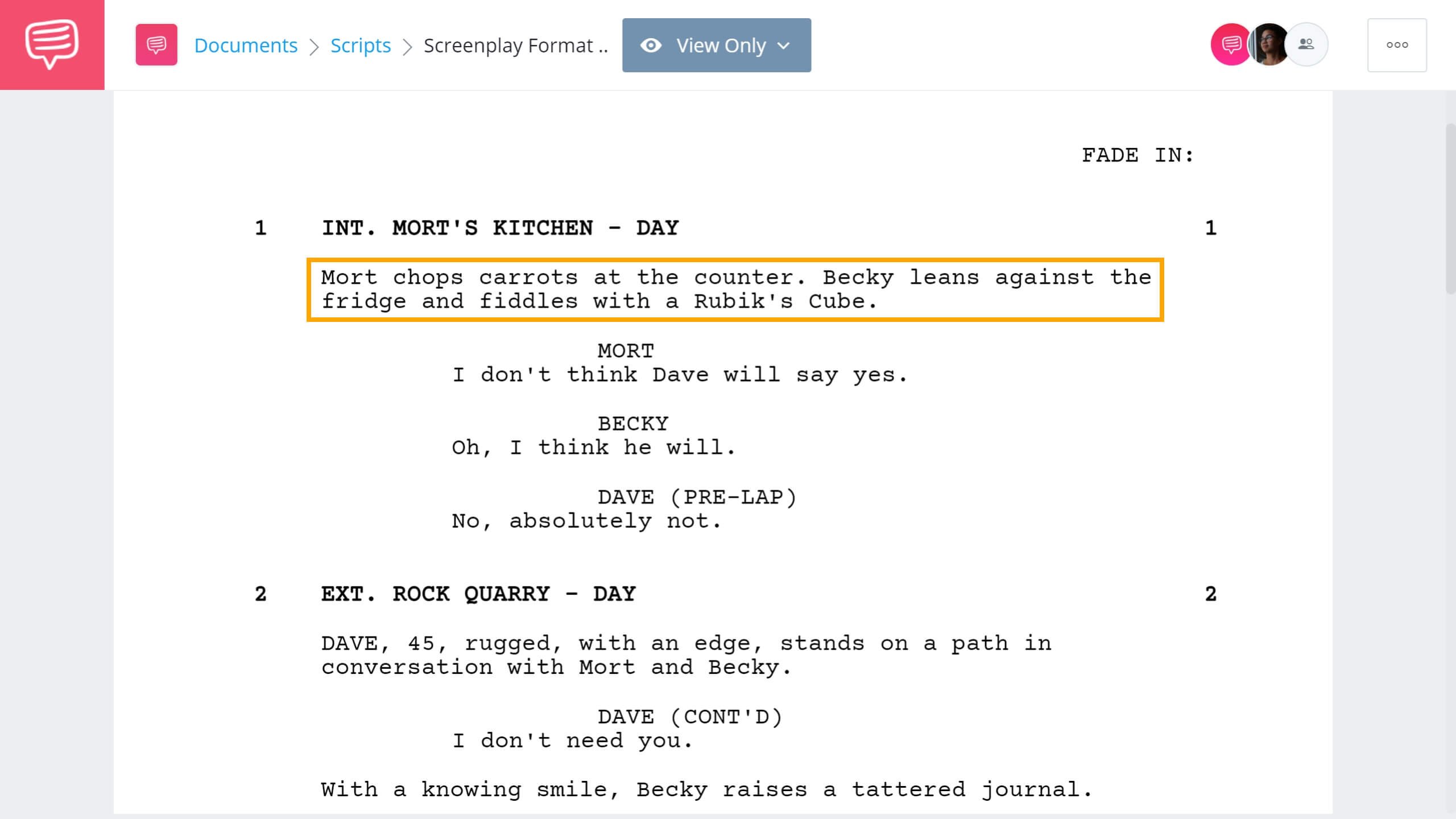
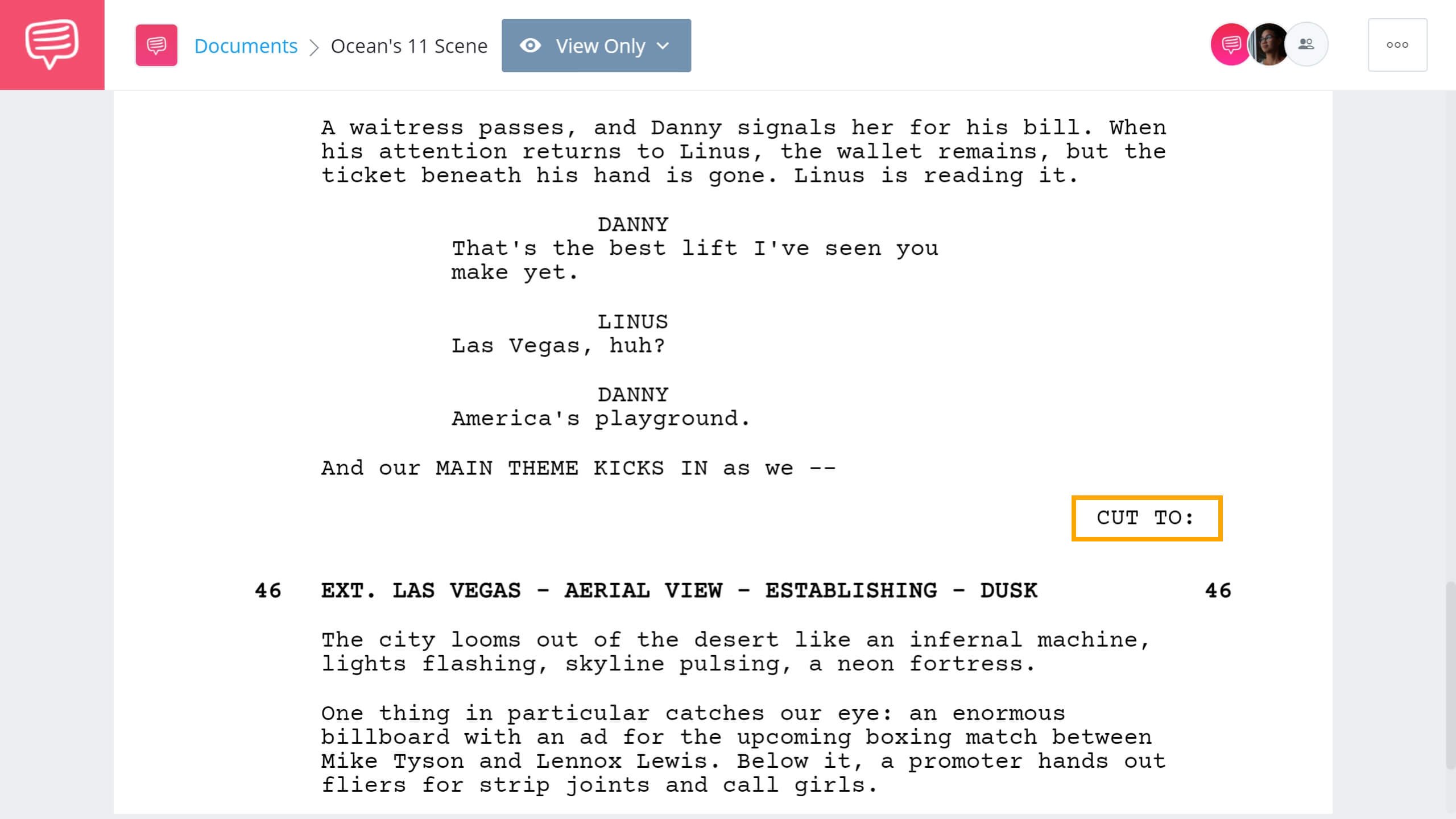
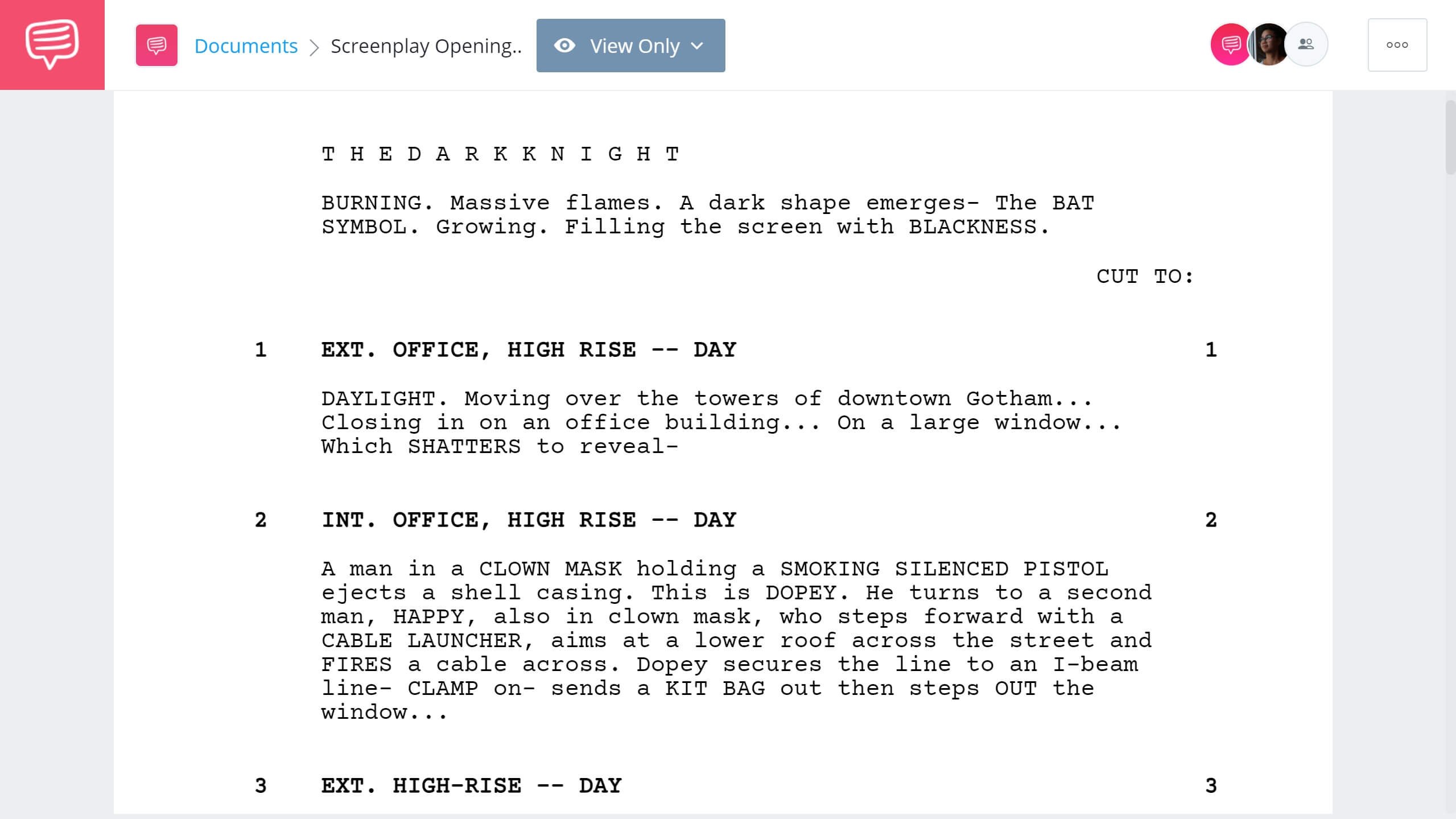
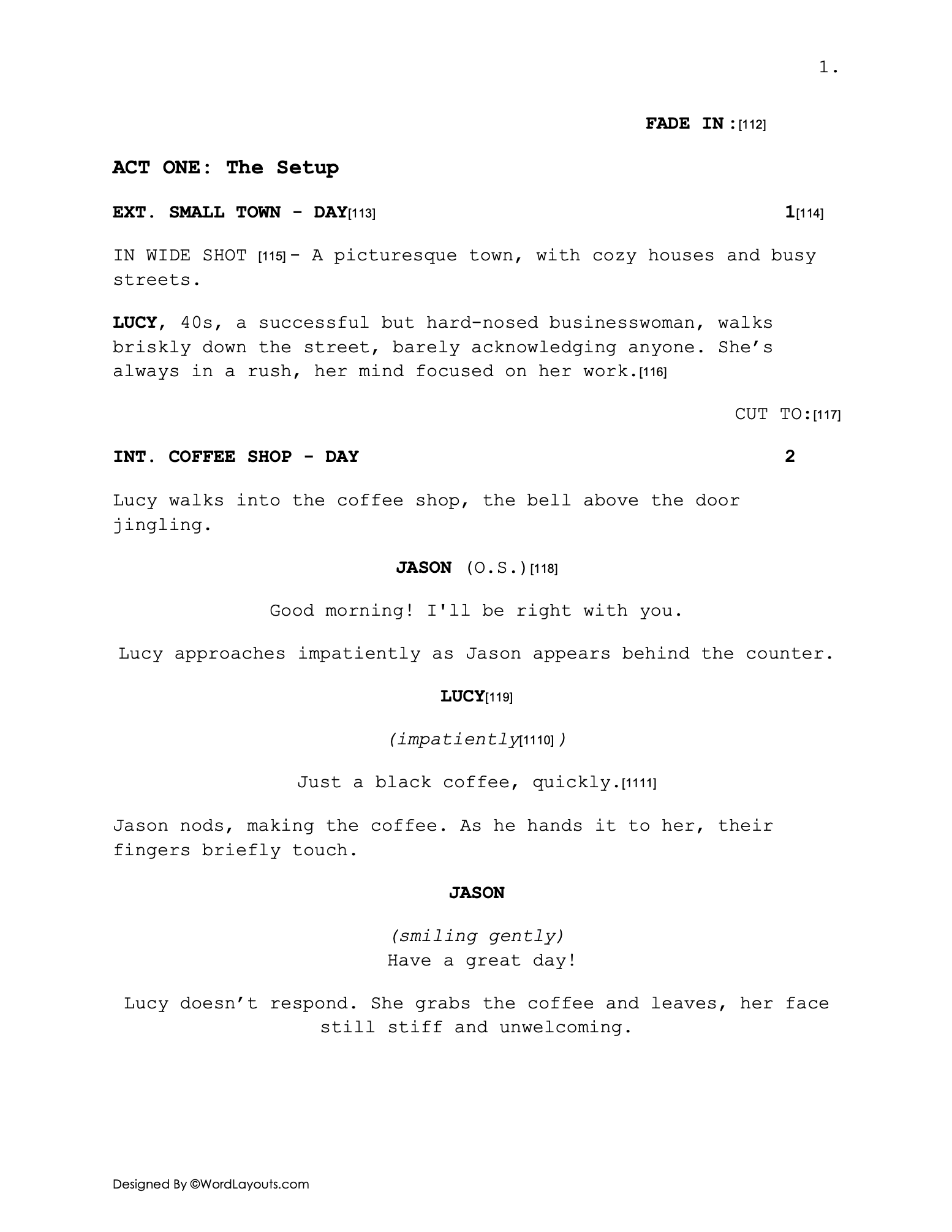
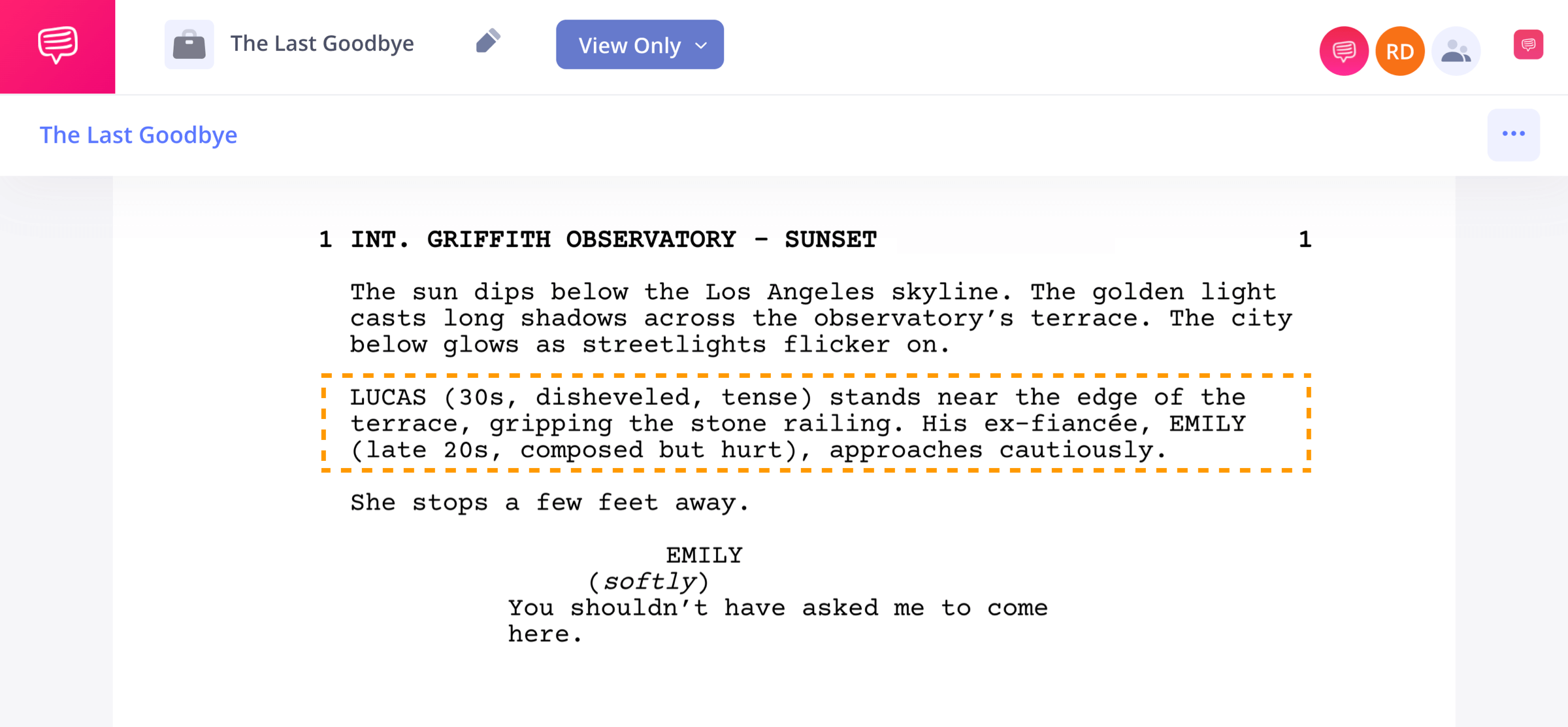
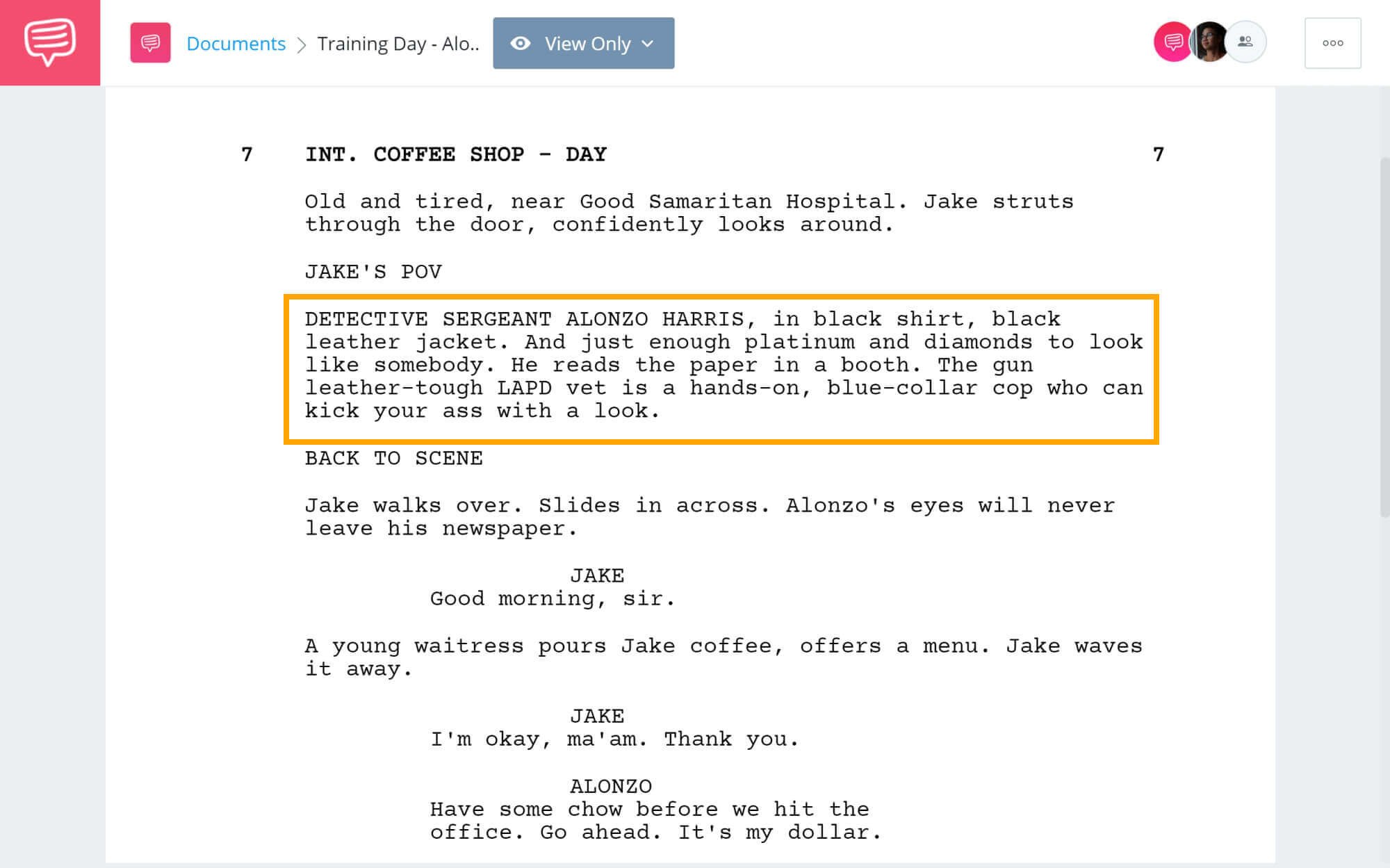
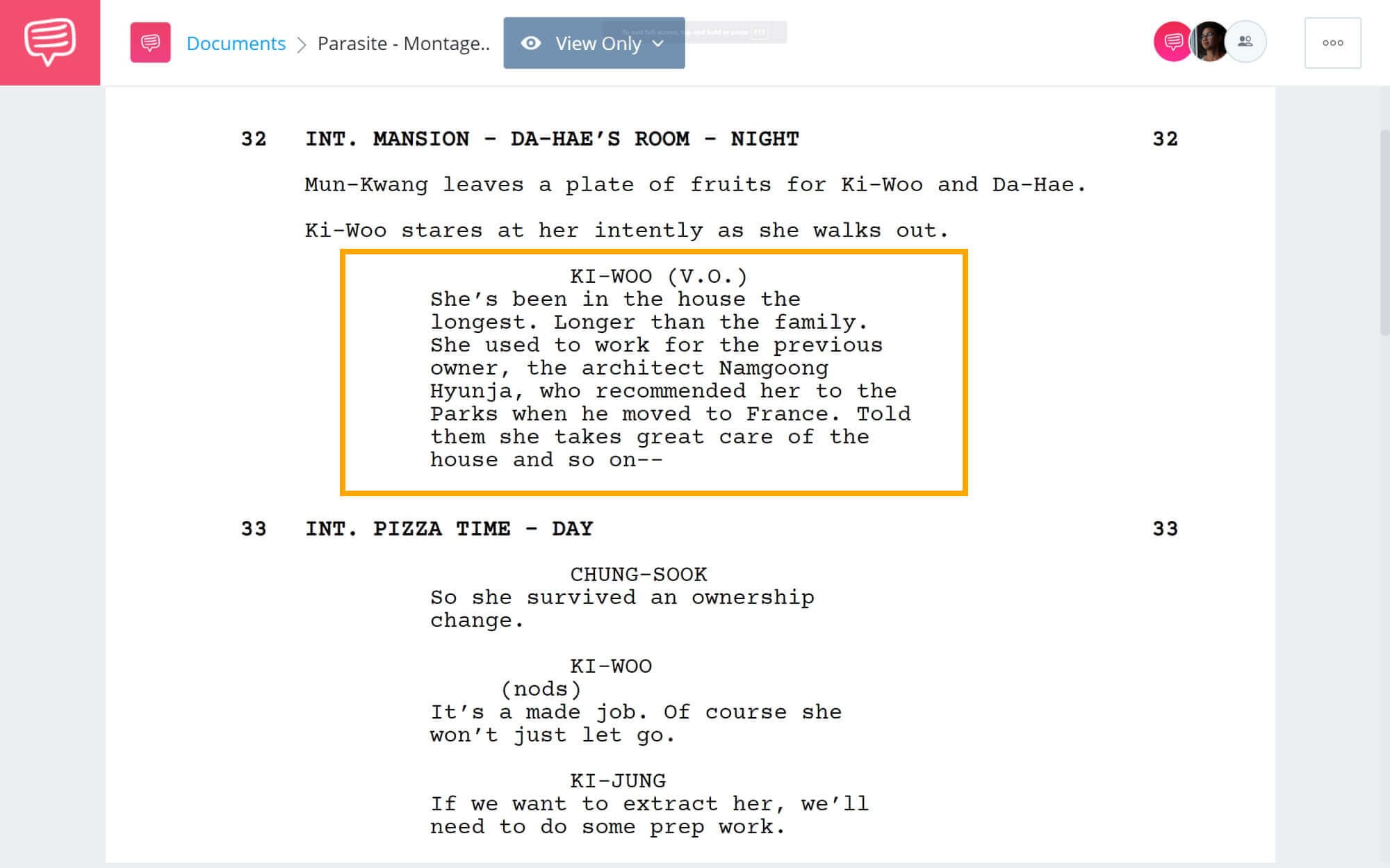
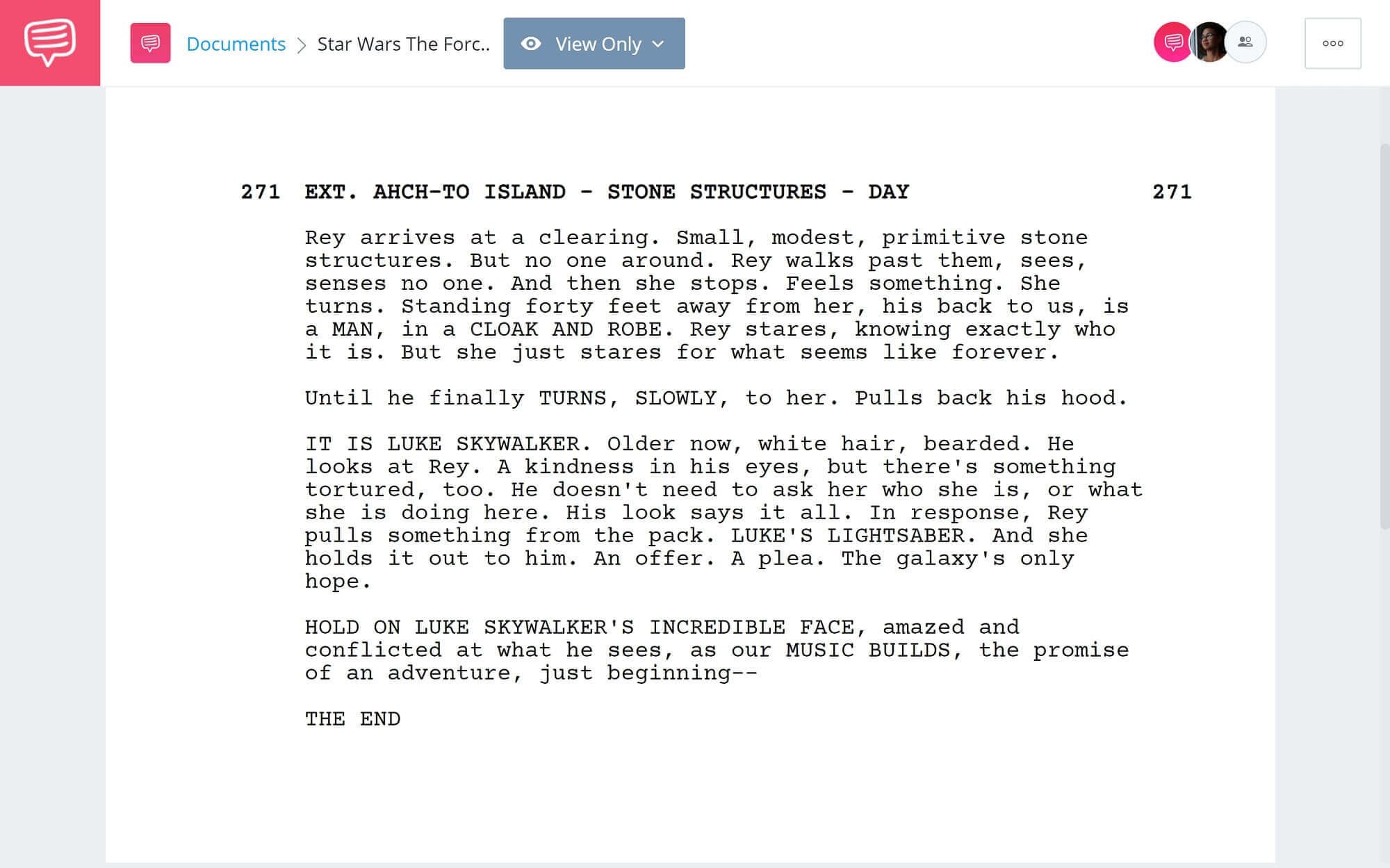
- Scene Headings: Clearly indicate each scene with a SLUG LINE (e.g., INT. LIVING ROOM - DAY).
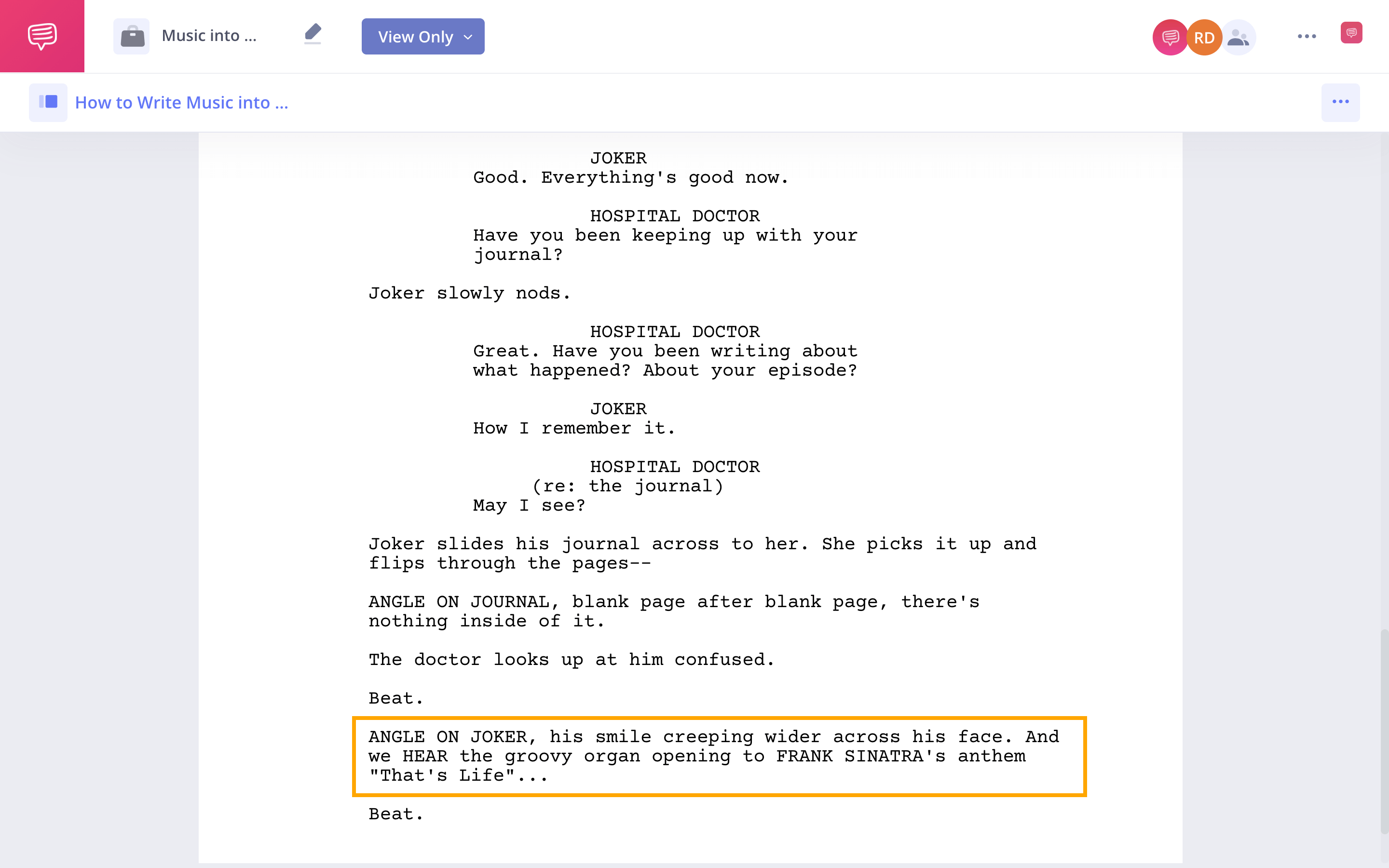
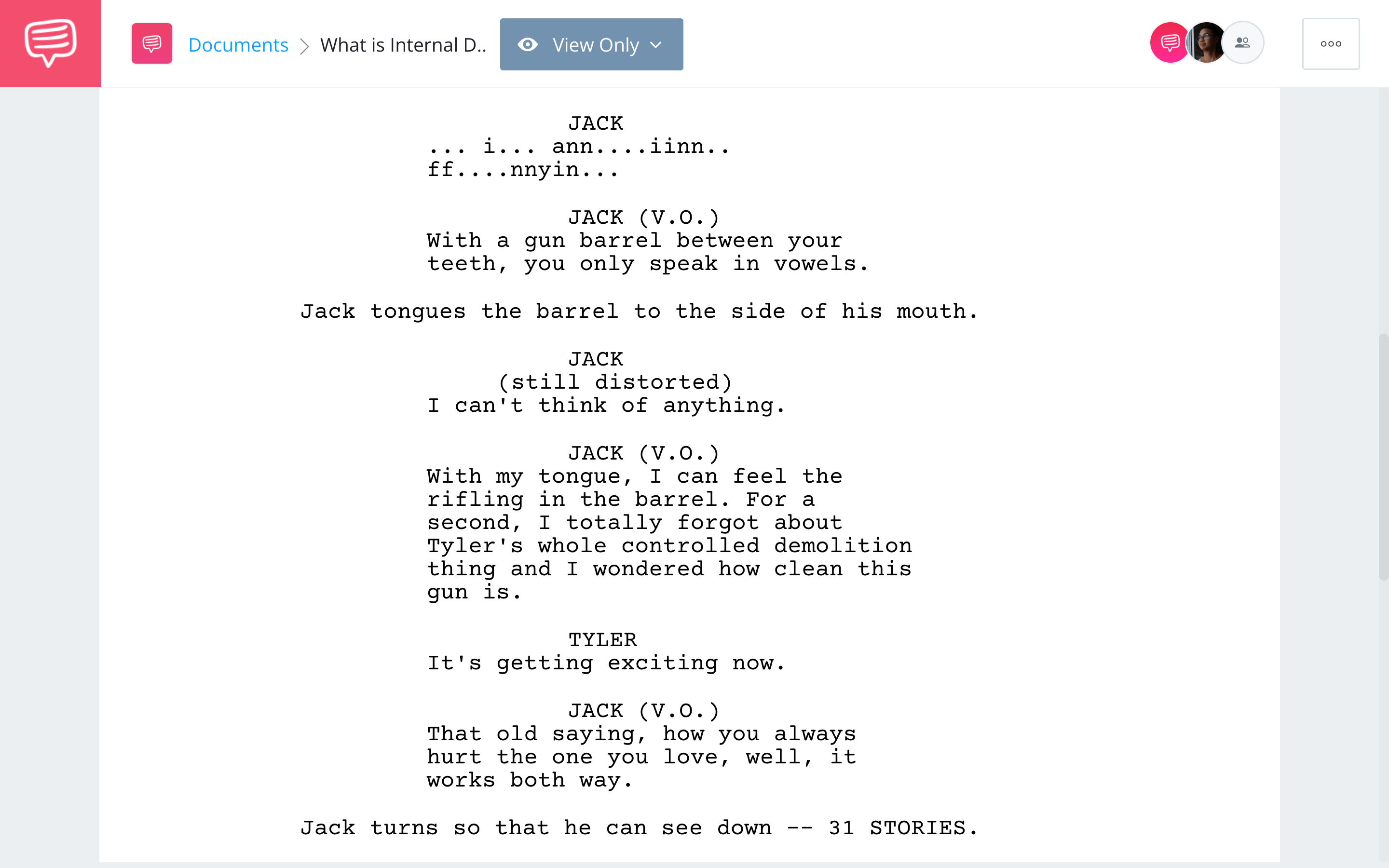
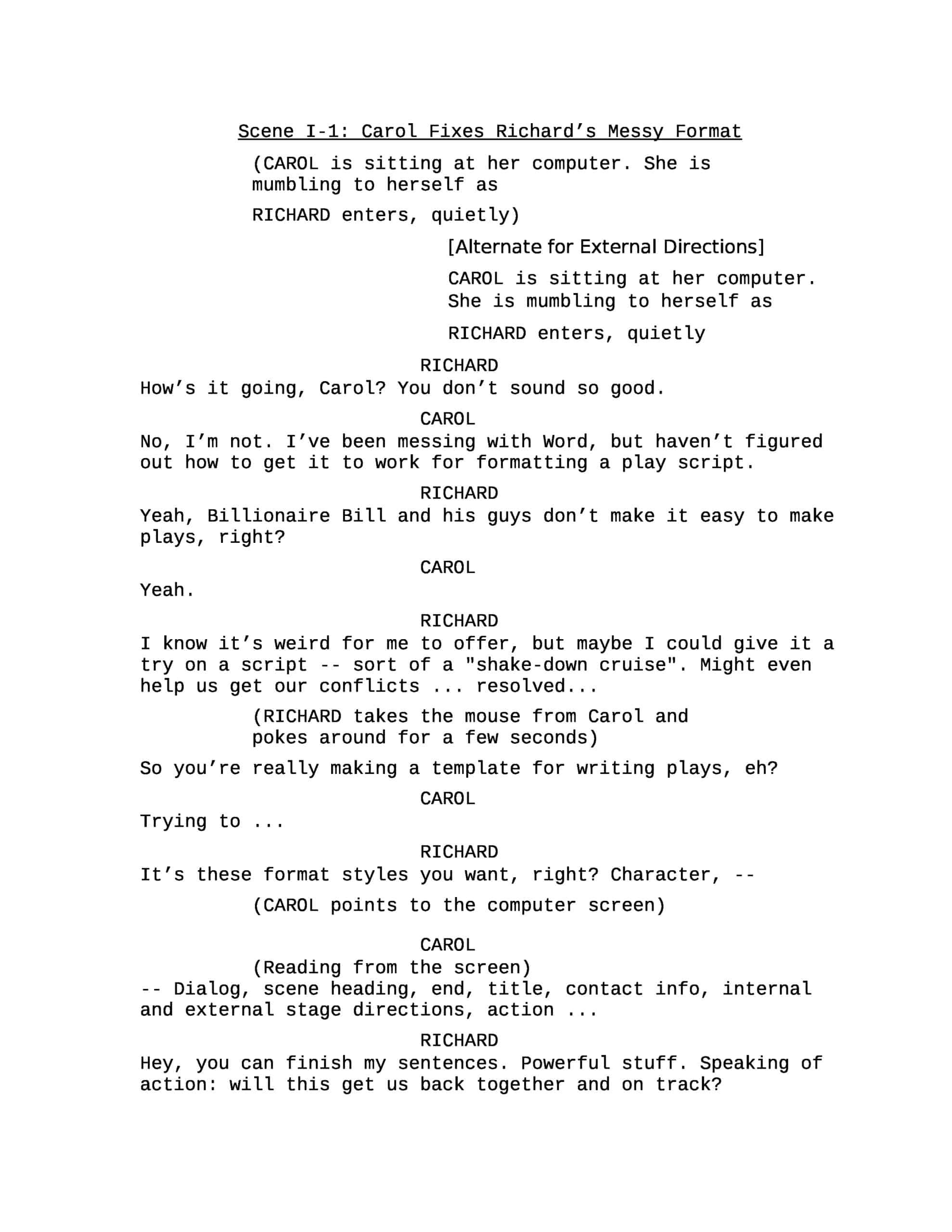
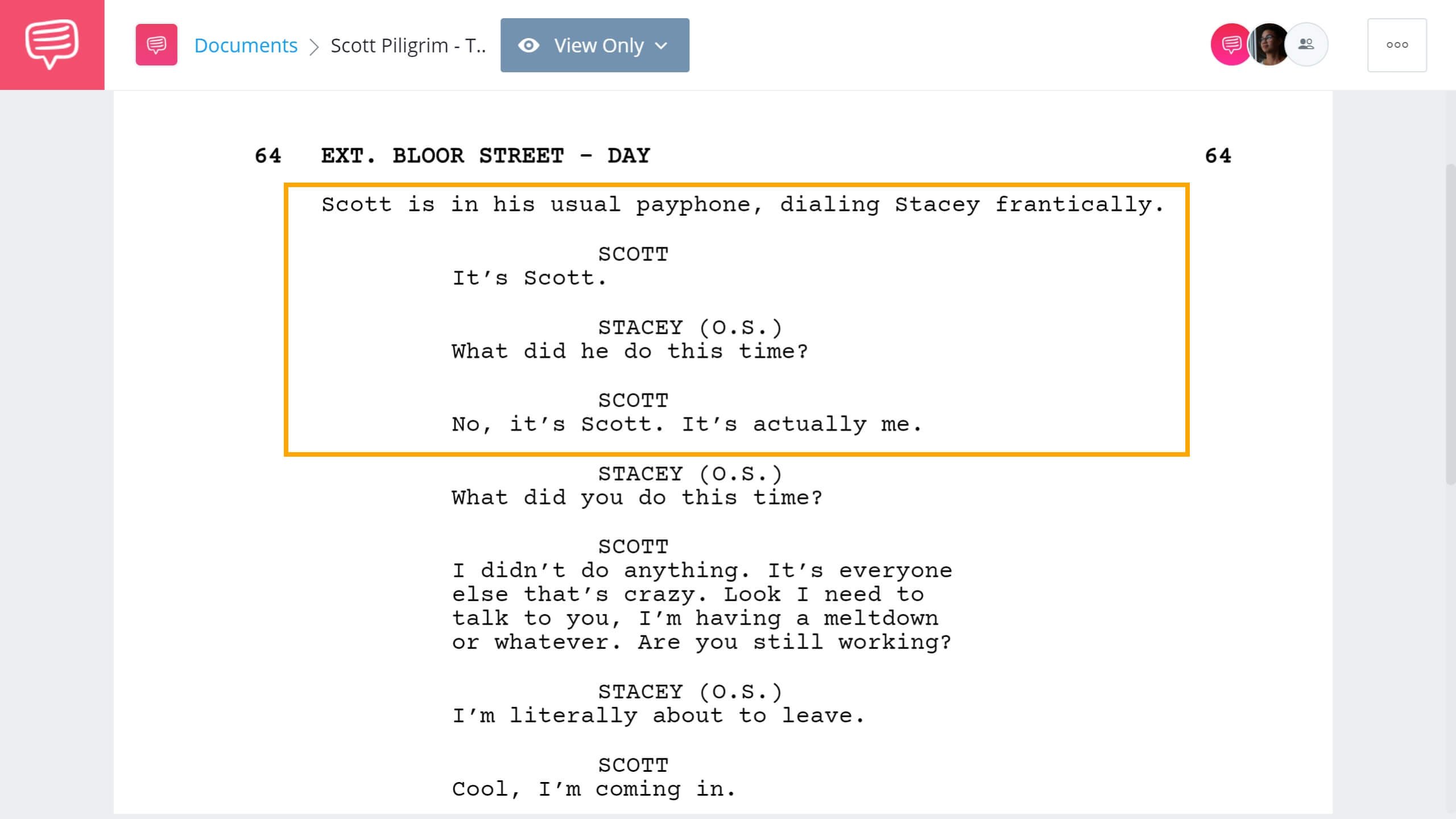
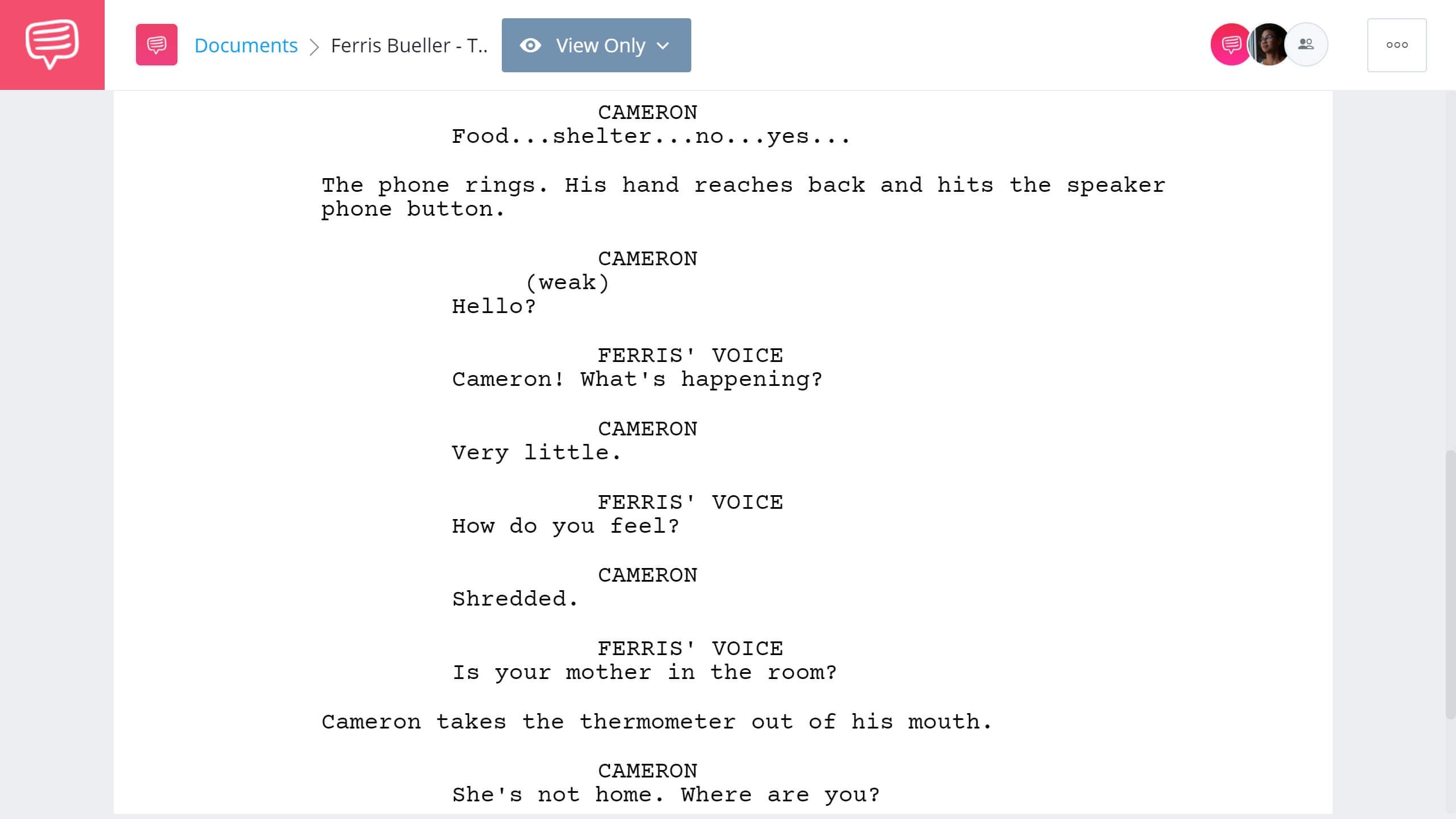
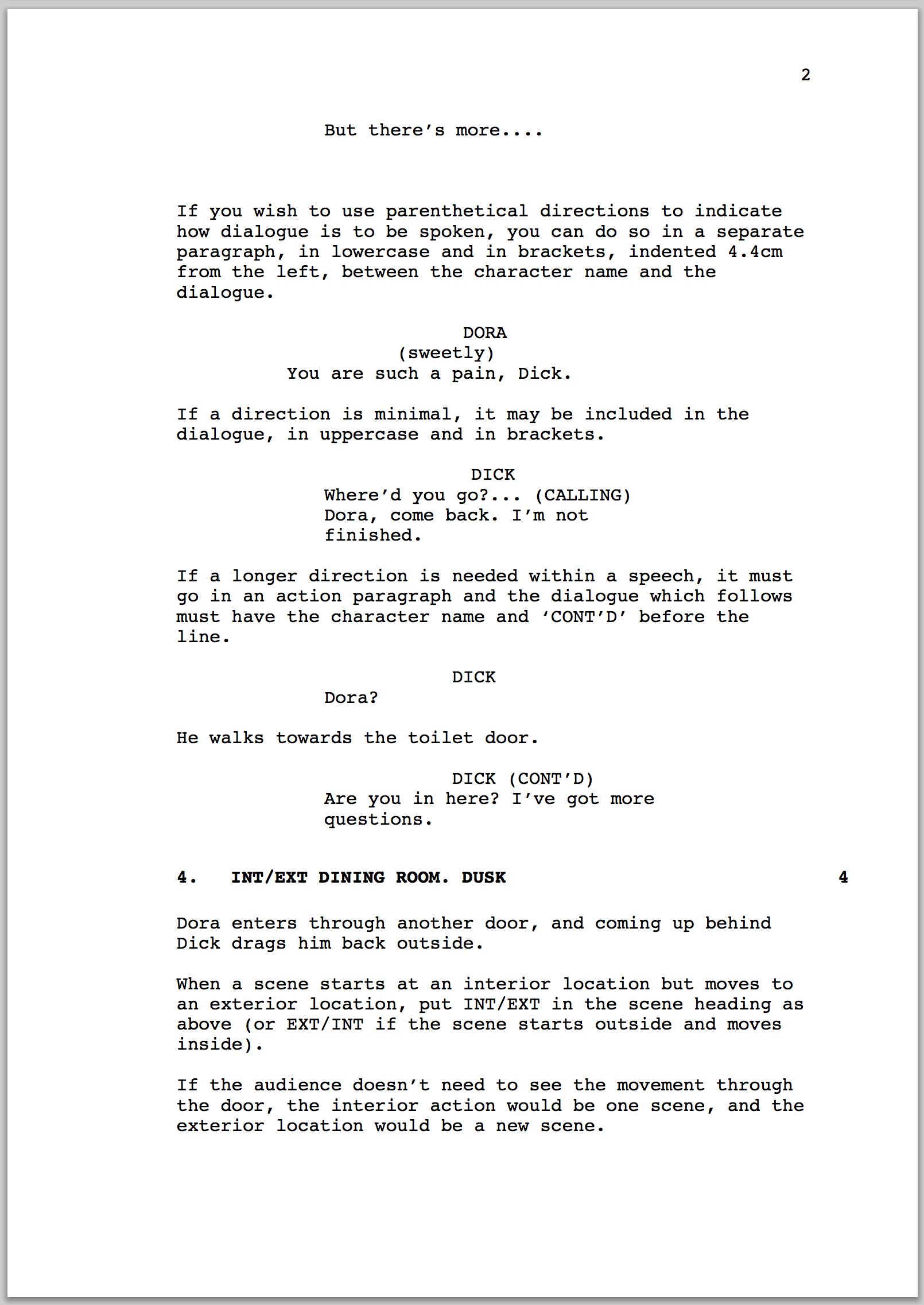
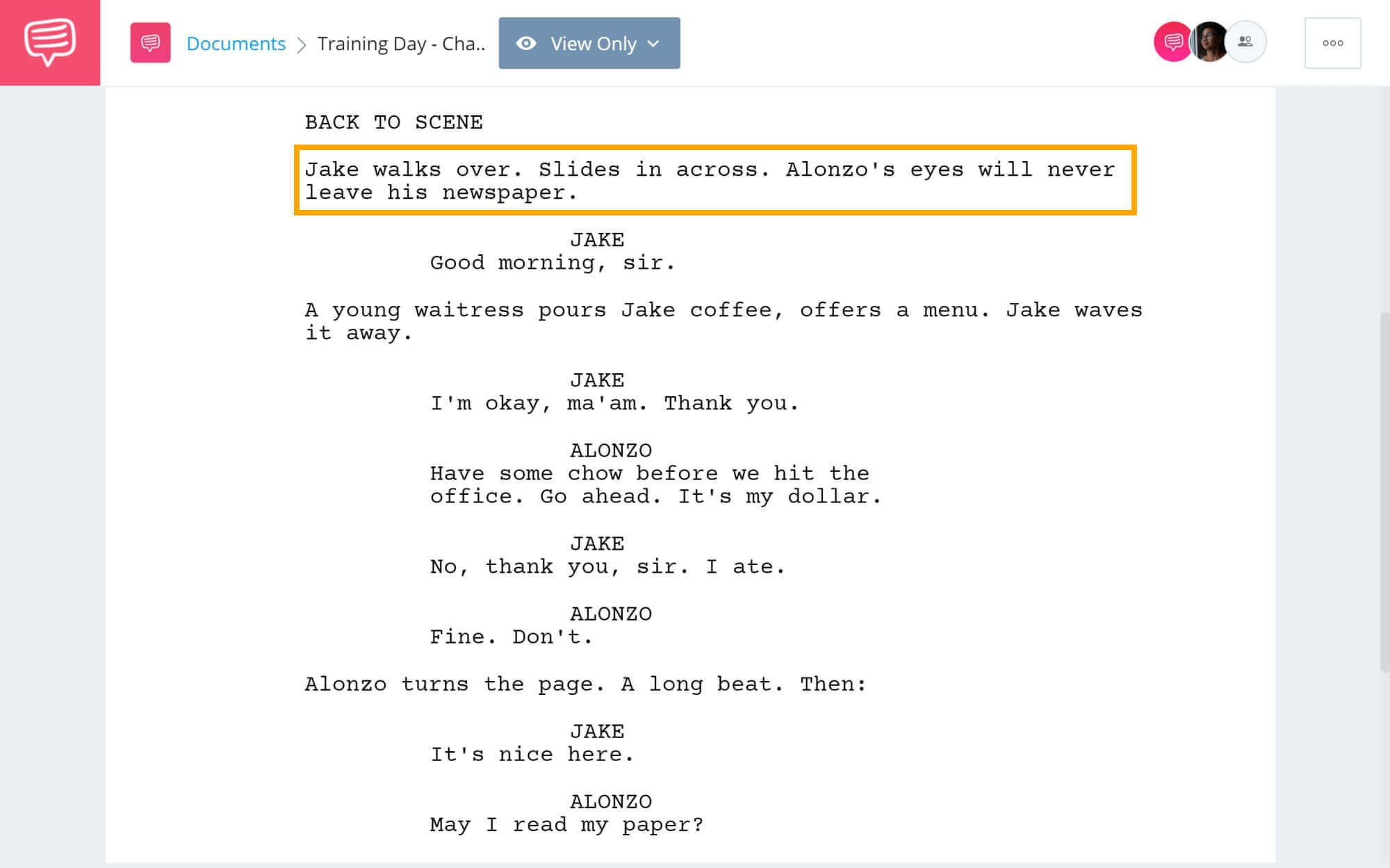
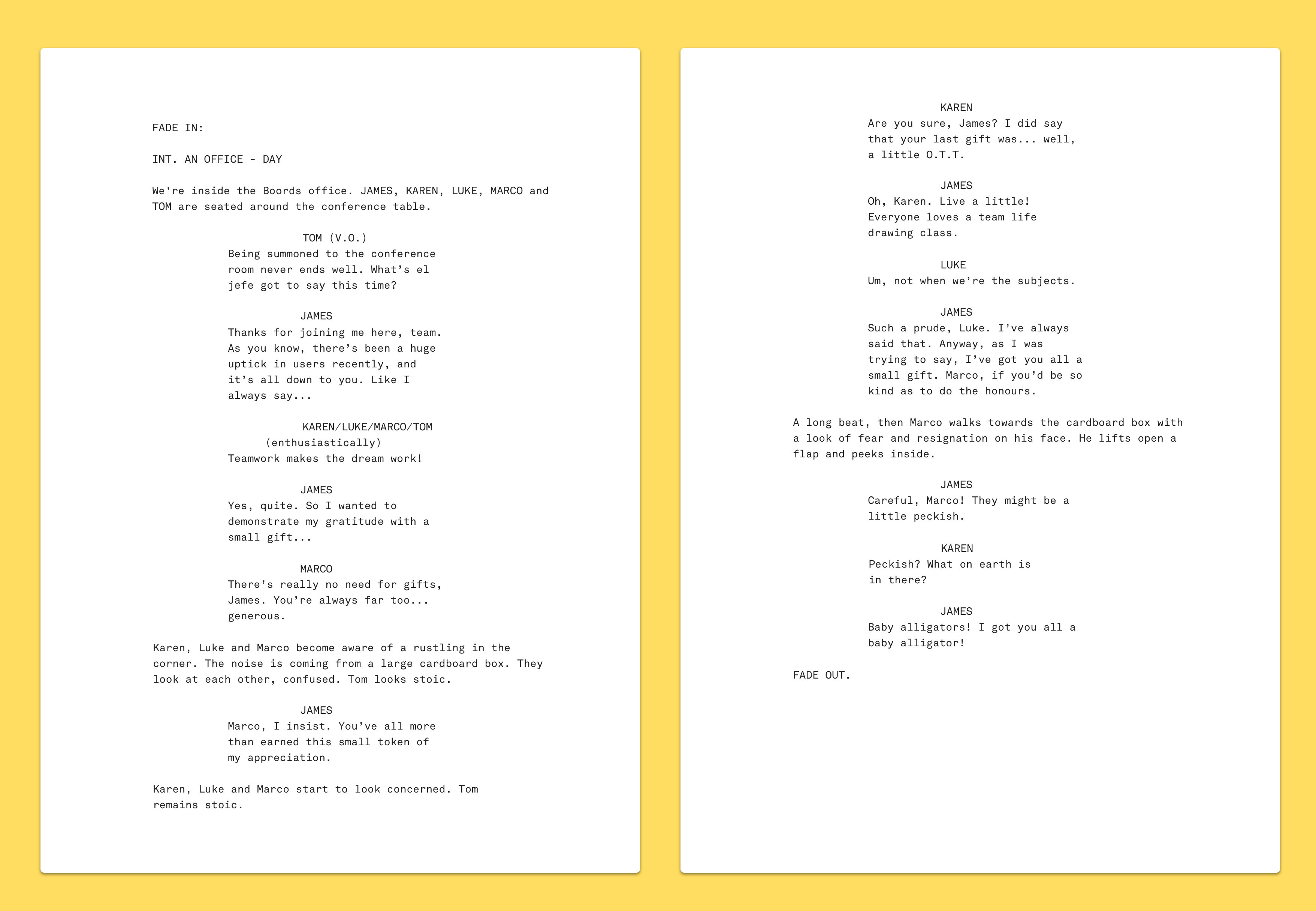
- Character Introductions: Use CHARACTER NAME in caps, followed by dialogue.
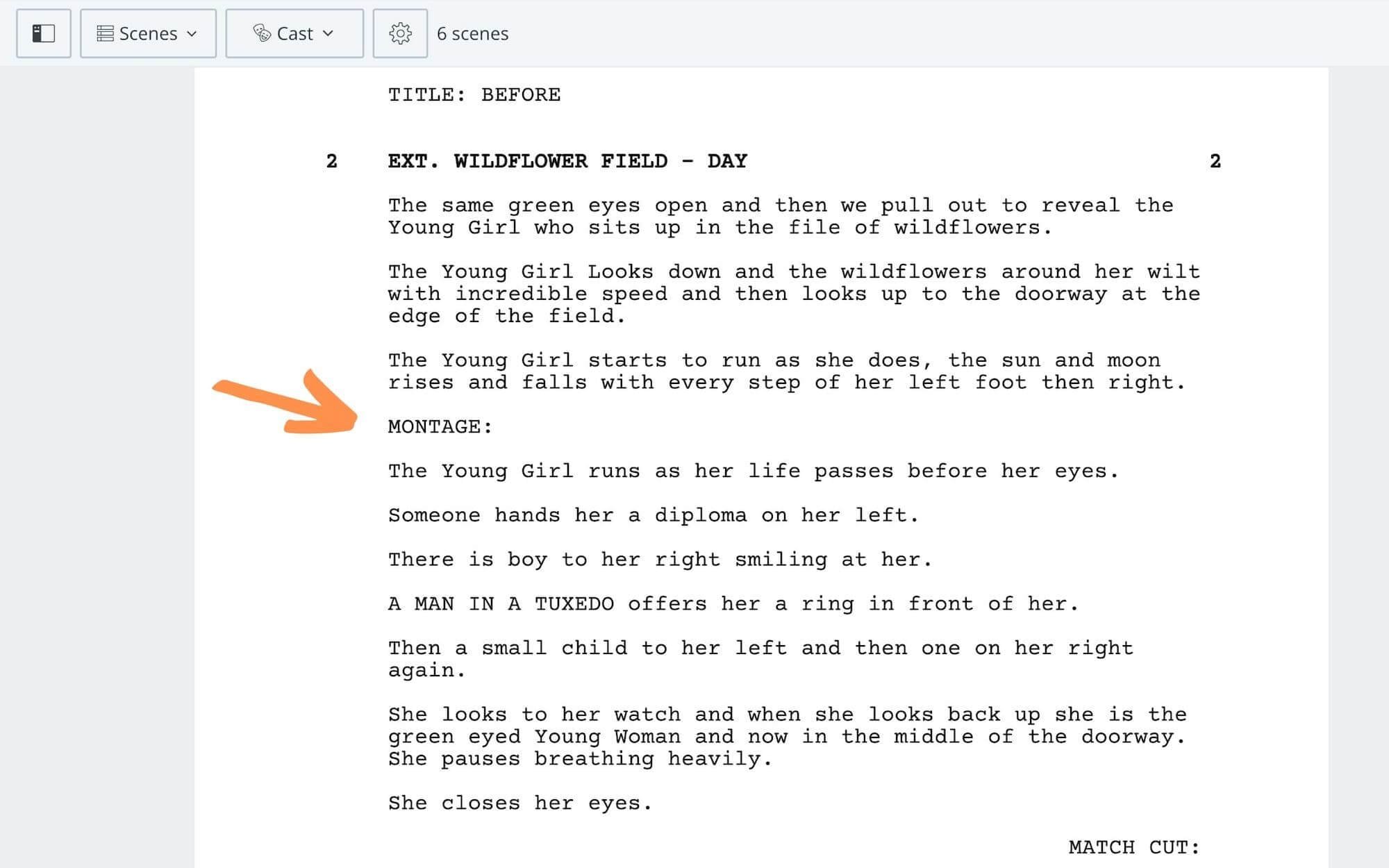
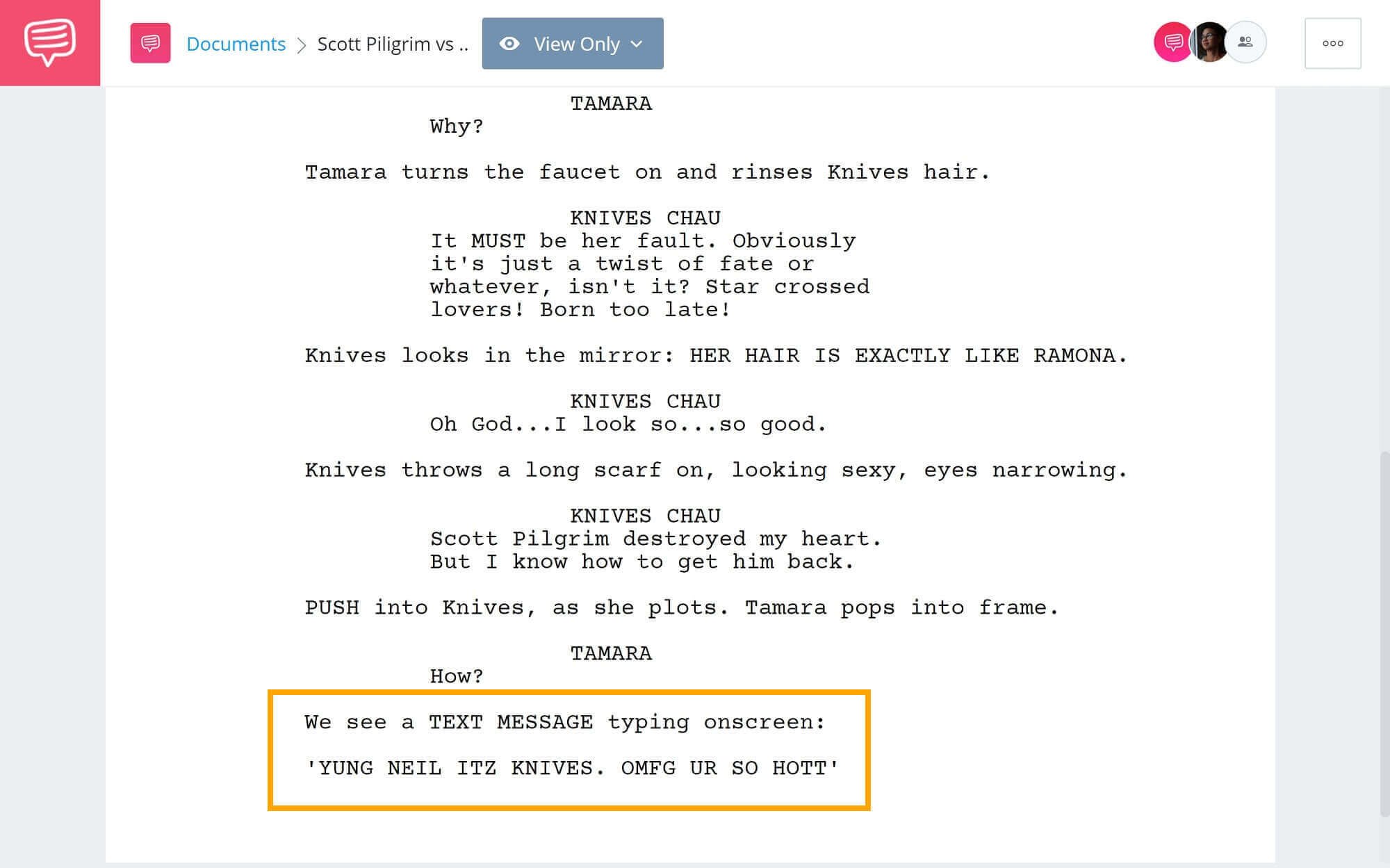
- Dialogue and Action: Keep dialogue concise and use action lines to describe character movements.
Crafting Engaging Characters
Characters are the heart of your screenplay. Develop them with depth and purpose: You can also compare this directly with qwixx all players point sheet to see how they stack up.
- Backstory: Create a rich background for each character, understanding their motivations and flaws.
- Arc and Development: Plot character growth and transformation throughout the story.
- Conflict and Resolution: Explore internal and external conflicts that drive the narrative.
Plot Structure and Storytelling
A well-structured plot is key to engaging your audience: If you want another perspective, check out my notes on whatwsa a ring bound flashcardd template as well.
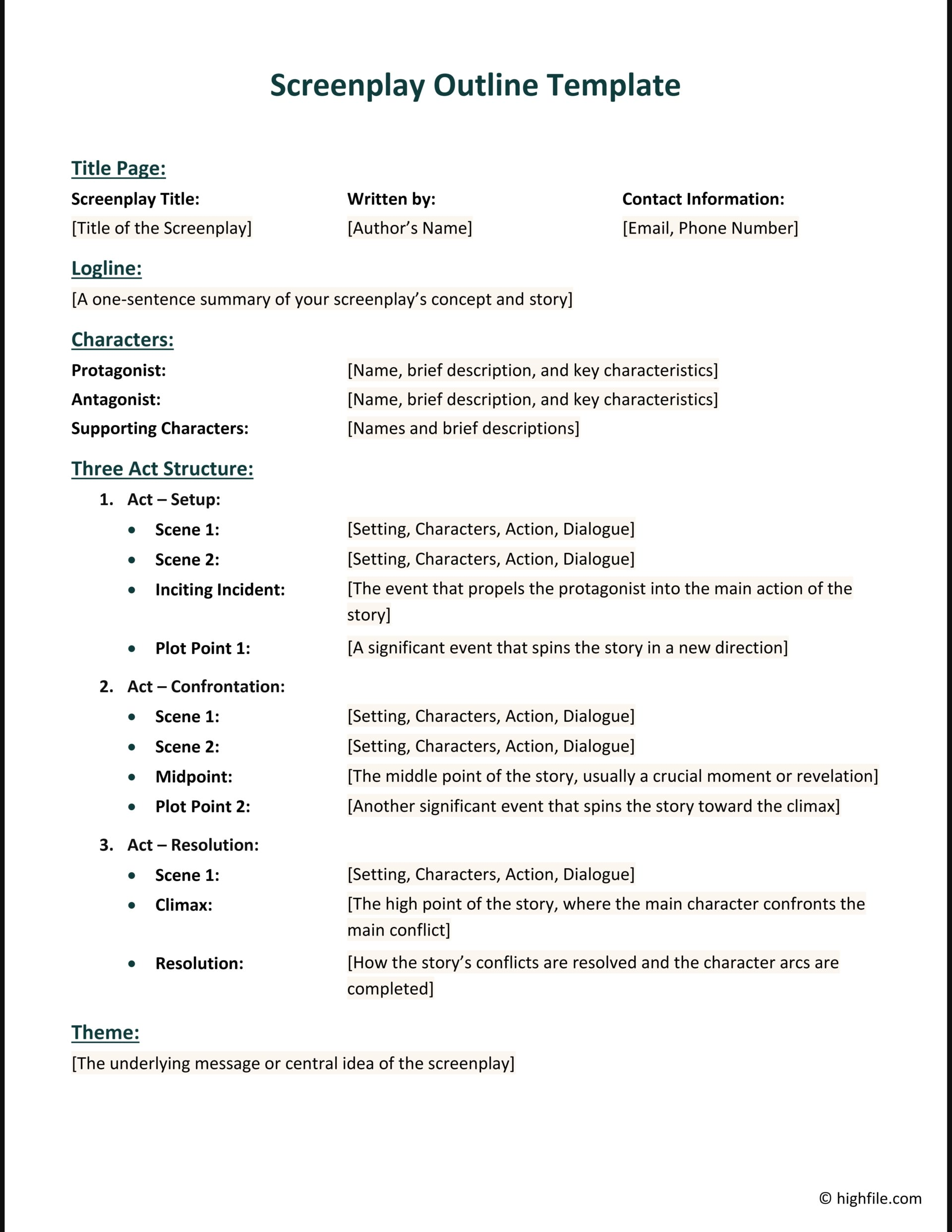
- Three-Act Structure: Divide your script into three acts: Setup, Confrontation, and Resolution.
- Act Breaks: Mark act breaks with significant events or revelations.
- Pacing and Tension: Build momentum with rising action and create tension through obstacles and conflicts.
- Subplots: Introduce subplots to add depth and complexity to your main story.
Writing Techniques and Tips
- Show, Don't Tell: Use descriptive action and dialogue to showcase character emotions and story progression.
- Visualize the Story: Think visually and describe scenes in a way that translates well to the screen.
- Research and Inspiration: Draw from real-life experiences, news, or other media for inspiration.
- Logline and Synopsis: Craft a compelling logline and synopsis to summarize your story.
Resources and Further Learning
- Online Courses: Consider enrolling in online screenwriting programs like the Los Angeles Film School - Online Screenwriting Program or NYU Tisch Screenwriting Course for in-depth learning.
- Scriptwriting Software: Utilize tools like Final Draft or Celtx to format your script professionally.
- Study Screenplay Examples: Analyze screenplay examples to understand formatting and storytelling techniques.
- Join Writing Communities: Connect with other writers and seek feedback to improve your craft.
Remember, writing a screenplay is a creative process, and these guidelines provide a solid framework. With practice and dedication, you can turn your ideas into compelling stories ready for the big screen. For a closer look at something similar, my post on photography follow up xlsx 2026 covers the details.