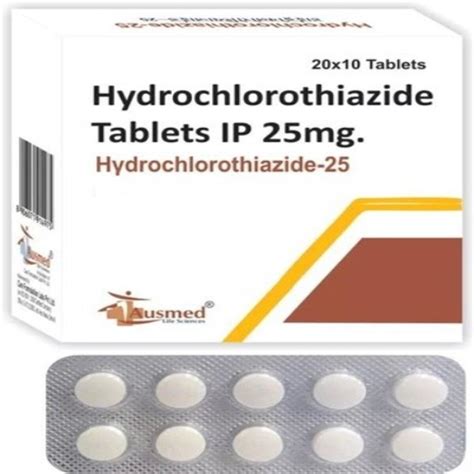
Hydrochlorothiazide, commonly abbreviated as HCTZ, is a diuretic medication that is widely used in the treatment of hypertension (high blood pressure) and edema (swelling caused by excess fluid). It belongs to the class of thiazide diuretics, which work by helping the kidneys remove more waste and extra fluids from the body through urine. The dosage of hydrochlorothiazide can vary, but 25 mg is a common dose for various conditions.
Mechanism of Action
Hydrochlorothiazide acts on the kidneys to increase urine production. This action is primarily in the distal convoluted tubule, where it inhibits the sodium-chloride symporter. By blocking the reabsorption of sodium and chloride, more sodium is delivered to the distal tubule, and water follows, leading to increased urine production. This diuretic effect helps reduce fluid volume in the body and lowers blood pressure. The decrease in fluid volume also reduces the amount of fluid the heart has to pump, which decreases the pressure on the heart.
Uses
Hypertension: The primary use of hydrochlorothiazide 25 mg is in the management of mild to moderate high blood pressure. It is often used alone or in combination with other medications to control blood pressure.
Edema: Hydrochlorothiazide is used to treat edema associated with congestive heart failure, hepatic cirrhosis, and a kidney disorder called nephrotic syndrome.
Other Uses: It may also be used off-label for conditions like diabetes insipidus, osteoporosis, and to help manage the swelling that can occur during pregnancy.
Side Effects
While hydrochlorothiazide is generally well-tolerated, it can cause side effects, some of which may be dose-dependent. Common side effects include:
- Increased urine production
- Dehydration
- Dizziness
- Lightheadedness
- Low potassium levels (hypokalemia)
- Low sodium levels (hyponatremia)
- Muscle cramps
- Weakness
- Impotence
Less common but more serious side effects can include severe allergic reactions, pancreatitis, and changes in blood sugar levels, which can be particularly concerning for diabetic patients.
Precautions and Interactions
- Potassium Levels: Patients on hydrochlorothiazide should have their potassium levels monitored regularly, as the medication can lead to hypokalemia.
- Sun Sensitivity: Hydrochlorothiazide can increase sensitivity to the sun, and patients are advised to use sunscreen and protective clothing when exposed to sunlight.
- Interactions: Hydrochlorothiazide can interact with other medications, including other diuretics, certain antidepressants, and potassium supplements. It’s crucial for patients to inform their healthcare provider about all medications they are taking.
- Pregnancy and Breastfeeding: Hydrochlorothiazide should be used with caution in pregnancy and breastfeeding, as it can affect fetal and neonatal health.
Dosage
The dosage of hydrochlorothiazide can vary based on the condition being treated, the patient’s age, and their response to the medication. For hypertension, a common starting dose is 25 mg daily, taken in the morning. The dose can be adjusted based on patient response, and some may require a dose increase to achieve adequate blood pressure control.
In conclusion, hydrochlorothiazide 25 mg is a commonly prescribed dose for managing hypertension and edema. It’s essential for patients to adhere to the prescribed dosage and follow-up appointments to monitor the effectiveness of the treatment and to address any potential side effects. Additionally, a balanced diet, regular exercise, and lifestyle changes are often recommended alongside medication to effectively manage these conditions.
What is the primary use of hydrochlorothiazide 25 mg?
+The primary use of hydrochlorothiazide 25 mg is in the management of mild to moderate high blood pressure and to treat edema associated with congestive heart failure, hepatic cirrhosis, and nephrotic syndrome.
Can hydrochlorothiazide cause side effects?
+Yes, hydrochlorothiazide can cause side effects, including increased urine production, dehydration, dizziness, and changes in potassium and sodium levels. Less common but serious side effects can include allergic reactions and pancreatitis.
How does hydrochlorothiazide work?
+Hydrochlorothiazide works by inhibiting the sodium-chloride symporter in the kidneys, which increases urine production and helps reduce fluid volume in the body, thereby lowering blood pressure.
As with all medications, it’s crucial to use hydrochlorothiazide as directed by a healthcare provider to minimize the risk of side effects and ensure its effectiveness in managing the target condition. Regular monitoring and follow-up appointments can help identify any issues early on and adjust the treatment plan as necessary.