The road to recovery from respiratory issues, such as pneumonia, chronic obstructive pulmonary disease (COPD), or post-surgical complications, can be long and challenging. However, with the right tools and techniques, patients can significantly improve their outcomes and accelerate their healing process. One such tool is the incentive spirometer, a device designed to help patients improve their lung function and overall respiratory health. By understanding how to use an incentive spirometer properly, individuals can take a proactive approach to their recovery, enhancing their chances of a full and speedy recuperation.
What is an Incentive Spirometer?
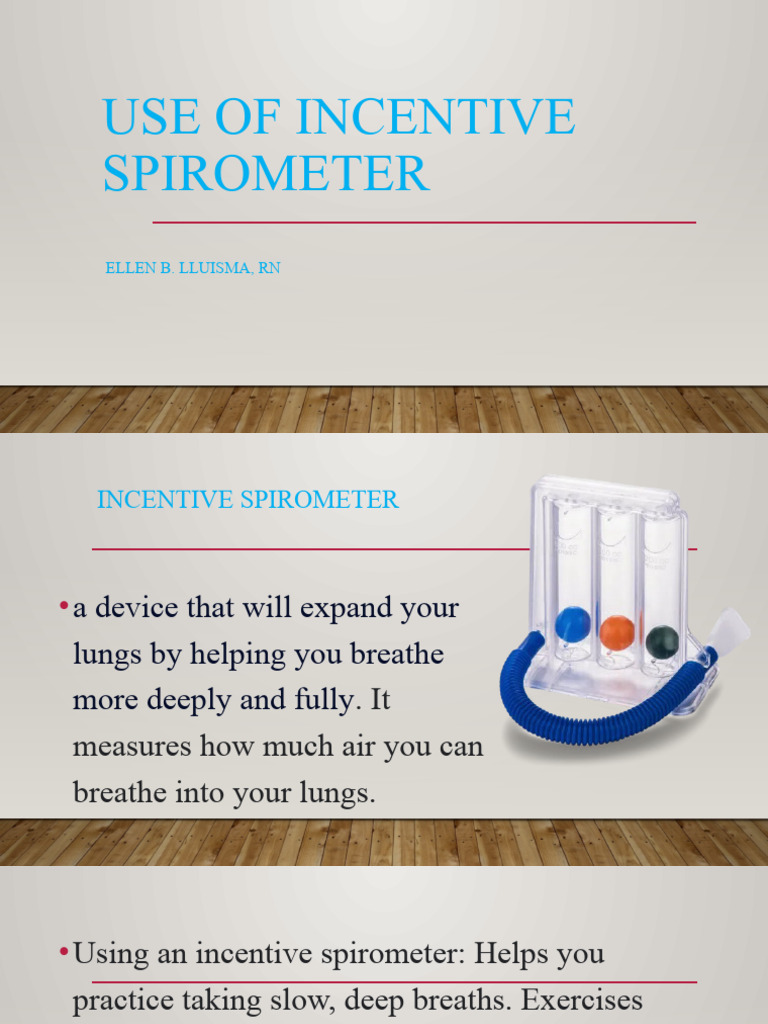
An incentive spirometer is a medical device used to help patients improve the function of their lungs. It works by encouraging users to take slow, deep breaths, which helps to strengthen the muscles used for breathing, increase lung volume, and improve the efficiency of gas exchange within the lungs. The device provides visual feedback in the form of a moving indicator or a digital display that shows the volume of air inhaled, motivating patients to achieve and surpass their target lung volumes.
Benefits of Using an Incentive Spirometer
The benefits of incorporating an incentive spirometer into a respiratory rehabilitation program are multifaceted. For patients recovering from lung surgery, the device can help in reducing the risk of postoperative pulmonary complications by promoting deep breathing exercises. This can lead to shorter hospital stays and a reduced need for intensive care. Additionally, for individuals with chronic respiratory conditions like COPD, regular use of an incentive spirometer can improve lung function, increase stamina, and enhance overall quality of life.
How to Use an Incentive Spirometer
Proper use of an incentive spirometer is crucial to reap its benefits. Here’s a step-by-step guide:
Preparation: Sit upright in a comfortable position, either in a chair or in bed, with your back supported. Hold the incentive spirometer in front of you at eye level. Ensure the device is set to your target volume, which should be determined by your healthcare provider based on your lung function and goals.
Inhale Slowly: Place the mouthpiece in your mouth, forming a tight seal with your lips to prevent air from escaping. Inhale slowly and deeply through the mouthpiece, aiming to move the indicator towards or beyond your target volume. It’s essential to breathe slowly to achieve the maximum benefit.
Hold Your Breath: Once you’ve reached your target or the maximum volume you can achieve, hold your breath for 2-3 seconds. This pause helps in improving gas exchange within the lungs.
Exhale Slowly: Slowly exhale, and then remove the mouthpiece from your mouth. It’s crucial to exhale slowly as well, to prevent sudden changes in lung pressure.
Repeat: Repeat this process as directed by your healthcare provider, usually 10-15 repetitions per session, several times a day.
Tips for Effective Use
- Set Realistic Goals: Work with your healthcare provider to set achievable targets for your incentive spirometer use. Gradually increasing your goals can help motivate you and track your progress.
- Consistency is Key: Regular use of the incentive spirometer, as prescribed, is vital for noticeable improvements in lung function.
- Combine with Other Exercises: Incorporating the incentive spirometer into a broader respiratory rehabilitation program that includes physical activity and other breathing exercises can enhance recovery.
- Monitor Progress: Keep a record of your sessions, including the volumes achieved, to track your progress over time. This can provide valuable insights for your healthcare provider and motivation for your continued efforts.
Future Trends in Respiratory Rehabilitation
As medical technology evolves, so does the potential for innovative devices and methods to aid in respiratory recovery. Future trends may include more sophisticated, digitally connected incentive spirometers that can provide real-time feedback, personalized coaching, and the ability to share progress directly with healthcare providers. These advancements promise to make respiratory rehabilitation more accessible, engaging, and effective, potentially leading to better patient outcomes.
Conclusion
The journey to recovery from respiratory issues is complex and requires a multifaceted approach. The incentive spirometer, when used correctly and consistently, can be a powerful tool in this journey, helping patients to regain strength, improve lung function, and ultimately, enhance their quality of life. By understanding the proper use of this device and incorporating it into a comprehensive rehabilitation plan, individuals can take a significant step towards a healthier, more resilient future.
What are the primary benefits of using an incentive spirometer for respiratory rehabilitation?
+The primary benefits include improved lung function, strengthened breathing muscles, increased lung volume, and reduced risk of postoperative pulmonary complications. It also enhances gas exchange efficiency within the lungs, leading to better oxygenation of the body and improved overall health.
How often should I use an incentive spirometer, and for how long?
+The frequency and duration of incentive spirometer use should be tailored to your specific needs and goals, as determined by your healthcare provider. Typically, patients are advised to use the device several times a day, with each session consisting of 10-15 repetitions, and to continue this regimen for as long as recommended, which can range from a few weeks to several months, depending on the condition being treated.
Can I use an incentive spirometer if I have a chronic respiratory condition like COPD?
+Yes, an incentive spirometer can be particularly beneficial for individuals with chronic respiratory conditions such as COPD. It helps in improving lung function, increasing stamina, and managing symptoms more effectively. However, it’s crucial to consult with your healthcare provider to determine the best approach and to set realistic, achievable targets for your spirometer use.