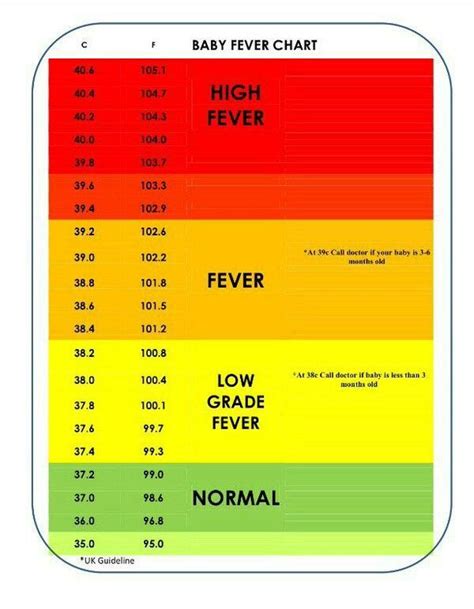
When it comes to evaluating whether a body temperature of 100.7 degrees Fahrenheit is considered a fever, it’s essential to understand the nuances of human body temperature and how it varies from person to person.
Normally, the average body temperature is around 98.6 degrees Fahrenheit, but it can fluctuate throughout the day due to various factors such as activity level, time of day, and individual characteristics. Some people might have a naturally higher or lower baseline temperature.
A fever, medically known as pyrexia, is typically defined as a body temperature that exceeds the normal range due to an immune response, often in reaction to an infection, inflammation, or another illness. For adults, a temperature above 100.4 degrees Fahrenheit is commonly considered a low-grade fever.
Considering this, a body temperature of 100.7 degrees Fahrenheit does indeed fall into the category of a low-grade fever. However, it’s crucial to assess this temperature in the context of other symptoms and the individual’s overall health condition.
For instance, if this slightly elevated temperature is accompanied by other concerning symptoms like severe headache, difficulty breathing, chest pain, or severe fatigue, it would be advisable to seek medical attention to determine the underlying cause and appropriate treatment. On the other hand, if the person is otherwise feeling well or is experiencing mild symptoms that are manageable, such as a slight cold or minor viral infection, monitoring the situation and maintaining hydration might be sufficient initial steps.
It’s also worth noting that fevers can serve as a protective mechanism, helping the body to fight off infections by creating an environment less favorable for the replication of certain pathogens. Therefore, not all fevers require immediate intervention, especially if they are mild and the individual is comfortable.
In any case, keeping track of temperature changes, monitoring for the development of additional symptoms, and being aware of when to seek medical help are prudent steps. If there’s ever uncertainty about what constitutes a fever or how to manage symptoms, consulting with a healthcare professional is always the best course of action.
Understanding Fever Better
Fever is a common symptom of many conditions, ranging from the common cold and flu to more serious infections like pneumonia or COVID-19. The body’s temperature regulation system is complex, involving the hypothalamus, which acts like a thermostat, responding to changes in body temperature by initiating sweating to cool down or shivering to warm up.
During a fever, the hypothalamus resets the body’s temperature set point higher, leading to an increase in body temperature. This can be due to the presence of pyrogens, substances that induce fever, which can be either internal (produced by the body’s immune cells) or external (such as bacteria or viruses).
Managing Fever
Managing a fever involves not just lowering the body temperature but also addressing the underlying cause. Here are some general guidelines for managing fever, particularly low-grade fevers like 100.7 degrees Fahrenheit:
- Stay Hydrated: Drinking plenty of fluids, such as water, clear broth, or an electrolyte-rich beverage like a sports drink, helps replace lost fluids and electrolytes.
- Rest: Getting enough rest can help the body recover from illness.
- Medication: Over-the-counter medications like acetaminophen (Tylenol) or ibuprofen (Advil, Motrin) can help reduce fever. However, always follow the recommended dosage, and consult a doctor before giving any medication to children.
- Cool Compresses: Applying a cool, damp cloth to the forehead or wrists can help cool the body down.
- Light Clothing: Wearing light clothing can help the body cool down more efficiently.
It’s essential to monitor the fever and watch for signs of more serious illness, such as difficulty breathing, chest pain, severe headache, confusion, or if the fever lasts for more than three days or exceeds 103 degrees Fahrenheit.
When to Seek Medical Attention
While a mild fever like 100.7 degrees Fahrenheit can often be managed at home, there are situations where seeking immediate medical attention is necessary. These include:
- Fever in newborns (less than 3 months old)
- Fever over 104 degrees Fahrenheit in adults
- Fever accompanied by confusion, disorientation, or severe headache
- Difficulty breathing, chest pain, or severe abdominal pain
- Signs of dehydration, such as excessive thirst, dark urine, or decreased urine output
- Fever that lasts for more than 3 days
In conclusion, while 100.7 degrees Fahrenheit is considered a fever, the approach to managing it should be guided by the presence of other symptoms and the individual’s overall health status. Staying informed, monitoring symptoms closely, and knowing when to seek medical help are crucial for effective fever management and recovery from underlying illnesses.
FAQ Section
What is considered a low-grade fever in adults?
+A low-grade fever in adults is typically defined as a body temperature slightly above the normal range, often between 100.4 degrees Fahrenheit and 102 degrees Fahrenheit.
How can I manage a low-grade fever at home?
+Managing a low-grade fever at home involves staying hydrated, getting plenty of rest, using medication like acetaminophen or ibuprofen as directed, and applying cool compresses to help lower the body temperature.
When should I seek medical attention for a fever?
+Seek medical attention immediately if you experience fever accompanied by severe symptoms, if the fever is very high (over 103 degrees Fahrenheit), lasts for more than 3 days, or if you have concerns about the underlying cause of the fever or its management.
Is fever always a sign of infection?
+No, fever is not always a sign of infection. While infections are common causes of fever, other conditions such as inflammation, autoimmune diseases, and certain medications can also cause fever.
Can fever serve any beneficial purpose in the body?
+Yes, fever can serve as a protective mechanism by creating an environment less favorable for the replication of certain pathogens, thus aiding the body’s immune response to infection.