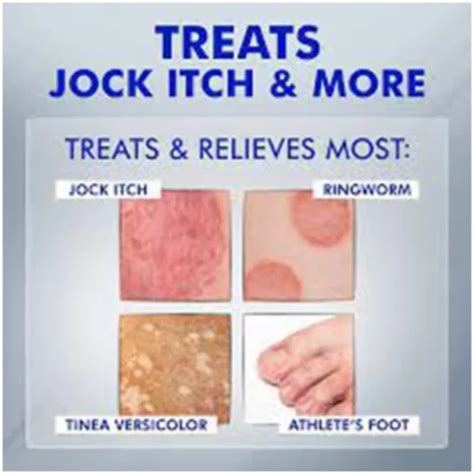
Jock itch, also known as tinea cruris, is a common fungal infection that affects the skin of the groin area, causing redness, itching, and flaking. It is more prevalent in athletes and individuals who engage in sports, hence the name “jock itch.” However, it can affect anyone, regardless of their athletic background. The infection is usually caused by a group of fungi called dermatophytes, which thrive in warm, moist environments.
Understanding Jock Itch
To tackle jock itch effectively, it’s essential to understand its causes, symptoms, and how it spreads. The infection typically starts as a small, itchy patch of skin in the groin area, which can spread to other parts of the body if not treated promptly. Factors that contribute to the development of jock itch include excessive sweating, tight clothing, and sharing personal care items.
Treating Jock Itch
Treatment for jock itch usually involves the use of antifungal medications, which can be in the form of creams, ointments, or powders. These medications work by inhibiting the growth of the fungi, thereby allowing the skin to heal. It’s crucial to follow the treatment regimen as advised by your healthcare provider and to complete the full course of treatment, even if symptoms improve before finishing the medication.
Over-the-Counter (OTC) Treatments
Several OTC antifungal products are available for treating jock itch. These include:
- Clotrimazole: Found in products like Lotrimin, it’s effective against a variety of fungal infections.
- Miconazole: Available in products such as Micatin, it’s another common antifungal used for jock itch.
- Tolnaftate: Used in products like Tinactin, it’s known for its ability to treat fungal infections of the skin.
Prescription Treatments
For more severe cases or when OTC treatments are ineffective, prescription-strength antifungals may be necessary. These can include oral medications for cases where the infection is widespread or particularly stubborn.
Prevention Strategies
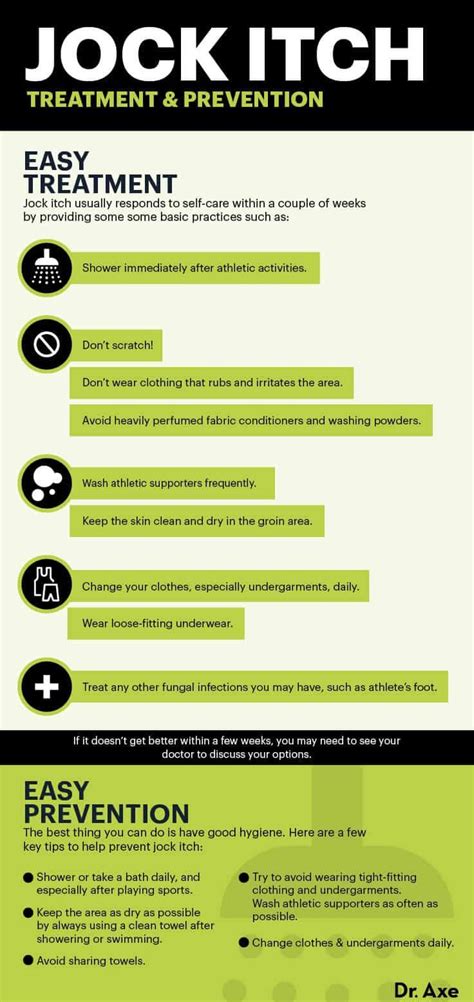
While treatment is crucial, preventing jock itch from occurring in the first place is even better. Here are some strategies to help prevent jock itch:
- Keep the Groin Area Clean and Dry: Regular washing with soap and water, followed by thorough drying, can help prevent fungal growth.
- Wear Loose-Fitting Clothing: Tight clothing can trap moisture, creating an ideal environment for fungi to grow.
- Use Antifungal Powders or Sprays: Applying antifungal powders or sprays daily, especially after bathing, can help prevent the infection.
- Avoid Sharing Personal Care Items: Sharing items like towels or clothing can spread the infection.
- Wear Cotton Underwear: Cotton allows for better airflow and can help keep the groin area drier than synthetic fabrics.
Complications and When to Seek Medical Attention
While jock itch is generally not serious, it can lead to complications if left untreated or if treatment is delayed. These can include:
- Bacterial Infections: Scratching the affected area can lead to breaks in the skin, providing an entry point for bacteria.
- Spread of the Infection: Fungal infections can spread to other parts of the body.
If you experience any of the following, it’s important to seek medical attention:
- Increased redness or swelling
- Pus or discharge
- Fever
- Worsening symptoms despite treatment
Natural Remedies and Home Care
Alongside medical treatment, certain natural remedies and home care practices can help alleviate symptoms and support the healing process. These include:
- Tea Tree Oil: Known for its antifungal properties, tea tree oil can be applied to the affected area after diluting it with a carrier oil.
- Garlic: Garlic has antifungal properties and can be used in various forms, including raw garlic applied to the skin or garlic supplements.
- Apple Cider Vinegar: It can help balance the skin’s pH and has antifungal properties, but it should be diluted before application to avoid irritation.
Conclusion
Jock itch is a treatable condition, and with the right approach, it’s possible to not only cure the infection but also prevent its recurrence. By understanding the causes, using appropriate treatments, and implementing preventive measures, individuals can effectively manage jock itch and maintain healthy skin. It’s always best to consult with a healthcare provider for personalized advice and treatment.
FAQ Section
What are the most common symptoms of jock itch?
+The most common symptoms of jock itch include redness, itching, and flaking of the skin in the groin area. The infection can also spread to other parts of the body, such as the thighs and buttocks, and may cause a strong, unpleasant odor.
How is jock itch typically treated?
+Jock itch is typically treated with antifungal medications, which can be in the form of creams, ointments, or powders. Over-the-counter (OTC) treatments are often effective, but in some cases, prescription-strength antifungals may be necessary.
Can jock itch be prevented?
+What are some natural remedies for jock itch?
+Natural remedies for jock itch include tea tree oil, garlic, and apple cider vinegar. These can help alleviate symptoms and support the healing process, but they should be used alongside medical treatment and under the guidance of a healthcare provider.
When should I seek medical attention for jock itch?
+You should seek medical attention for jock itch if you experience increased redness or swelling, pus or discharge, fever, or worsening symptoms despite treatment. It’s also important to consult with a healthcare provider for personalized advice and treatment.