
Popular Options and Variations
There are various resources available to teach kindergarten shapes, catering to different learning styles and preferences.
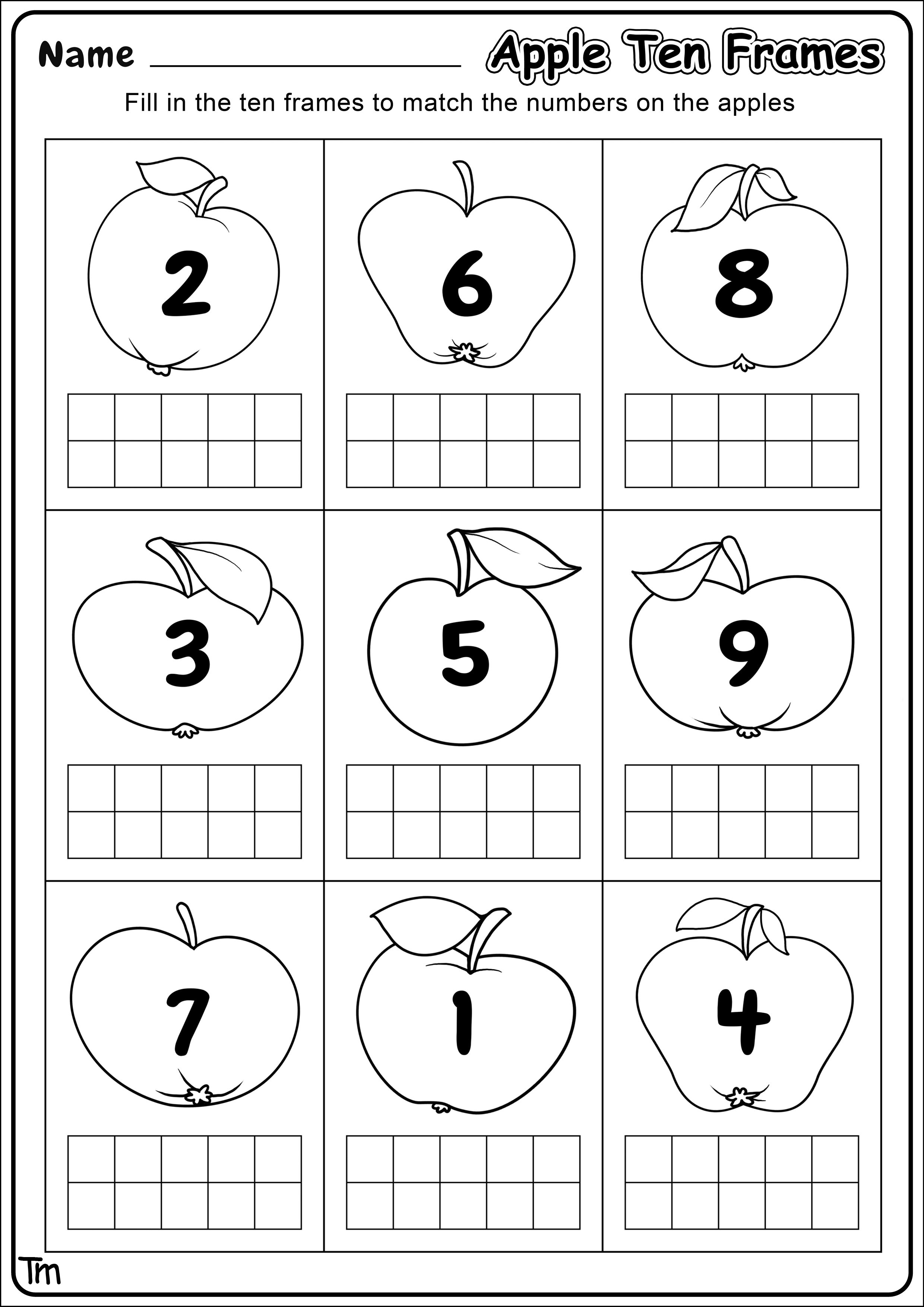
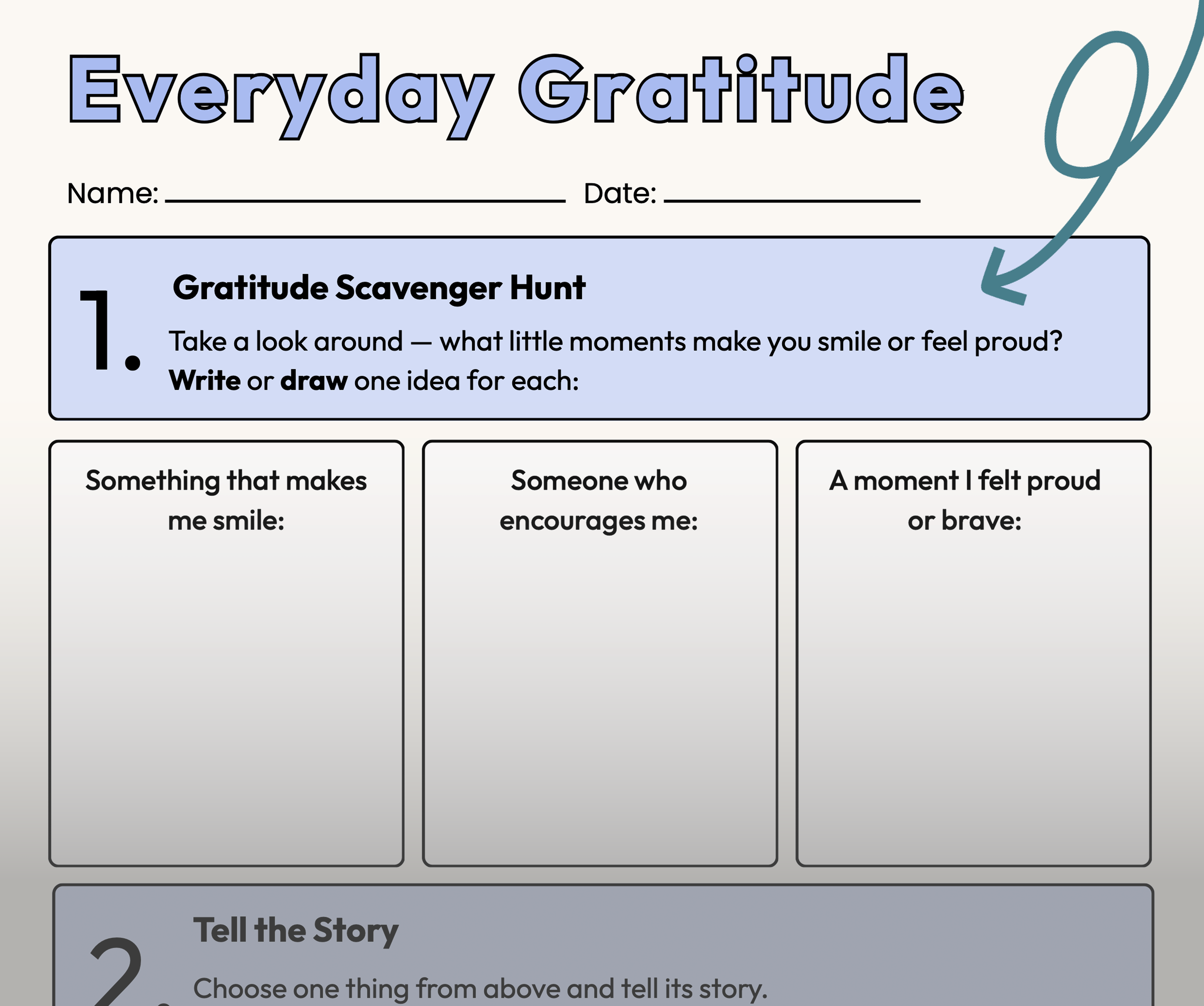
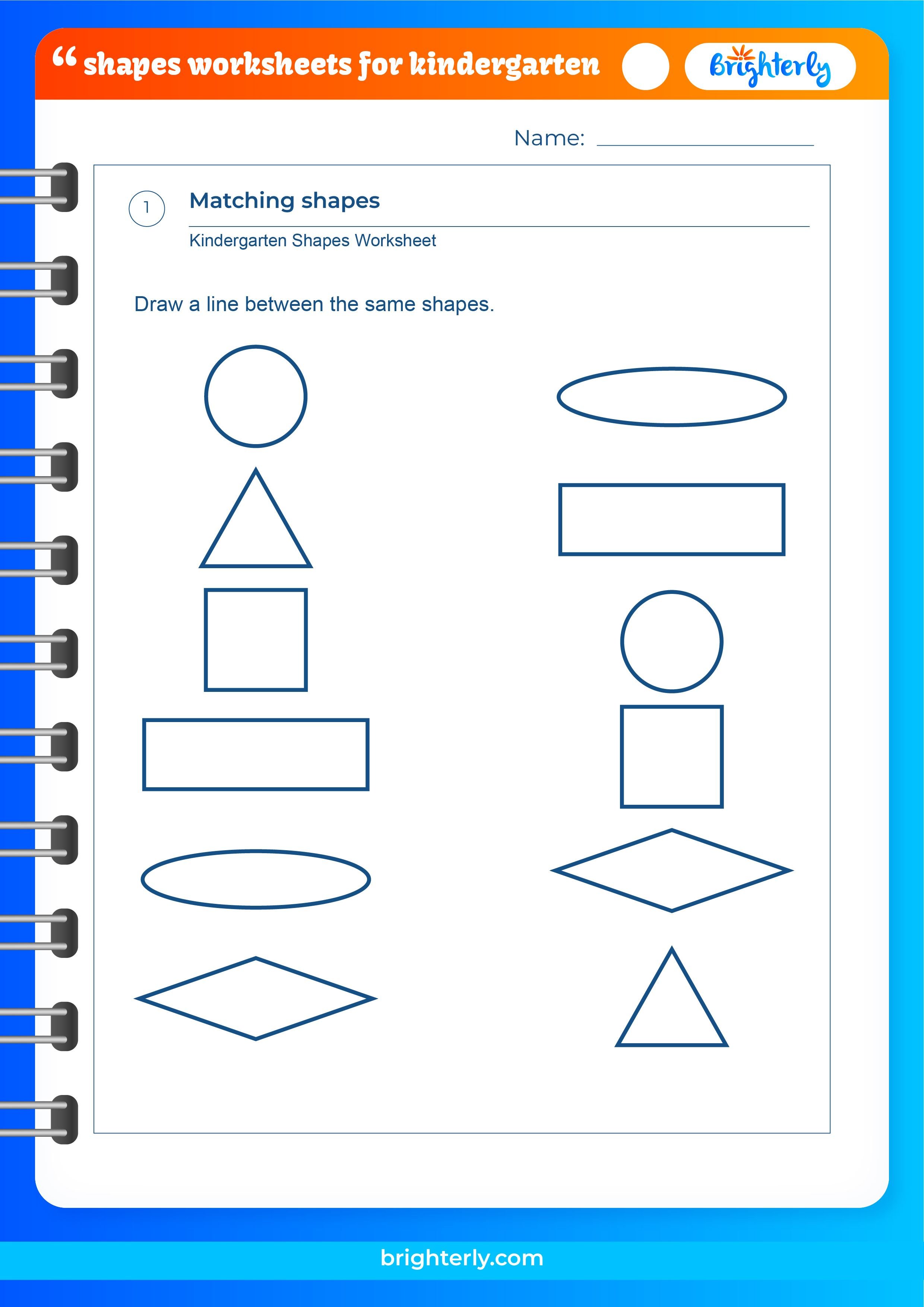
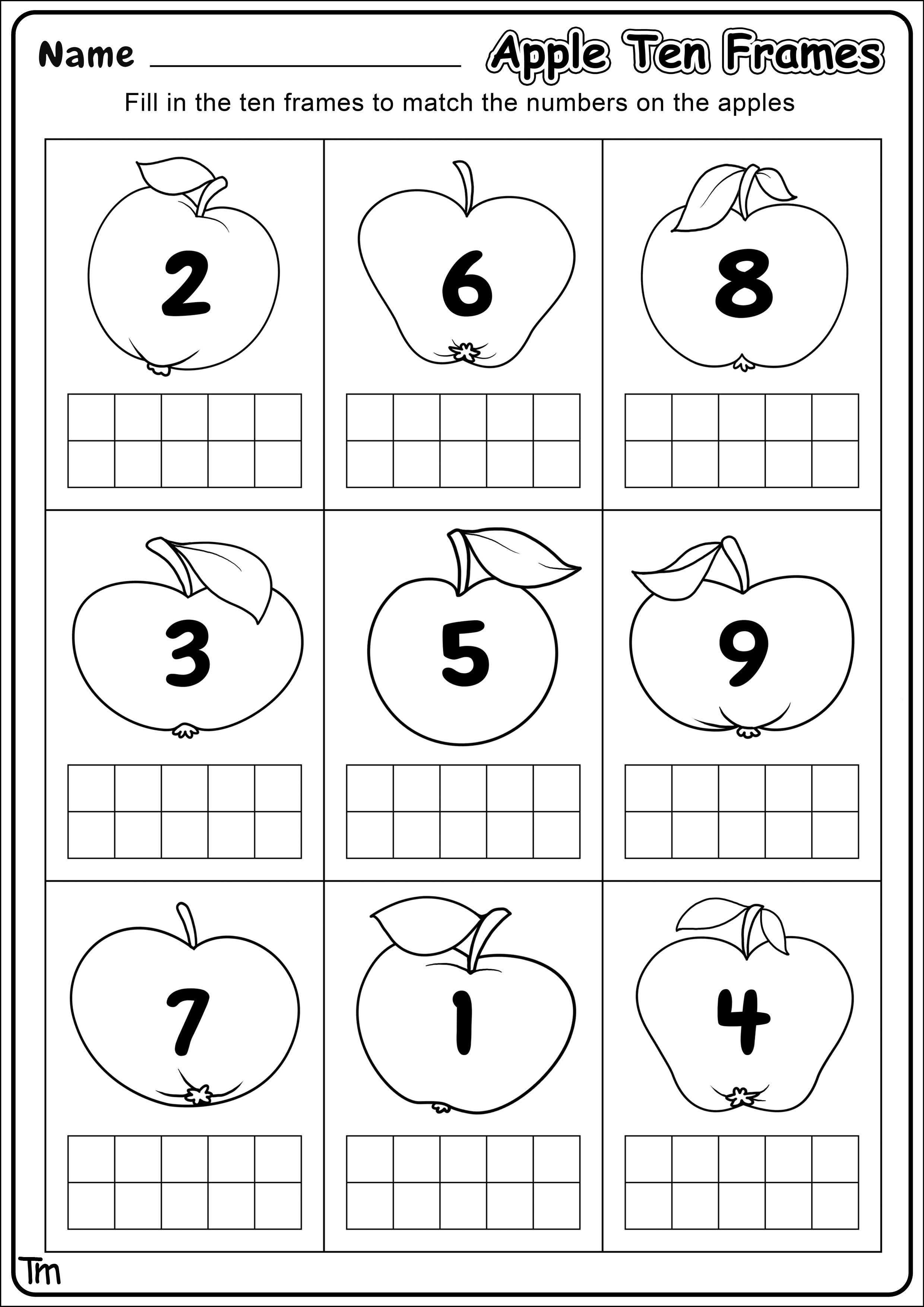
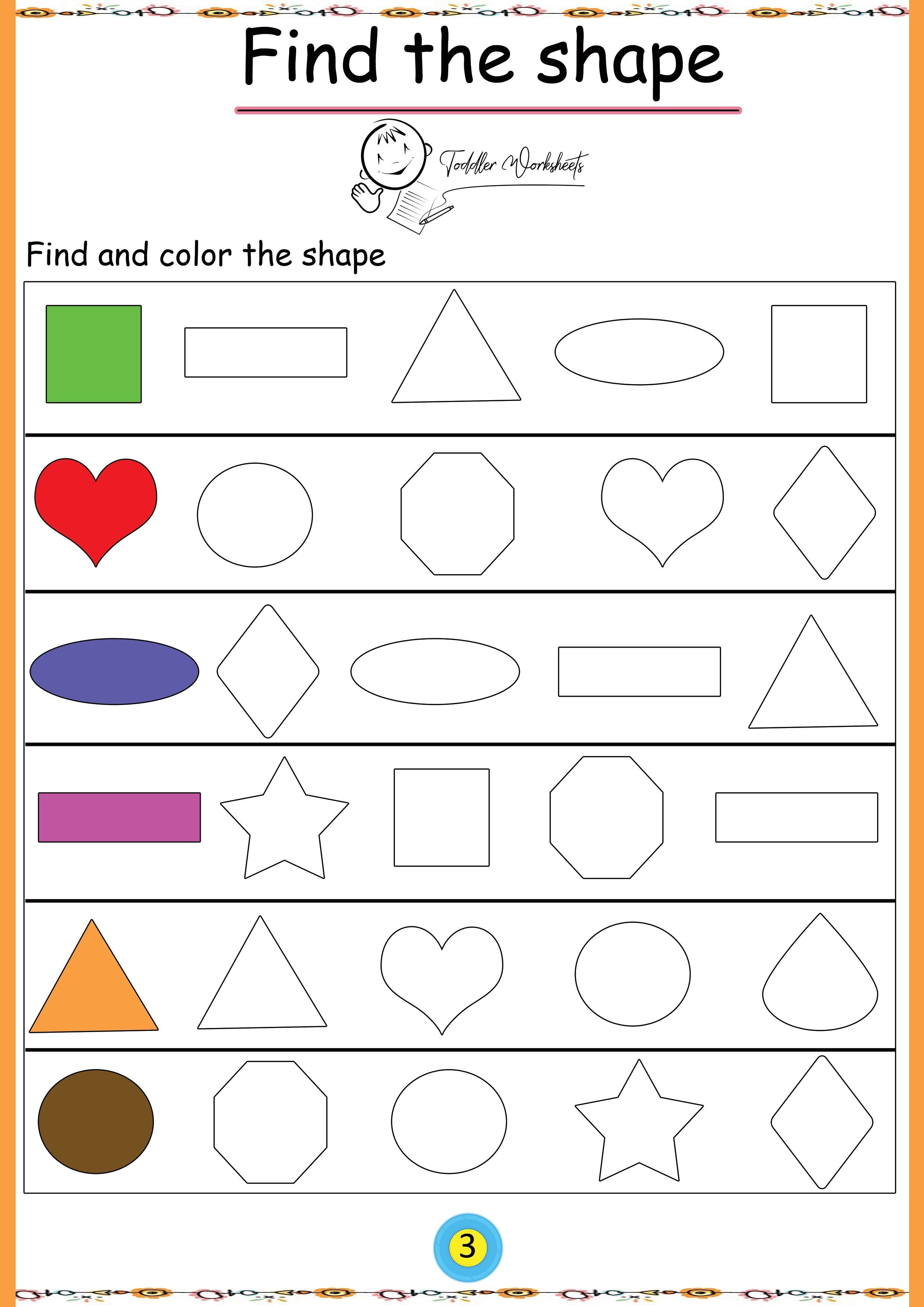
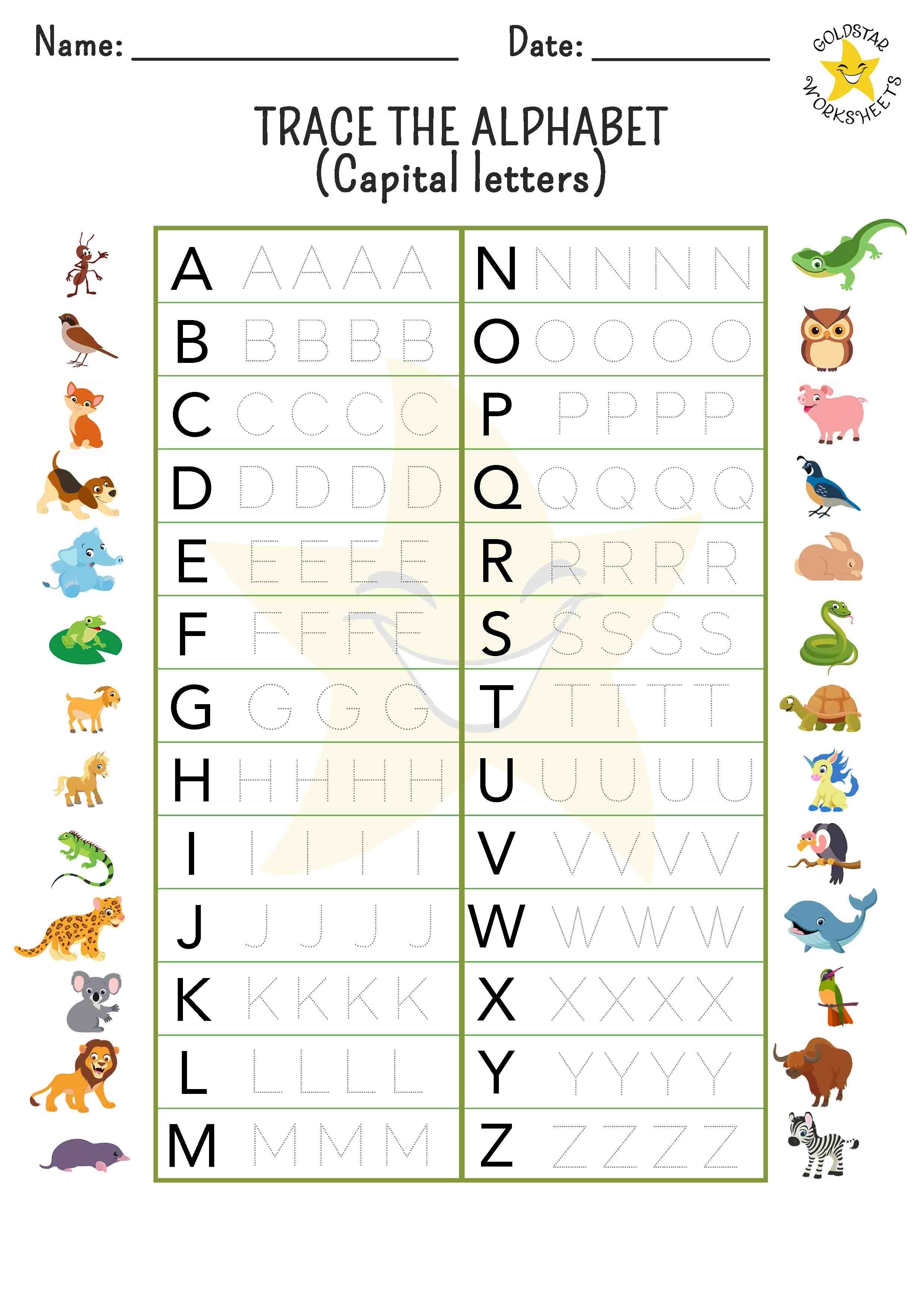
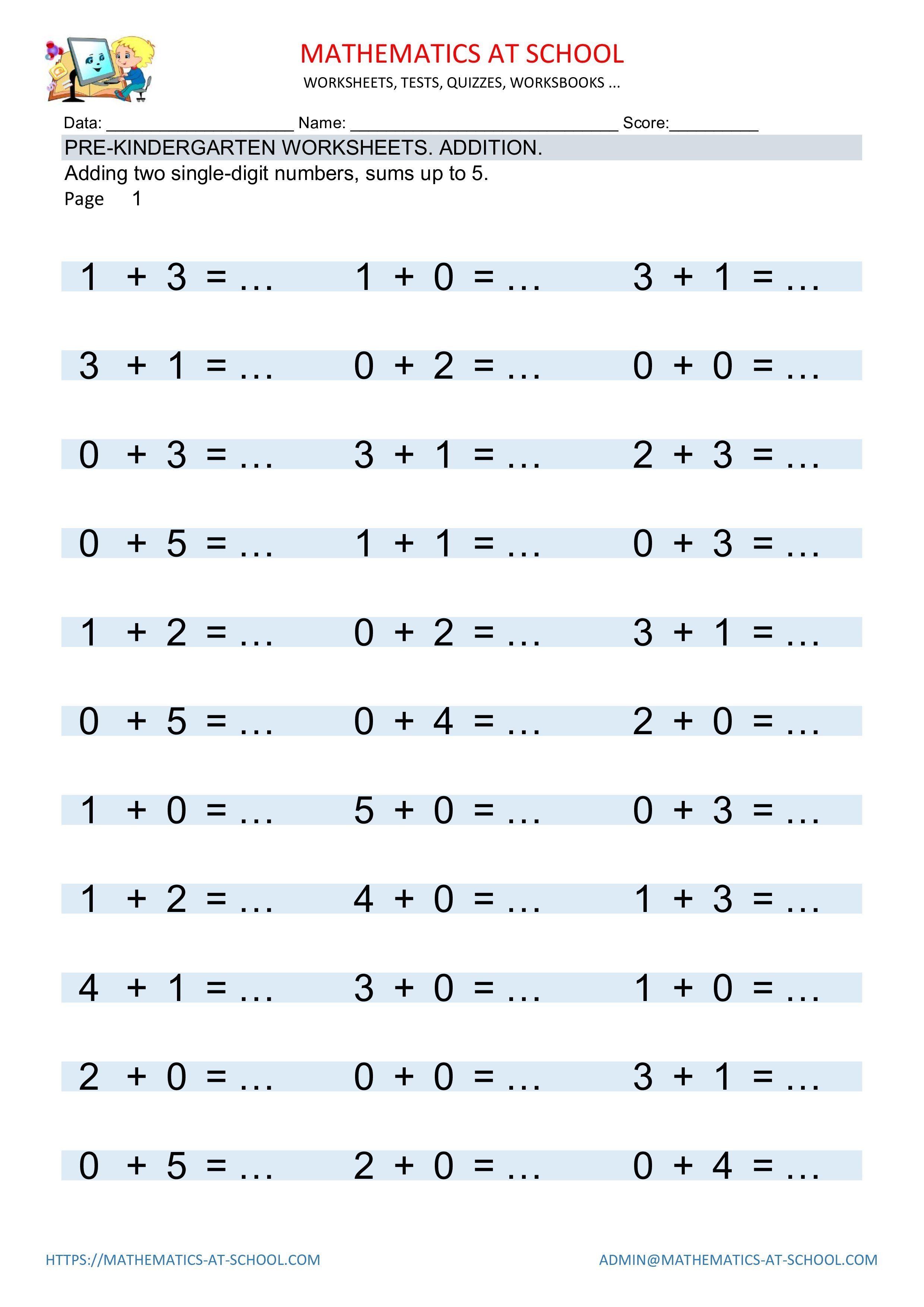
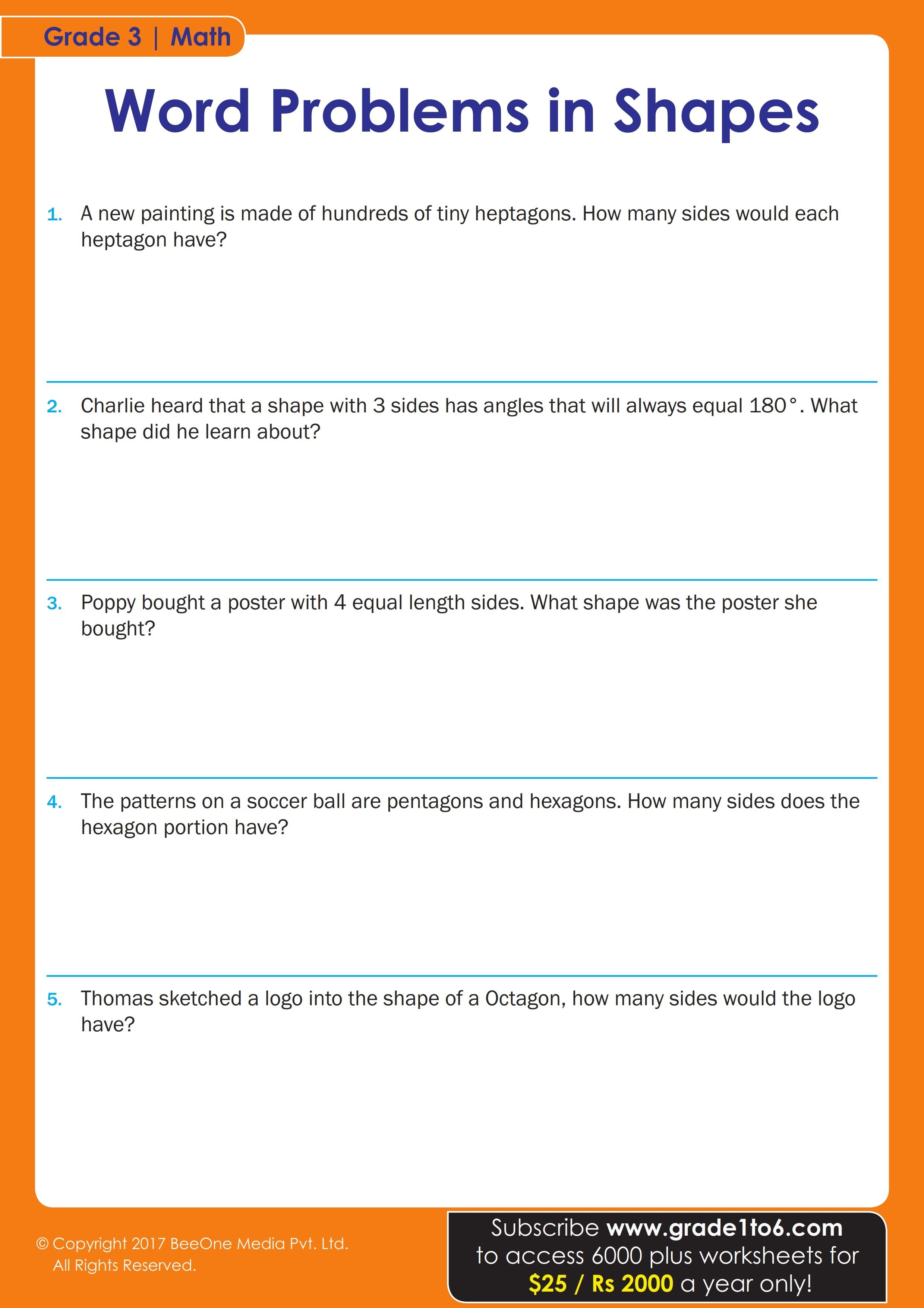
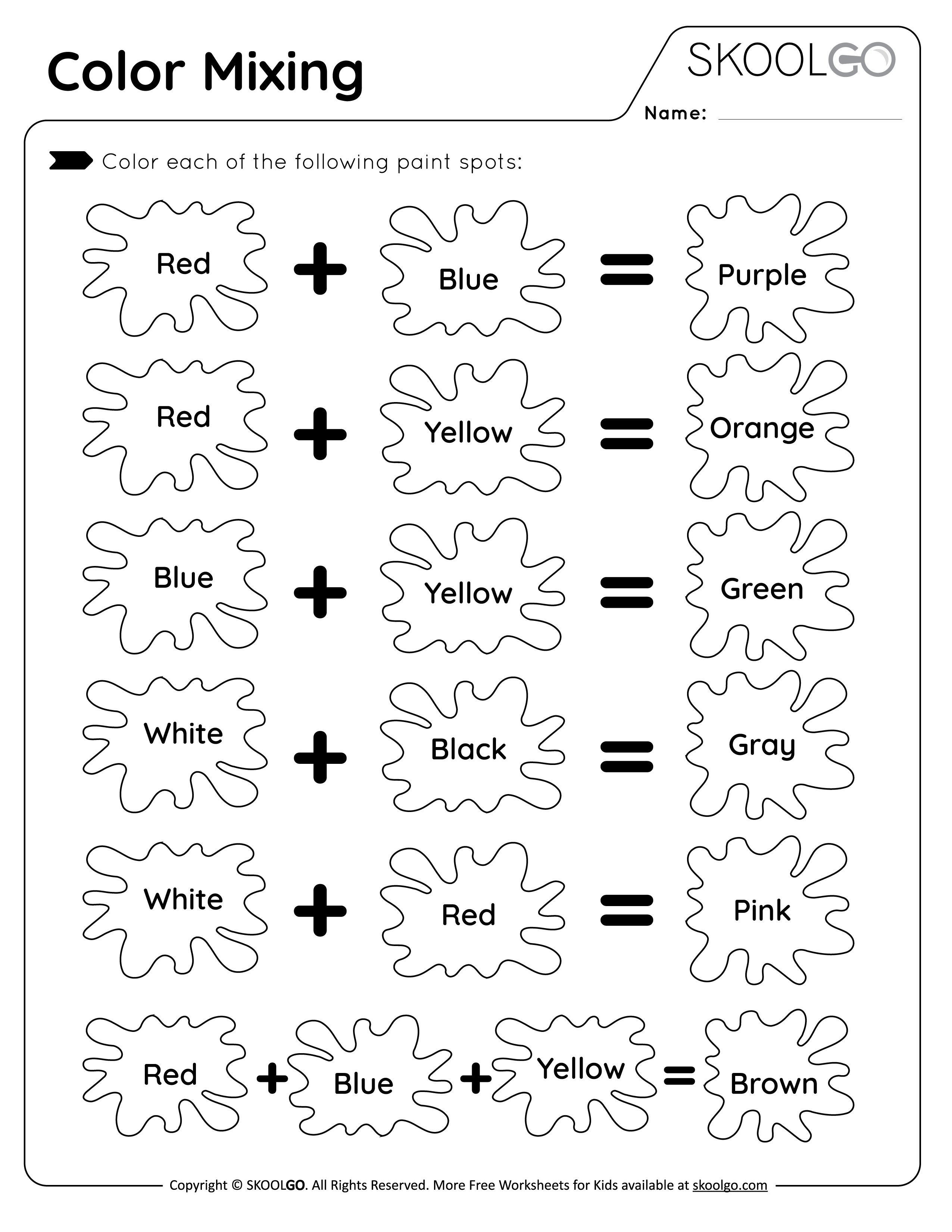
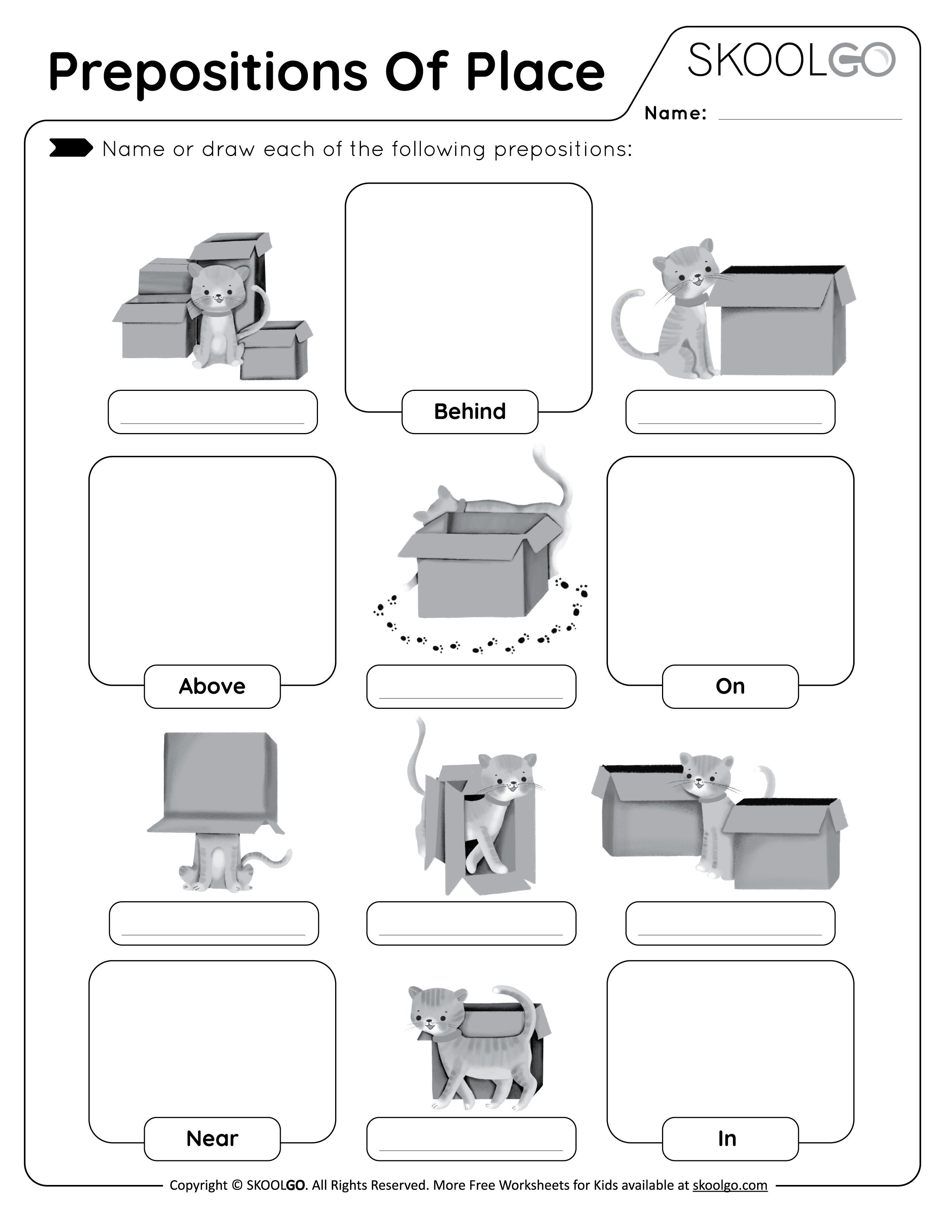
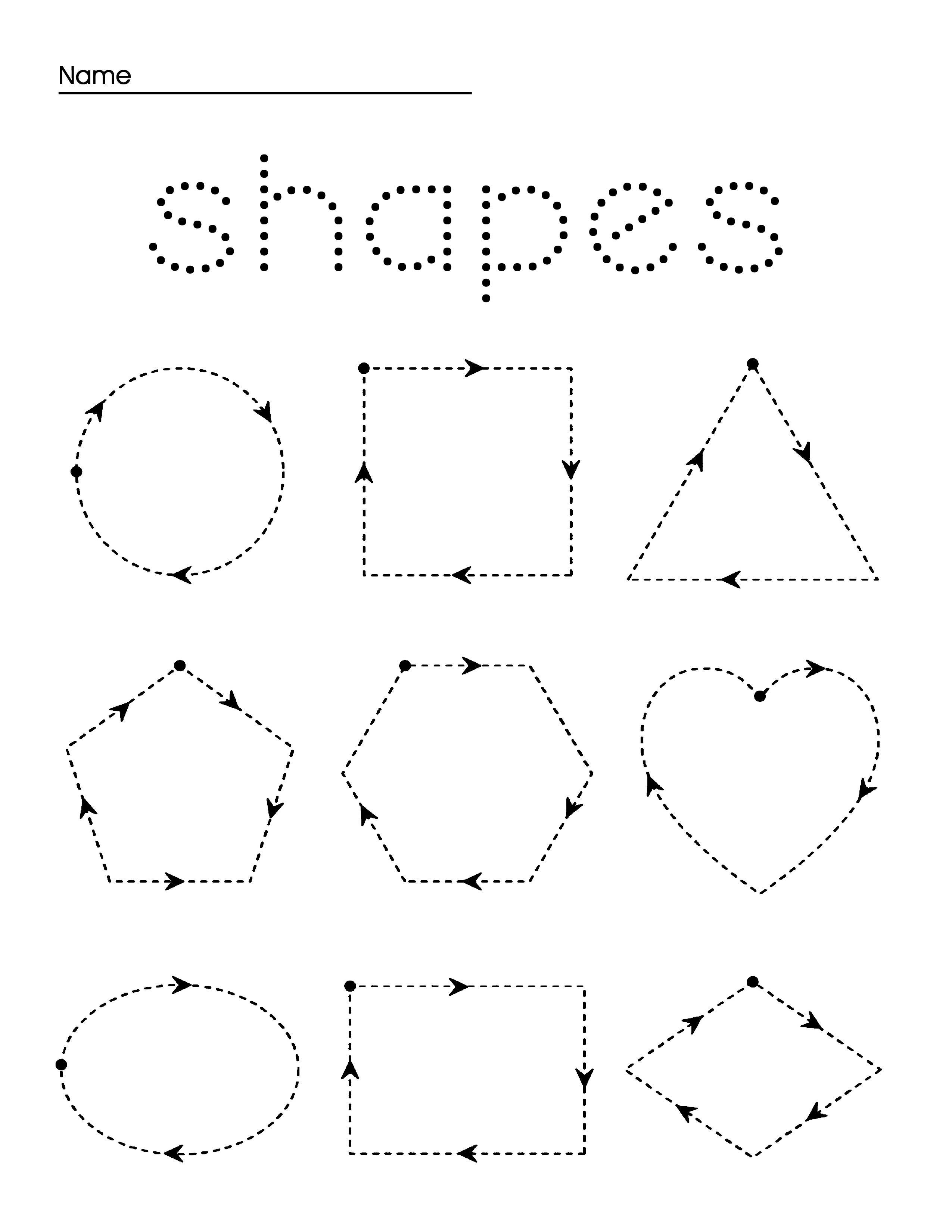
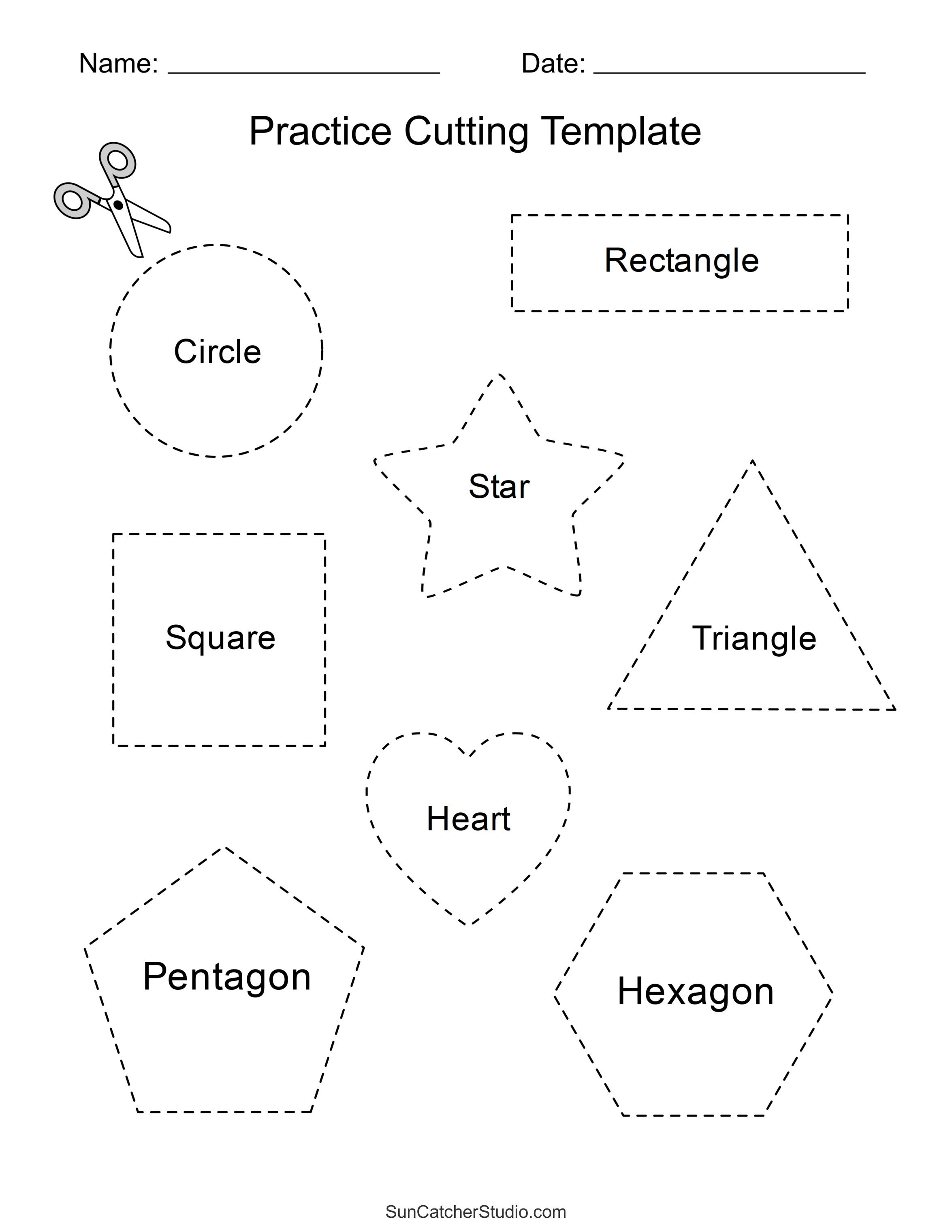
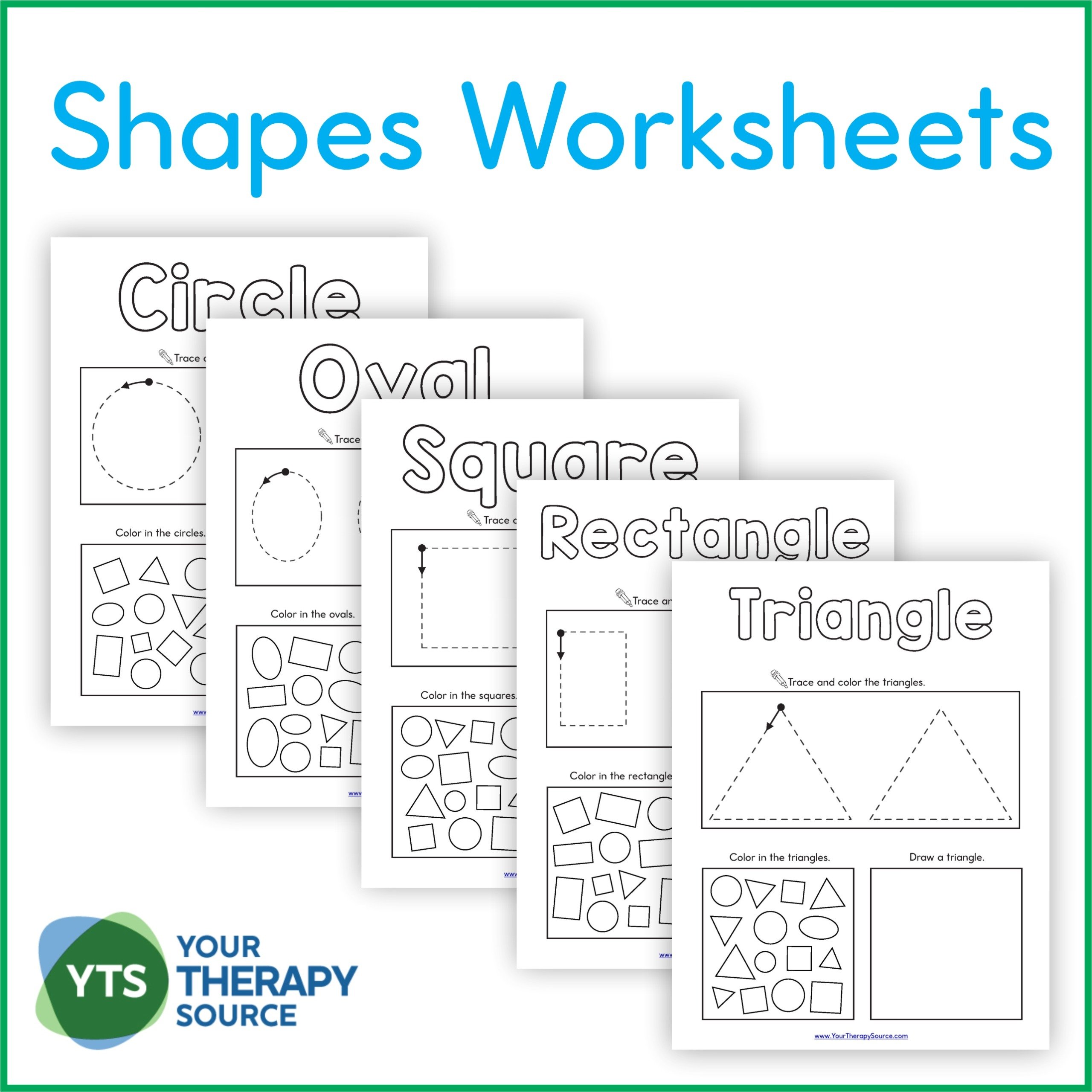
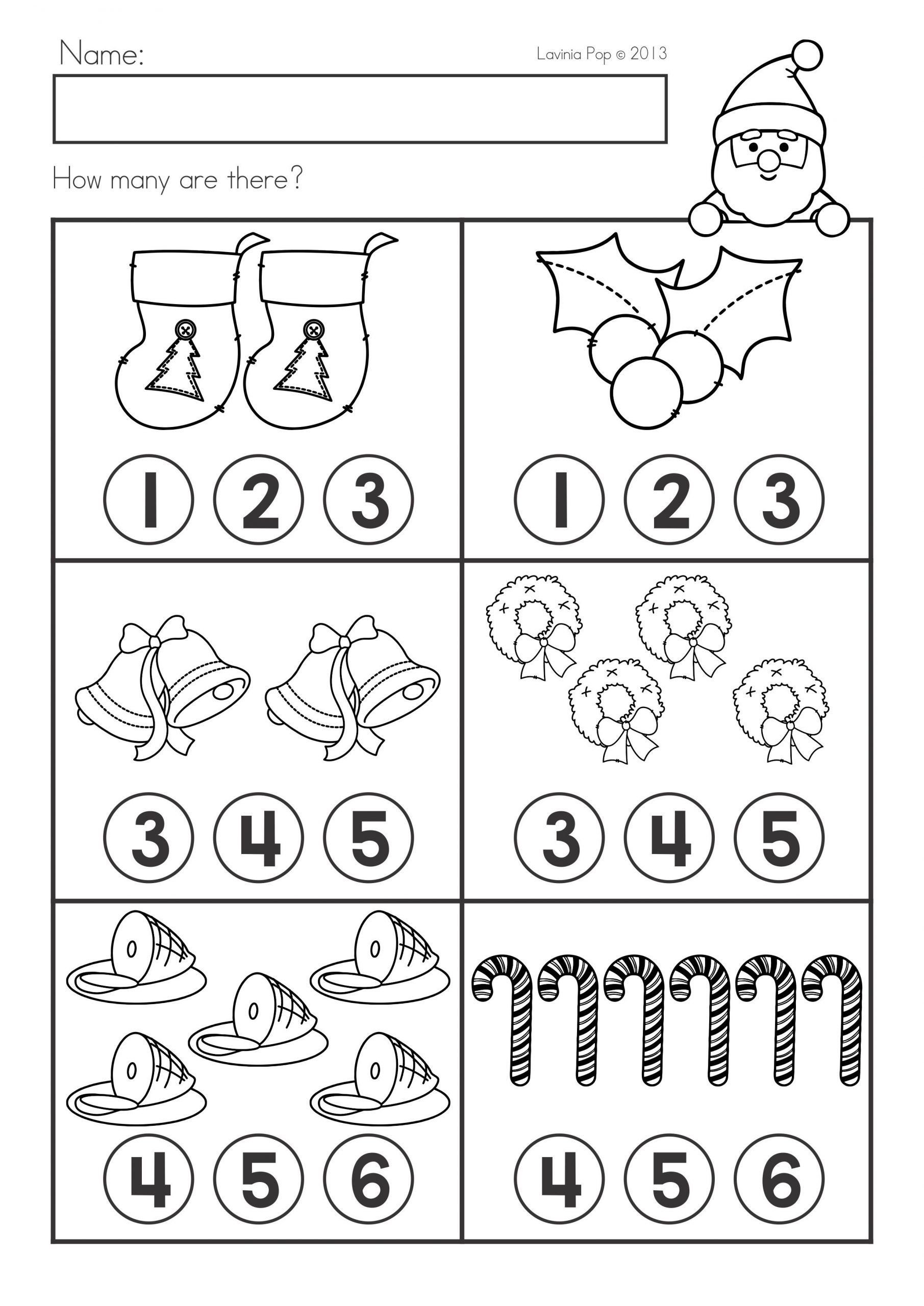
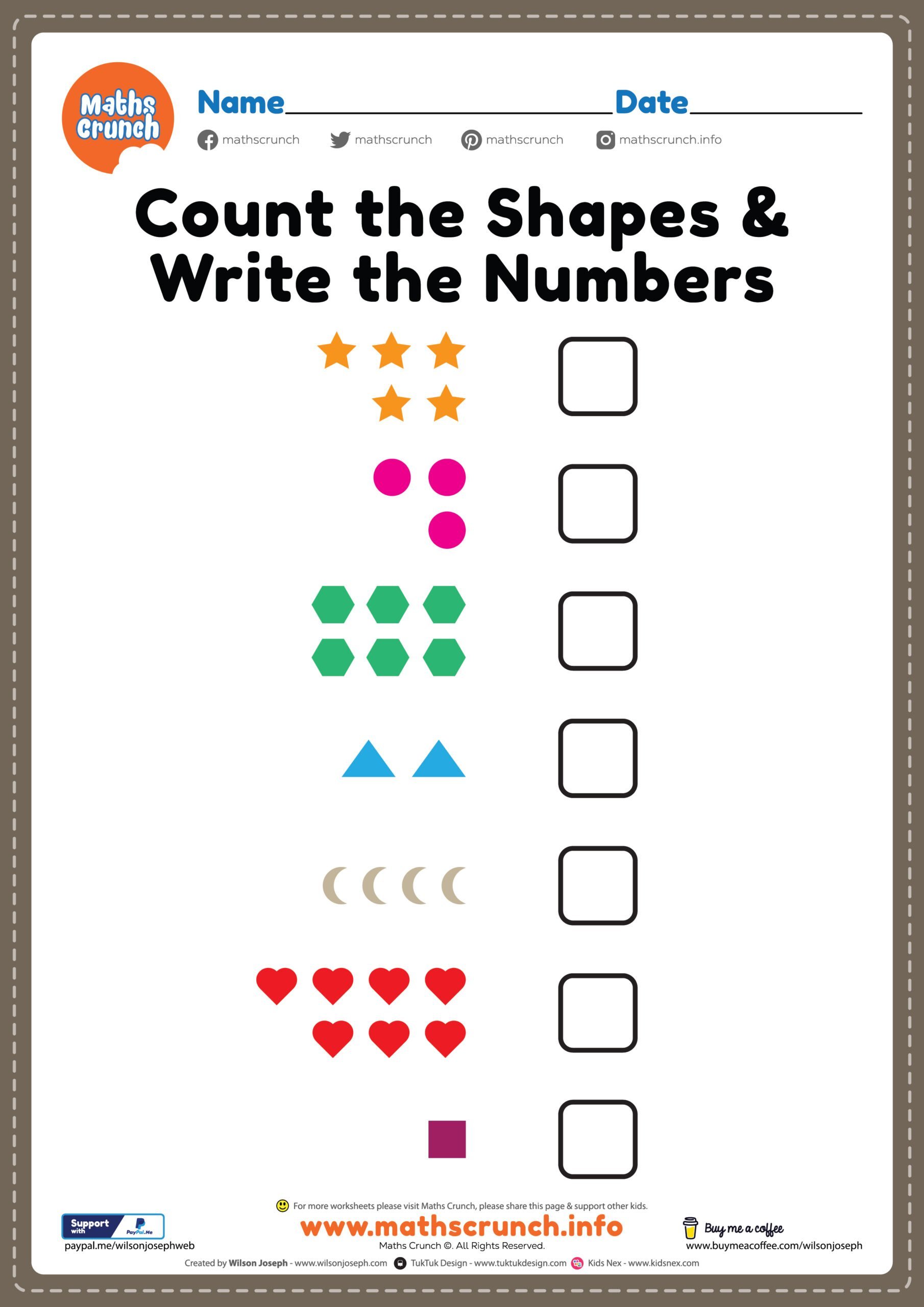
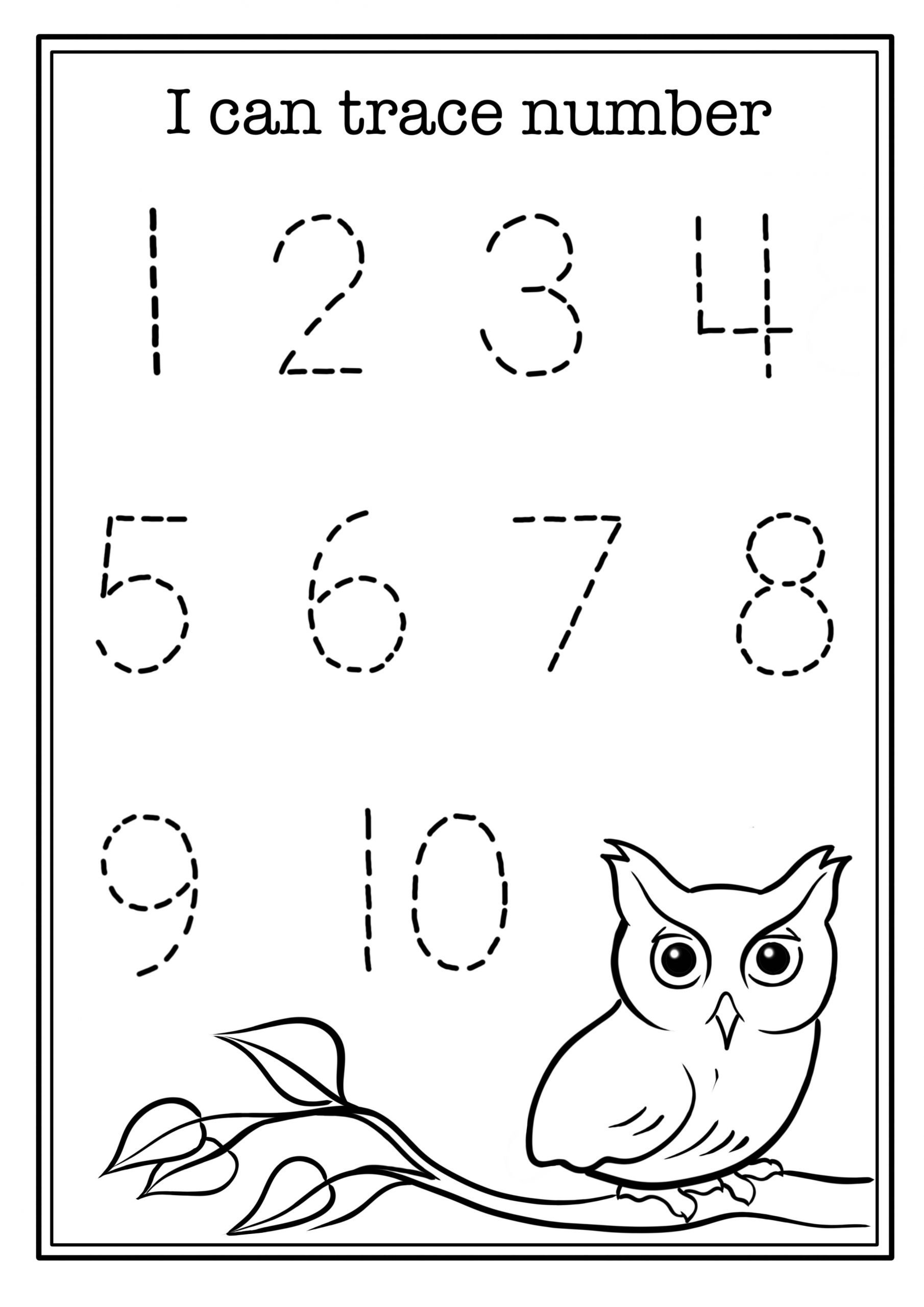
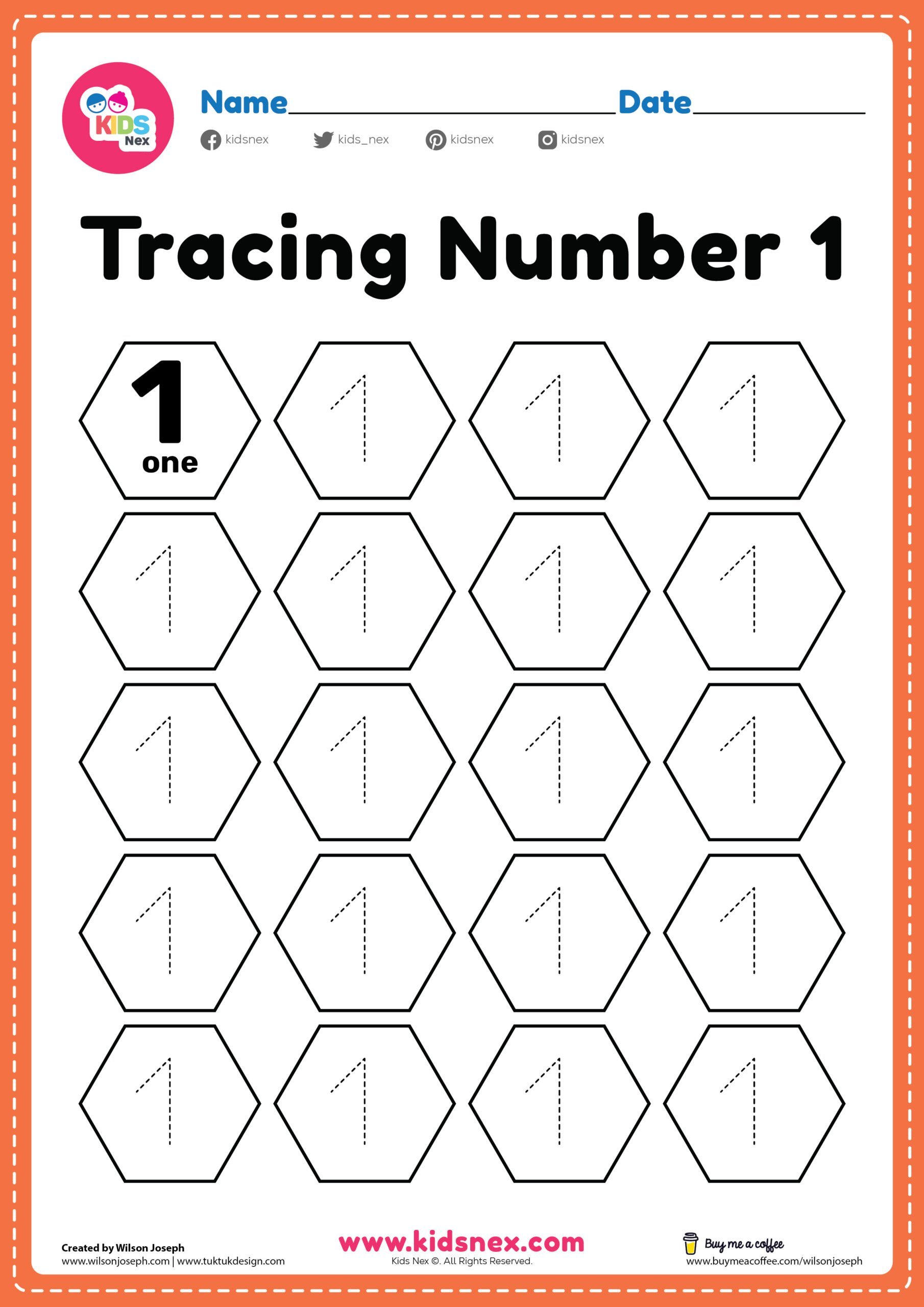
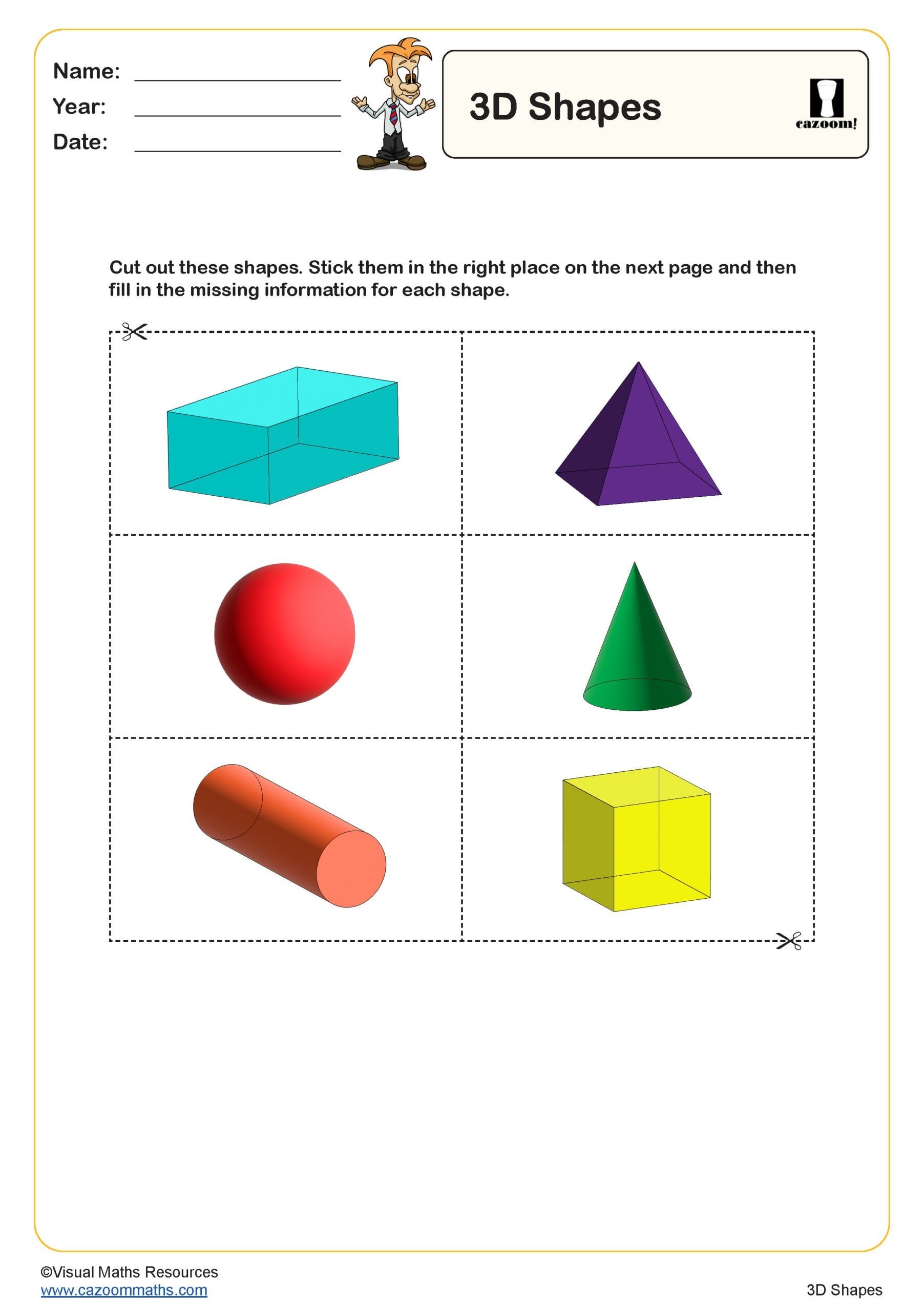
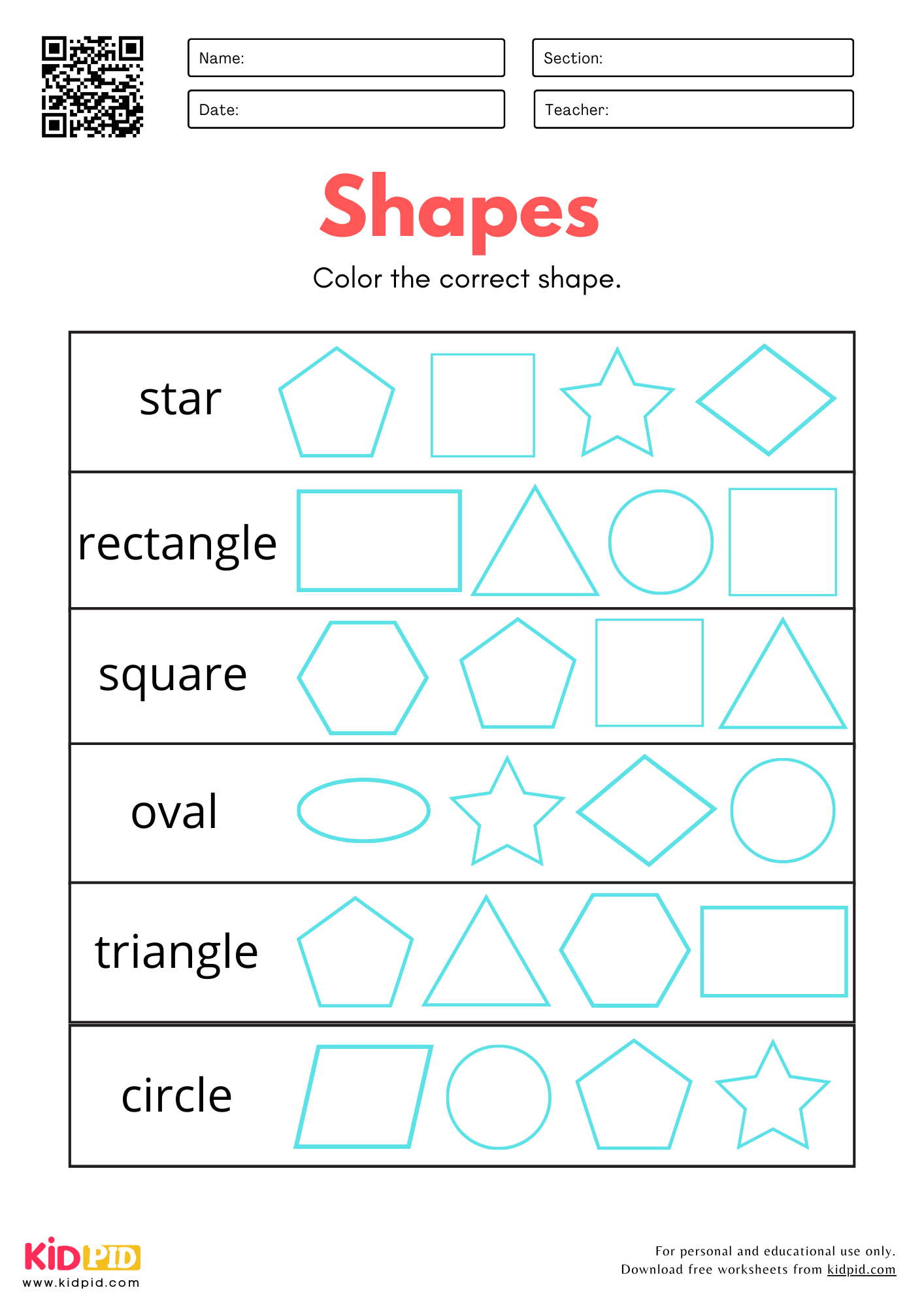
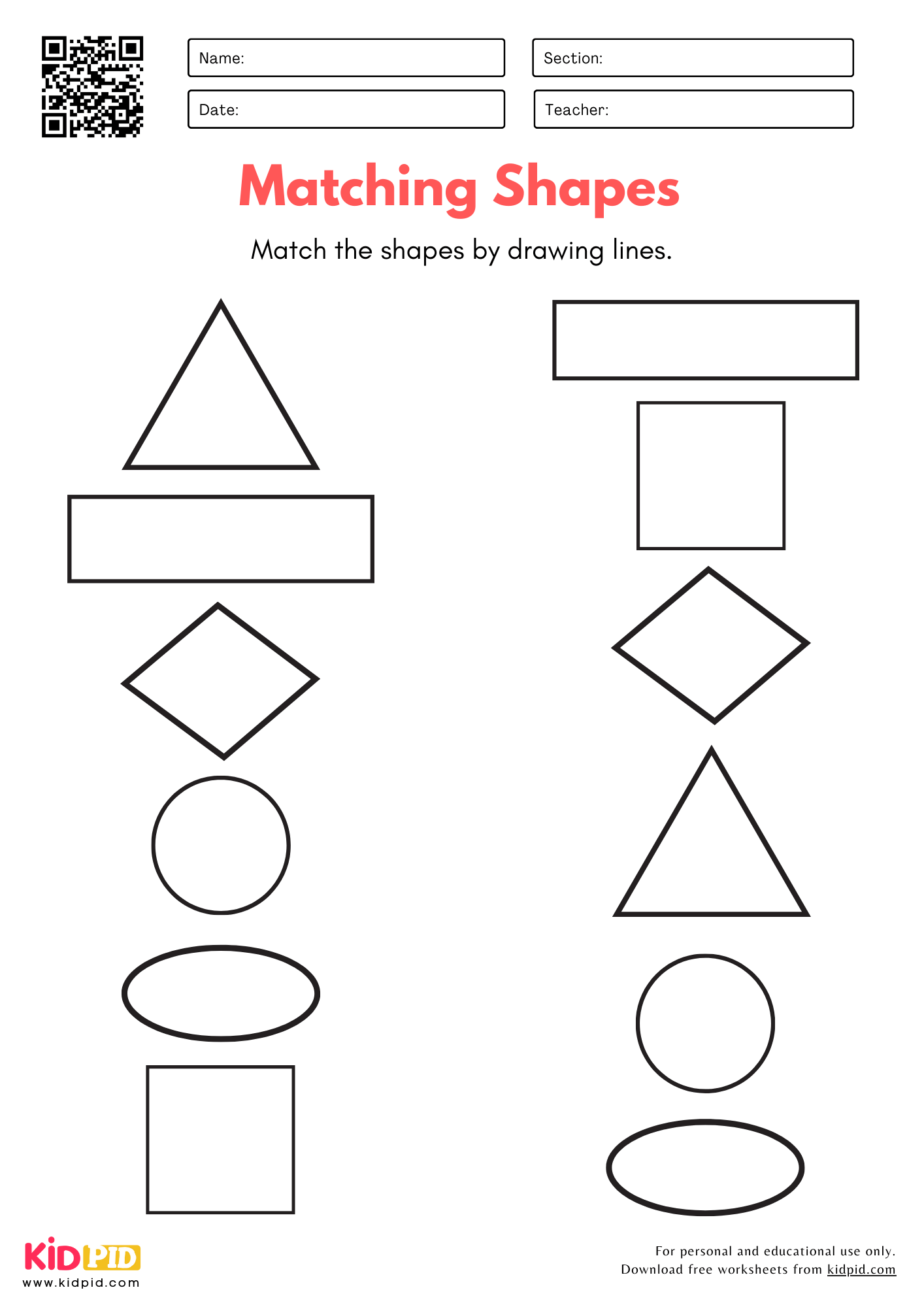
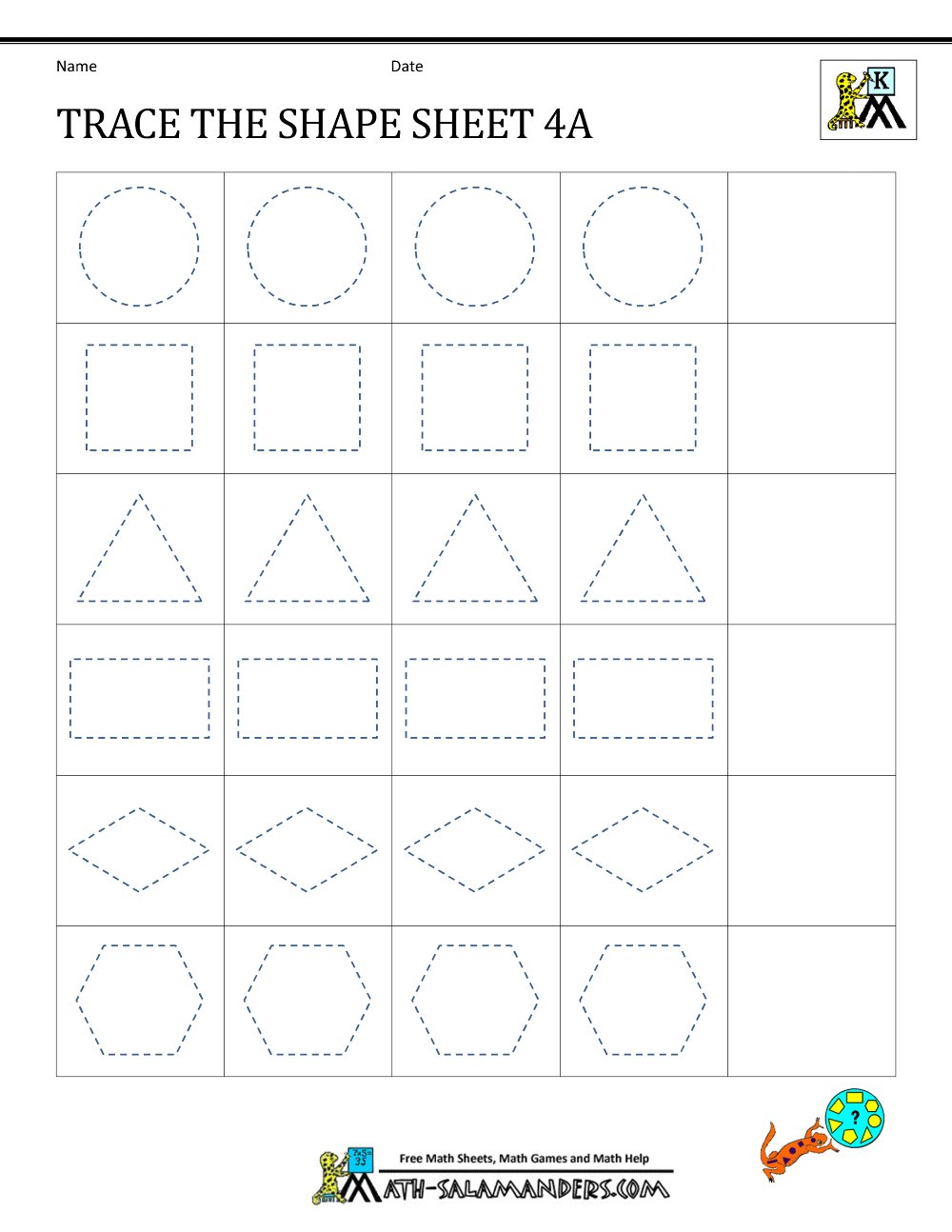
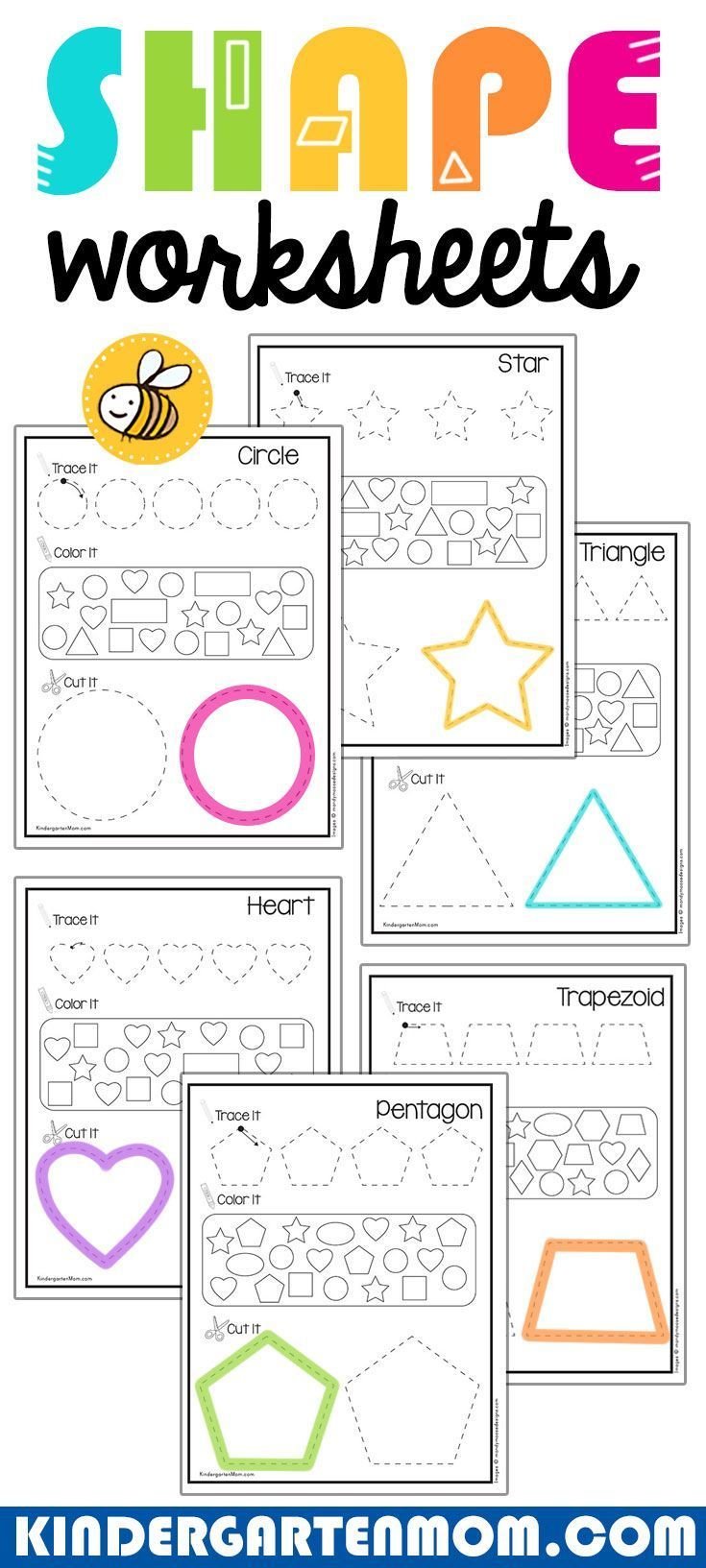
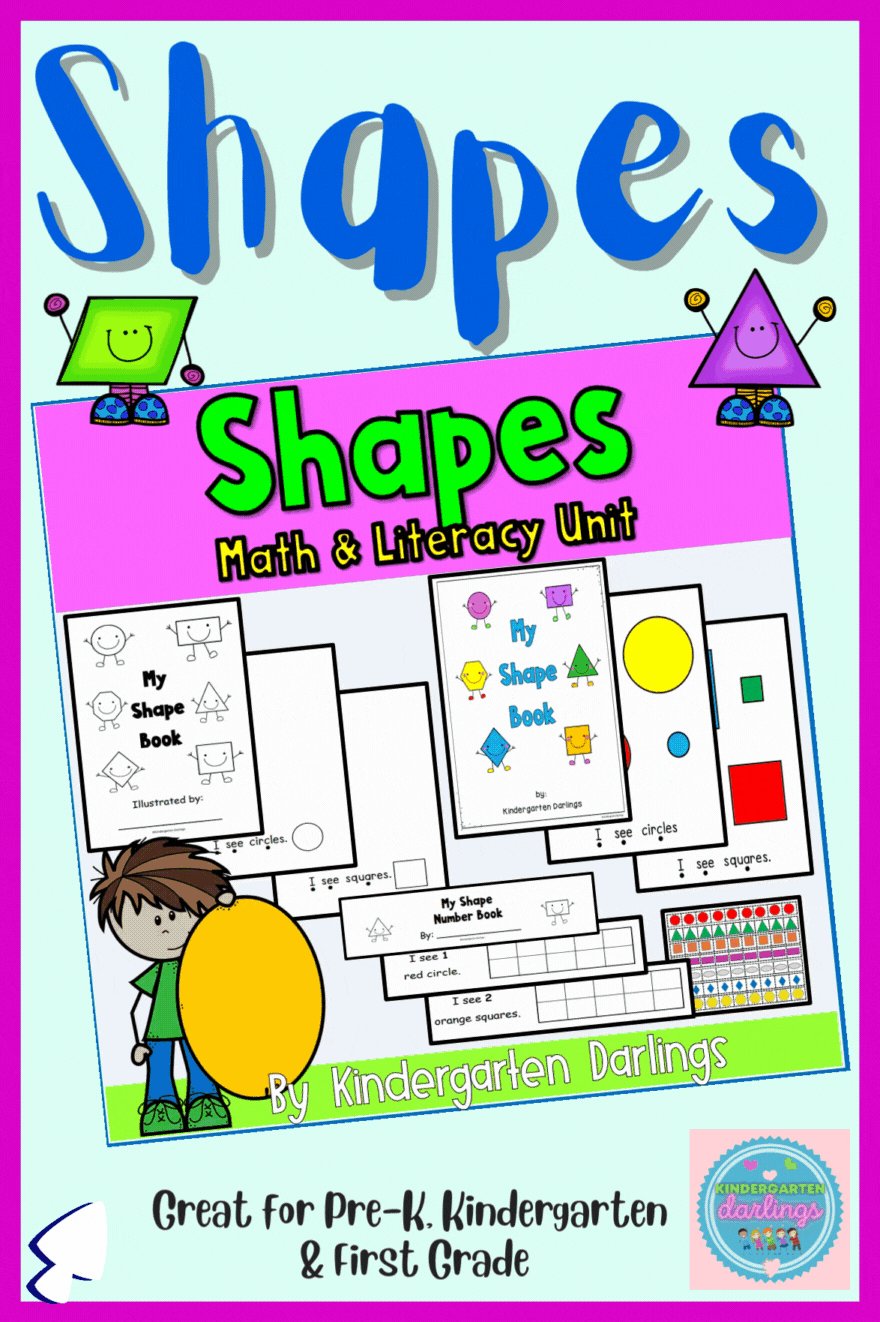
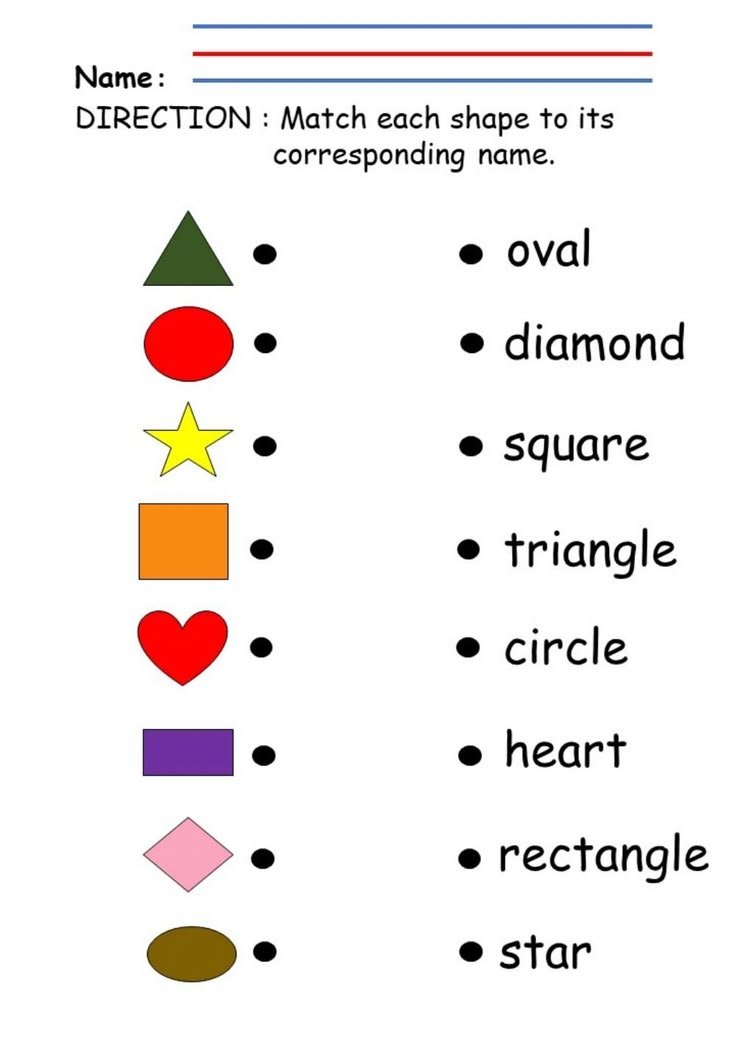
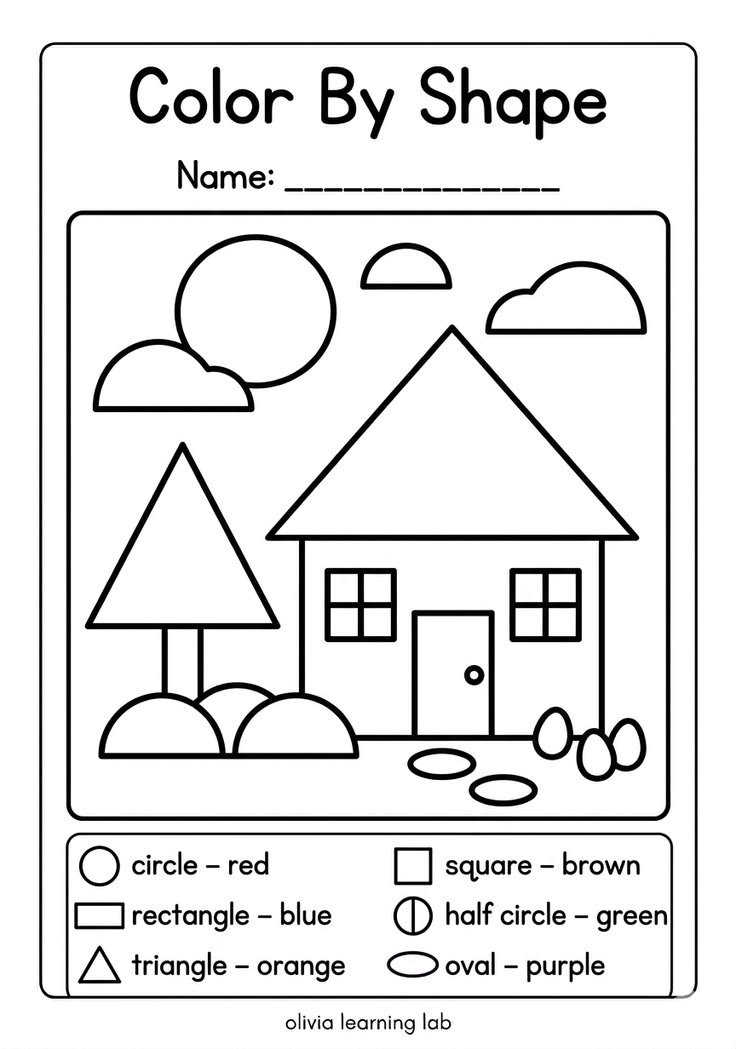
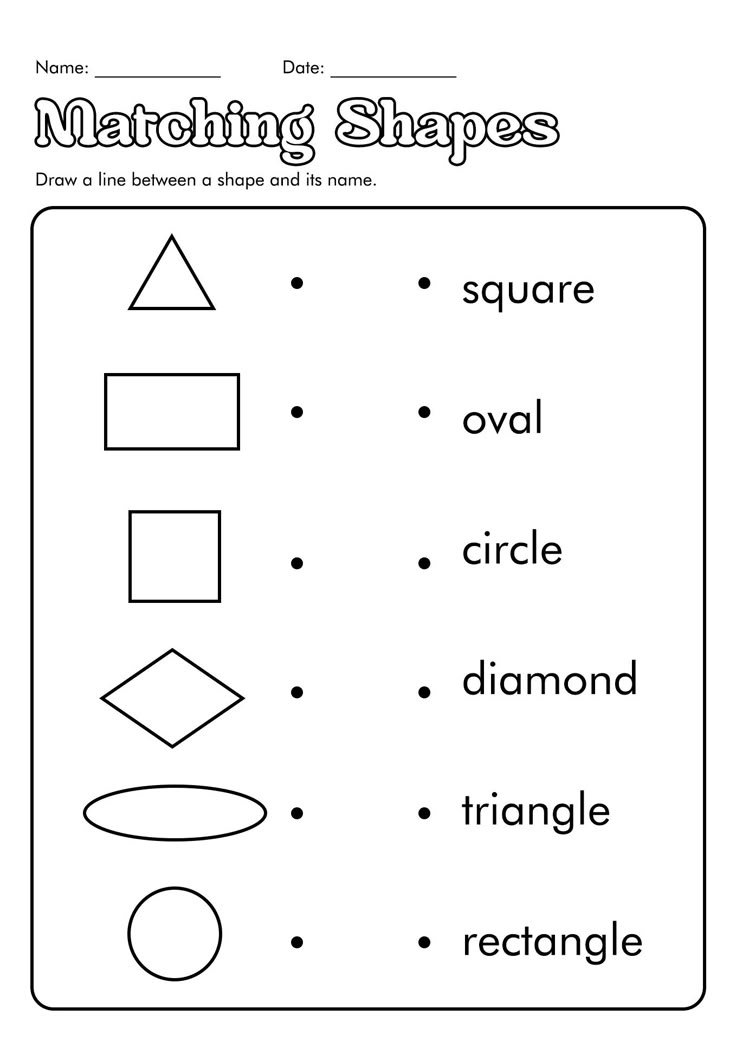
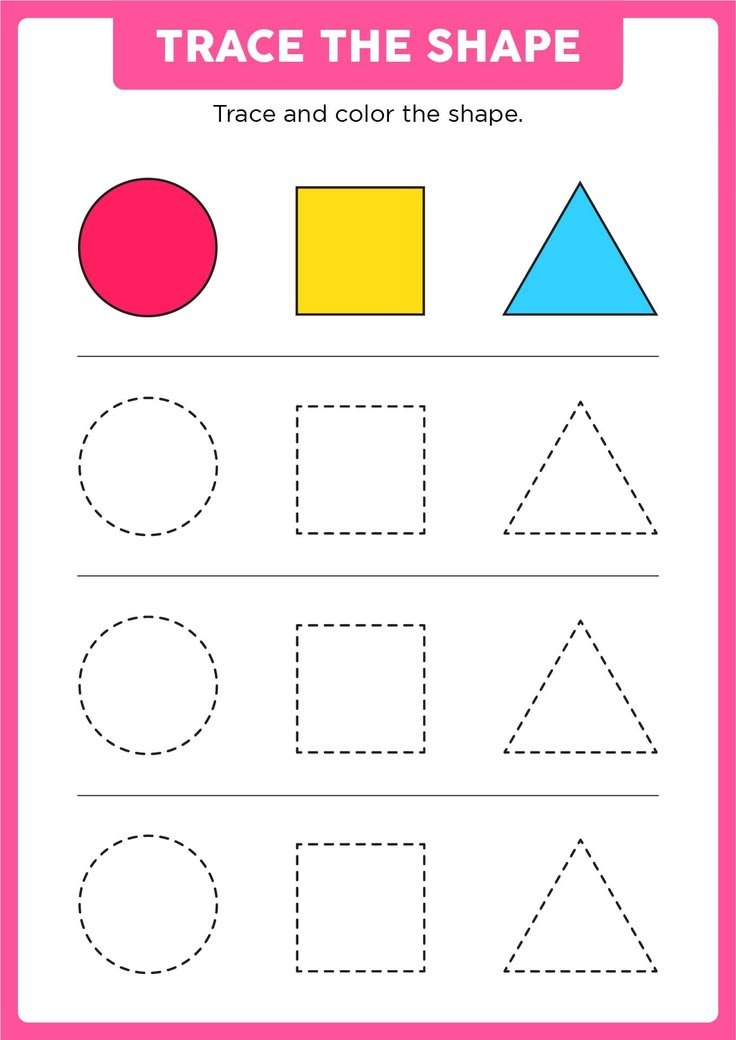
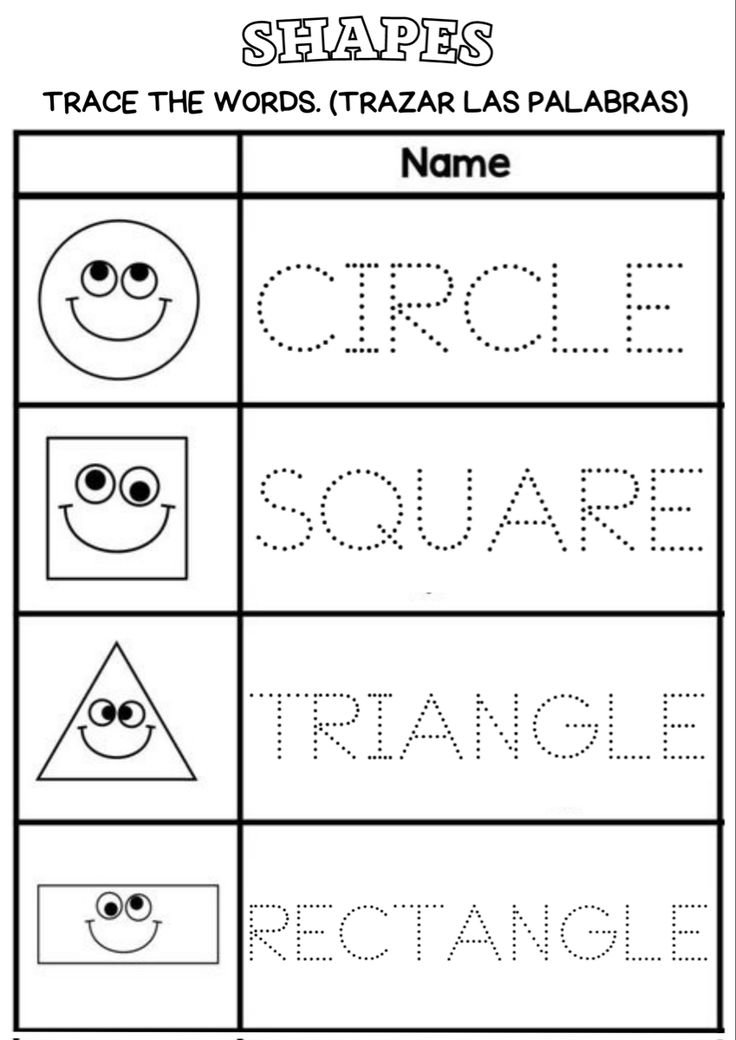
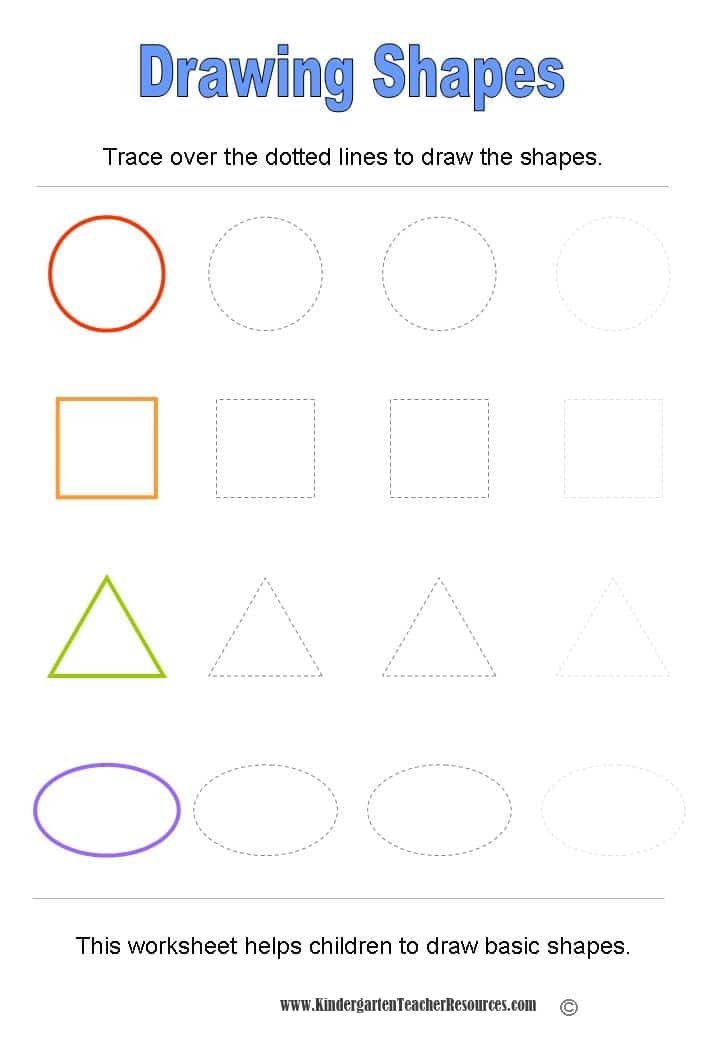
Worksheets: Printable shapes worksheets are a popular choice, offering a structured approach to learning. These often include tracing, drawing, and identifying exercises, helping children grasp the basics.
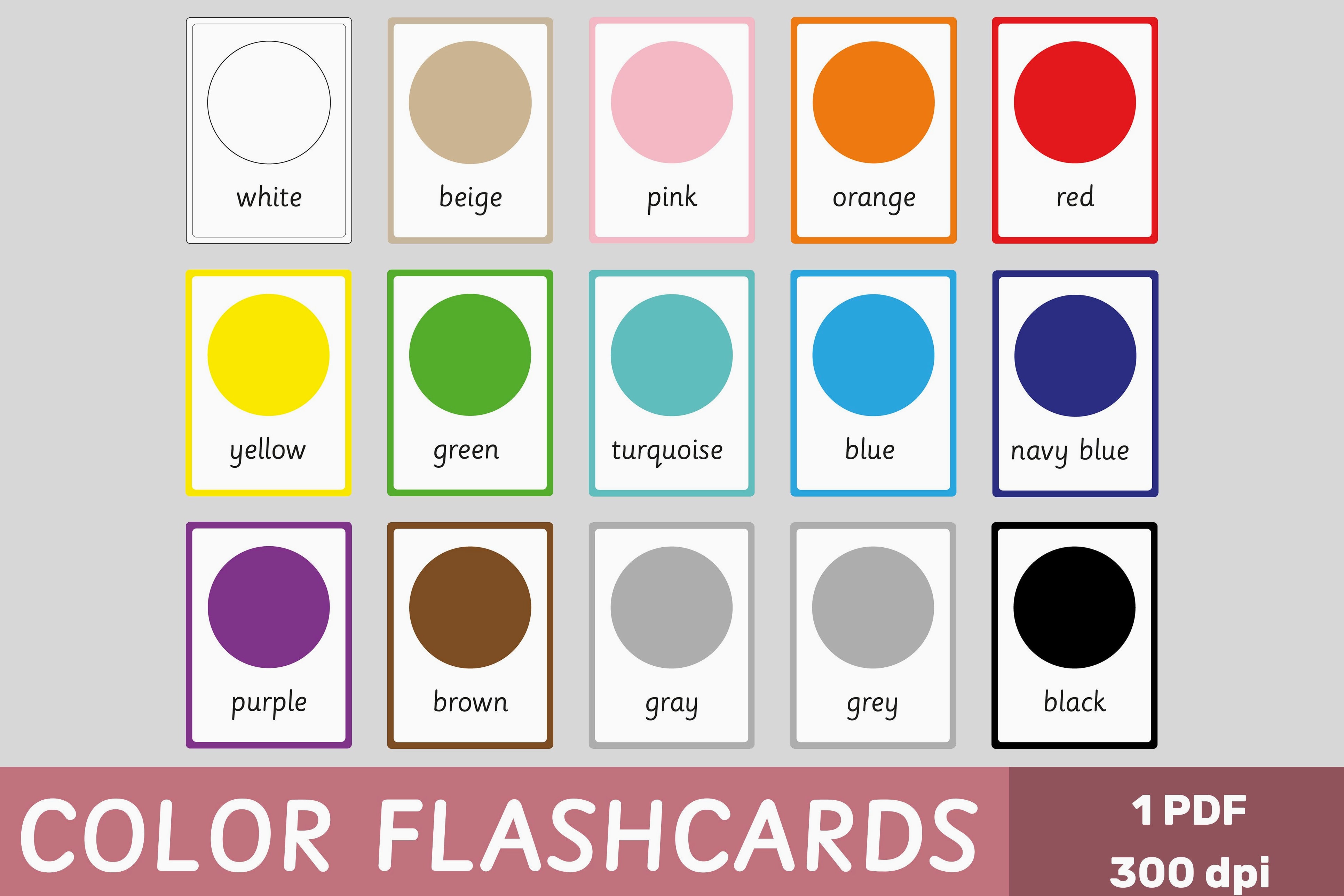
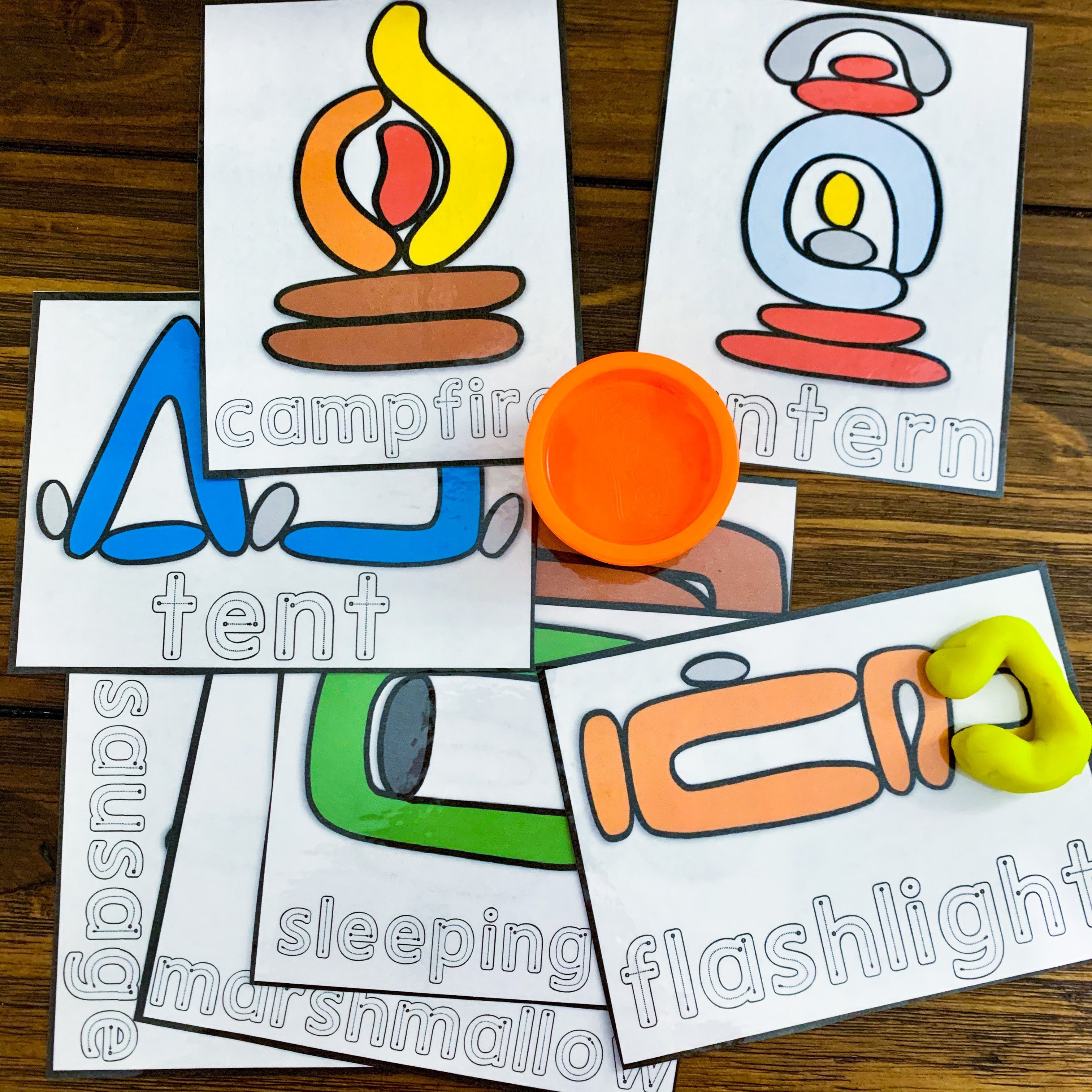
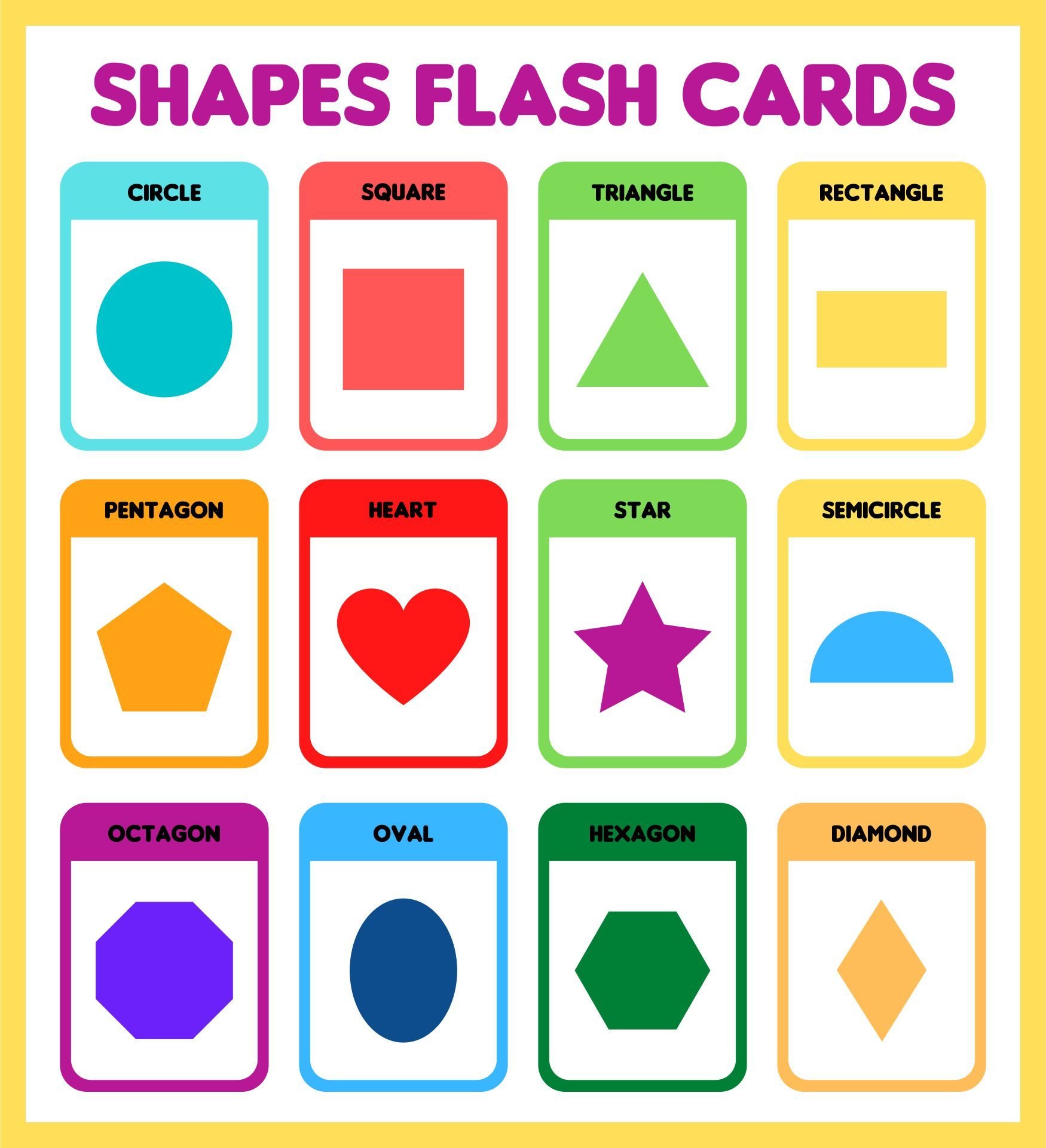
Flashcards: Shapes flashcards are another effective tool, providing a hands-on way to recognize and differentiate shapes. These can be used for individual or group activities, making learning interactive.
Online Games: Educational websites offer kindergarten capig games specifically designed to teach shapes. These games often incorporate bright colors, animations, and simple gameplay, making learning enjoyable.
Materials and Styling
When choosing resources for teaching kindergarten shapes, consider the materials and styling to ensure they are engaging and age-appropriate.
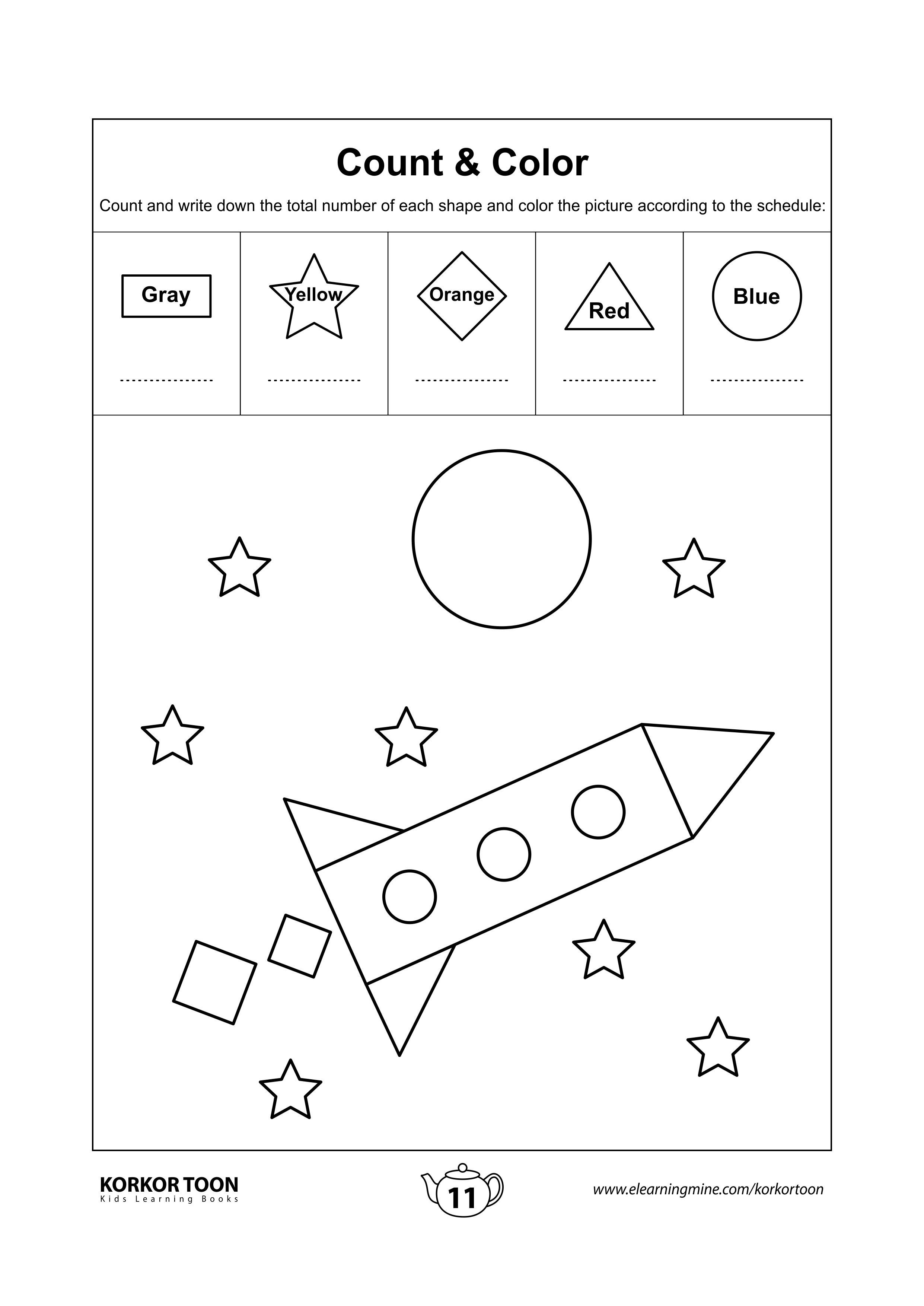
Paper Quality: For printable shapes worksheets, opt for thicker paper to prevent transparency and make writing easier.
Color and Design: Bright, lively colors are appealing to young learners. Look for resources with visually stimulating designs that capture their attention.
Tactile Elements: Some resources, like flashcards, may include tactile elements like raised surfaces or textured materials, adding a sensory aspect to learning.
Placement and Usage
The placement and usage of kindergarten shapes resources can impact their effectiveness.
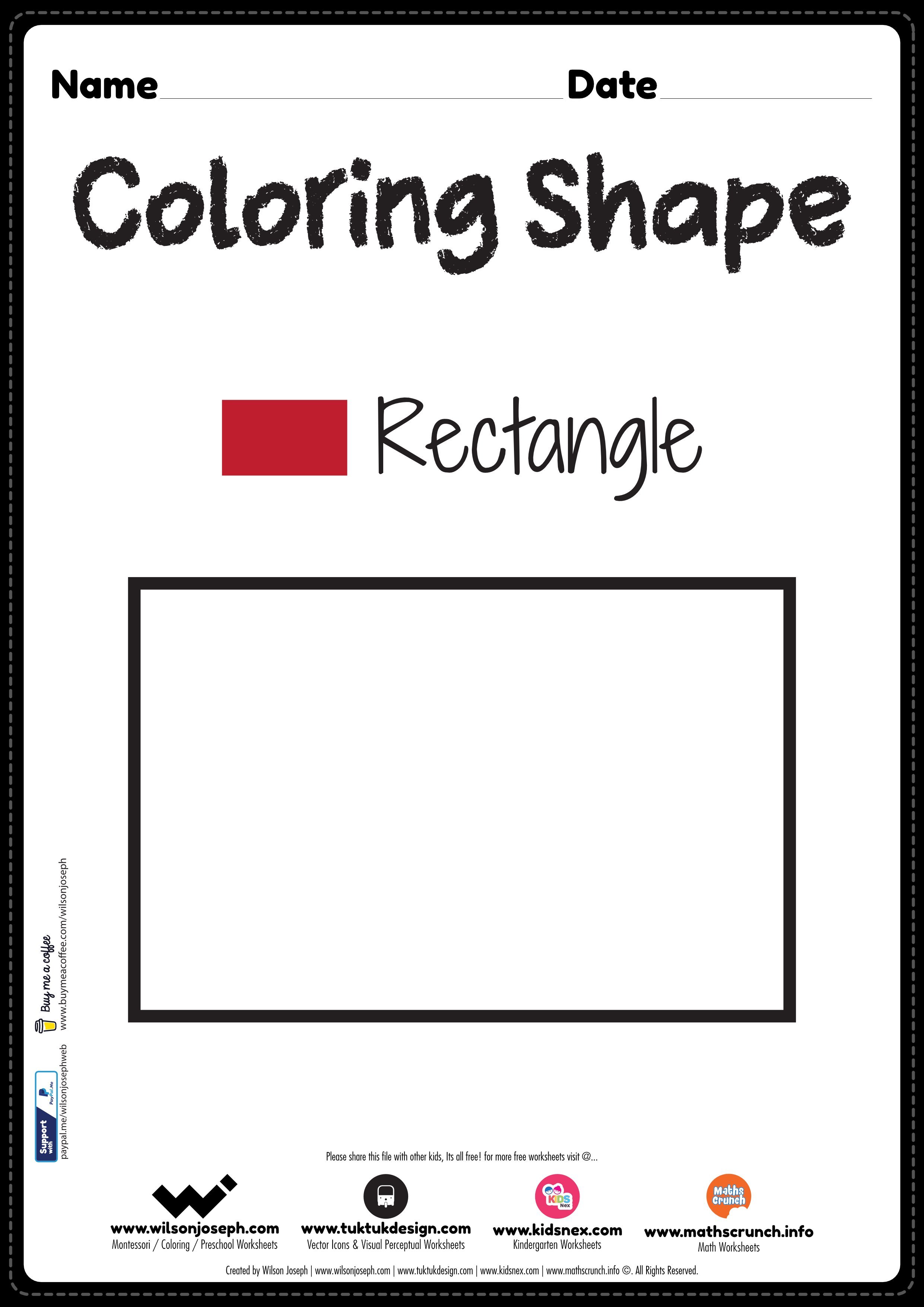
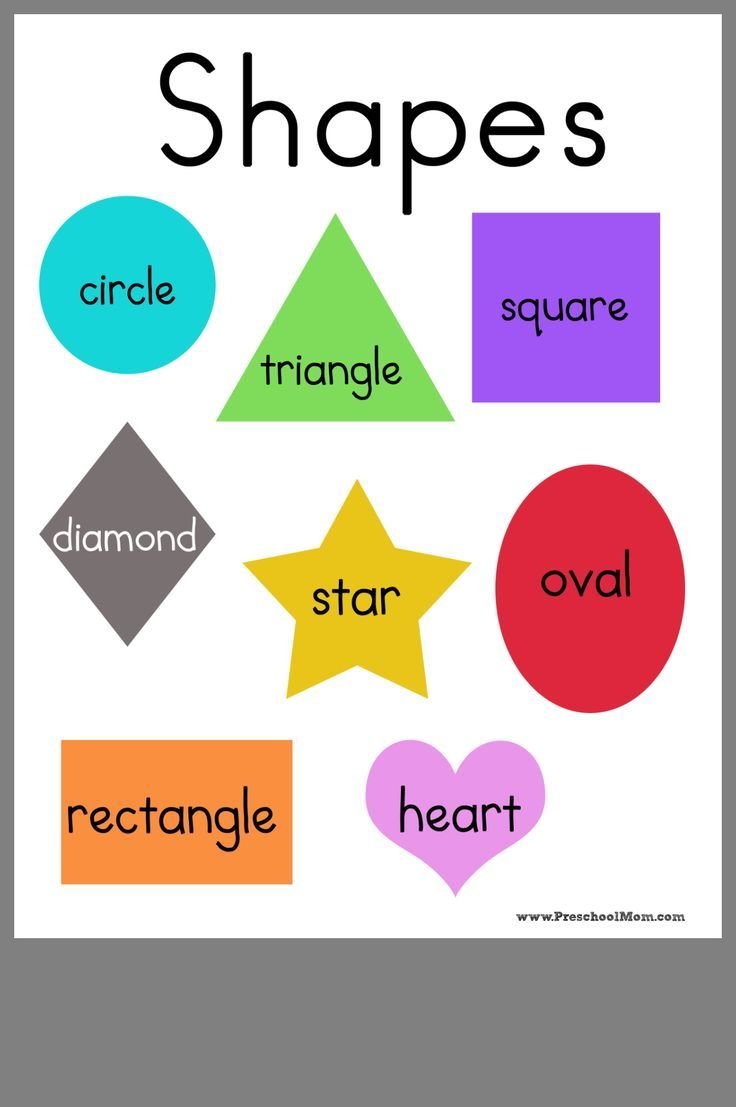
Classroom Display: Consider displaying kindergarten capig posters or charts in the classroom to create a visual reference for students.
Home Practice: Provide parents with printable shapes worksheets or flashcards to reinforce learning at home. This consistent practice can enhance shape recognition and understanding.
Outdoor Activities: Take learning outside with shape hunts or scavenger hunts, encouraging students to find and identify shapes in their environment.
What to Check Before Buying/Making
When selecting or creating resources for teaching kindergarten shapes, ensure they meet certain criteria:
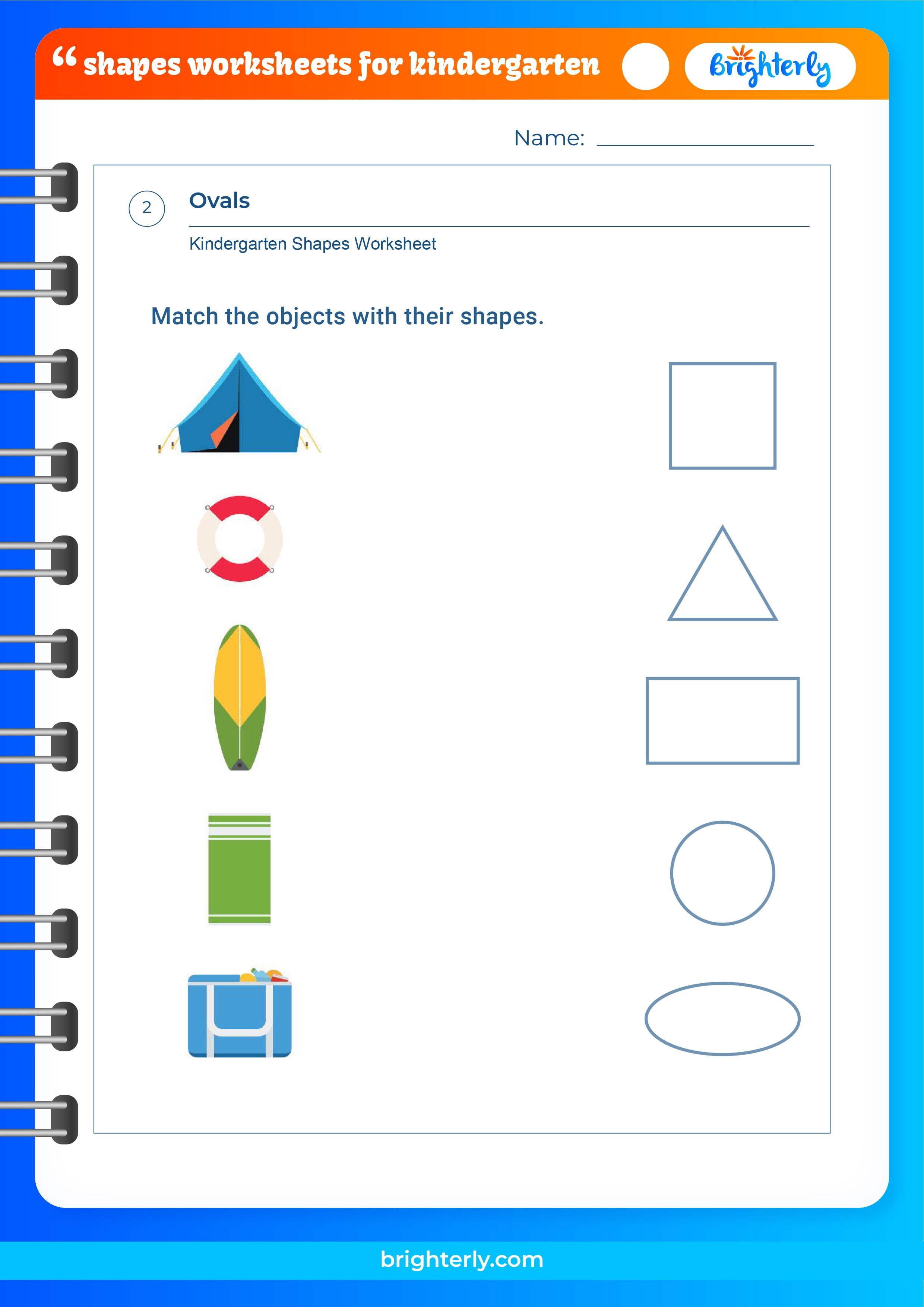
Age-Appropriate Complexity: The resources should be designed specifically for kindergarteners, offering an appropriate level of challenge without being overwhelming.
Clear and Simple Language: Instructions and prompts should be easy to understand, using simple language and clear visuals.
Variety of Shapes: Aim for resources that cover a range of basic shapes, including circles, squares, triangles, and rectangles, to provide a comprehensive learning experience.
Additional Resources
For further support in teaching kindergarten shapes, consider the following:
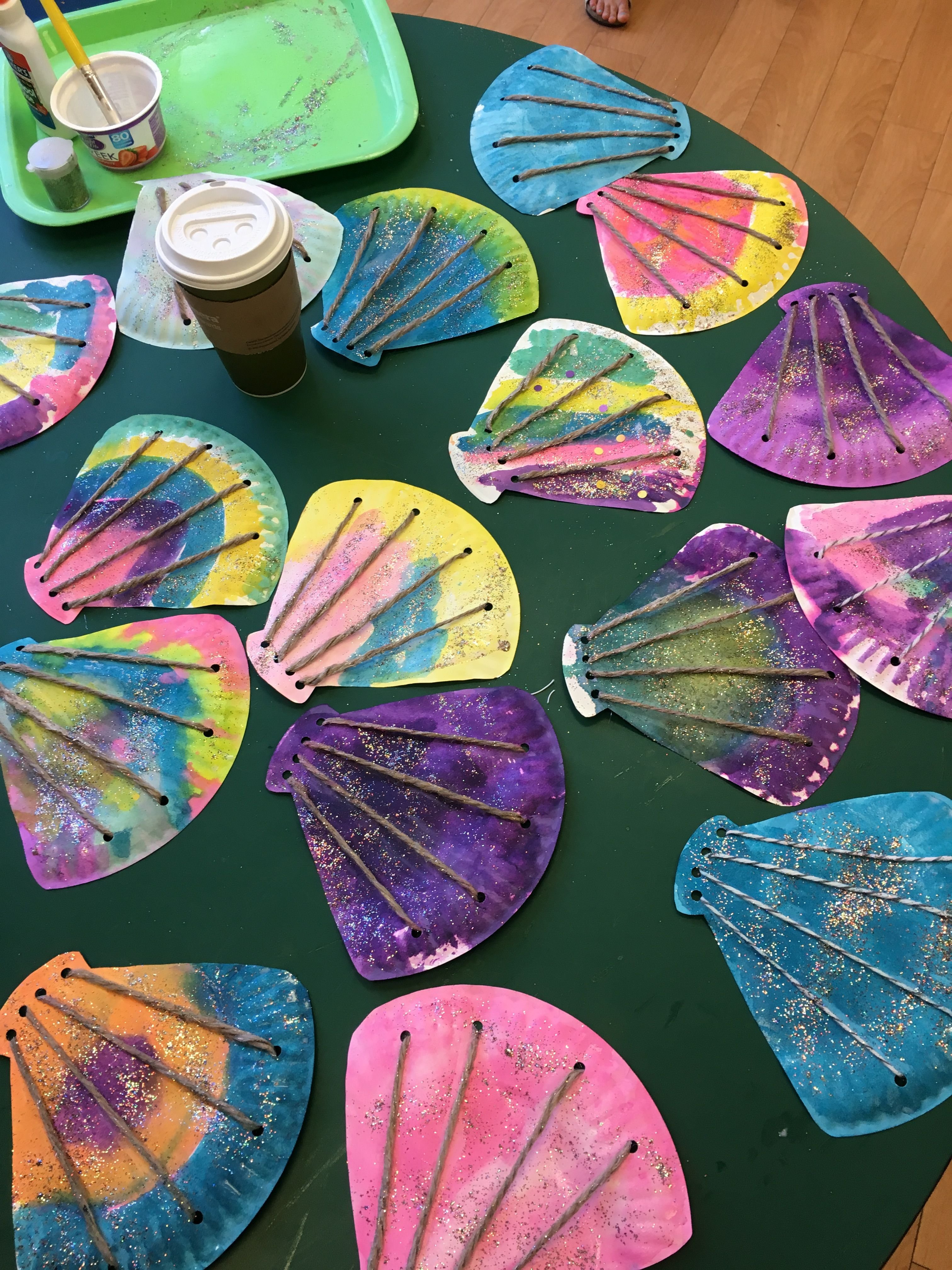
Art Activities for Kindergarten: Explore creative ways to incorporate shape recognition into art projects.
Writing Sheets for Kindergarten: Combine shape recognition with writing practice for a multi-skill approach.
Kindergarten Lesson Plans: Find comprehensive lesson plans that integrate shape learning with other subjects.