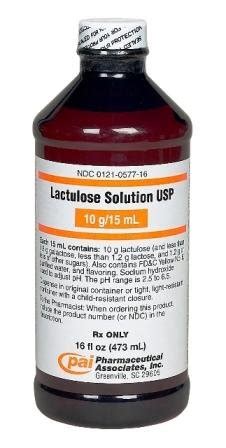
Lactulose is a synthetic sugar used in the treatment of constipation and hepatic encephalopathy, a condition characterized by brain dysfunction that occurs when the liver is unable to remove toxins from the blood effectively. The 10Gm/15Ml solution of lactulose is a concentrated formula designed to be taken orally, helping to regulate bowel movements and reduce the production of ammonia in the intestines, which is a key factor in the development of hepatic encephalopathy.
Mechanism of Action
Lactulose works through a dual mechanism. Firstly, it is not absorbed in the small intestine and reaches the colon, where it is fermented by the colonic bacteria into lactic acid, acetic acid, and other short-chain fatty acids. This process lowers the pH of the colon, which promotes the growth of beneficial bacteria (such as Lactobacilli and Bifidobacteria) that are tolerant of the acidic environment, while inhibiting the growth of ammonia-producing bacteria. Secondly, lactulose acts as an osmotic laxative. The short-chain fatty acids and the undigested lactulose itself increase the osmotic pressure in the colon, drawing in water and softening the stool, making it easier to pass. This effect helps to increase the frequency of bowel movements in patients suffering from constipation.
Uses
- Constipation: Lactulose is effective in treating constipation by promoting regular bowel movements. It is particularly useful in elderly patients or those with chronic constipation who require long-term treatment.
- Hepatic Encephalopathy: In patients with liver disease, lactulose helps reduce the levels of ammonia in the blood, which can accumulate due to the liver’s inability to detoxify properly. By lowering ammonia levels, lactulose helps in preventing or reducing the symptoms of hepatic encephalopathy, such as confusion, tremors, and altered mental status.
Administration and Dosage
The dosage of lactulose may vary based on the condition being treated and the patient’s response to the medication. For constipation, the typical starting dose for adults is 1 to 2 tablespoons (15 to 30 mL, containing 10 to 20 grams of lactulose) daily. For hepatic encephalopathy, the dose may be adjusted to produce 2 to 3 soft stools per day. Lactulose should be taken with water or other fluids to help prevent gagging or choking.
Side Effects
While generally well-tolerated, lactulose can cause several side effects, particularly when first started. Common side effects include:
- Flatulence (gas)
- Bloating
- Abdominal cramps
- Diarrhea
- Nausea or vomiting
These side effects often diminish as the body adjusts to the medication. However, if they persist or become severe, patients should consult their healthcare provider.
Precautions
Lactulose should be used with caution in patients with diabetes, as it contains sugars. It is not suitable for patients who require a low-galactose diet. In cases of intestinal obstruction, lactulose should not be used. Patients with known intolerance to lactulose or other ingredients in the formulation should avoid its use.
Interaction with Other Medications
Lactulose may interact with other medications, such as antacids, which can reduce its effectiveness. Patients should inform their healthcare provider about all medications they are taking before starting lactulose.
Conclusion
Lactulose 10Gm/15Ml solution is an effective treatment option for constipation and hepatic encephalopathy. By understanding its mechanism of action, uses, administration, potential side effects, and precautions, patients and healthcare providers can work together to optimize its benefits while minimizing its drawbacks.
What is the primary use of lactulose in medical treatment?
+Lactulose is primarily used to treat constipation and hepatic encephalopathy. It helps regulate bowel movements and reduces the production of ammonia in the intestines, which is beneficial for patients with liver disease.
How does lactulose work in the body?
+Lactulose works by being fermented by colonic bacteria into short-chain fatty acids, which lower the pH of the colon and promote the growth of beneficial bacteria. It also acts as an osmotic laxative, drawing water into the colon and softening the stool.
What are common side effects of lactulose?
+Common side effects of lactulose include flatulence, bloating, abdominal cramps, diarrhea, nausea, and vomiting. These side effects are usually temporary and diminish as the body adjusts to the medication.