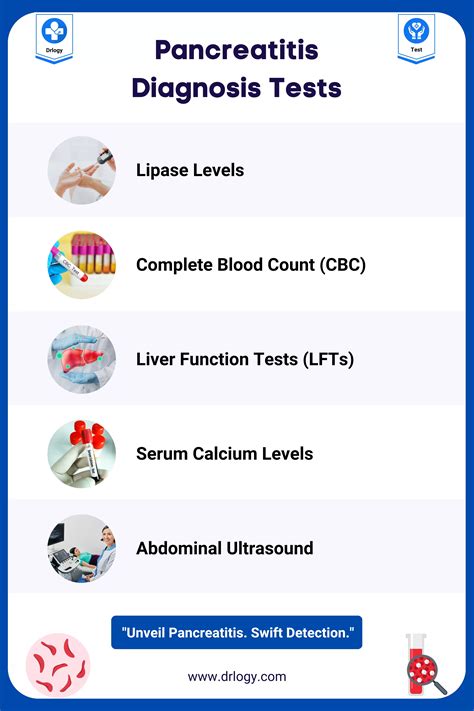
Pancreatitis, an inflammation of the pancreas, can be a painful and potentially life-threatening condition if not diagnosed and treated promptly. One crucial diagnostic tool for pancreatitis is the lipase blood test. This test measures the level of lipase, an enzyme produced by the pancreas, in the blood. Elevated lipase levels can indicate pancreatic inflammation or damage, making the lipase blood test a vital component in the diagnosis of pancreatitis.
Understanding Lipase and Its Role
Lipase is an enzyme that plays a key role in the digestion of fats. It is produced by the pancreas and released into the small intestine, where it breaks down fats into fatty acids and glycerol, which can then be absorbed and utilized by the body. Under normal conditions, lipase levels in the blood are low because most of the enzyme is secreted directly into the intestinal tract. However, when the pancreas is inflamed or damaged, as in pancreatitis, lipase can leak into the bloodstream, leading to elevated levels.
When Is the Lipase Blood Test Ordered?
The lipase blood test is typically ordered when a patient presents with symptoms suggestive of pancreatitis, such as severe abdominal pain, nausea, vomiting, and fever. The test can help distinguish pancreatitis from other causes of abdominal pain and is often used in conjunction with other diagnostic tests, including a complete blood count (CBC), blood urea nitrogen (BUN) and creatinine tests to assess kidney function, and imaging studies like computed tomography (CT) scans or ultrasound.
Interpreting Lipase Blood Test Results
Interpretation of the lipase blood test results requires consideration of the clinical context. Generally, a lipase level that is more than three times the upper limit of the normal range is suggestive of pancreatitis. However, it is essential to note that mildly elevated lipase levels can be seen in other conditions as well, such as renal failure, salivary gland pathology, or even certain medications. Conversely, some patients with pancreatitis, particularly those with chronic disease, may have normal or only slightly elevated lipase levels.
Differentiating Between Acute and Chronic Pancreatitis
The lipase blood test can help differentiate between acute and chronic pancreatitis, although clinical history and other diagnostic tests are also crucial. Acute pancreatitis is characterized by a sudden onset of pancreatic inflammation and is often associated with significantly elevated lipase levels. Chronic pancreatitis, on the other hand, involves long-standing inflammation of the pancreas, which can lead to pancreatic fibrosis and impairment of pancreatic function. In chronic cases, lipase levels might not always be elevated, especially if there is significant pancreatic damage.
Limitations and Potential False Negatives
While the lipase blood test is a valuable diagnostic tool, it is not without limitations. Early in the course of acute pancreatitis, lipase levels might not yet be elevated. Additionally, in some cases of chronic pancreatitis or after several days of acute pancreatitis, lipase levels may return to normal, even if the pancreatic inflammation persists. Therefore, a normal lipase level does not rule out pancreatitis, and clinical suspicion should guide further testing and management.
Importance of Comprehensive Diagnostic Approach
Given the potential for false negatives and the need for accurate diagnosis, a comprehensive approach to diagnosing pancreatitis is essential. This includes:
- Clinical Evaluation: A thorough medical history and physical examination to assess for symptoms and signs suggestive of pancreatitis.
- Imaging Studies: CT scans or ultrasound to visualize the pancreas and detect any inflammation or structural abnormalities.
- Laboratory Tests: In addition to the lipase blood test, other blood tests can help assess the severity of pancreatitis and its impact on other organ systems.
<div class="faq-container">
    <div class="faq-item">
        <div class="faq-question">
            <h3>What are the common symptoms of pancreatitis that would prompt a lipase blood test?</h3>
            <span class="faq-toggle">+</span>
        </div>
        <div class="faq-answer">
            <p>Common symptoms include severe abdominal pain that may radiate to the back, nausea, vomiting, and fever. These symptoms suggest pancreatic inflammation and warrant further investigation with a lipase blood test.</p>
        </div>
    </div>
    <div class="faq-item">
        <div class="faq-question">
            <h3>How is the diagnosis of pancreatitis confirmed if the lipase level is only mildly elevated?</h3>
            <span class="faq-toggle">+</span>
        </div>
        <div class="faq-answer">
            <p>In cases of mildly elevated lipase levels, the diagnosis is often confirmed through a combination of clinical assessment, imaging studies like CT scans, and other laboratory tests. The patient's overall clinical picture is crucial in making an accurate diagnosis.</p>
        </div>
    </div>
    <div class="faq-item">
        <div class="faq-question">
            <h3>What is the difference between acute and chronic pancreatitis, and how does the lipase blood test differentiate between them?</h3>
            <span class="faq-toggle">+</span>
        </div>
        <div class="faq-answer">
            <p>Acute pancreatitis involves sudden inflammation of the pancreas and is often associated with significantly elevated lipase levels. Chronic pancreatitis is a long-standing condition with persistent inflammation, which may not always present with elevated lipase levels due to potential pancreatic damage. The clinical history, severity of symptoms, and sometimes the pattern of lipase elevation can help differentiate between the two forms.</p>
        </div>
    </div>
</div>
Steps for Managing Pancreatitis
Management of pancreatitis involves:
- Supportive Care: Hospitalization for hydration, pain management, and nutritional support.
- Medications: To manage pain and reduce inflammation.
- Nutritional Support: Ensuring the patient receives adequate nutrition, either through oral intake or nutritional supplements.
- Monitoring: Close monitoring of pancreatic function and watching for complications.
Conclusion
The lipase blood test is a critical diagnostic tool in the evaluation of suspected pancreatitis. While it is essential for detecting elevated lipase levels indicative of pancreatic inflammation, it should be interpreted within the context of the patient’s clinical presentation and in conjunction with other diagnostic tests. Accurate diagnosis and prompt treatment are crucial for managing pancreatitis effectively and preventing its potential complications.