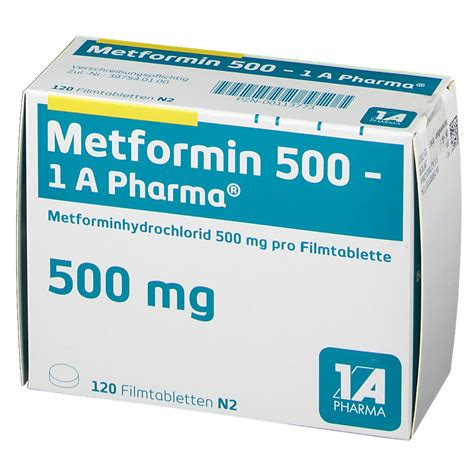
The quest for weight loss has led many down various paths, from strict diets to rigorous exercise regimens, and for some, the consideration of medical interventions. Losing weight with medicine involves a complex interplay of factors including health status, lifestyle, and the specific medication or treatment chosen. It’s crucial to approach this topic with a comprehensive understanding, acknowledging both the potential benefits and the risks involved.
Understanding Weight Loss Medications
Weight loss medications are designed to help individuals lose weight by either reducing appetite, increasing feelings of fullness, or affecting the body’s ability to absorb fat. These medications are typically prescribed to people who have a body mass index (BMI) of 30 or higher, or a BMI of 27 or higher with at least one weight-related condition, such as high blood pressure, type 2 diabetes, or high cholesterol.
Types of Weight Loss Medications
- Orlistat (Alli, Xenical): Works by reducing the absorption of fat from the human diet, thereby reducing caloric intake. Common side effects include oily stools, gas, and diarrhea.
- Phentermine-topiramate (Qsymia): A combination medication that helps reduce hunger and make people feel full. Potential side effects include tingling in hands and feet, changes in taste, and insomnia.
- Liraglutide (Saxenda): Originally developed to manage diabetes, it works by mimicking a hormone that helps regulate appetite. Common side effects include nausea, vomiting, and diarrhea.
- Semaglutide (Wegovy): Similar to liraglutide, it’s also used for type 2 diabetes management and aids in weight loss by affecting appetite. Side effects may include nausea, diarrhea, and vomiting.
- Naltrexone-bupropion (Contrave): Works on areas of the brain that control hunger and cravings. Side effects can include nausea, headaches, and insomnia.
The Role of Prescription Medications in Weight Loss
Prescription medications for weight loss should be seen as part of a broader treatment plan that includes diet, exercise, and lifestyle changes. These medications are not a quick fix but rather a tool to aid in the weight loss journey. The decision to use weight loss medications should be made under the guidance of a healthcare provider, considering the individual’s health history, the potential benefits, and the risks of the medication.
Lifestyle Changes: The Foundation of Sustainable Weight Loss
While medications can be a helpful addition to a weight loss plan, they are most effective when combined with healthy lifestyle habits. This includes:
- Diet: Focusing on a balanced diet rich in fruits, vegetables, whole grains, lean proteins, and healthy fats. Avoiding processed foods, sugary drinks, and excessive alcohol consumption is also crucial.
- Exercise: Engaging in regular physical activity, such as walking, running, swimming, or other exercises that one enjoys, aiming for at least 150 minutes of moderate-intensity aerobic activity or 75 minutes of vigorous-intensity aerobic activity a week, or a combination of both.
- Behavioral Changes: Addressing eating habits, stress management, and sleep patterns. Keeping a food diary, practicing mindful eating, and ensuring adequate sleep can be beneficial.
Potential Risks and Considerations
While weight loss medications can be effective, they come with potential risks and side effects. It’s essential to discuss these with a healthcare provider before starting any medication. Some of the common concerns include:
- Side Effects: As mentioned, each medication has its own set of potential side effects, some of which can be severe.
- Cost: Weight loss medications can be expensive, and not all are covered by insurance.
- Dependence and Withdrawal: Some medications may lead to dependence, and stopping them abruptly can cause withdrawal symptoms.
- Effectiveness: Weight loss medications may not work for everyone, and the amount of weight lost can vary widely among individuals.
The Future of Weight Loss Medications
Research into weight loss medications is ongoing, with scientists looking into new targets for weight management, including gut hormones and the brain’s reward system. The development of more effective and safer medications is a promising area of study, offering hope for those seeking medical assistance with their weight loss journey.
Conclusion
Losing weight with medicine can be a viable option for some, offering a valuable tool in the pursuit of a healthier weight. However, it’s critical to approach this path with a clear understanding of the medications, their potential benefits and risks, and the importance of combining medication with comprehensive lifestyle changes. Always consult with a healthcare provider to determine the best course of action for individual weight loss goals.
Frequently Asked Questions
What are the most effective weight loss medications available by prescription?
+The effectiveness of weight loss medications can vary from person to person. Among the commonly prescribed medications, orlistat, phentermine-topiramate, liraglutide, semaglutide, and naltrexone-bupropion have shown significant weight loss results in clinical trials. However, the best medication for an individual should be determined by a healthcare provider, considering factors like health status, potential side effects, and cost.
Can I use over-the-counter (OTC) weight loss medications?
+While OTC weight loss medications are available, their safety and effectiveness are not as rigorously tested as prescription medications. Some may be beneficial for short-term weight loss, but they can also have side effects and interact with other medications. It’s advisable to consult with a healthcare provider before starting any weight loss regimen, including the use of OTC medications.
How do I maintain weight loss after stopping weight loss medications?
+Maintaining weight loss after stopping medications requires a long-term commitment to the lifestyle changes started during the weight loss journey, including a healthy diet and regular physical activity. Setting realistic goals, monitoring progress, and possibly continuing to work with a healthcare provider or a dietitian can help in sustaining weight loss over time.
Are weight loss medications suitable for everyone?
+No, weight loss medications are not suitable for everyone. They are typically recommended for individuals with a BMI of 30 or higher, or those with a BMI of 27 or higher who also have at least one weight-related health condition. Pregnant women, individuals with certain medical conditions, and those taking certain medications may not be candidates for weight loss medications. A thorough evaluation by a healthcare provider is necessary to determine suitability.
How long does it take to see results from weight loss medications?
+The time it takes to see results from weight loss medications can vary depending on the medication, individual factors, and adherence to diet and exercise recommendations. Some people may start noticing weight loss within the first few weeks, while for others, it may take a few months. Regular follow-ups with a healthcare provider can help in assessing progress and making necessary adjustments to the treatment plan.