
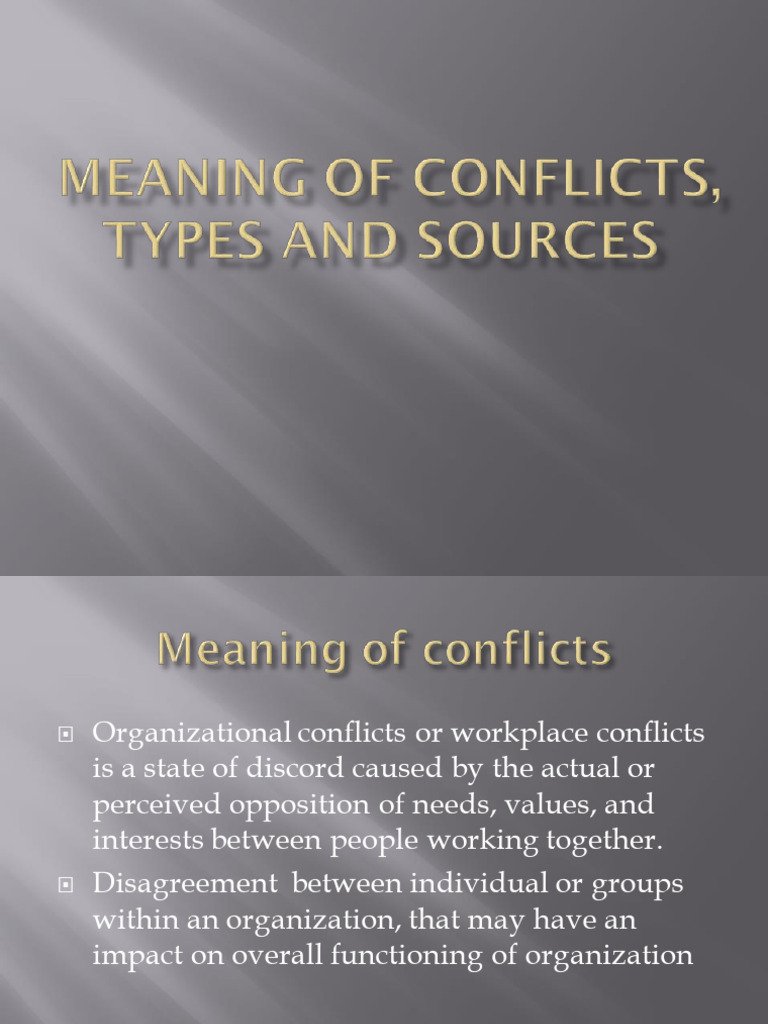
The Definition and Purpose of Conflict
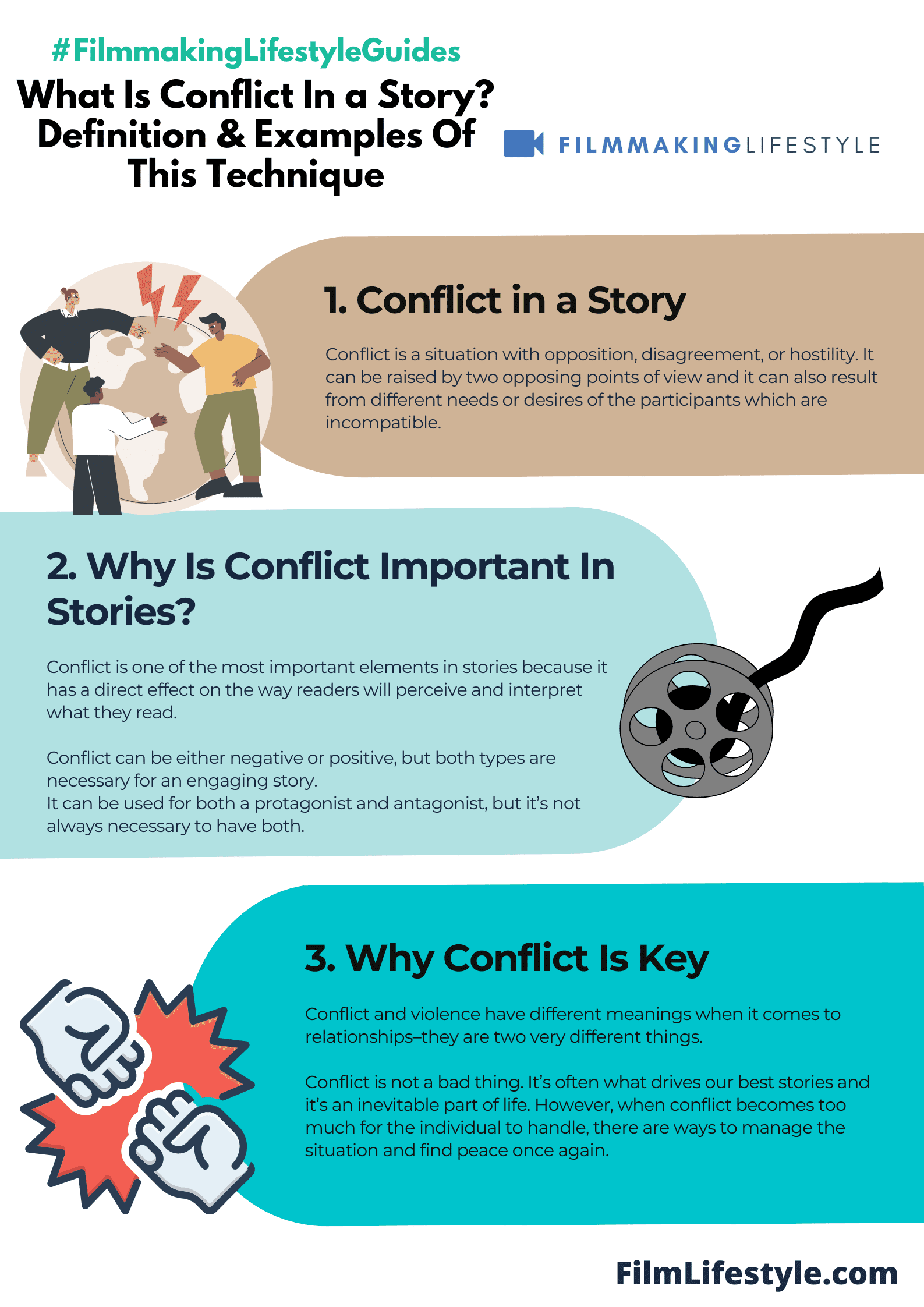
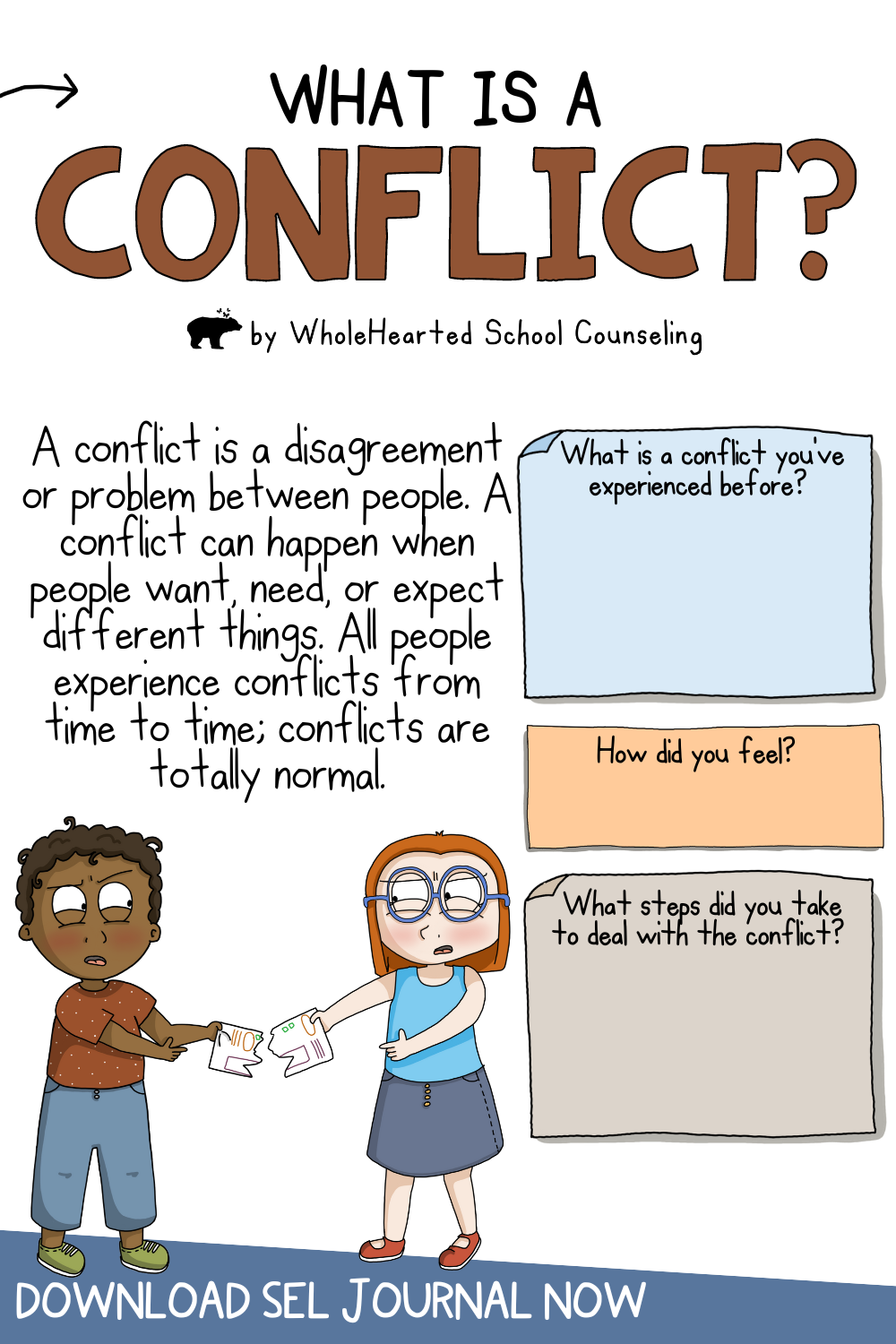
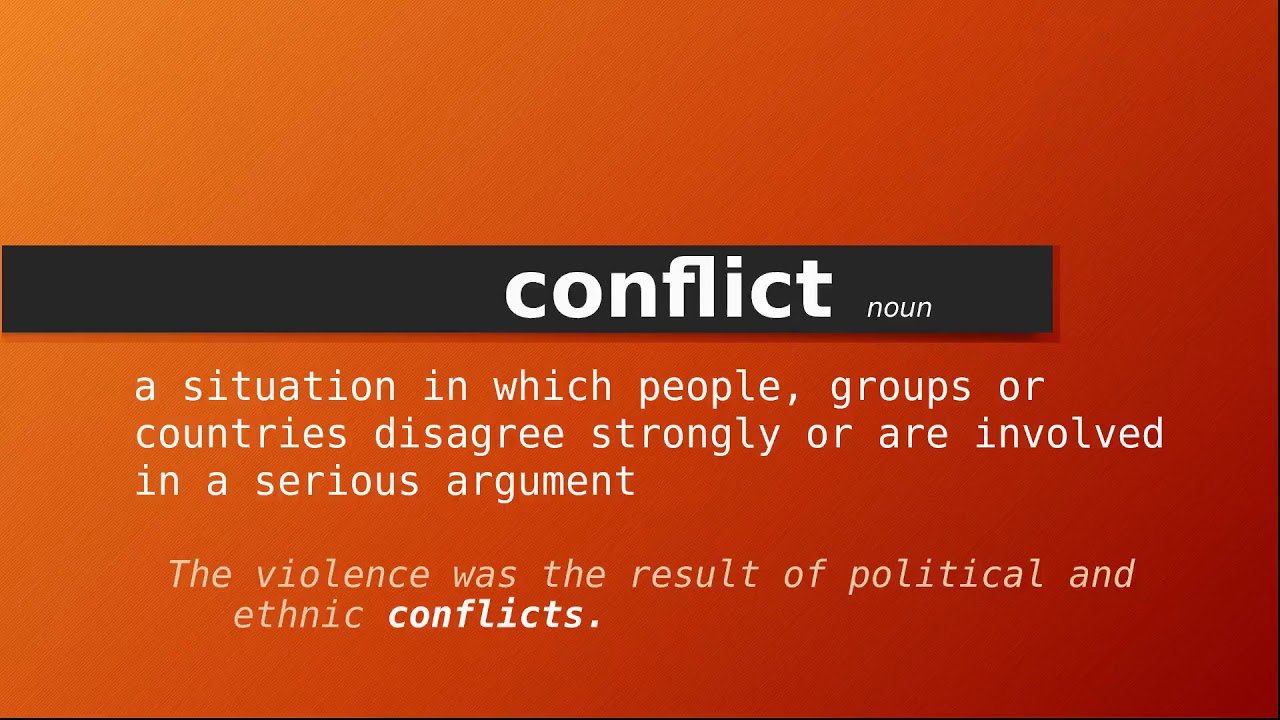
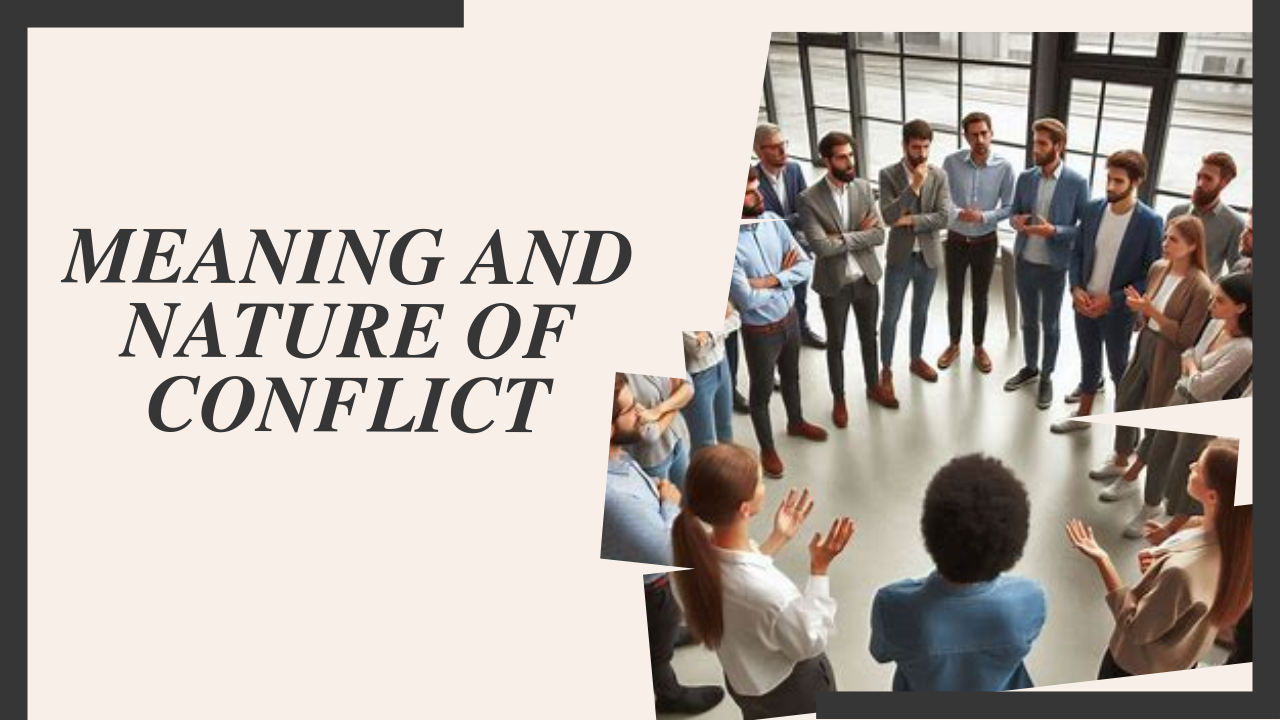
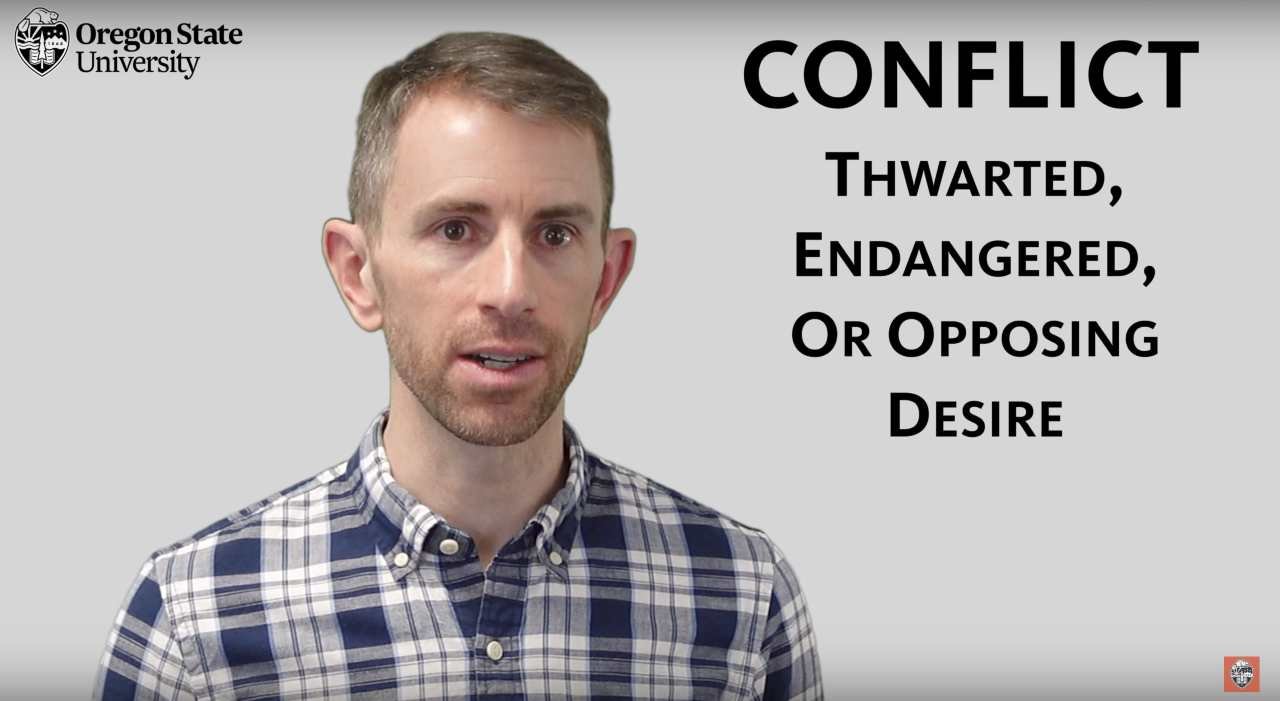
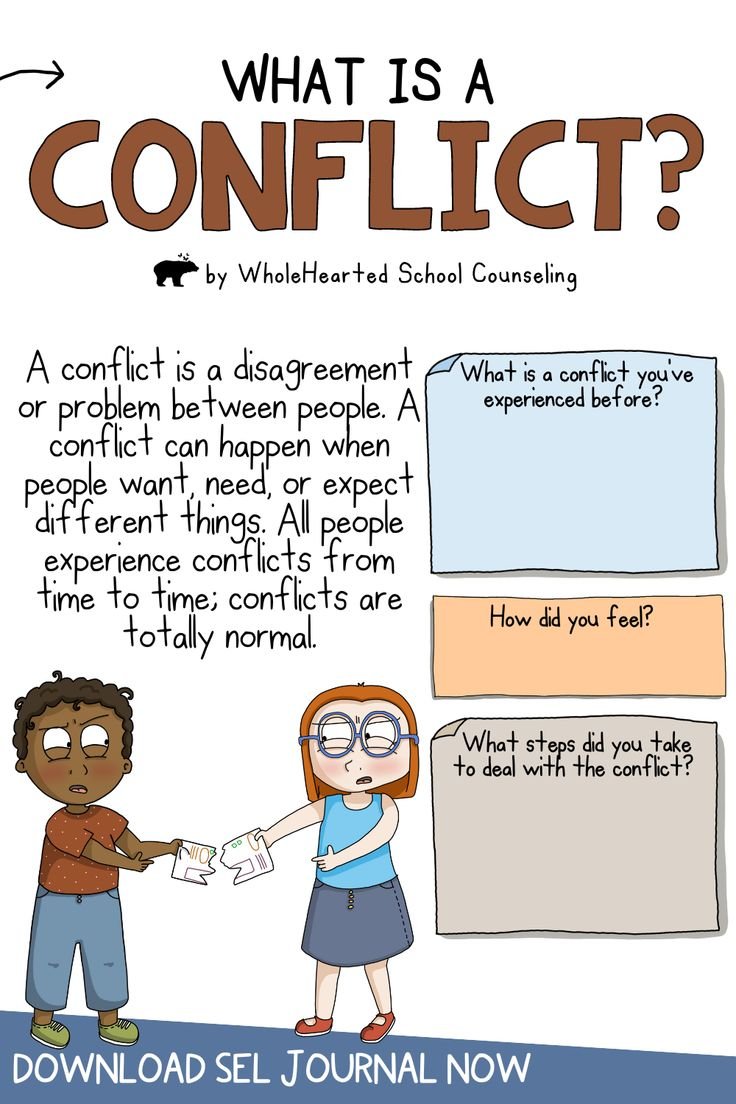
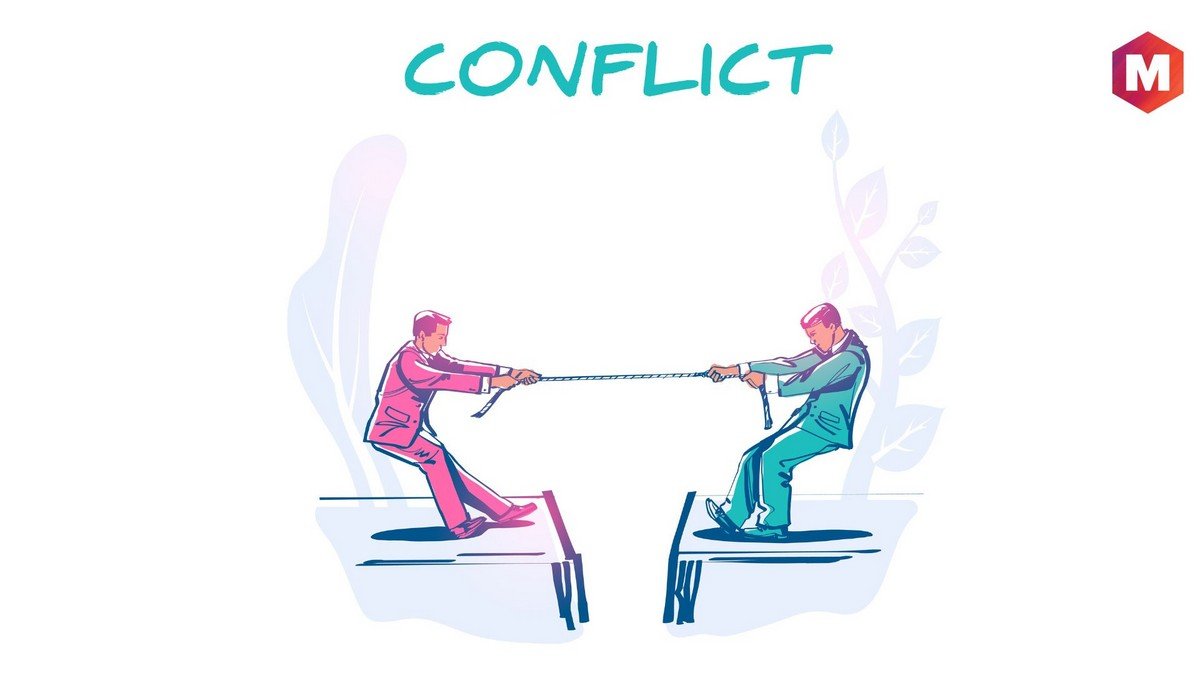
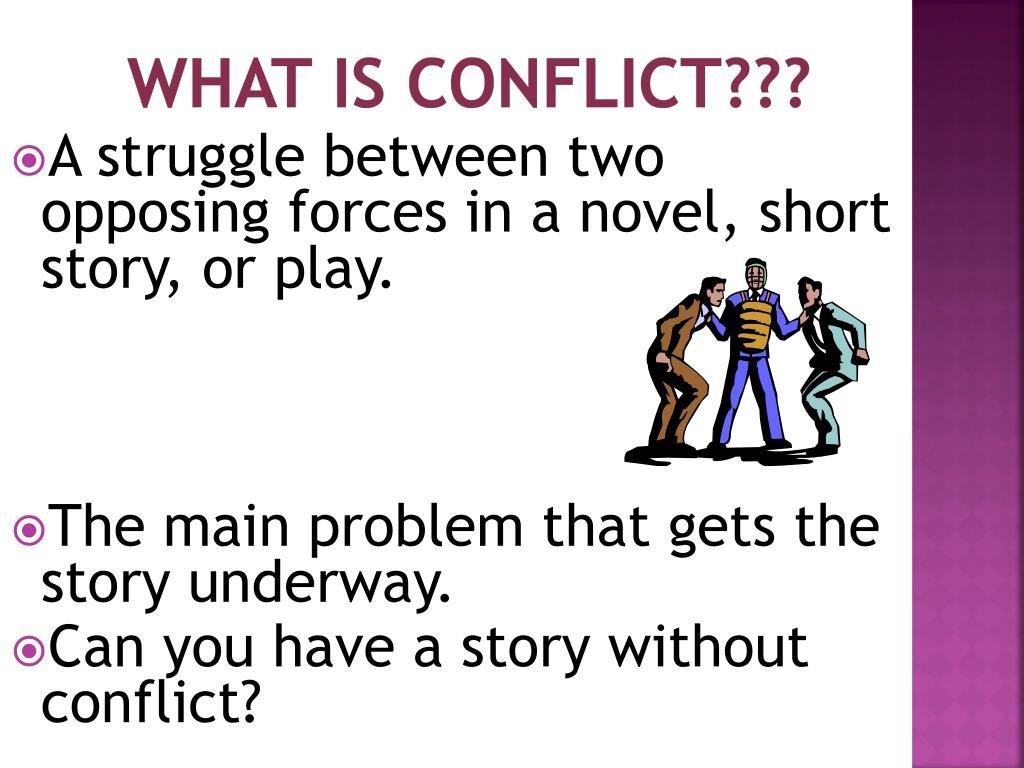
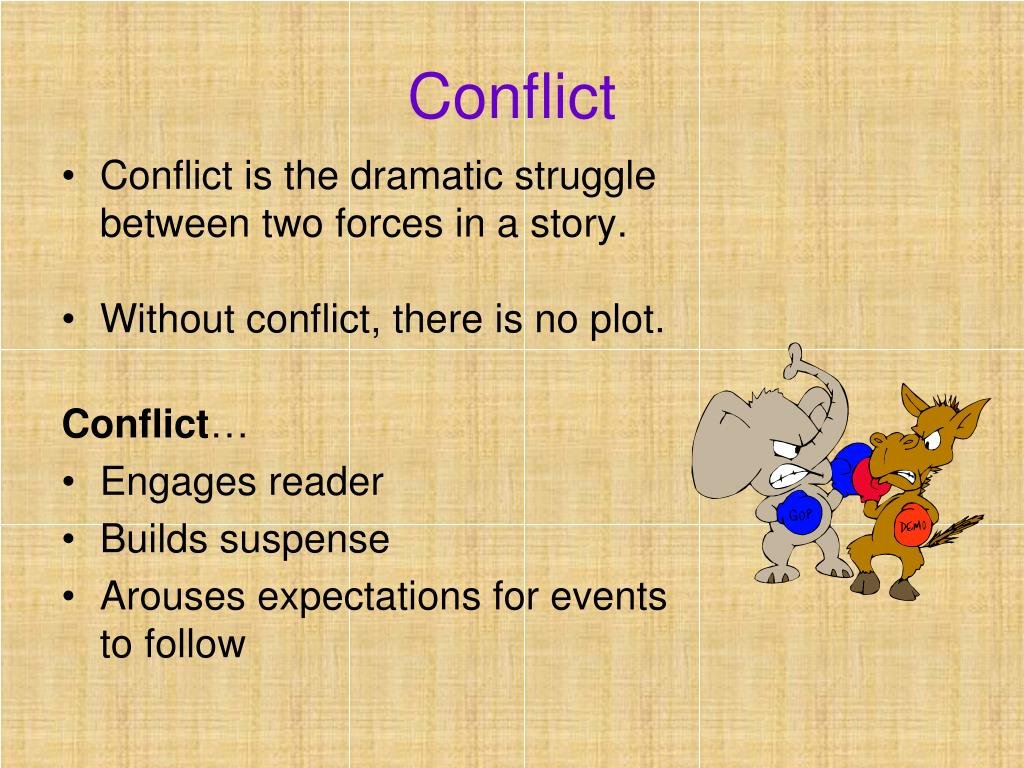
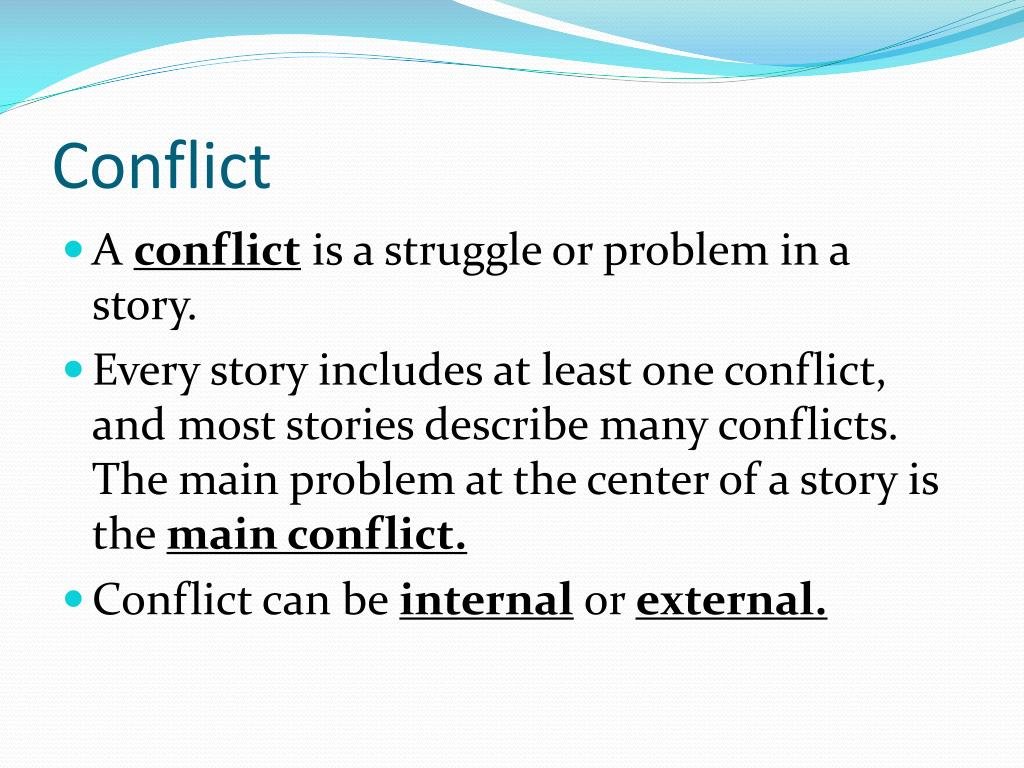
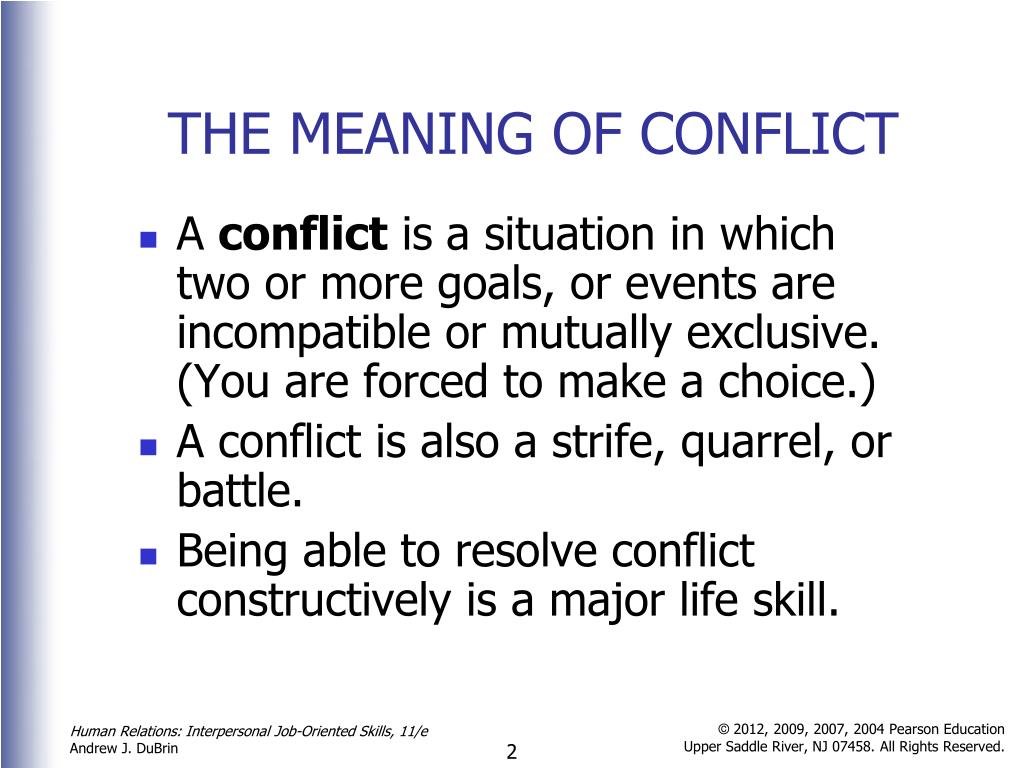
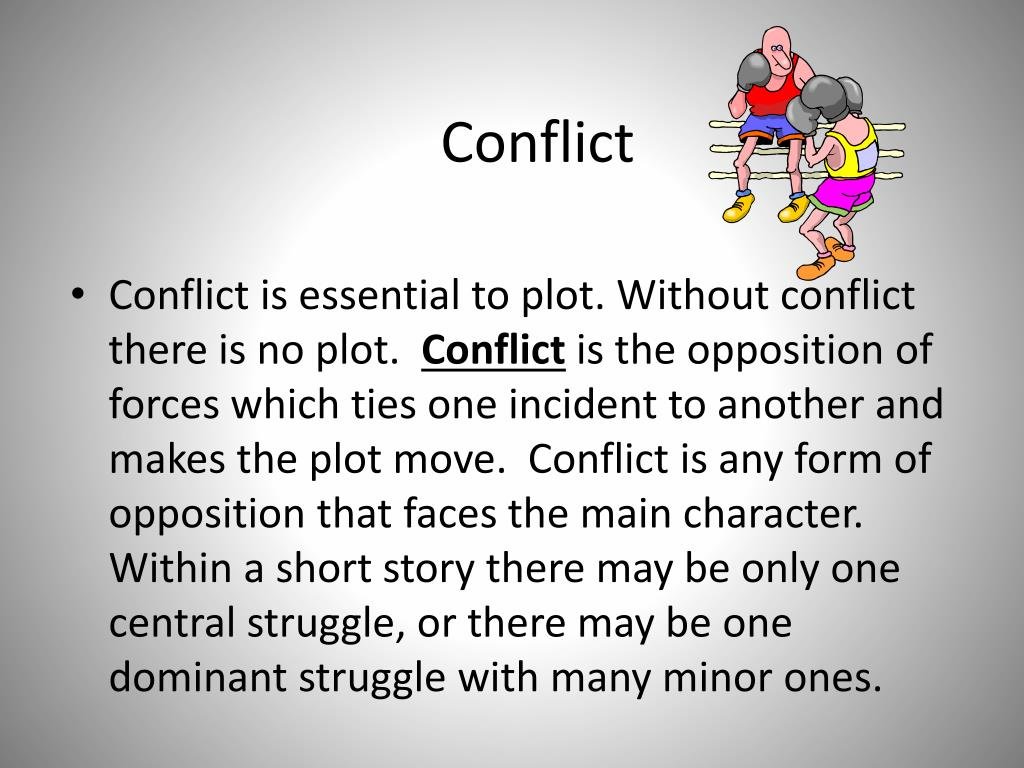
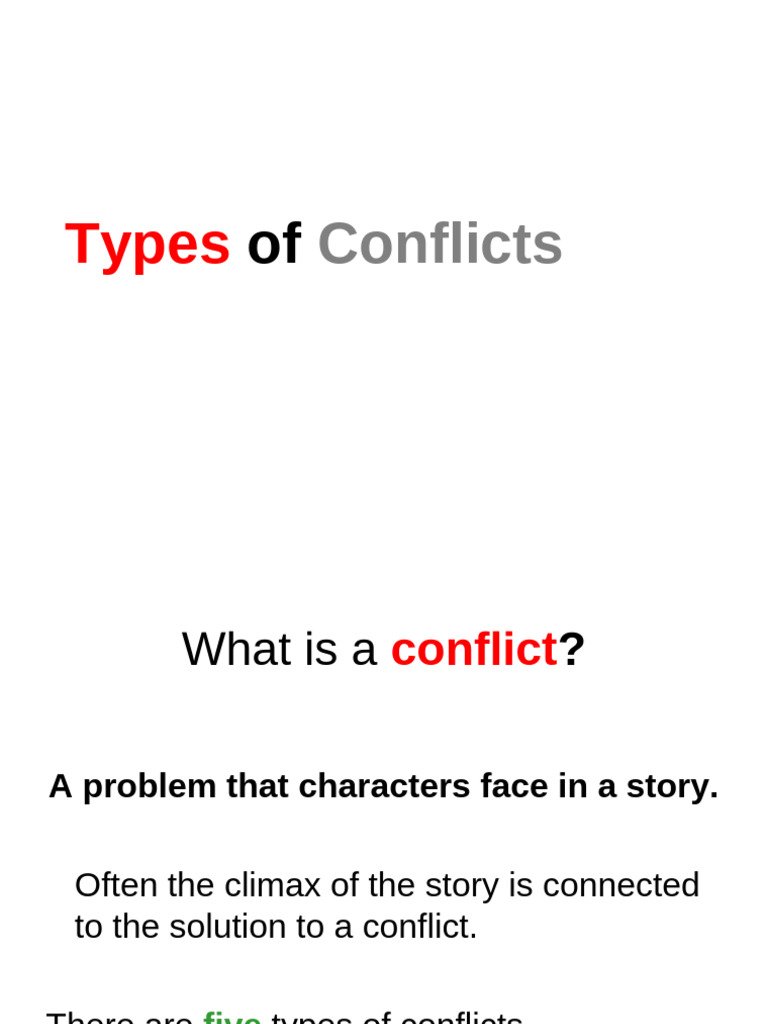
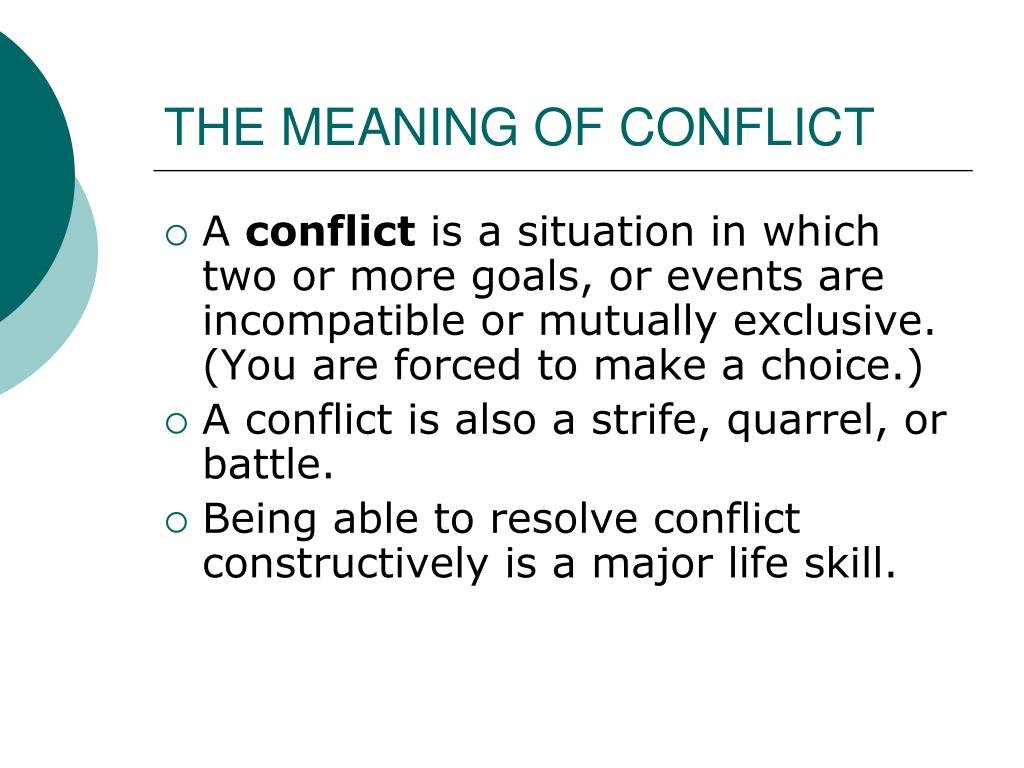
Conflict is a fundamental element of storytelling, serving as the catalyst for dramatic action and character development. What is conflict in a story? It is the struggle or opposition that creates challenges, introduces uncertainty, and delays the achievement of goals, thus keeping the audience invested.
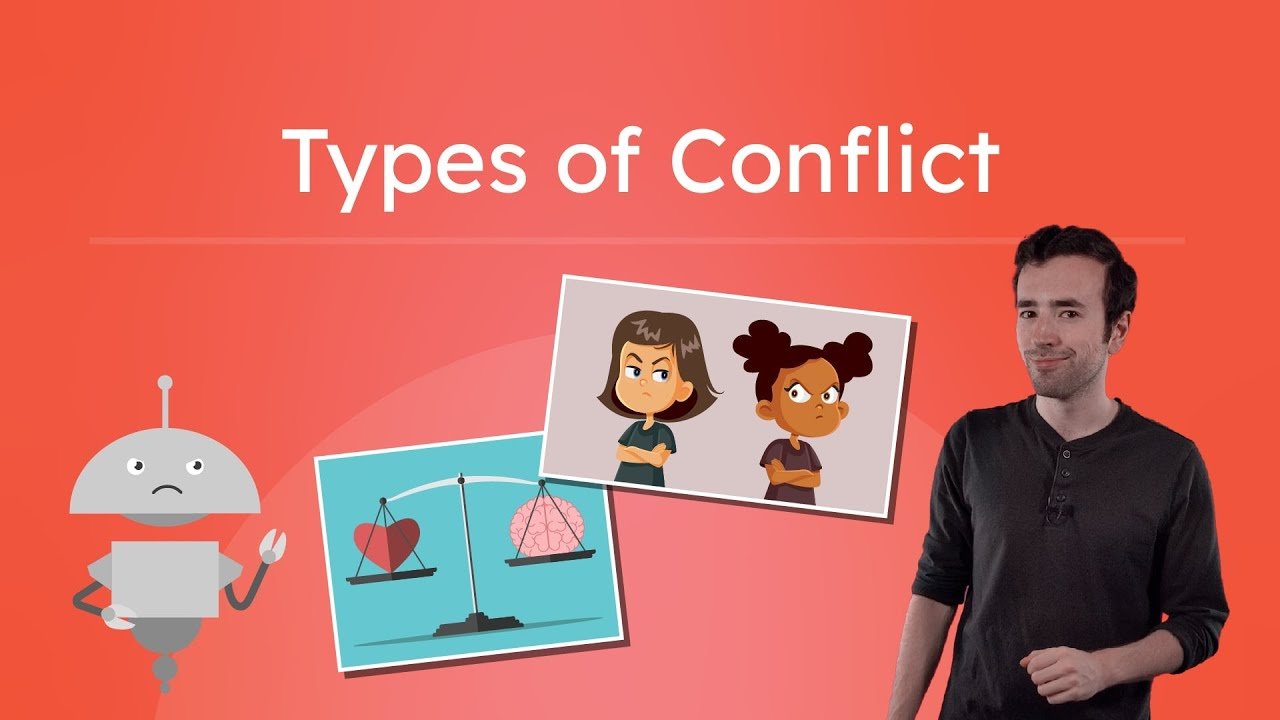
Types of Conflict
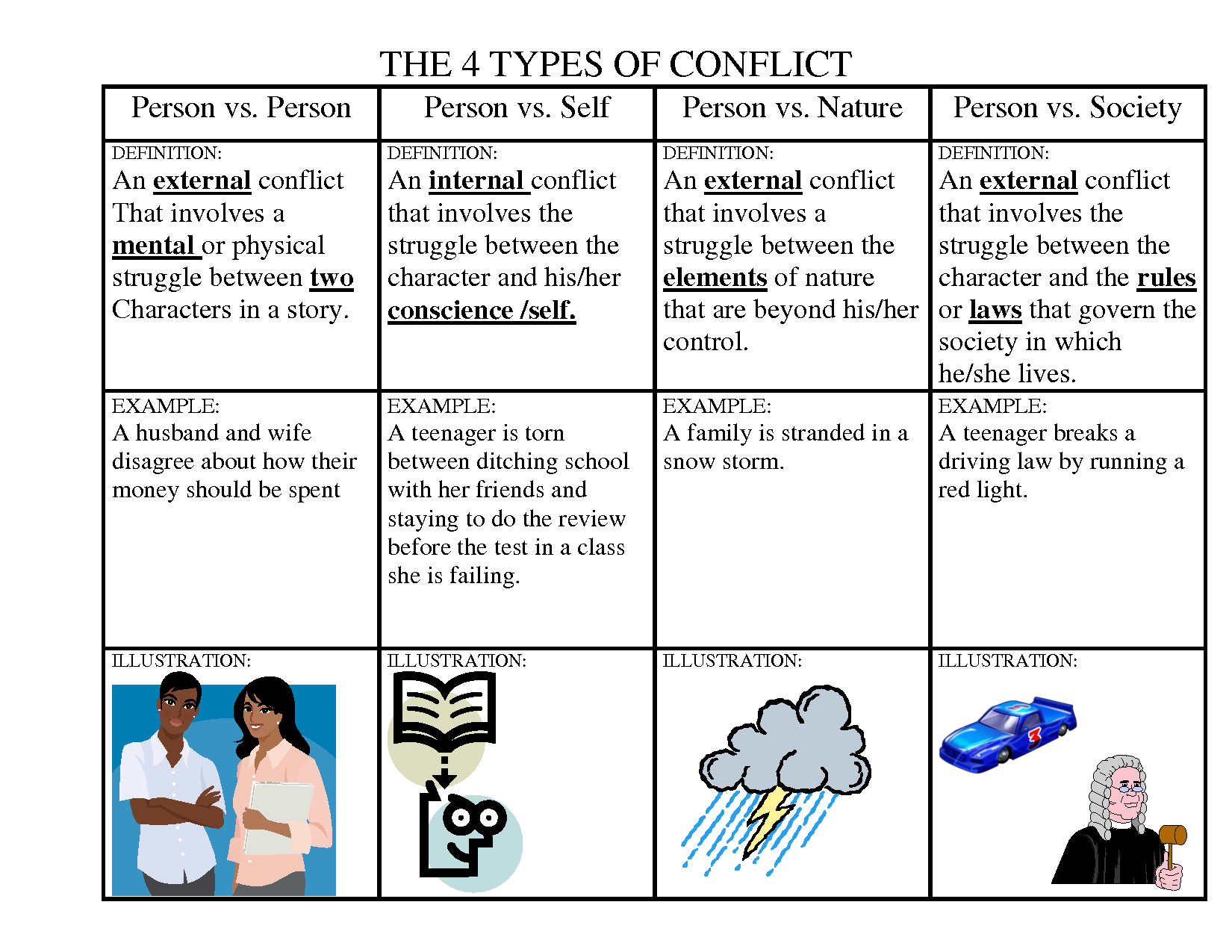
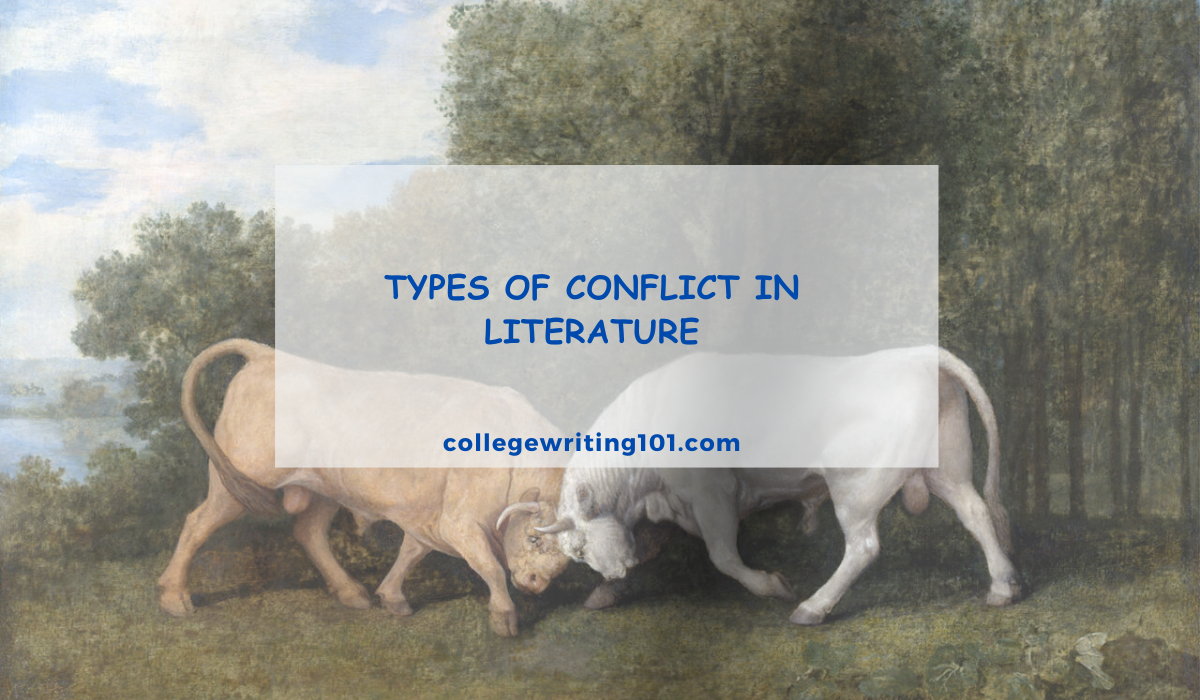
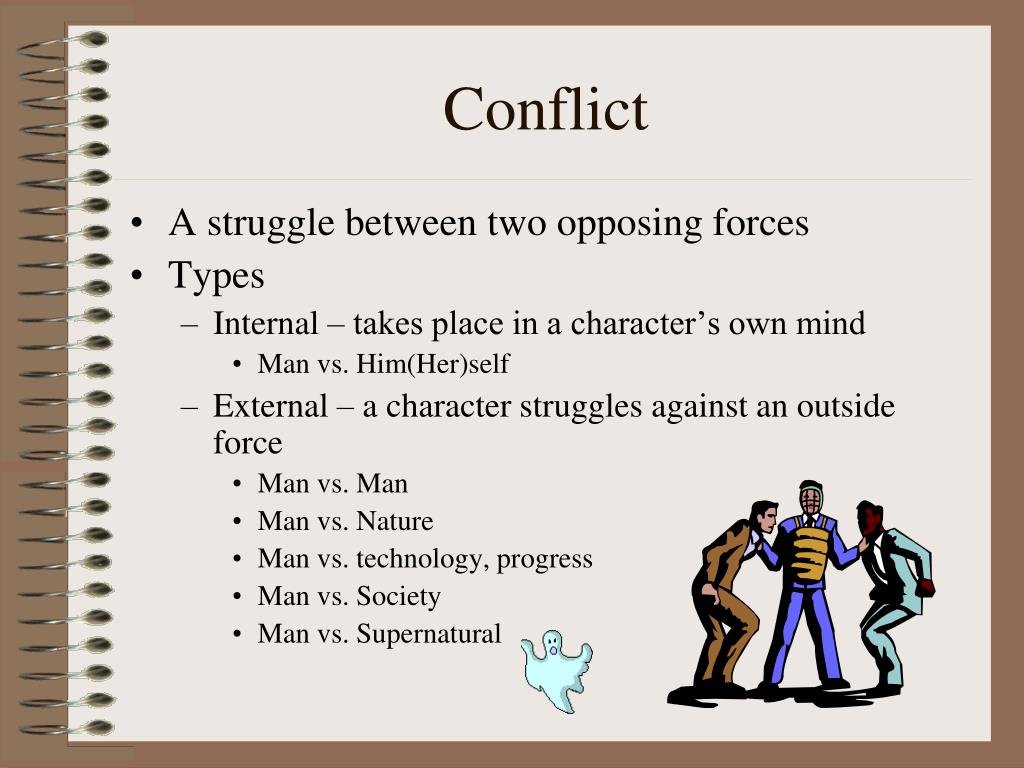
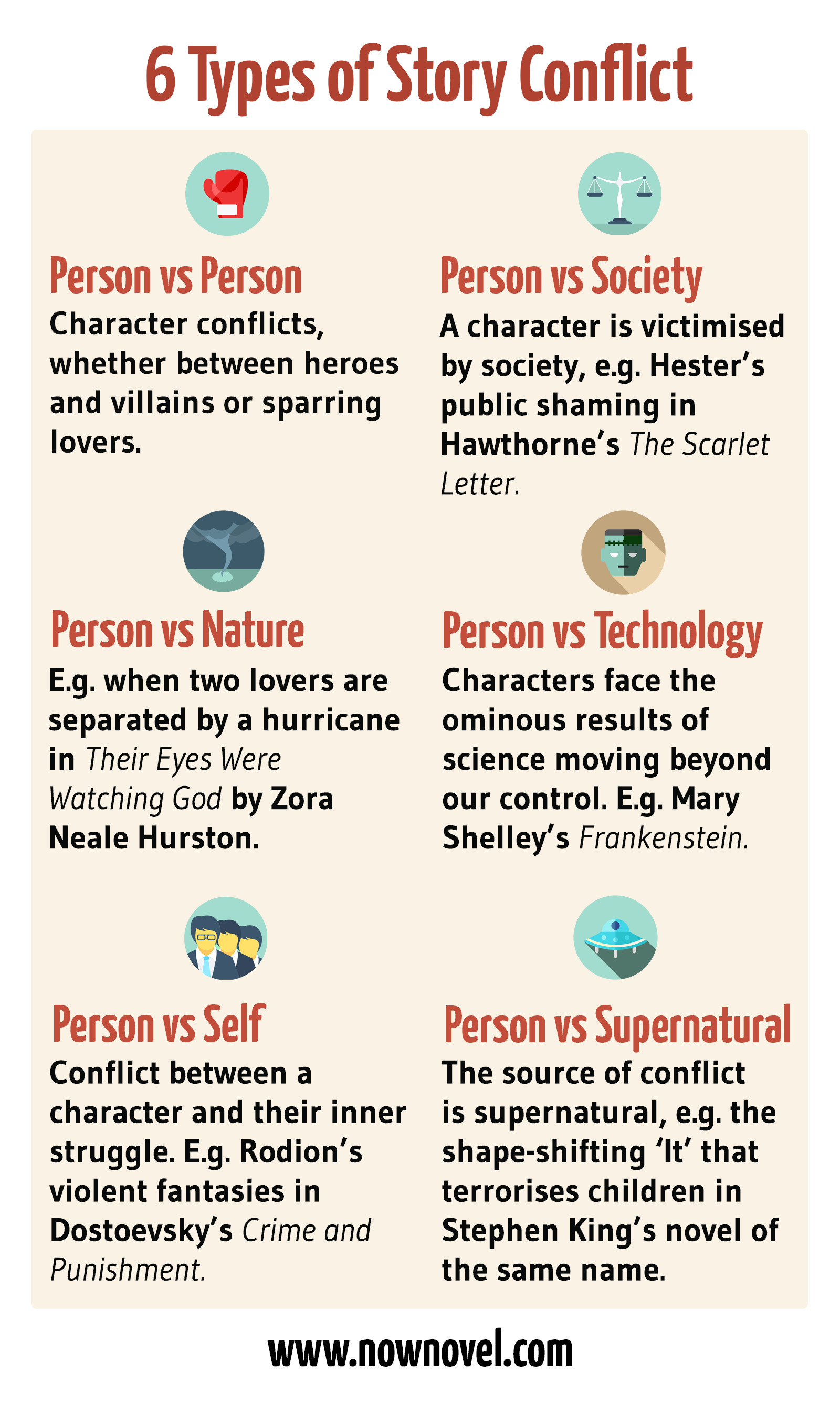
There are several types of conflict, each serving a unique purpose in narrative structure:
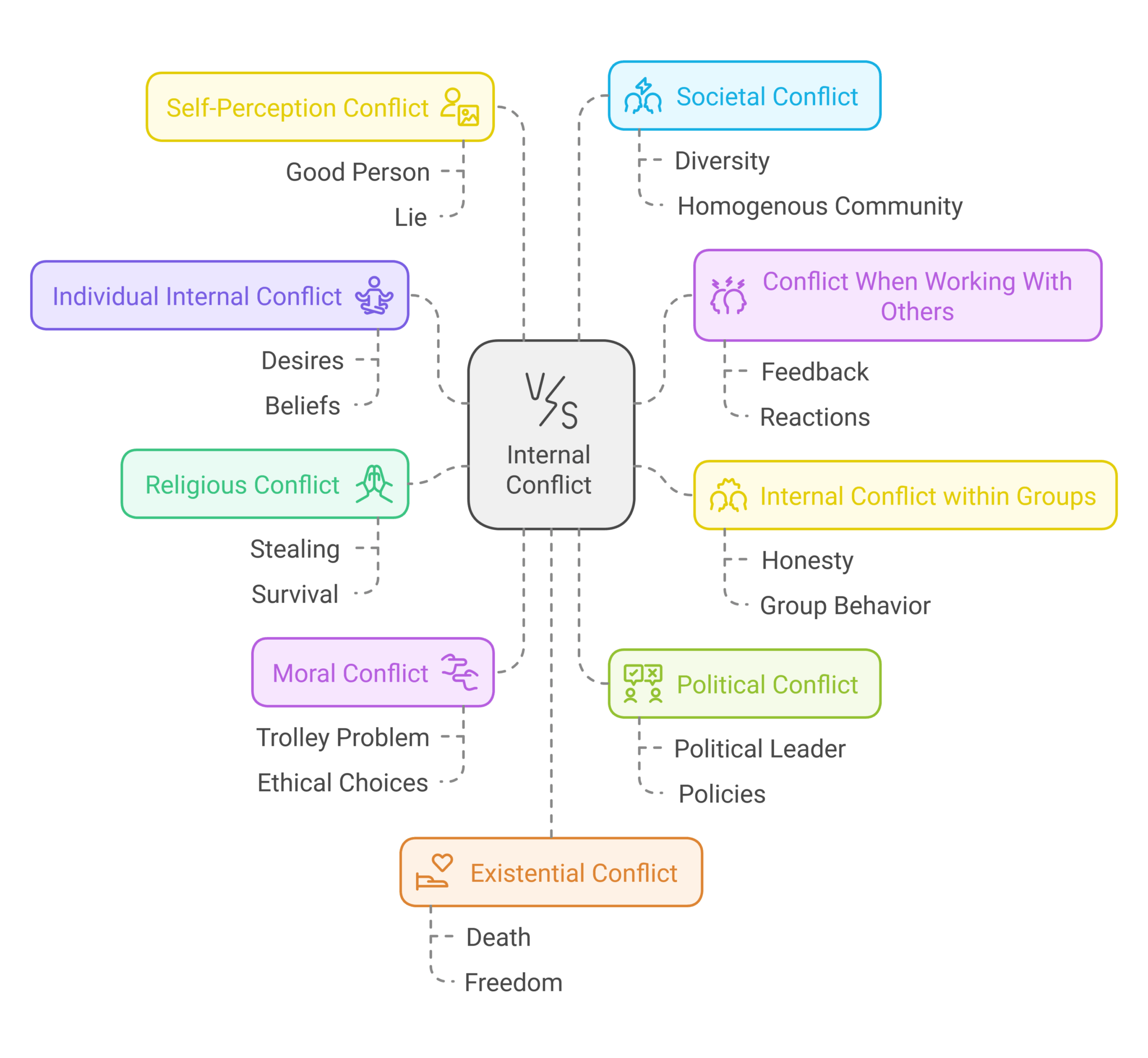
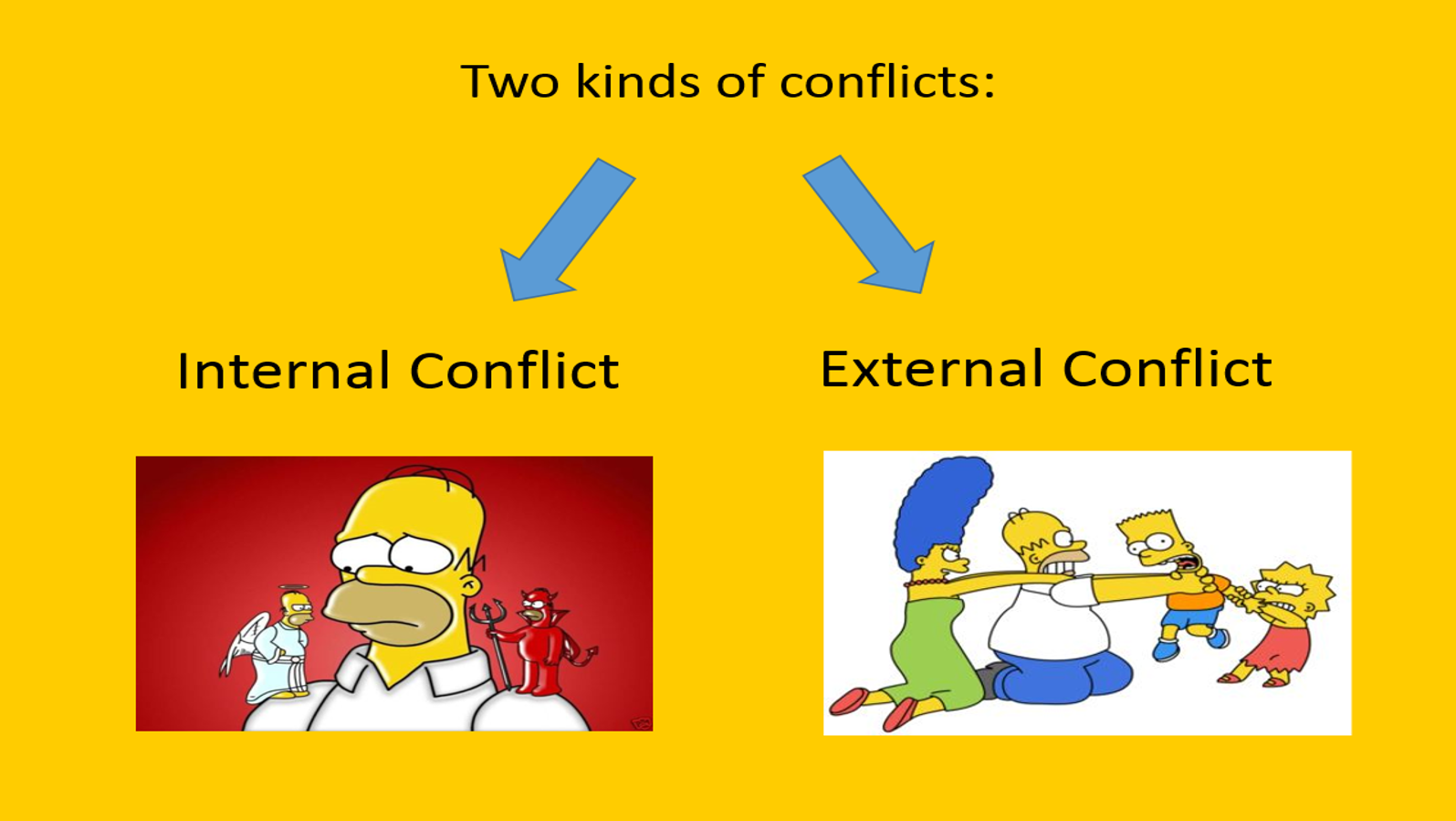
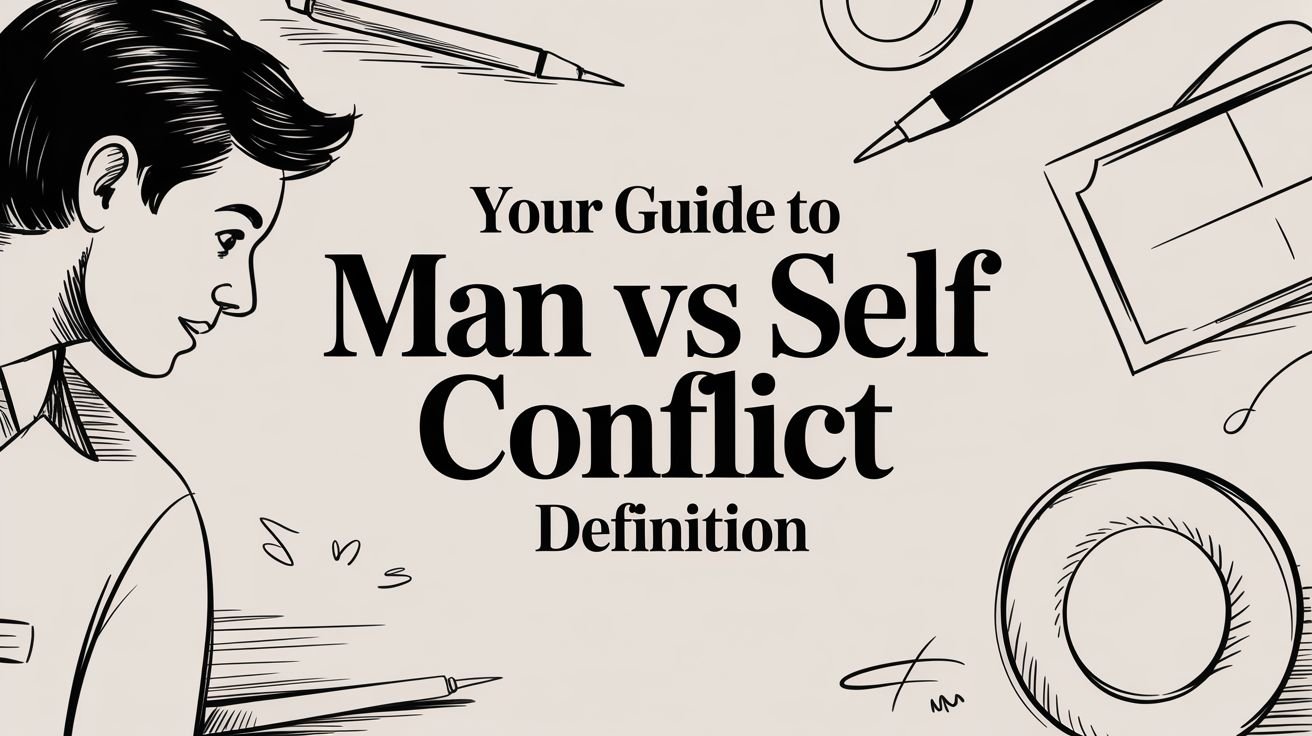
1. Internal Conflict
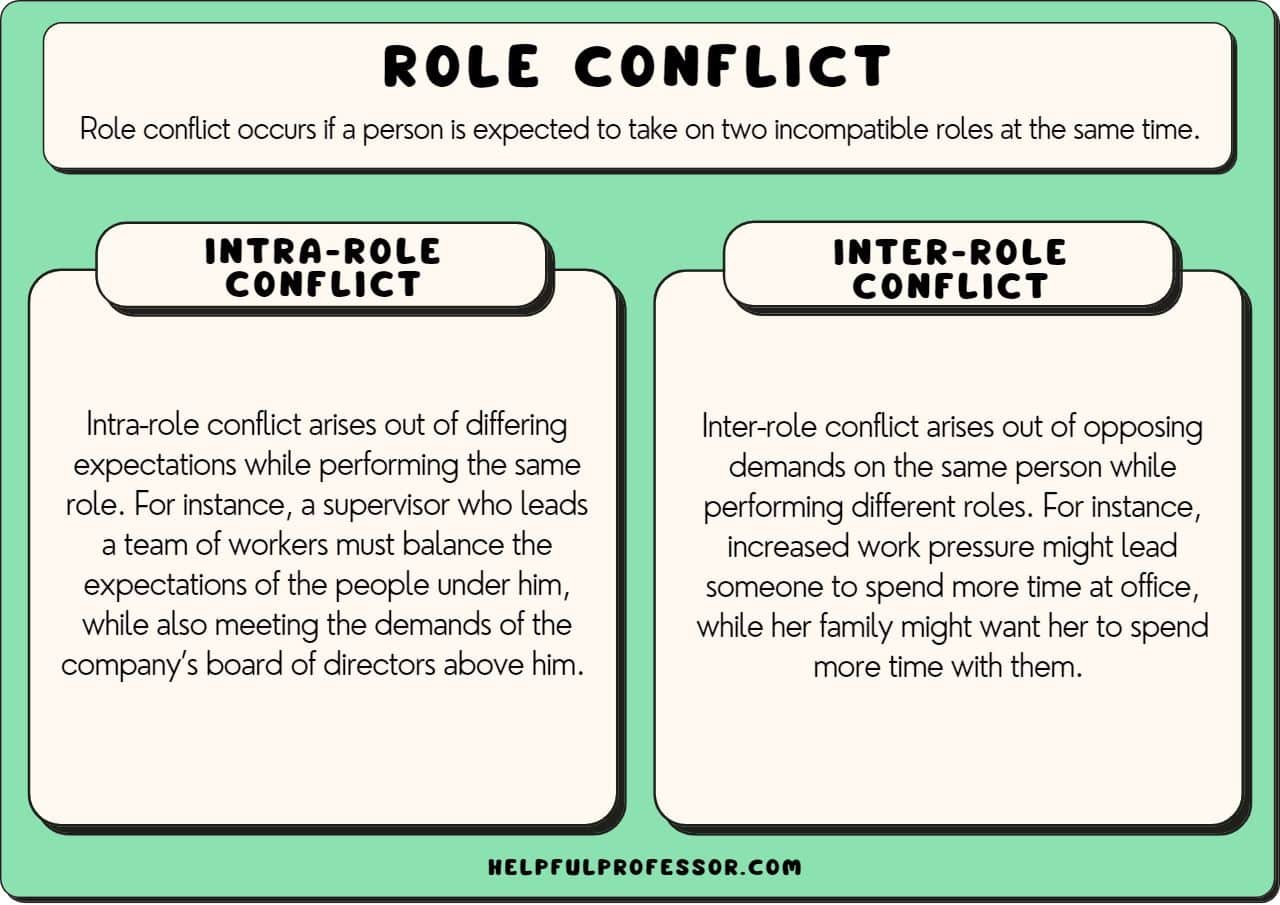
This is the battle within a character's mind, heart, or soul. It could be a moral dilemma, a personal struggle, or a decision that must be made. Internal conflict reveals a character's motivations, values, and weaknesses, providing depth and complexity.
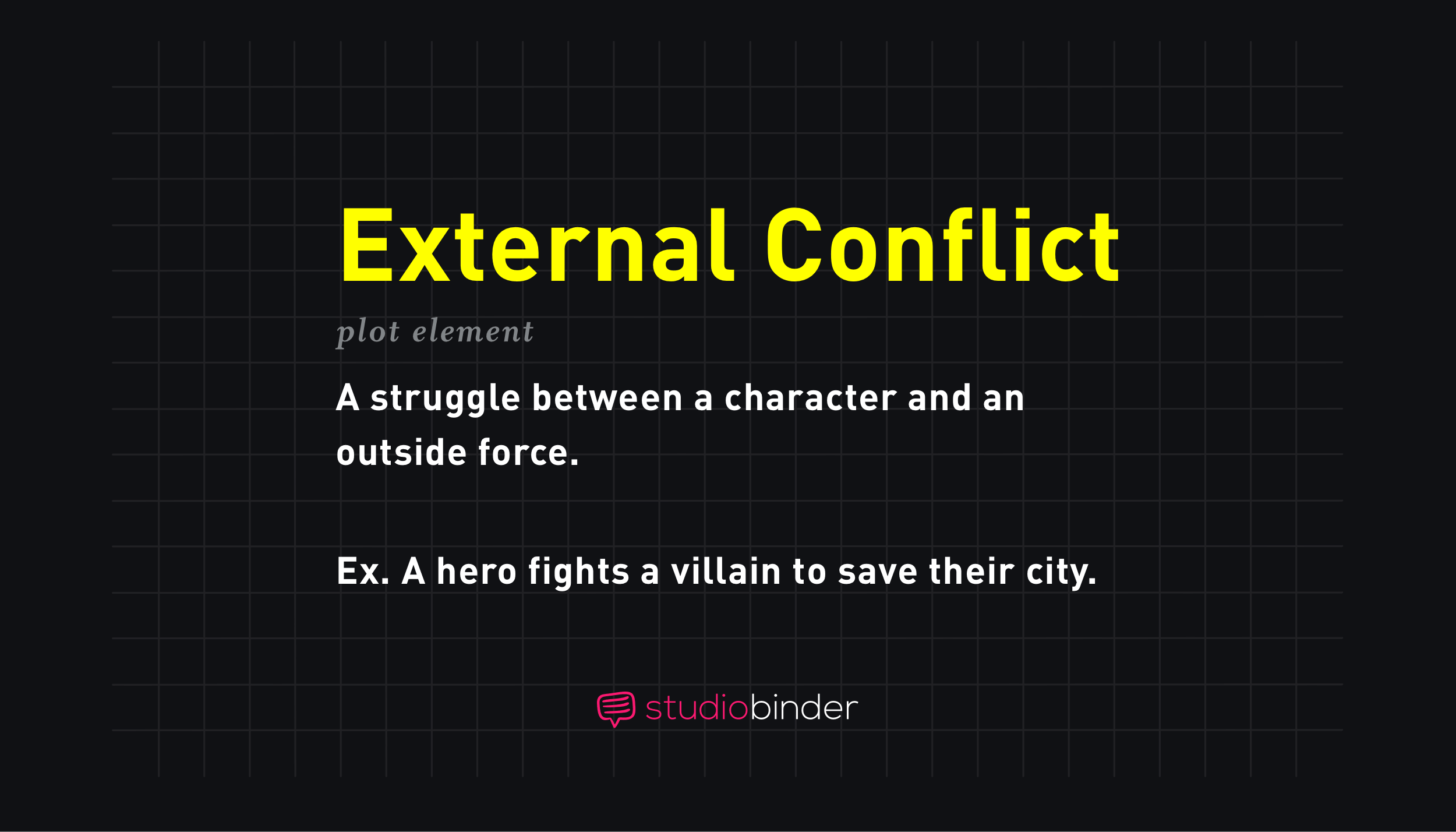
2. External Conflict
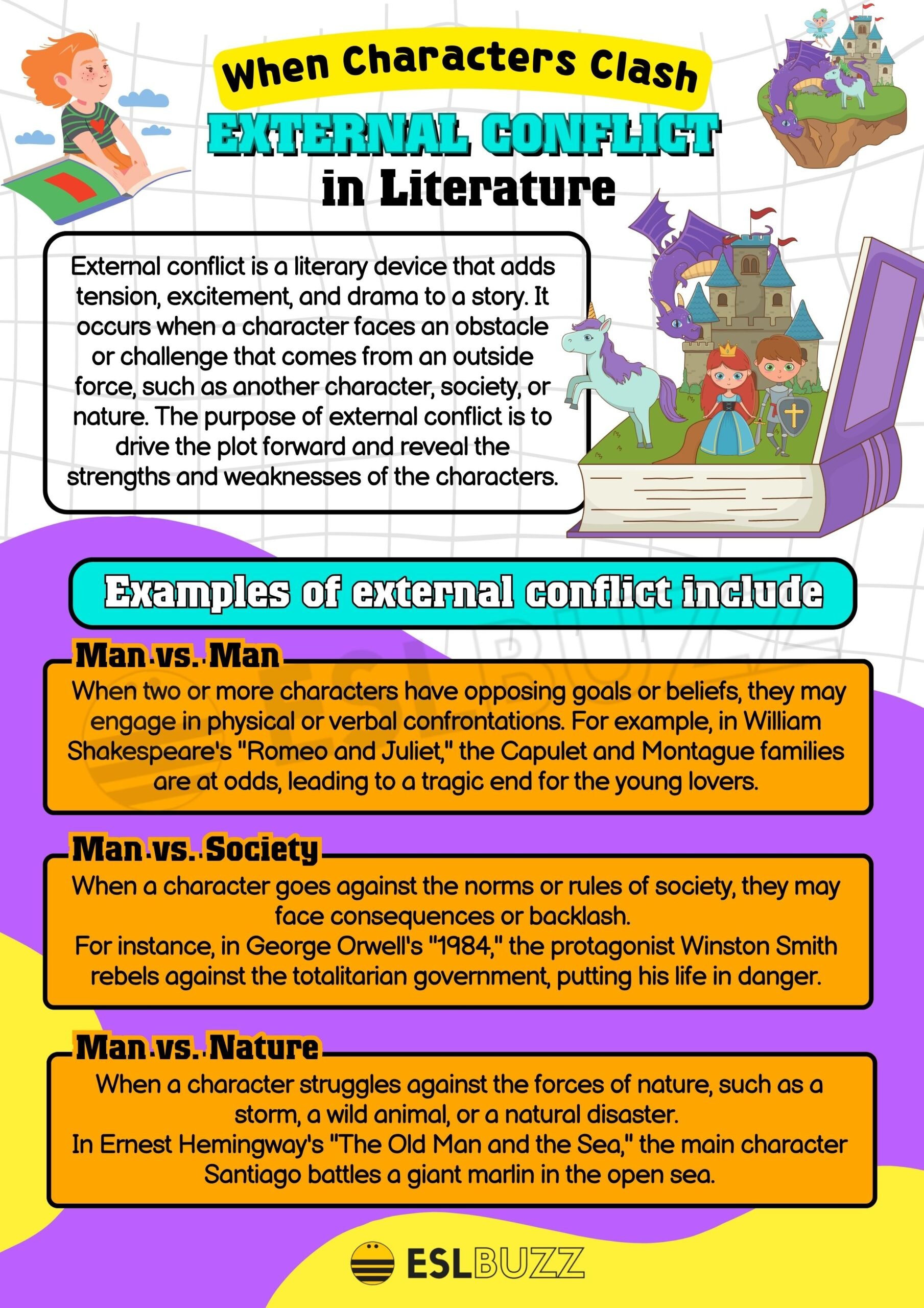
External conflict in a story involves opposition from outside forces. This could be another character, nature, society, or even a supernatural entity. External conflict creates obstacles and challenges that the protagonist must overcome, often revealing their resilience and resourcefulness.
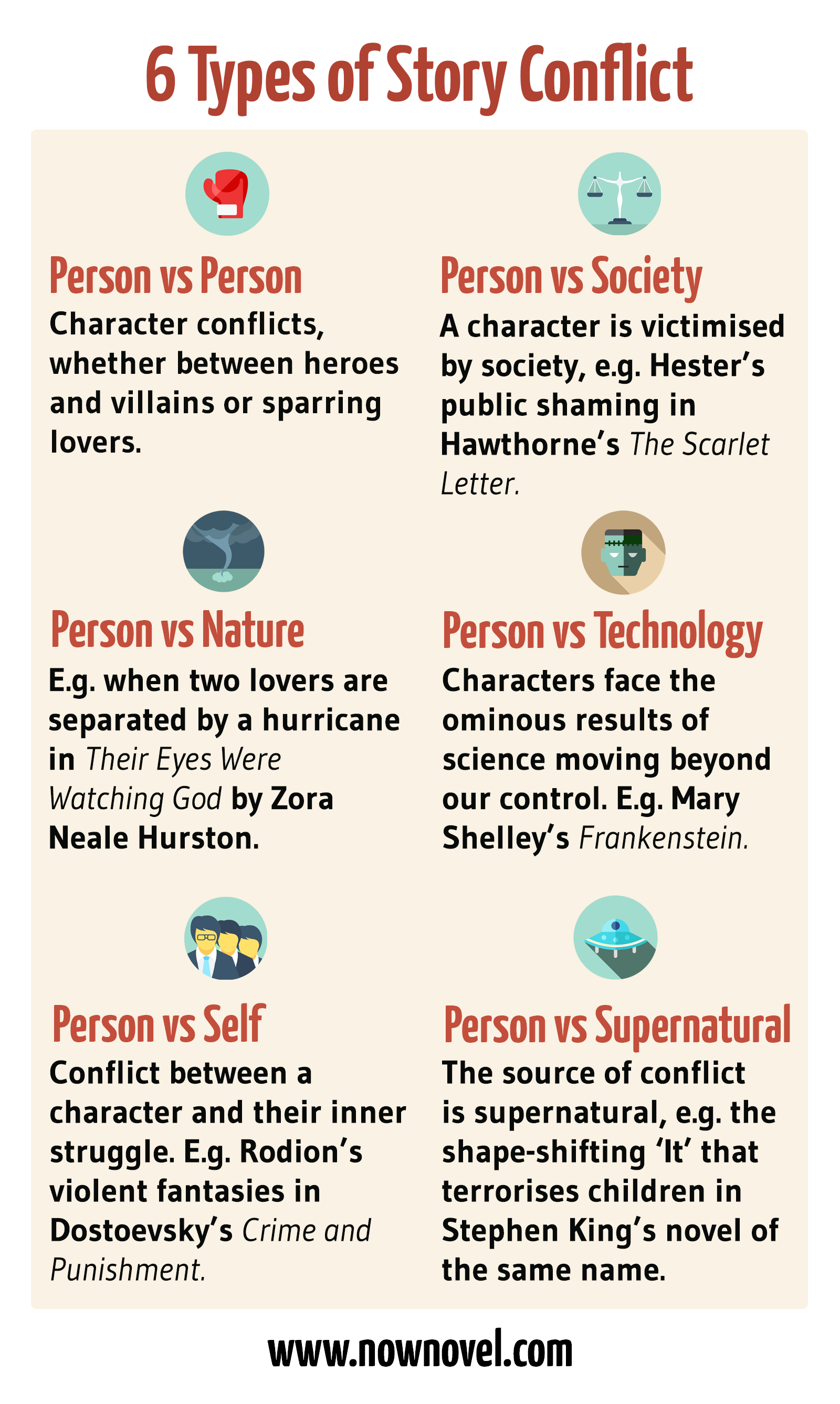
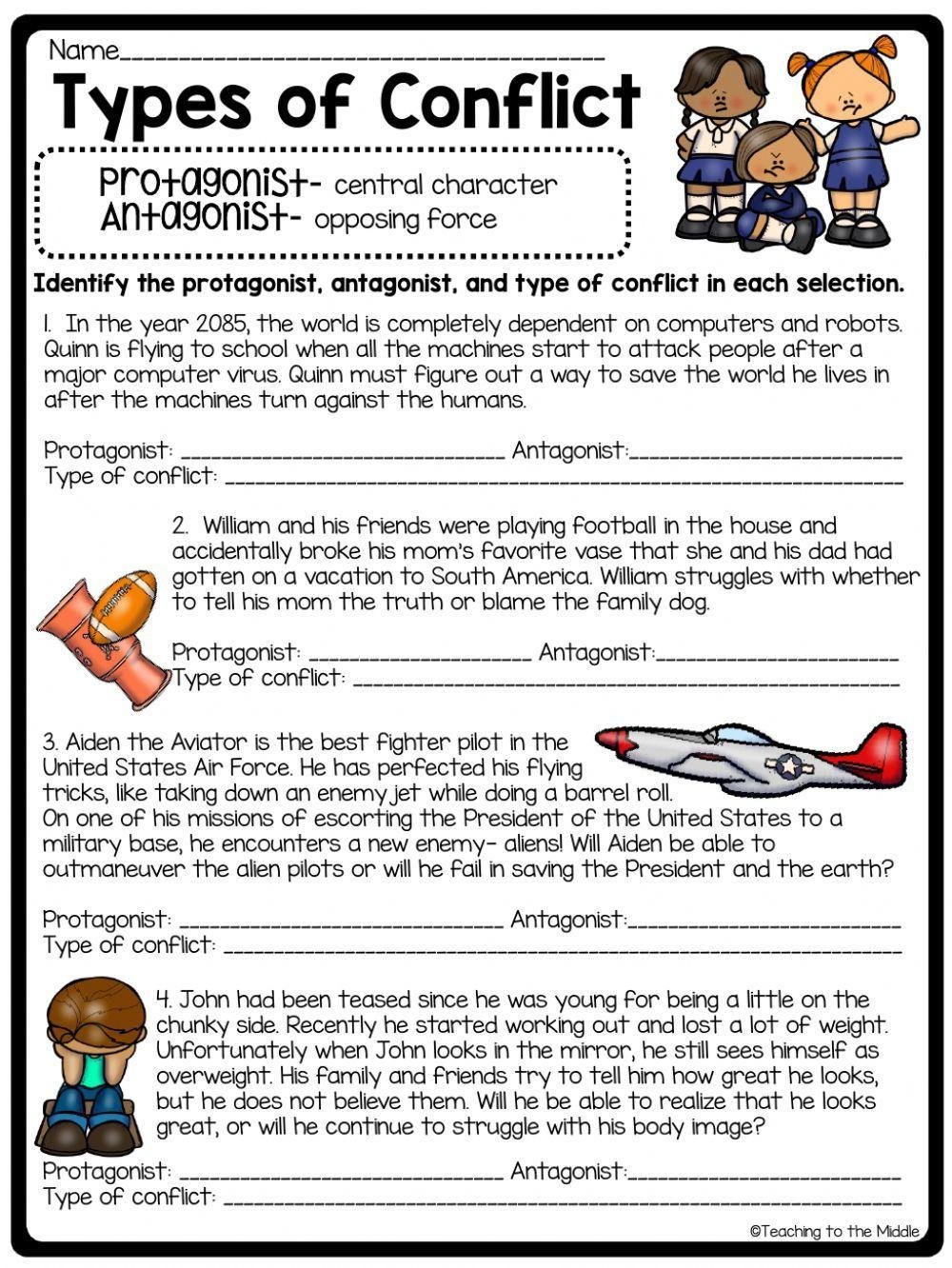
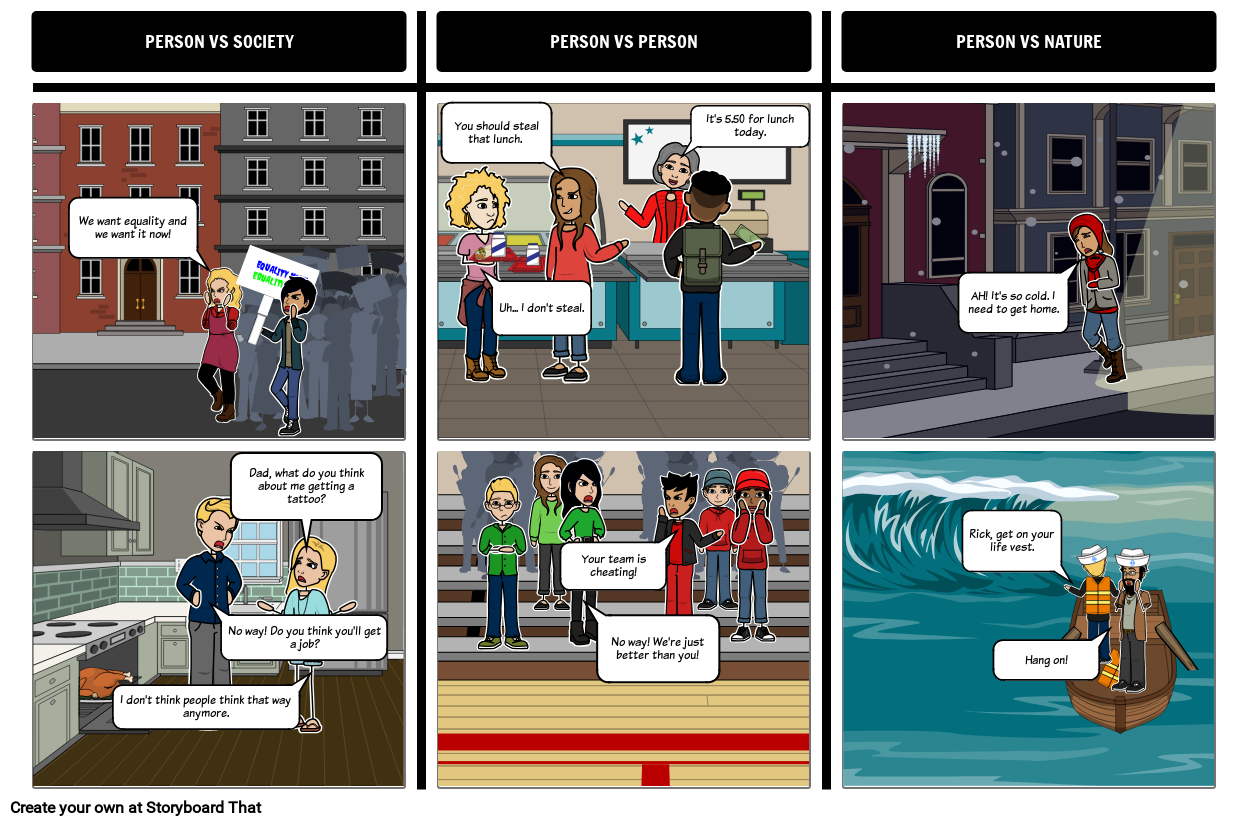
3. Person vs. Person
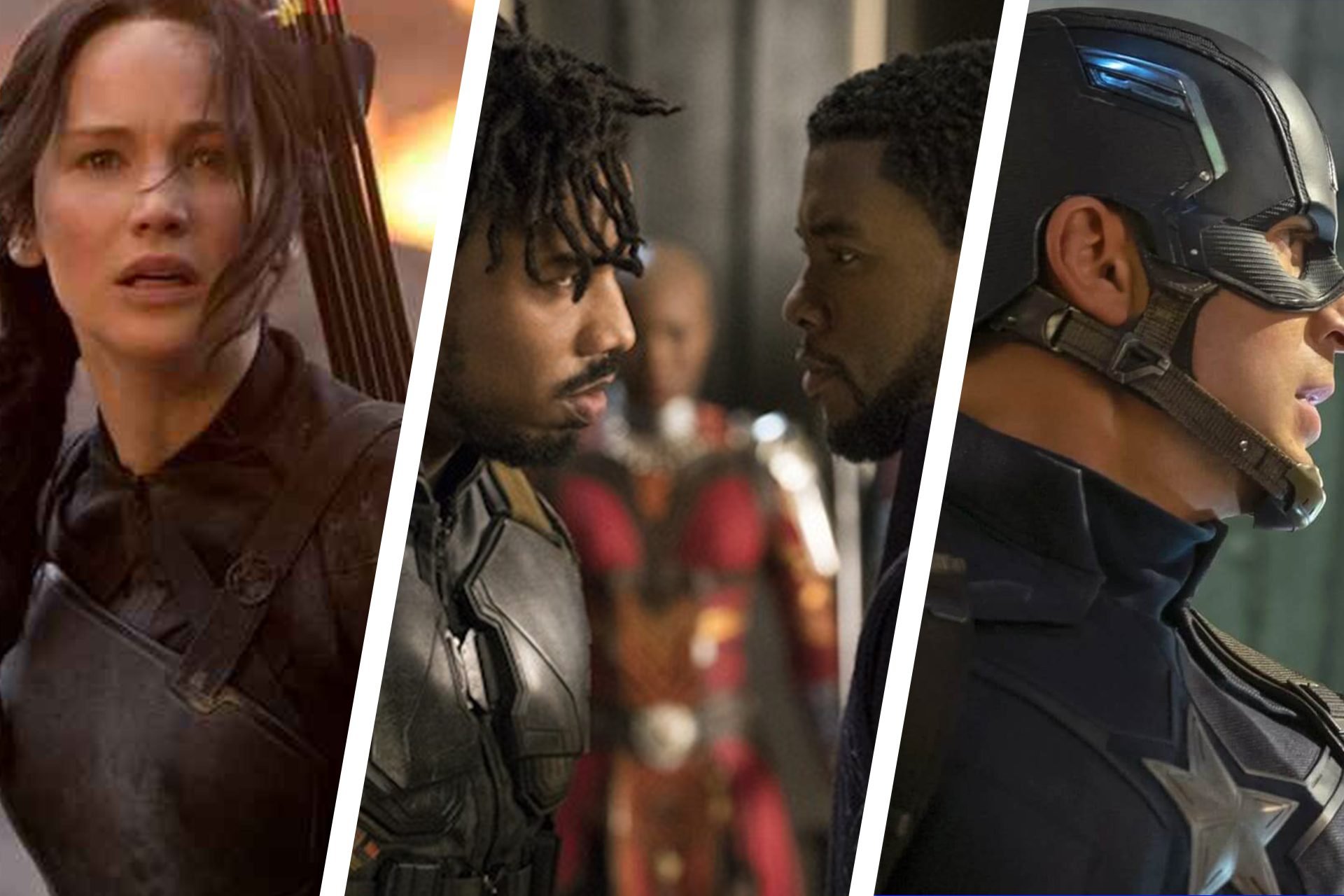
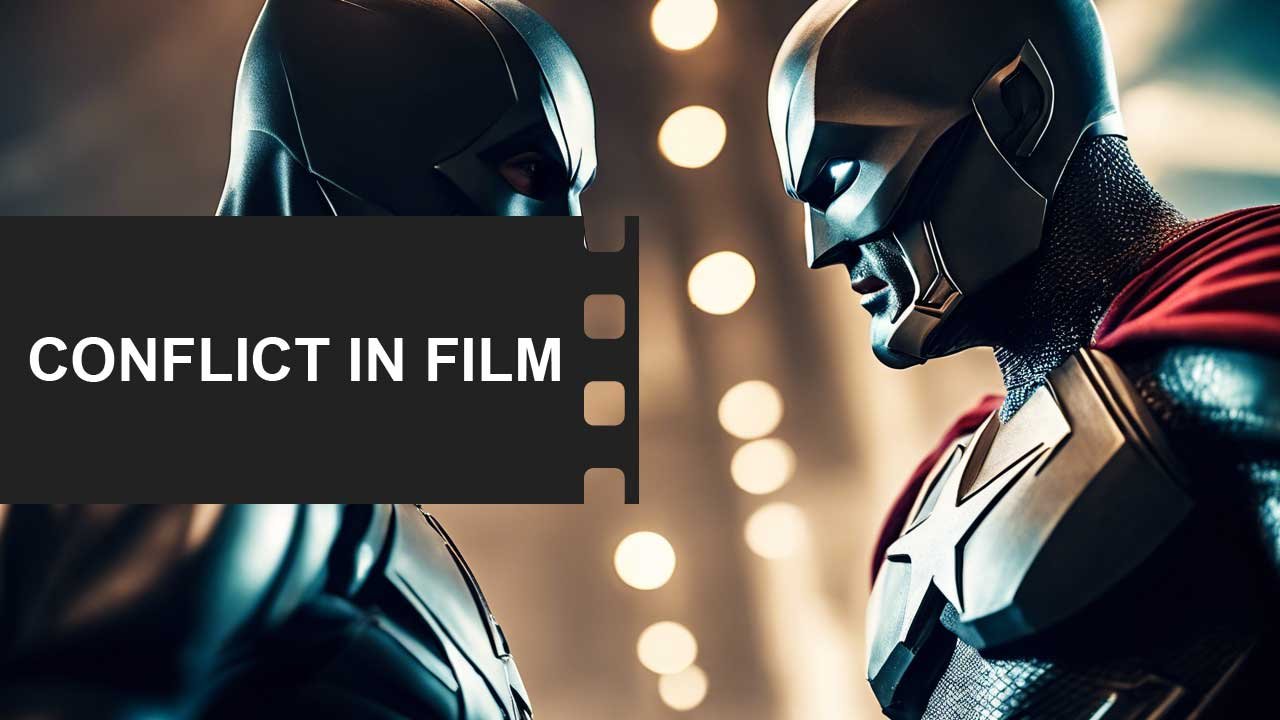
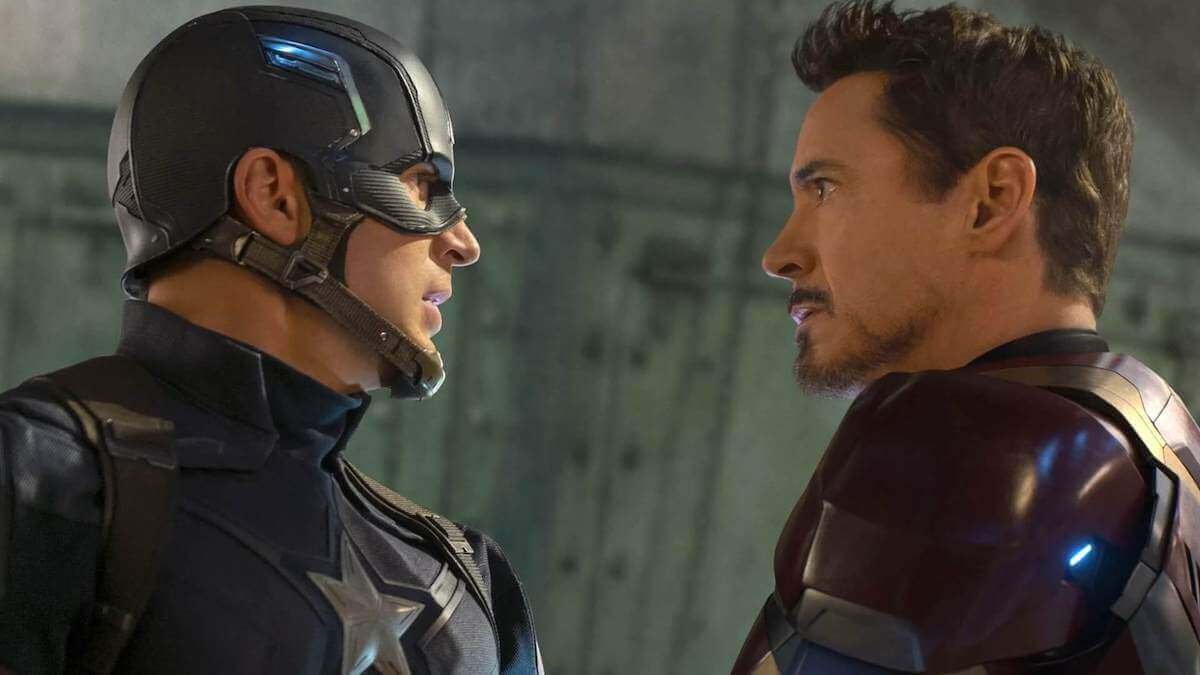
The most common form, this conflict pits one character directly against another. It could be a physical confrontation, a battle of wits, or a clash of ideologies. Conflict story examples of this type often involve villains and heroes, creating a clear moral dichotomy.
4. Person vs. Nature
Here, the character faces off against the forces of nature, such as extreme weather, dangerous animals, or natural disasters. This type of conflict tests the character's survival skills and resilience.
5. Person vs. Society
This conflict arises when a character's beliefs, actions, or identity clash with societal norms or expectations. It explores themes of individuality, conformity, and the struggle for acceptance or change.
6. Person vs. Technology/Supernatural
In this type, the character confronts advanced technology, artificial intelligence, or supernatural entities. It often explores the consequences of scientific advancement or the boundaries between the natural and the otherworldly.
The Role of Conflict in Storytelling
Conflict is essential for creating engaging narratives. It provides tension, drives the plot, and reveals character growth. Well-crafted conflict can make a story memorable, keeping readers invested and eager to see how the protagonist overcomes challenges.
Remember, conflict in a story is not just about creating obstacles; it's about revealing the human condition, exploring themes, and offering a satisfying resolution that resonates with the audience.
For more on crafting compelling narratives, check out our guides on receipt template word free printable and ladies shopee bill format letter size. To explore a specific example of conflict in action, dive into our analysis of allerton park christmas lights.