

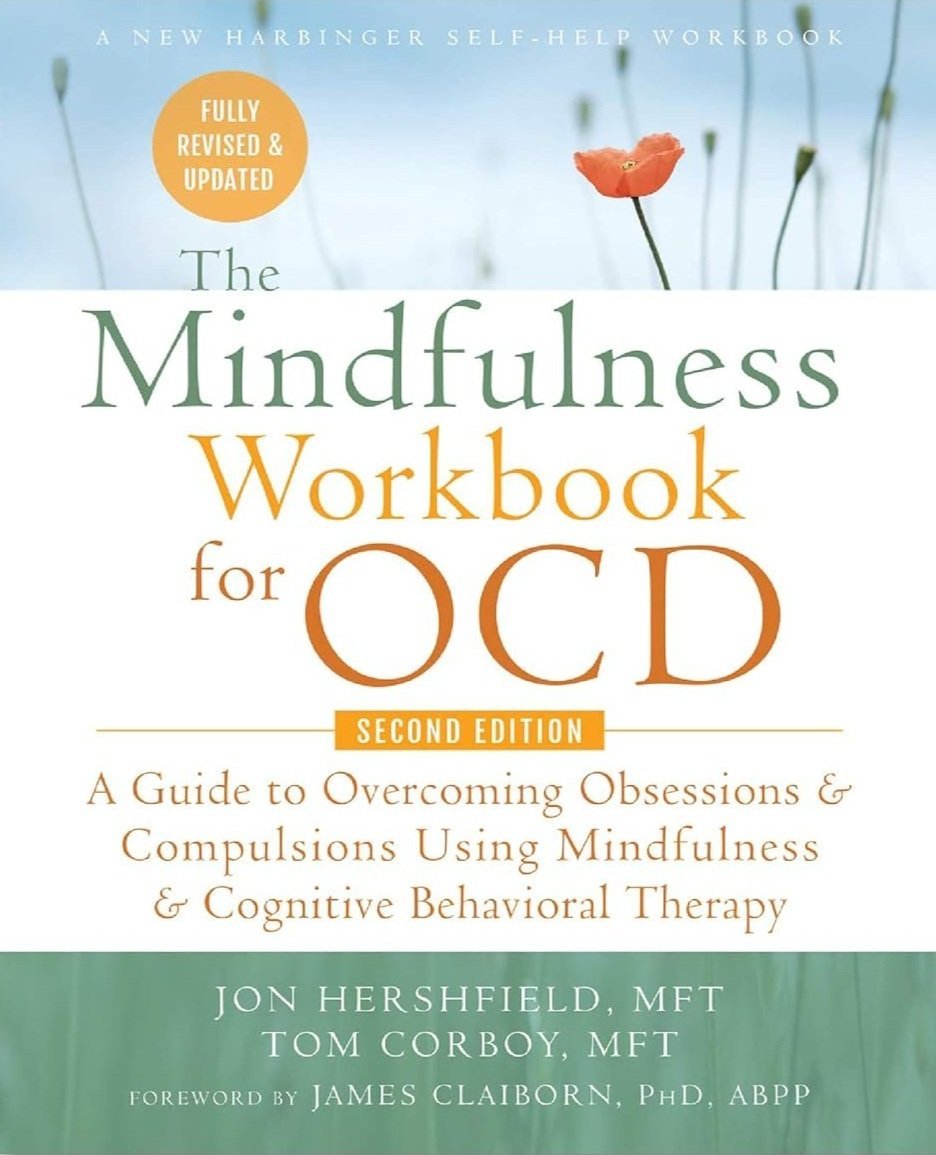


Mindfulness Exercises for OCD: A Practical Guide
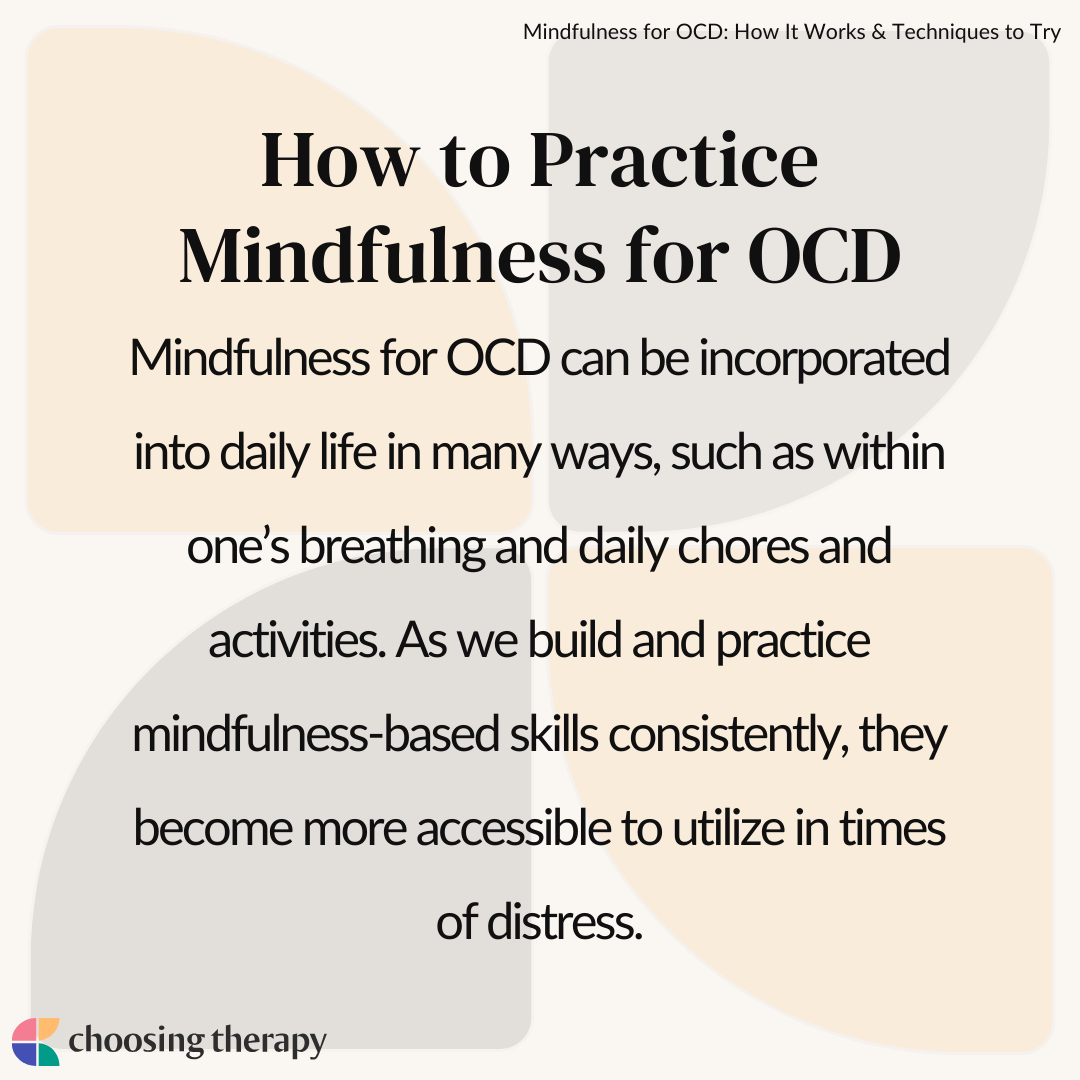
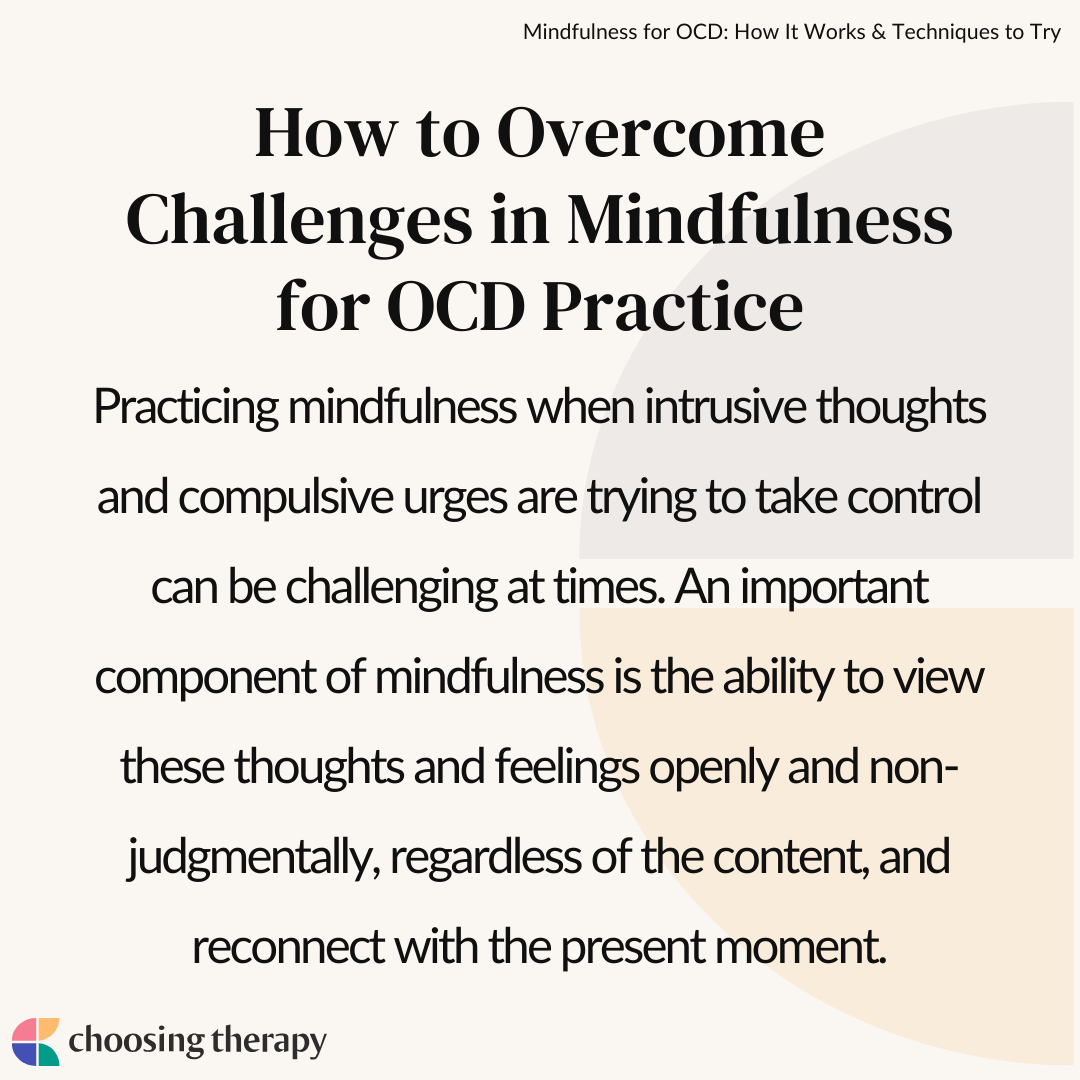
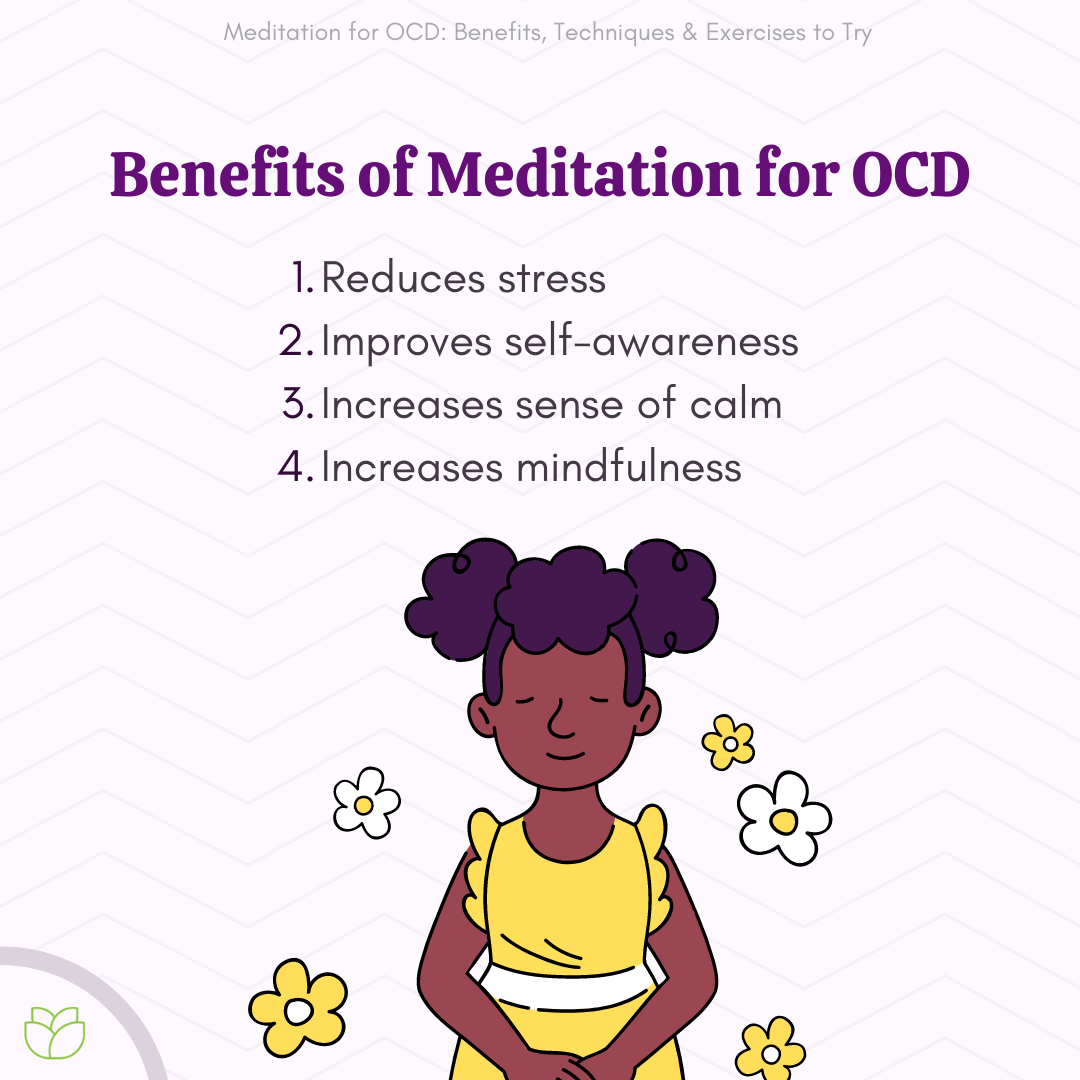
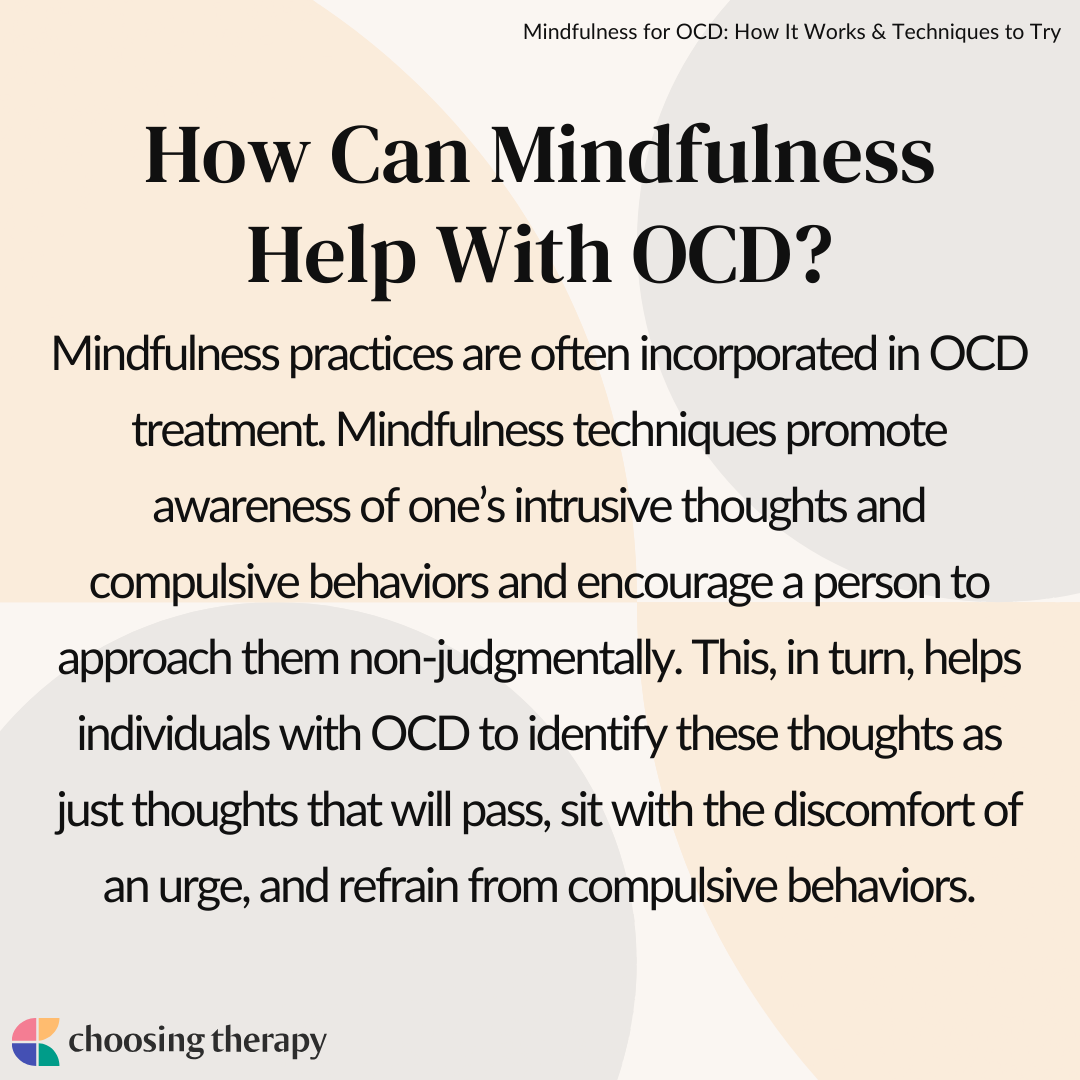
Mindfulness exercises can be a valuable tool to support individuals with OCD, offering a way to create awareness and manage symptoms. When looking into mindfulness exercises ocd, the details quickly stand out. These practices, when used alongside therapeutic approaches, can provide effective symptom relief.
Popular Options and Variations
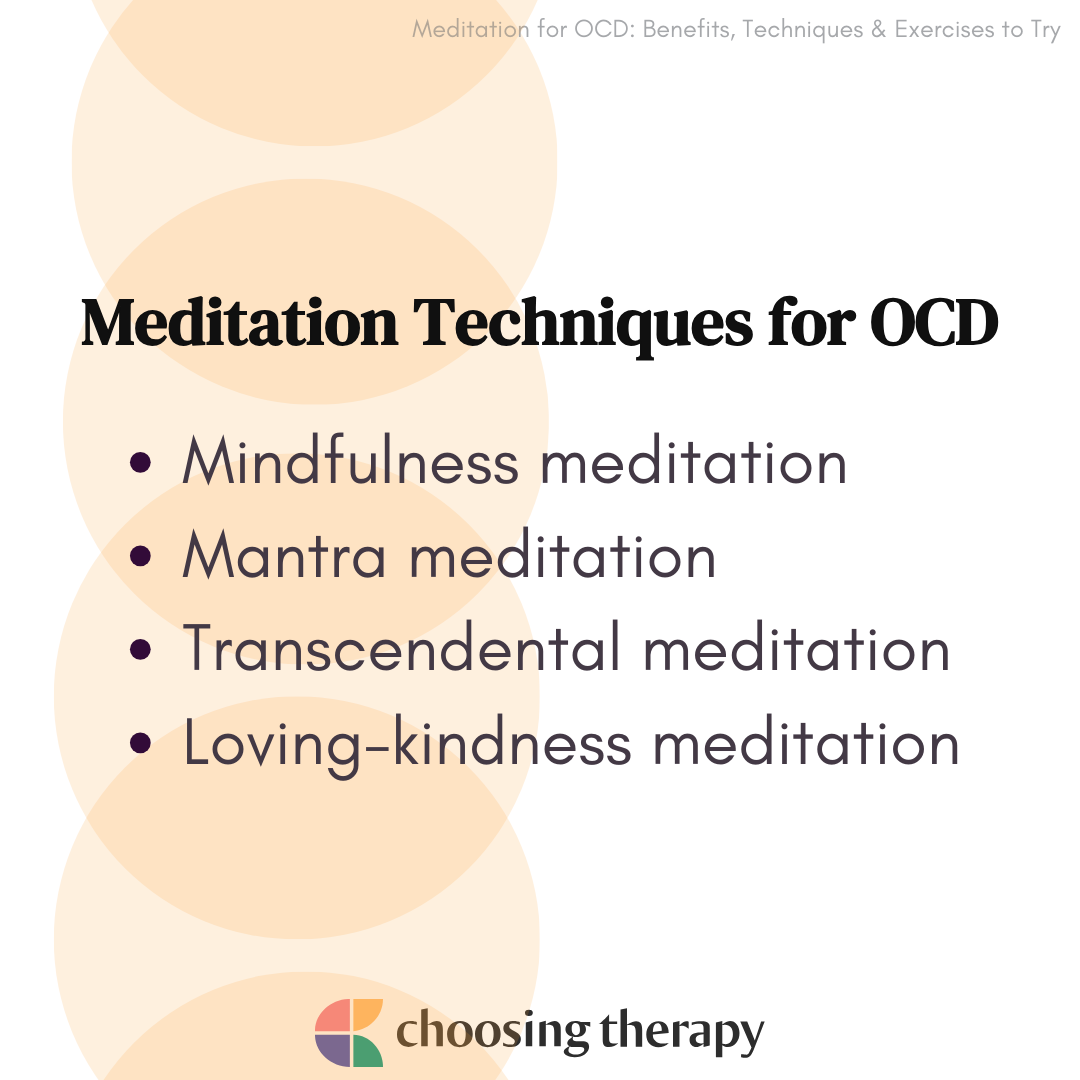
There are several mindfulness techniques that can benefit those with OCD:
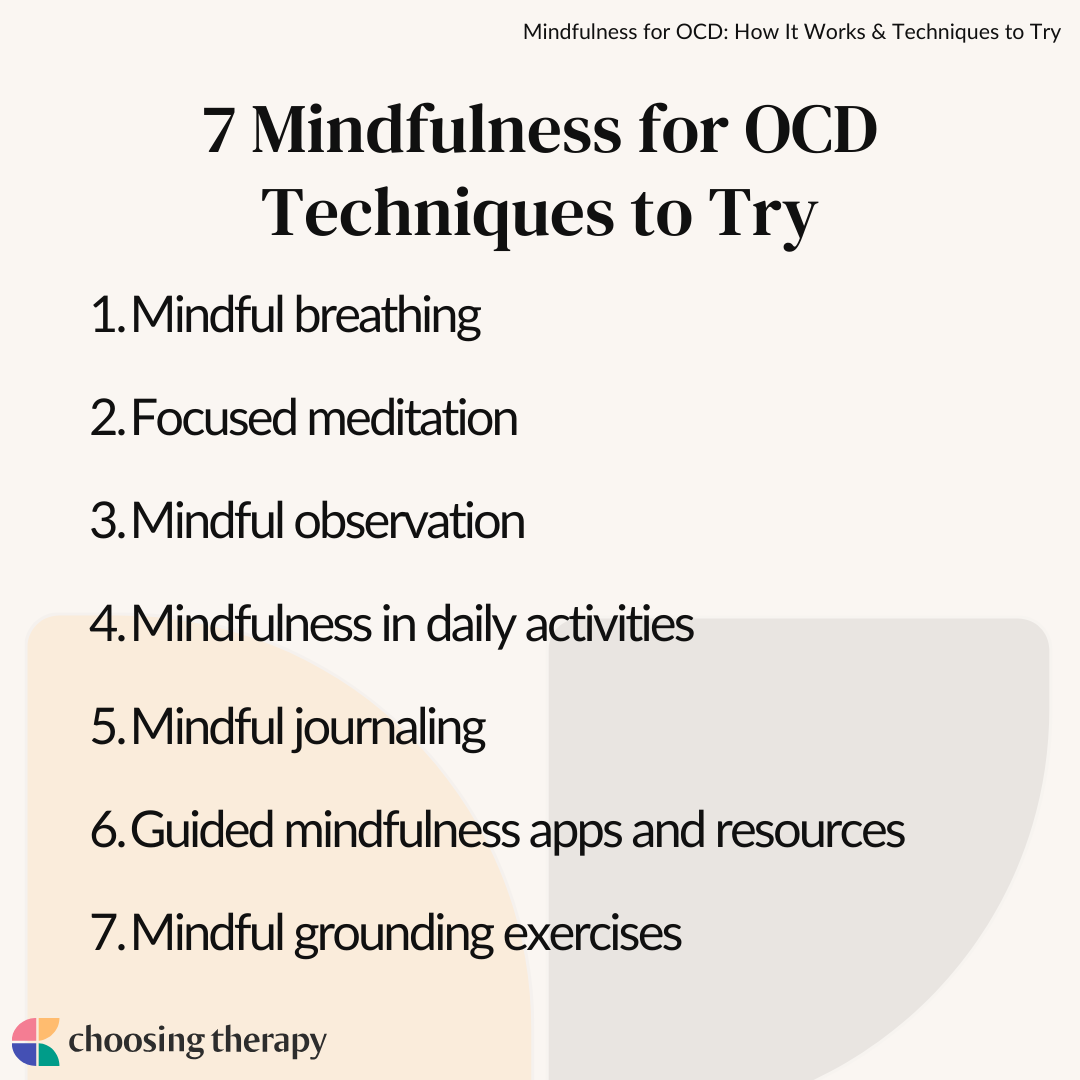
Breathing Meditation: Close your eyes and focus on deep breathing, inhaling through the nose and exhaling through the mouth. This simple practice can calm the mind and body.
Mindful Walking: Take a walk and pay attention to your surroundings, noticing the sensations and details. This outdoor activity promotes present-moment awareness.
Body Scan: Lie down and bring awareness to each part of your body, noticing any tensions or sensations without judgment. This exercise helps connect with your physical self.
Mindful Eating: Slow down and savor your food, noticing its taste, texture, and aroma. This practice can enhance your relationship with food and reduce compulsive eating behaviors.
Incorporating Mindfulness into Daily Life
Start with short sessions: Begin with 5-10 minute mindfulness exercises and gradually increase the duration.
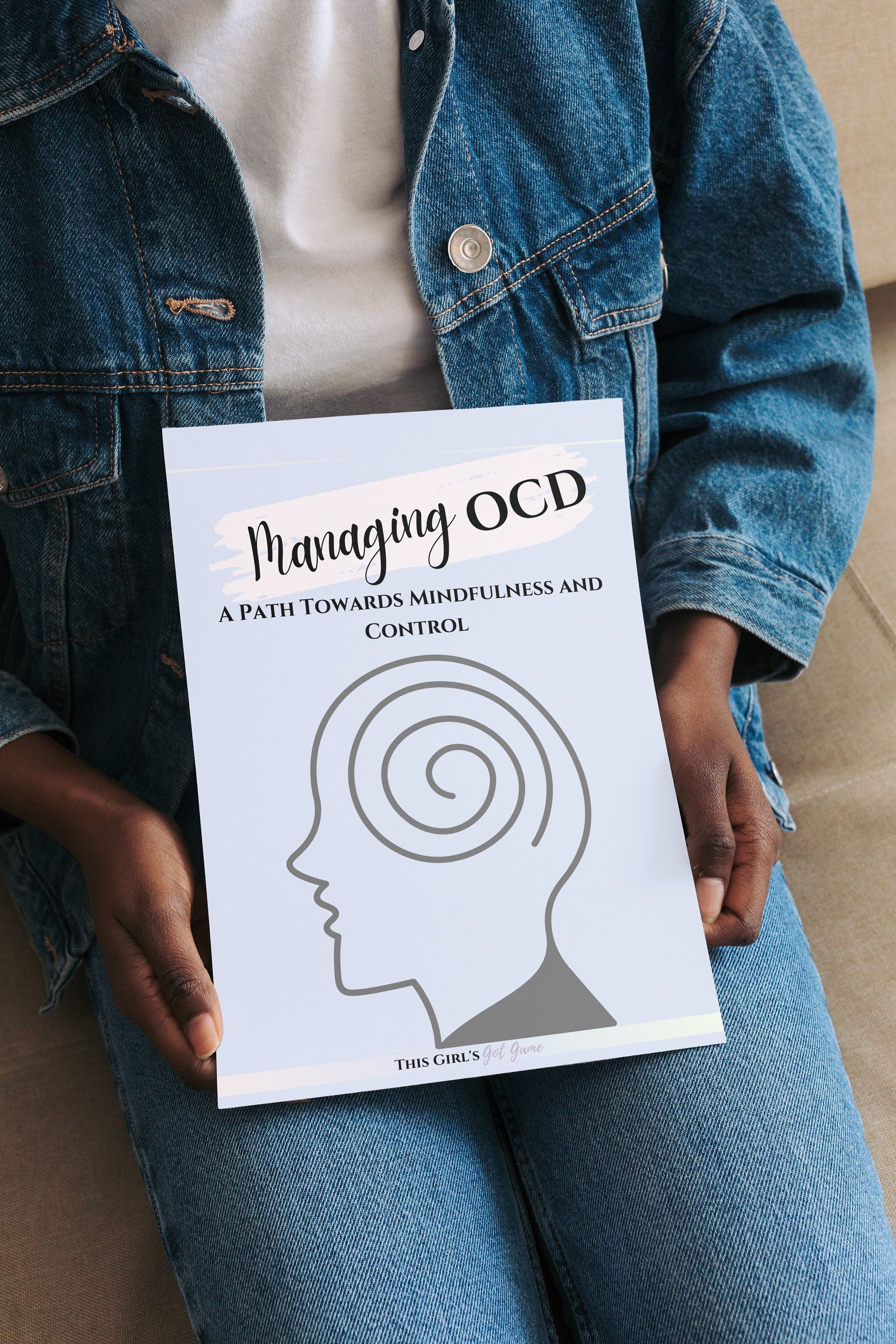
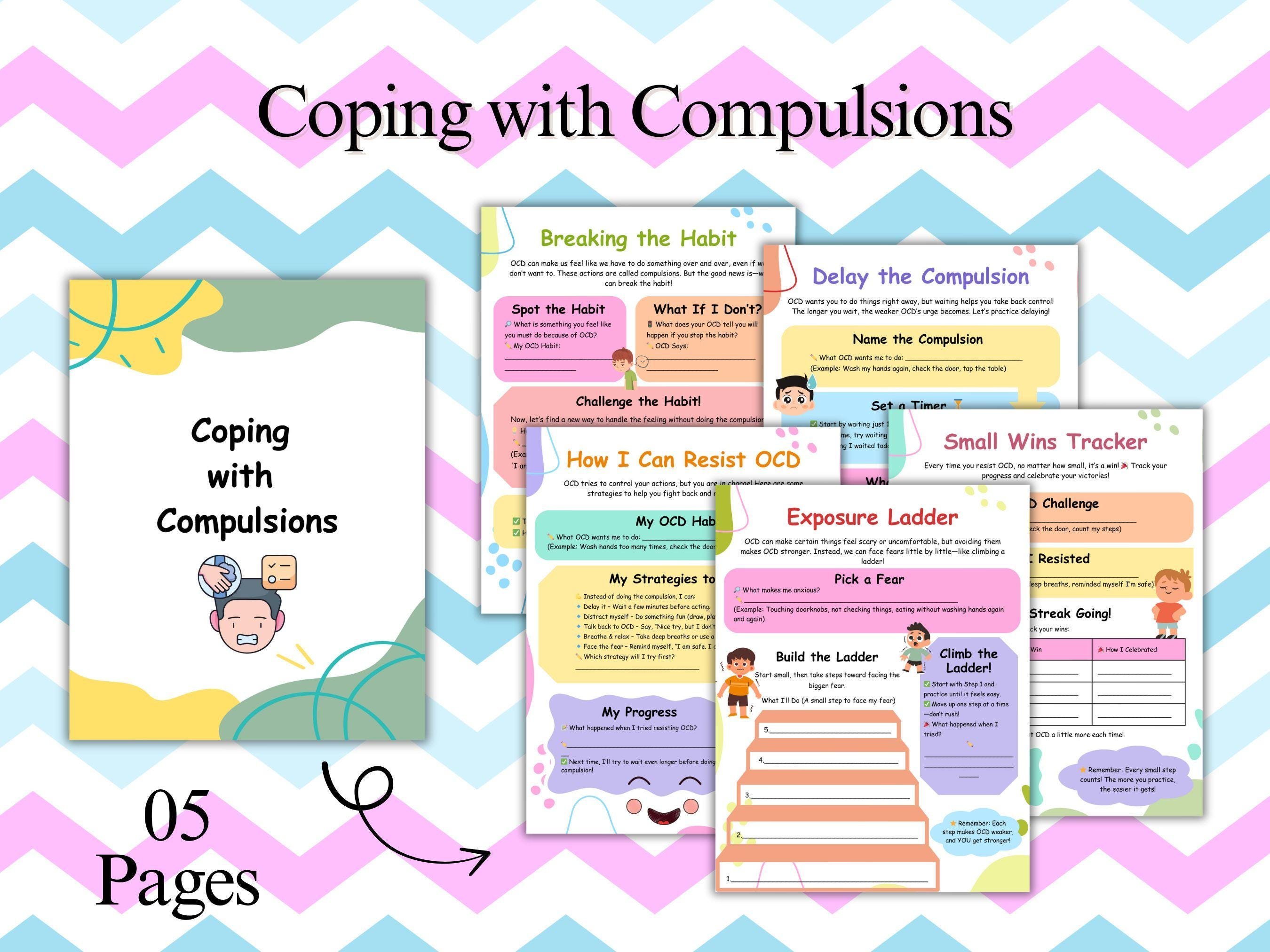
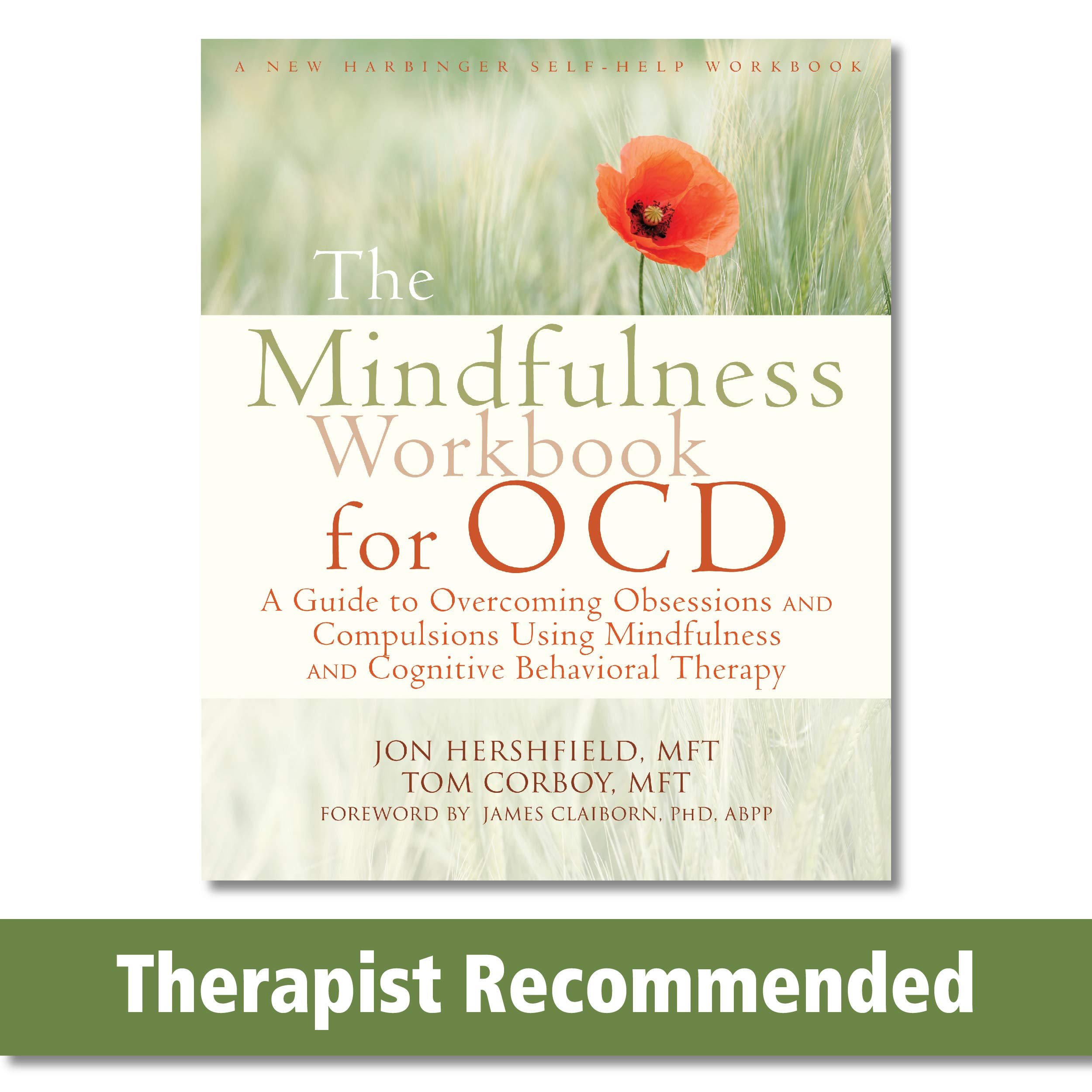
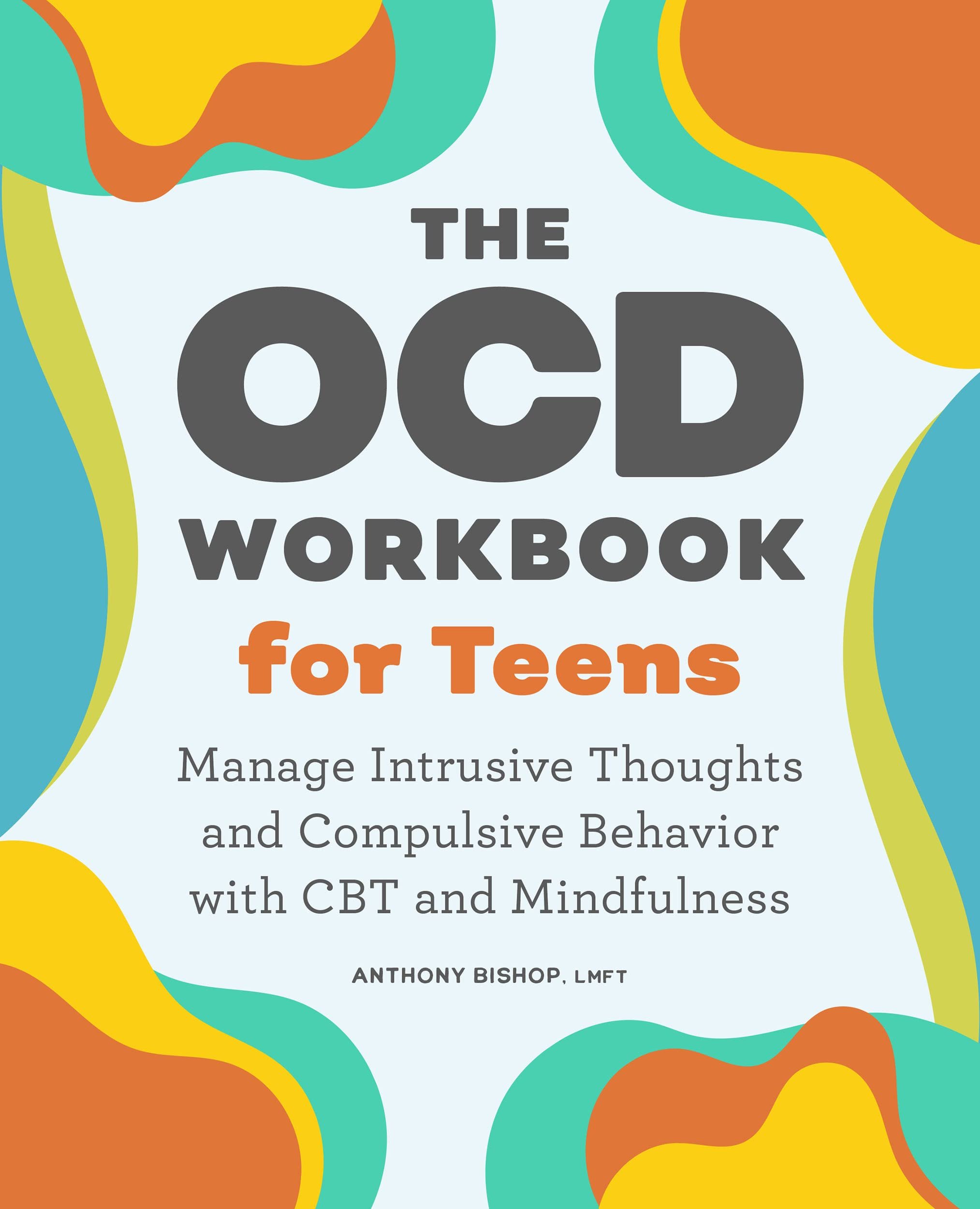
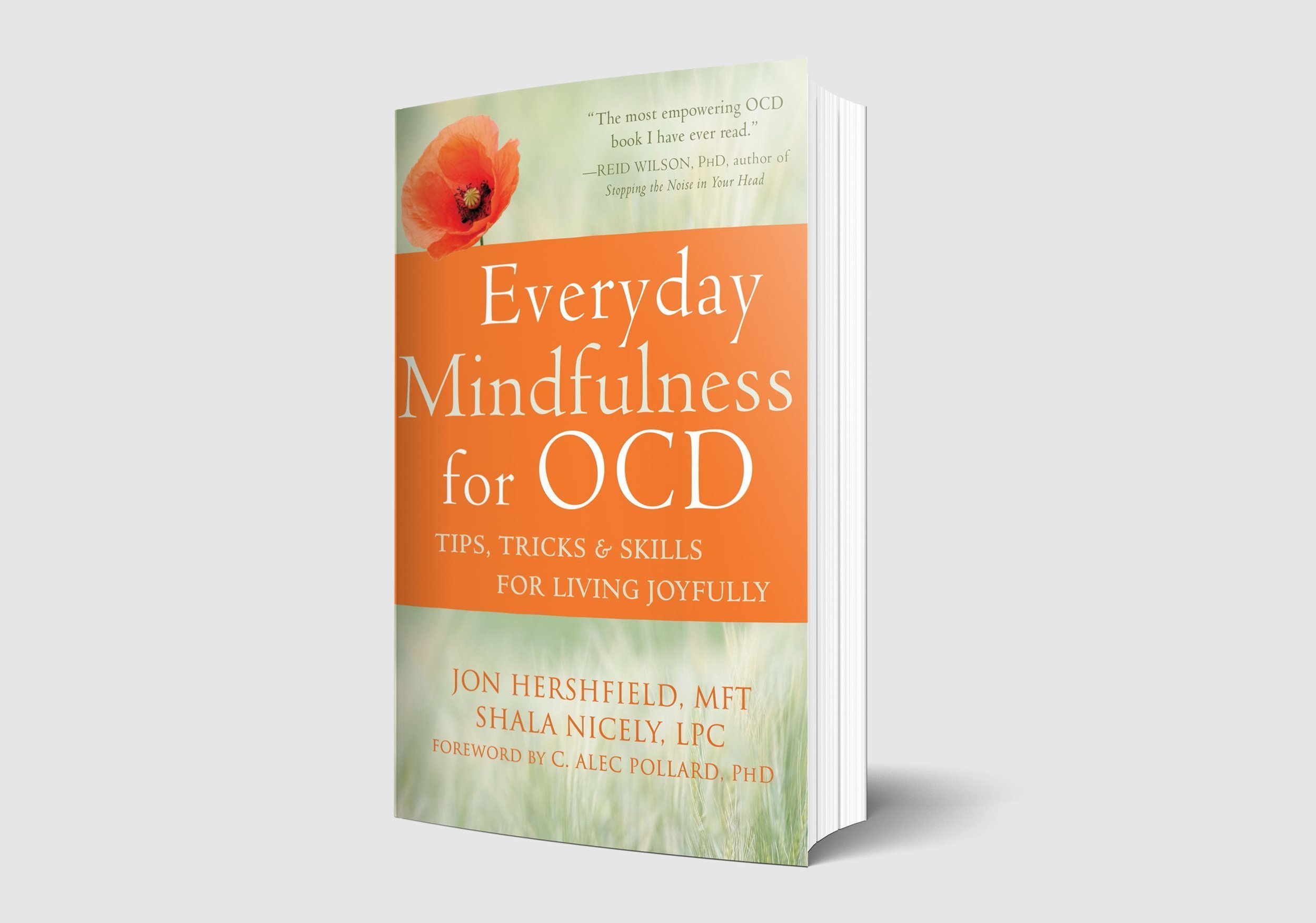
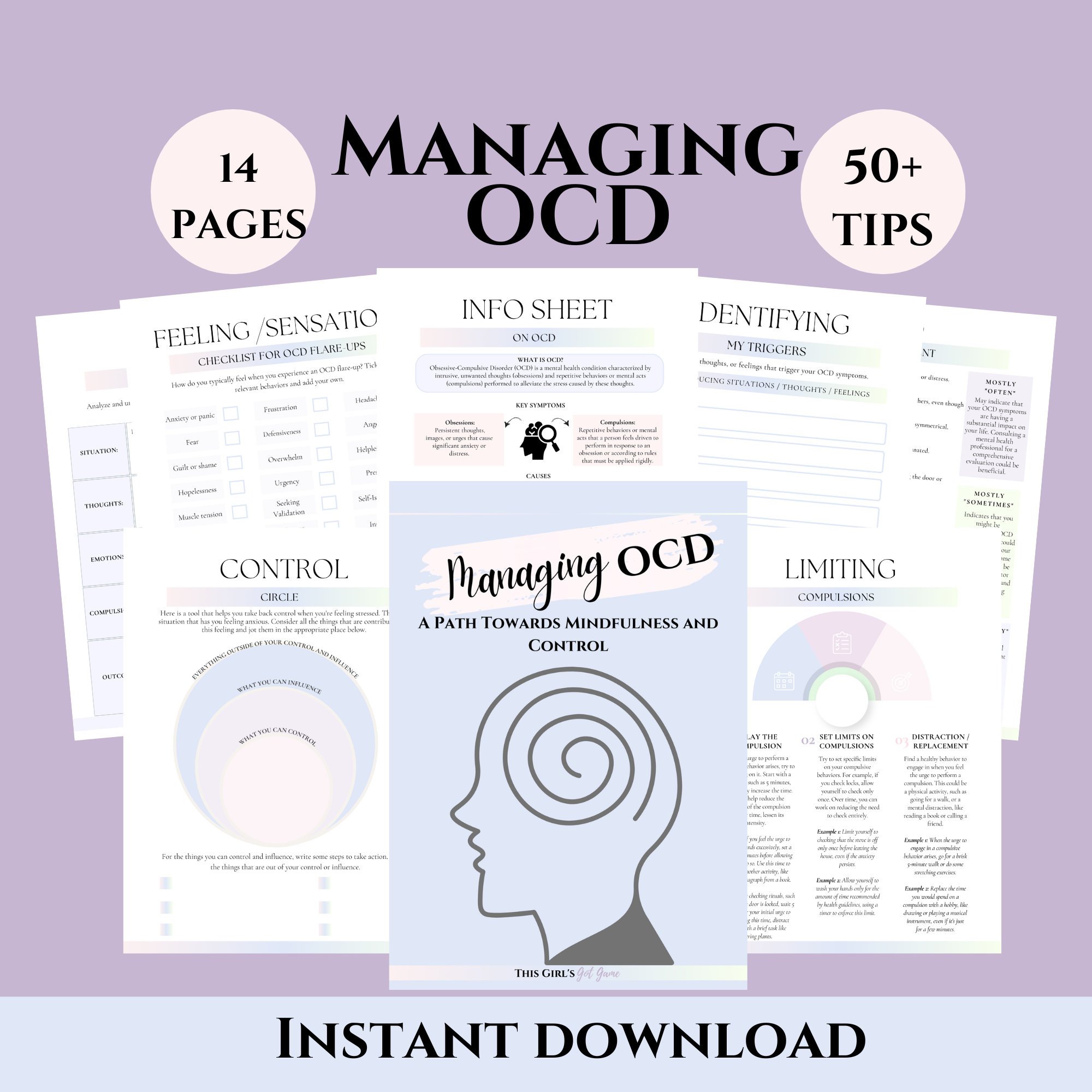
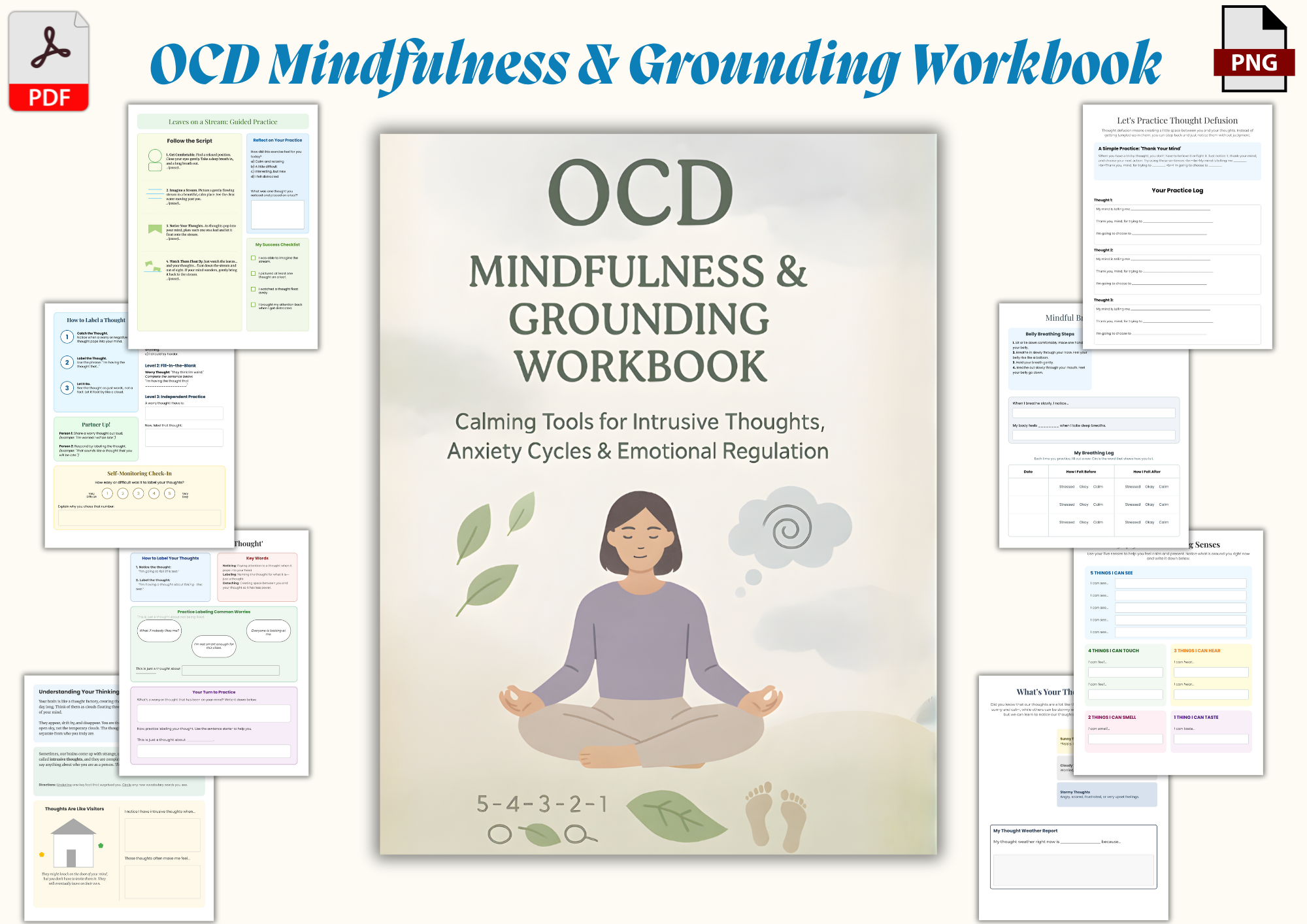
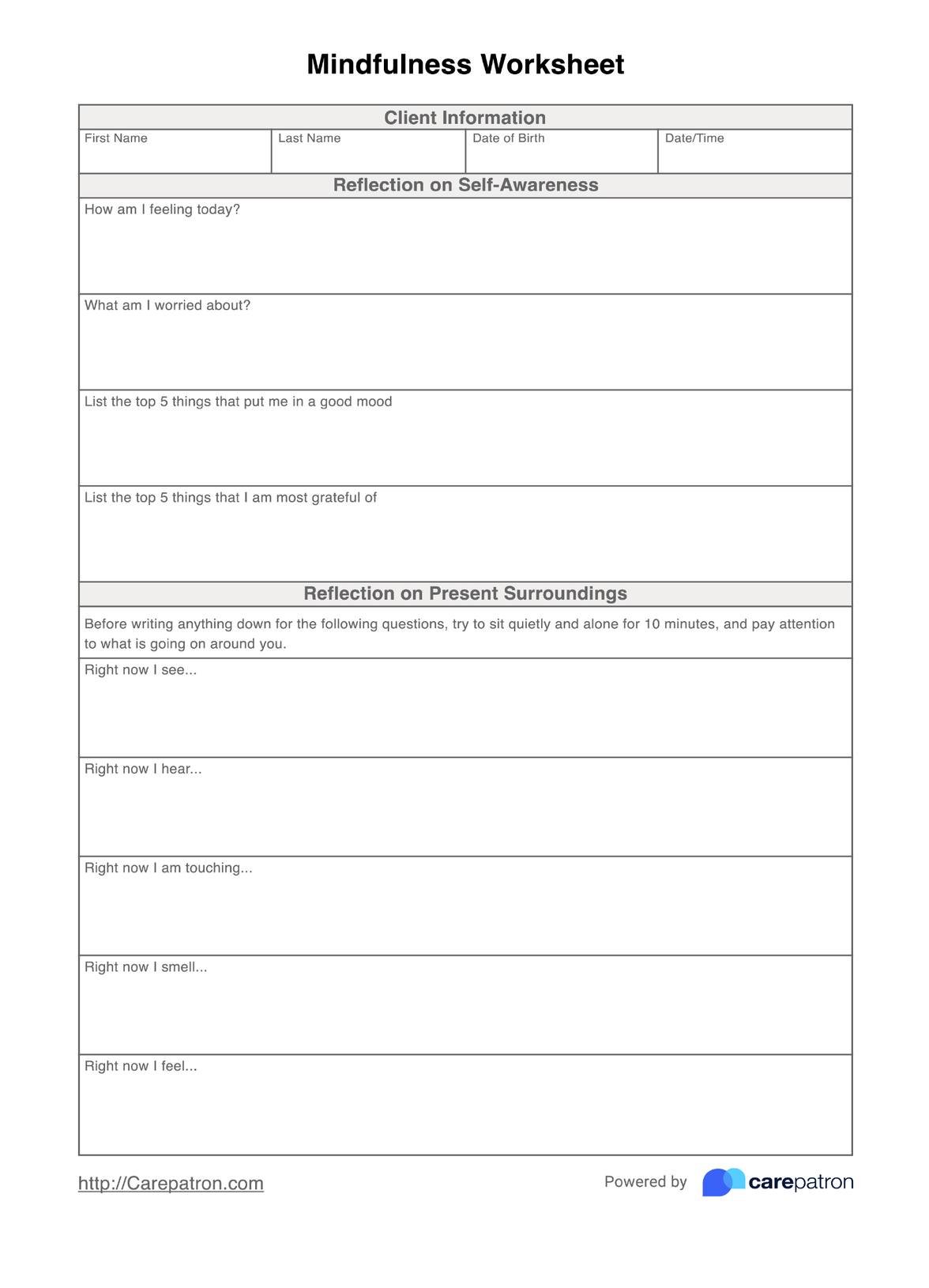
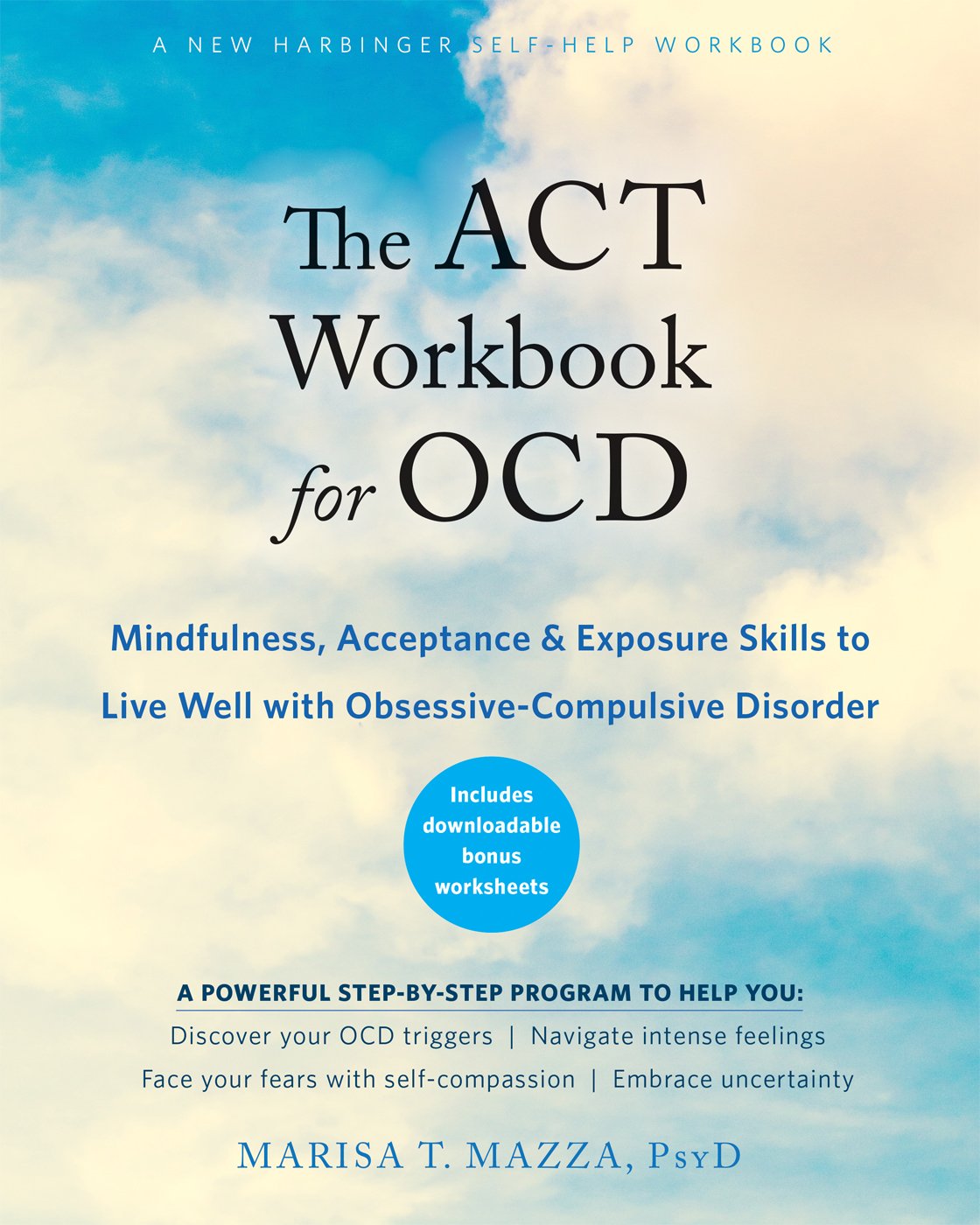
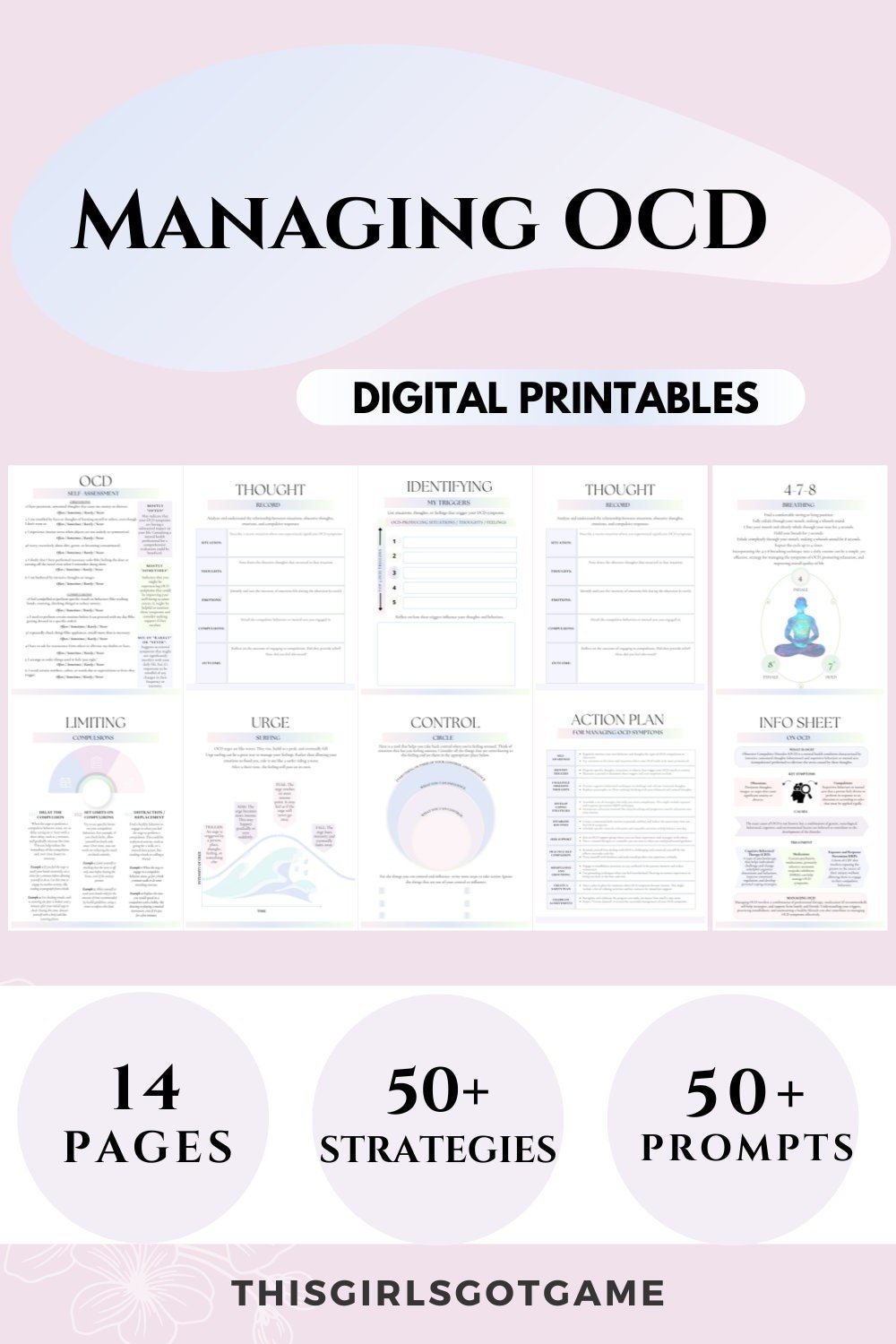
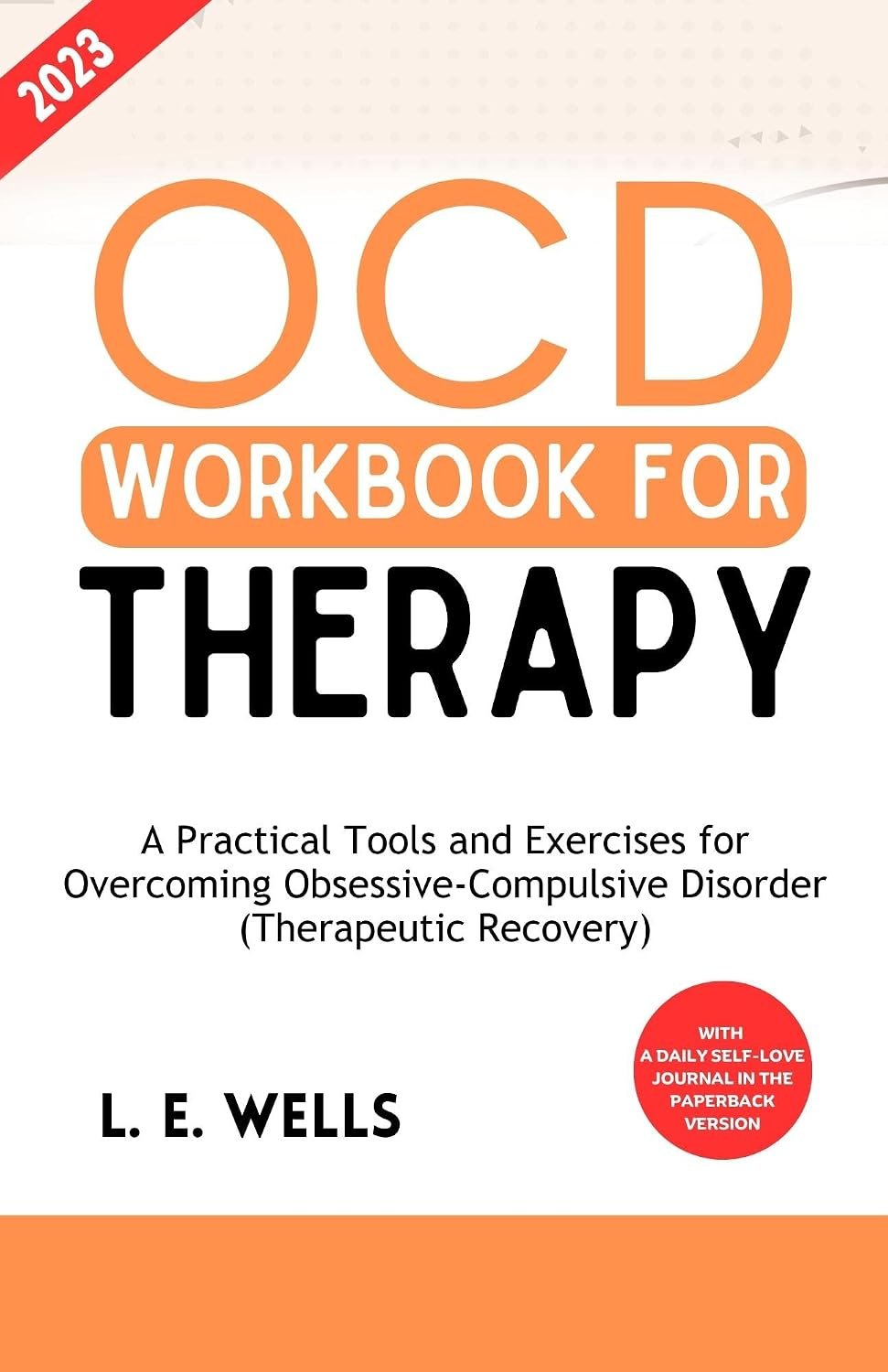
OCD Therapy Worksheets Anxiety Coping Skills — Mindfulness Workbook Mindfulness workbook: Consider using a mindfulness workbook for ocd to guide your practice and track your progress.
Make it a habit: Incorporate mindfulness into your daily routine, whether it's during a break or before bed.
Independent practice: While therapy is beneficial, mindfulness can help you manage symptoms independently too.
Therapeutic Approaches and Support
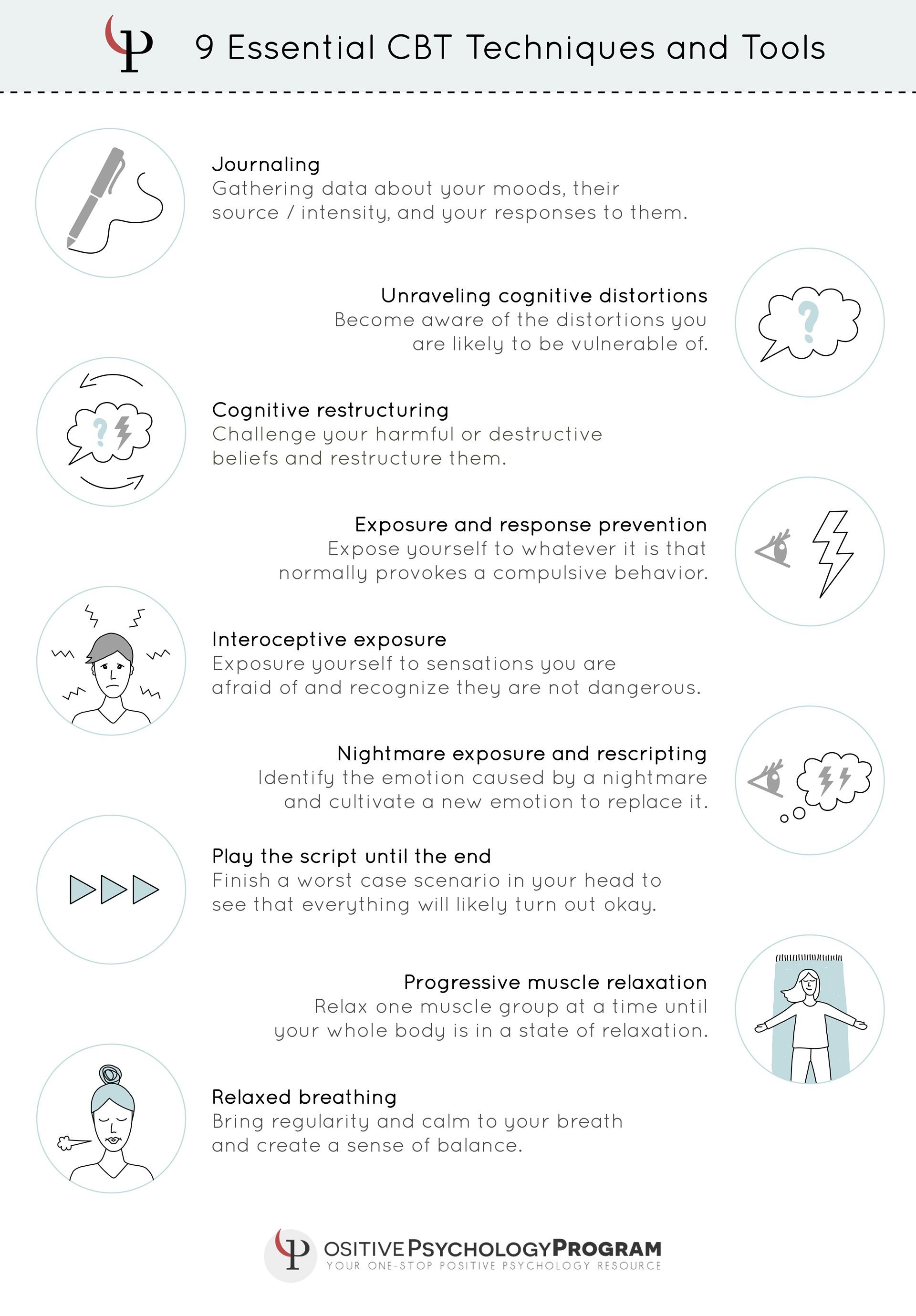
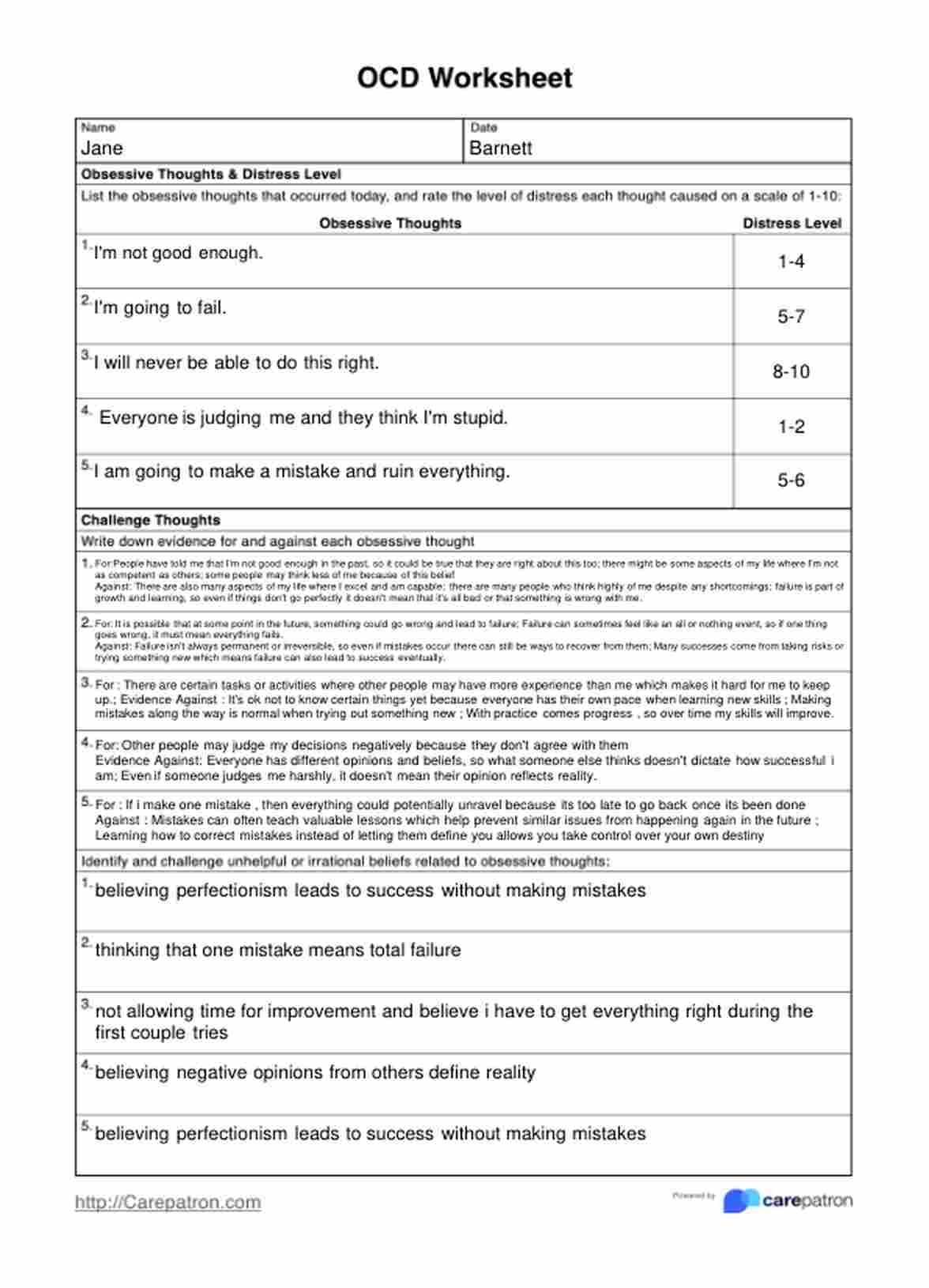
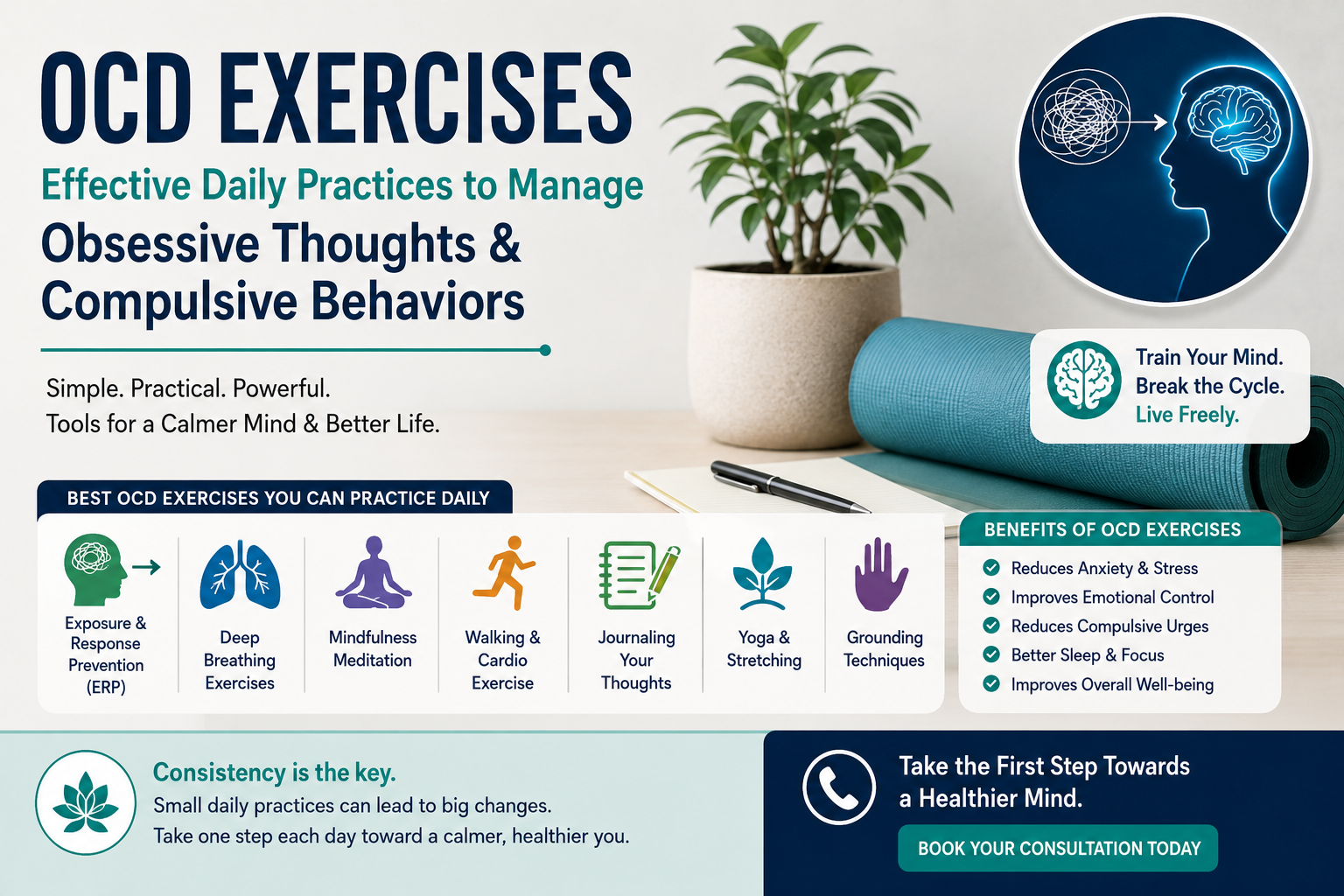
Exposure and Response Prevention (ERP): This therapy technique is often the first choice for OCD treatment. It involves gradually exposing yourself to triggers and learning to resist compulsive behaviors.
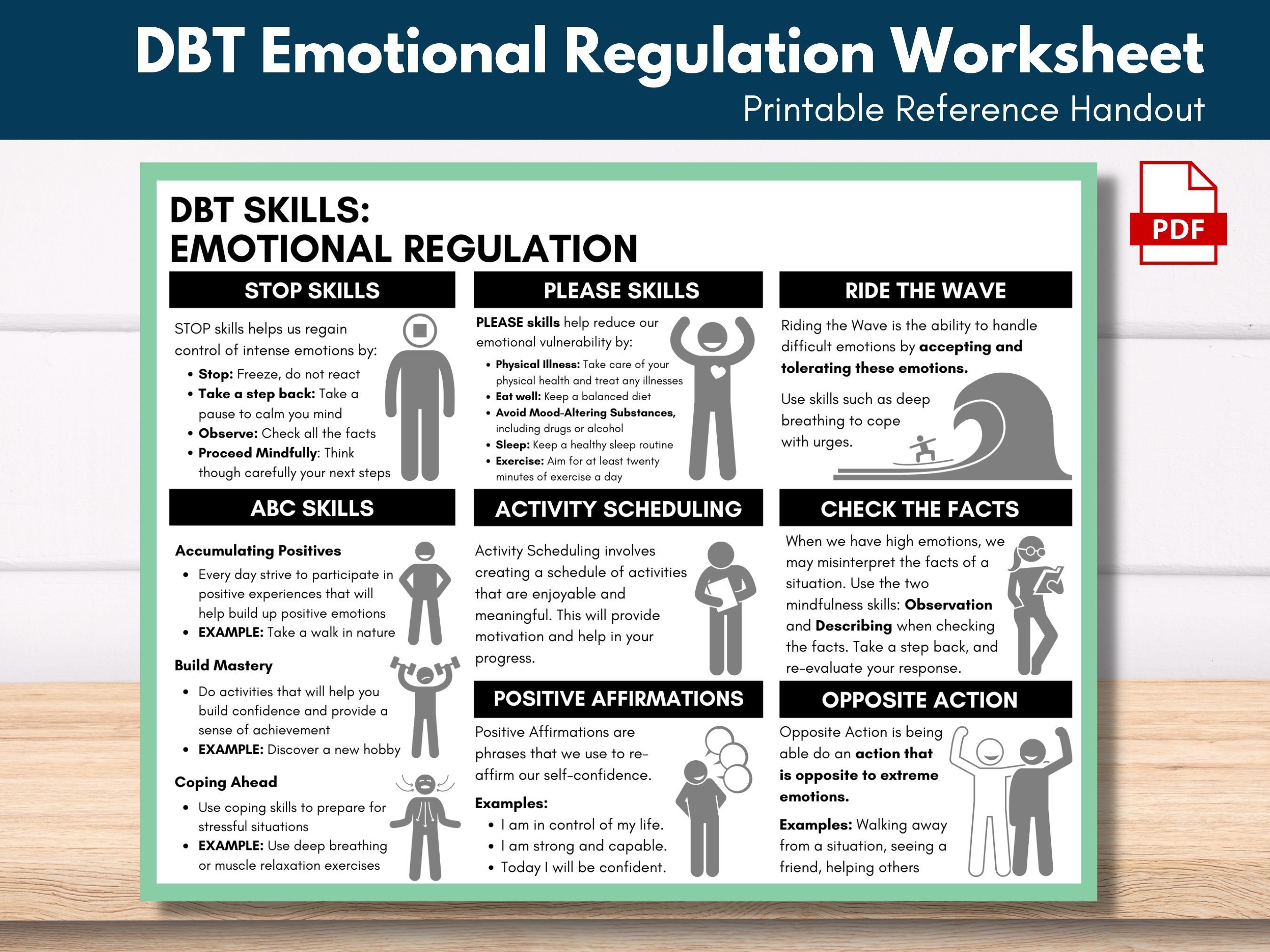
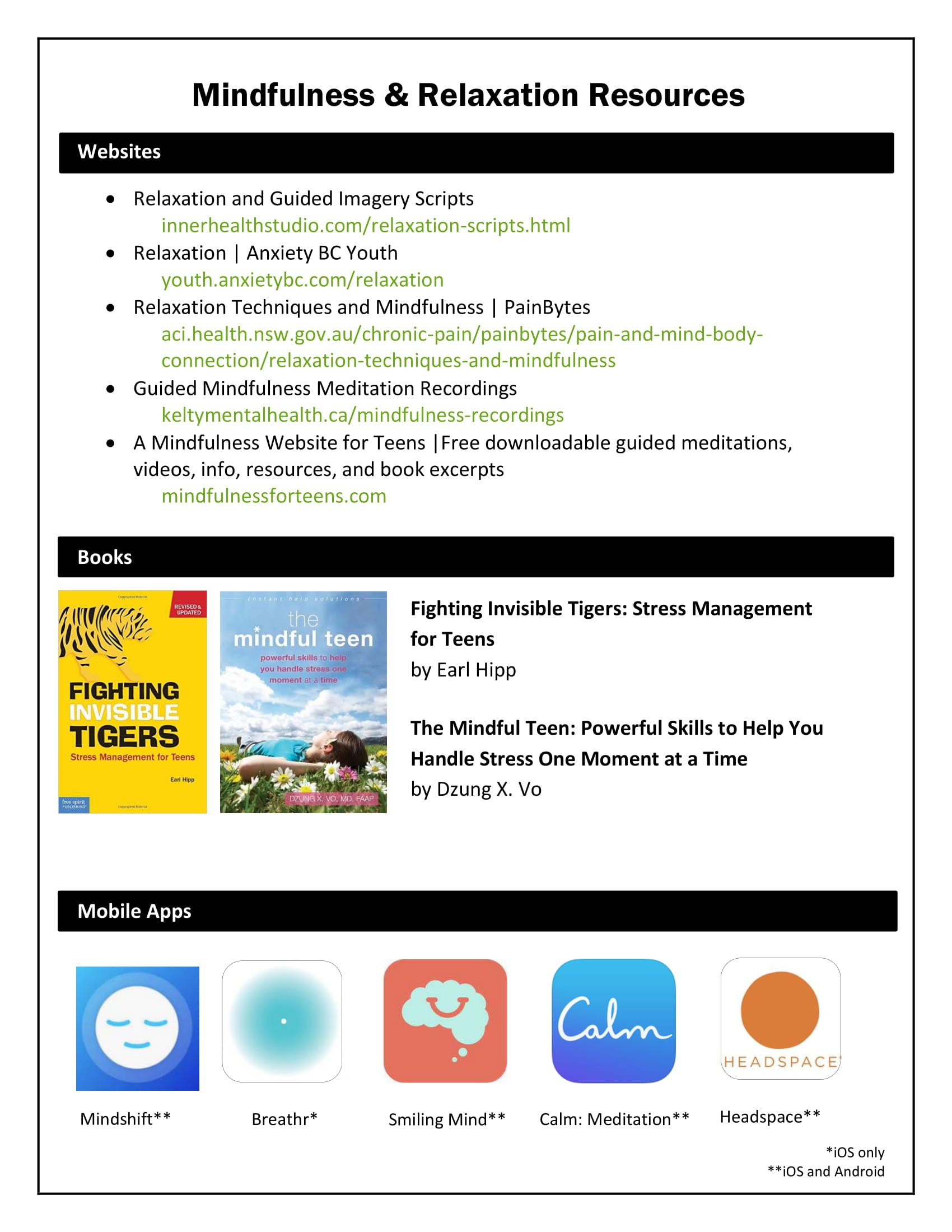
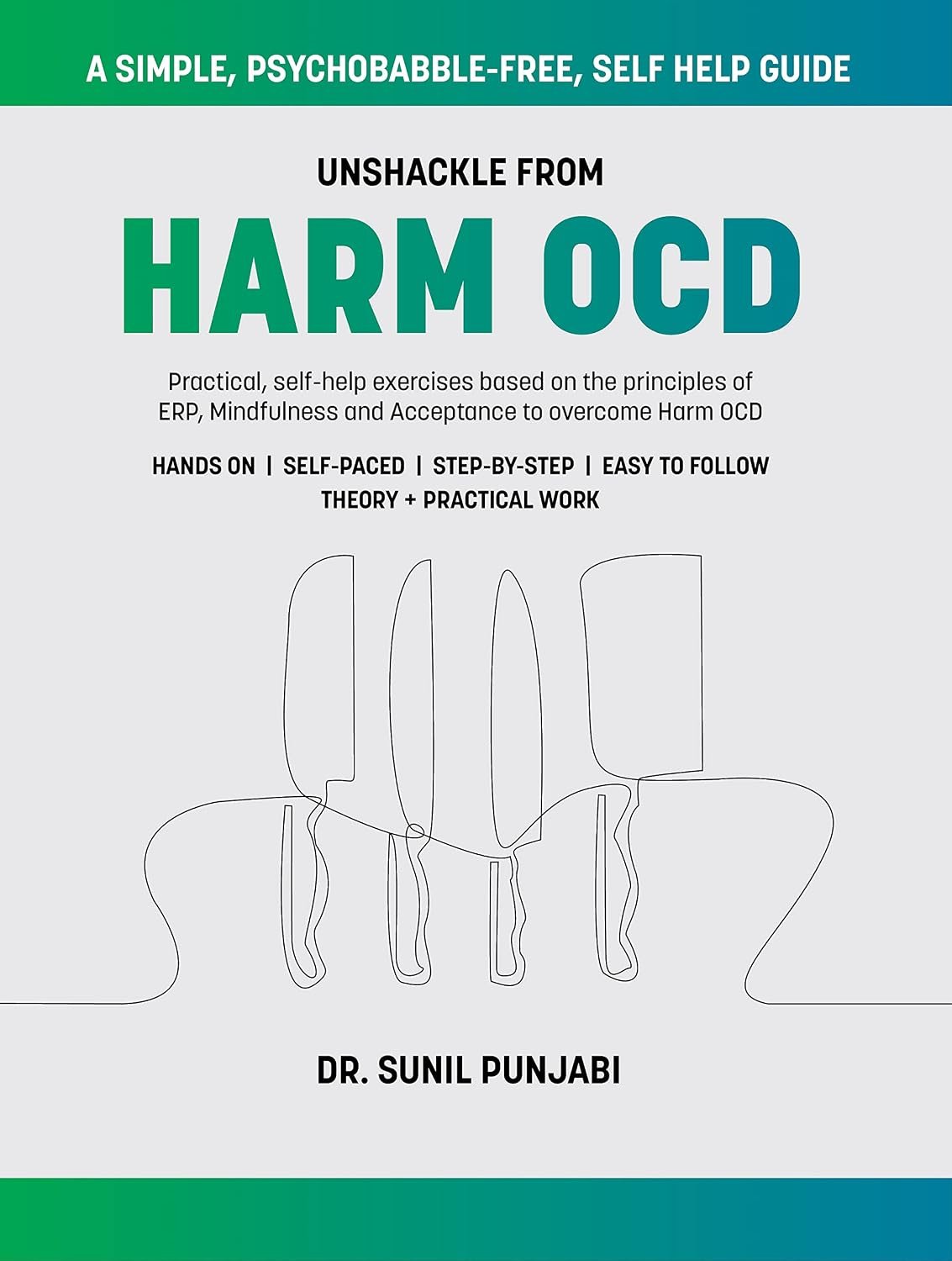
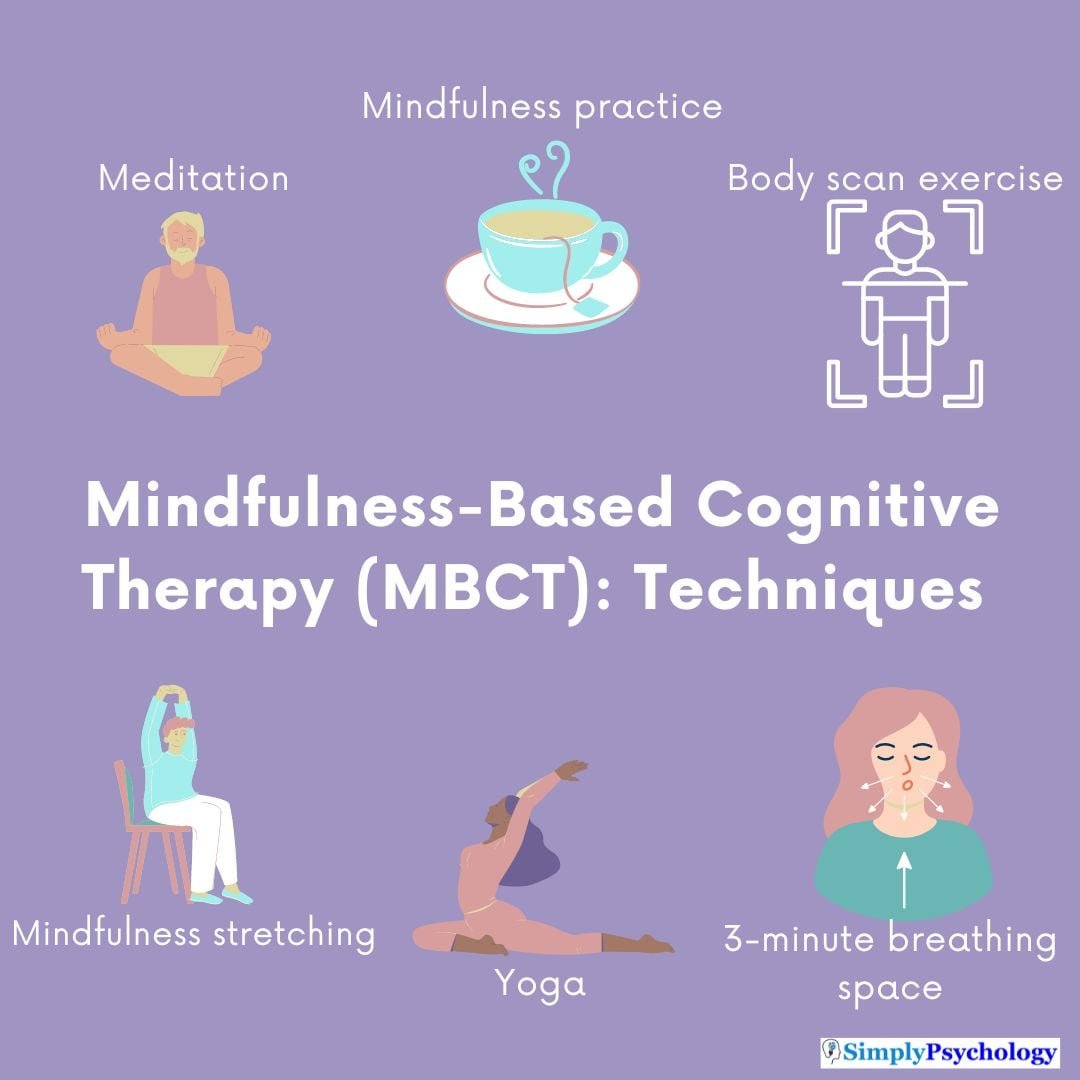
Mindfulness Exercises Outside Free Printable Independent — Mindfulness Workbook Mindfulness-Based Cognitive Therapy (MBCT): This approach combines mindfulness practices with cognitive behavioral therapy, helping individuals change their relationship with thoughts and feelings.
Seek Professional Guidance: While mindfulness exercises are beneficial, it's essential to consult a mental health professional for a personalized treatment plan. They can provide tailored support and ensure a safe and effective approach.
Resources and Further Reading
- Mindfulness Skills Worksheets
- Free Printable Mindfulness Worksheets
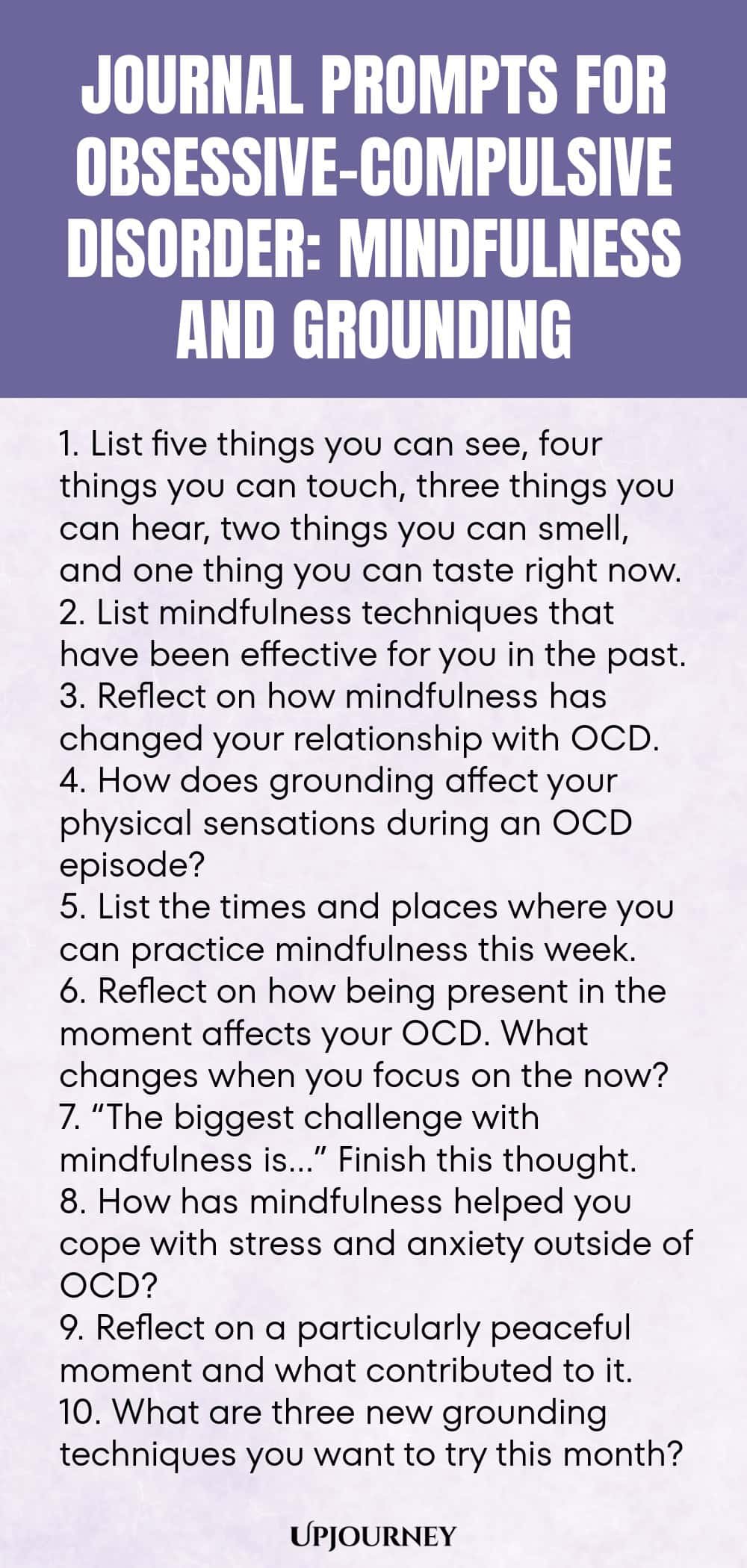
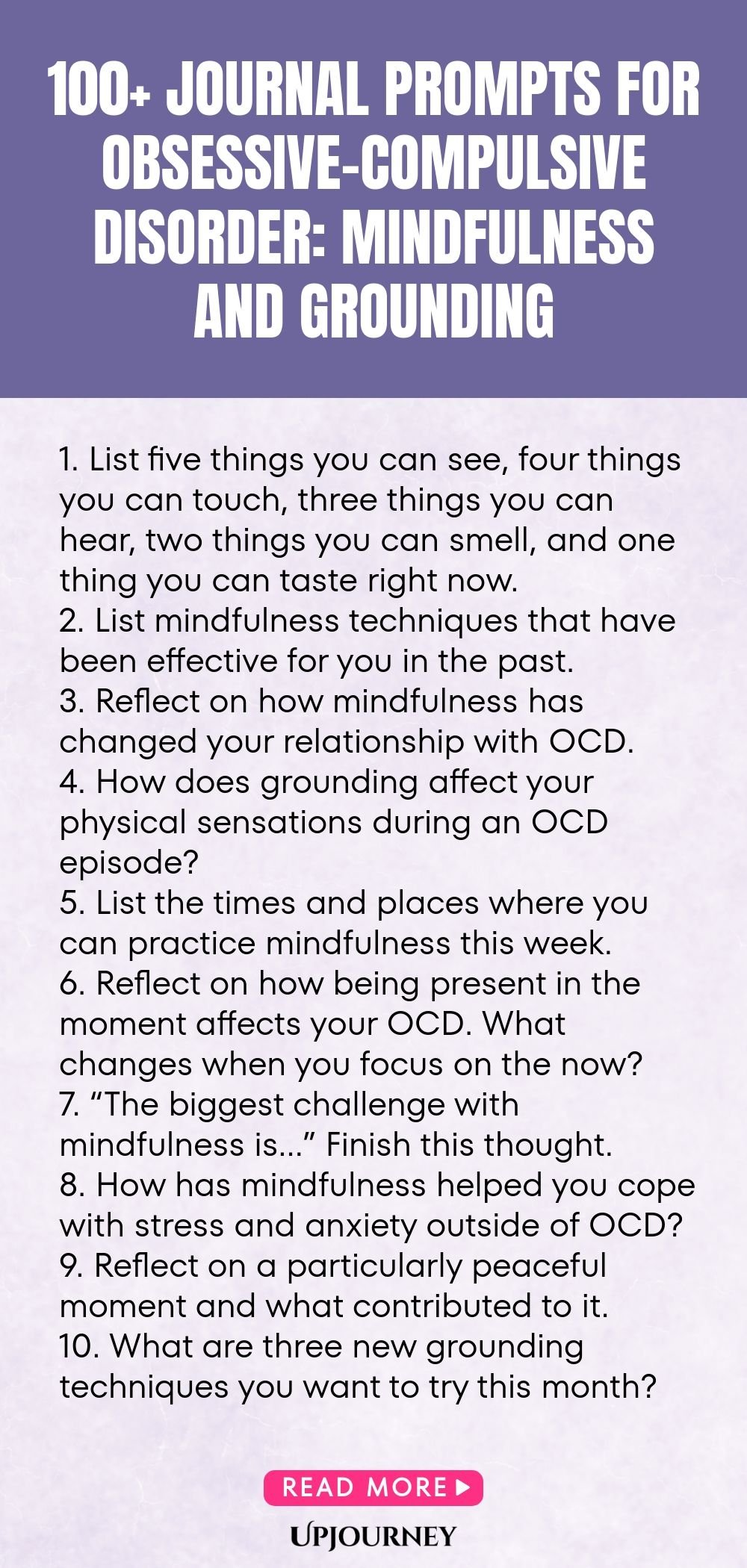
- Mindfulness Grounding Worksheet
- Heal Schuessler Obituaries
Remember, mindfulness is a skill that takes practice and patience. With consistency, these exercises can become powerful tools to manage OCD symptoms and improve overall well-being.