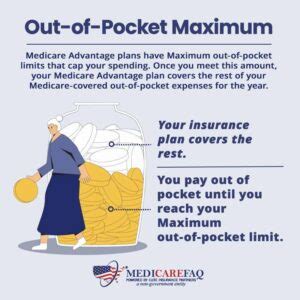
When navigating the complexities of healthcare insurance, one crucial term to understand is the “out of pocket maximum” (OOPM). This concept is fundamental in grasping how your health insurance works, especially in relation to your financial responsibilities. Essentially, the out of pocket maximum refers to the maximum amount you’ll have to pay for healthcare expenses within a given period, usually a year, before your insurance plan starts covering 100% of eligible costs.
To break it down, health insurance plans often come with various costs, including premiums, deductibles, copayments, and coinsurance. The deductible is the amount you must pay each year before your insurance begins to cover costs. Copayments are fixed amounts you pay for specific services, like doctor visits, while coinsurance is a percentage of costs you pay after meeting your deductible. The out of pocket maximum, however, is the ceiling on how much you’ll spend on these deductible, copayment, and coinsurance expenses.
For example, let’s say your health insurance plan has a deductible of 1,500, a copayment of 30 for doctor visits, and 20% coinsurance for hospital stays. If your plan’s out of pocket maximum is 6,000, once you've spent 6,000 on deductibles, copayments, and coinsurance, your insurance will cover 100% of eligible expenses for the remainder of the year. This means you won’t have to pay any more copays, deductibles, or coinsurance for covered services.
Understanding the out of pocket maximum is critical because it helps you plan your healthcare expenses and budget accordingly. Knowing this figure can also help you decide between different insurance plans, as it directly affects how much you might have to spend on healthcare in a given year.
Key Points About Out of Pocket Maximum:
- Annual Limit: The out of pocket maximum resets annually, so you’ll start over with your deductible and other expenses at the beginning of each year.
- Eligible Expenses: Not all healthcare costs count towards your out of pocket maximum. Only expenses for covered services as defined by your insurance plan are eligible.
- Plan Variations: Different insurance plans have different out of pocket maximums. Some may be higher or lower, depending on the plan’s overall design and cost-sharing structure.
- Financial Protection: The out of pocket maximum provides a level of financial protection by capping your healthcare expenses, ensuring that you won’t face unlimited costs for covered medical care.
Strategies for Managing Out of Pocket Expenses:
- Choose Plans Wisely: When selecting an insurance plan, consider the out of pocket maximum alongside other cost-sharing elements like deductibles and copayments.
- Health Savings Accounts (HSAs): If you have a high-deductible plan, you might be eligible for a Health Savings Account (HSA), which allows you to set aside pre-tax dollars for medical expenses.
- Negotiate Bills: In some cases, you can negotiate medical bills, especially if you’re paying out of pocket. Healthcare providers might offer discounts for cash payments or for prompt payment.
- Understand Network Providers: Using healthcare providers within your insurance plan’s network can significantly reduce your out of pocket expenses, as these providers have agreed to discounted rates with your insurer.
In conclusion, the out of pocket maximum is a vital component of your health insurance plan, offering a safeguard against excessive medical expenses. By understanding this concept and considering it within the broader context of your health insurance choices, you can better manage your healthcare spending and ensure that you’re protected against unforeseen medical costs.
What does the out of pocket maximum include?
+The out of pocket maximum includes expenses such as deductibles, copayments, and coinsurance for covered services under your health insurance plan.
Does the out of pocket maximum apply to all medical expenses?
+No, the out of pocket maximum only applies to expenses for services covered by your insurance plan and does not include costs for non-covered services or out-of-network care, unless otherwise specified by your plan.
How does the out of pocket maximum reset?
+The out of pocket maximum typically resets at the beginning of each new plan year, which means you'll start over with accumulating expenses towards your deductible and other cost-sharing elements.
Given the complexities of health insurance and the variability in plan designs, it’s essential to carefully review your plan’s details regarding the out of pocket maximum and other cost-sharing features. This understanding will empower you to make informed decisions about your healthcare spending and ensure that you’re adequately protected against financial risks associated with medical expenses.