



Outlook Automatic Refresh Inbox A4 Overview
Figuring out job outlook meaning can be a tricky task, especially when you're trying to navigate the job market or plan for the future. It's like trying to predict the weather, but for your career! This worksheet is a handy tool to help you understand and interpret those job outlook percentages you often see. It's a simple way to learn about job outlook examples and their real-world impact. Check out How to Use the Rsd Formula in Excel for a deeper dive into this topic.
December's hiring trends: a solid but slower pace.
Unlocking Job Outlook: A Practical Guide
Job outlook percentages can be a bit of a puzzle, but this worksheet is here to demystify them! It's an essential tool for anyone wanting to make sense of these figures and understand their impact. So, let's dive in and explore how this worksheet can be a game-changer for your career planning.
Understanding job outlook: its meaning and importance.
Mastering Occupational Outlook Assessments
The worksheet focuses on interpreting job outlook data, which is a crucial skill for anyone navigating the job market. It provides a structured approach to understanding these often-misunderstood percentages. By working through the activities, learners can gain a deeper insight into the projected labor demand and make more informed career choices.
Career guide: decoding the job outlook concept.
This worksheet is particularly beneficial for individuals considering their future job prospects. It equips them with the skills to analyze and interpret job outlook assessments, which are essential for making strategic career moves. Whether you're a student planning your future or a professional considering a career change, this resource is an invaluable guide.
Tax return filing: a necessary step for many.
What is a Job Outlook Percentage?
A common question that arises is, what exactly does a job outlook percentage represent? It's a measure of the expected employment rate for a specific occupation over a given period, usually several years. These percentages provide insights into the growth potential of different careers and help individuals assess the demand for their skills.
Swiss employment outlook: a concerning low point.
For instance, a job outlook percentage of 10% over the next decade indicates a positive career growth potential, suggesting that the occupation is likely to experience a higher demand for workers. On the other hand, a percentage of -5% might signal a decline in demand, prompting a closer examination of the reasons behind this projection.
U.S. Q1 employment survey: a comprehensive overview.
How to Use Job Outlook Data in Practice
So, how can you put this knowledge into action? The worksheet provides a range of activities to practice interpreting job outlook data. These include analyzing real-world examples, comparing different occupations, and discussing the factors that influence these projections.
Surgeon's path: salary, requirements, and more.
For instance, learners might be asked to research and present the job outlook for a specific occupation, considering its expected employment rate and the reasons behind this projection. This not only enhances their understanding of job outlook assessments but also encourages critical thinking and research skills.
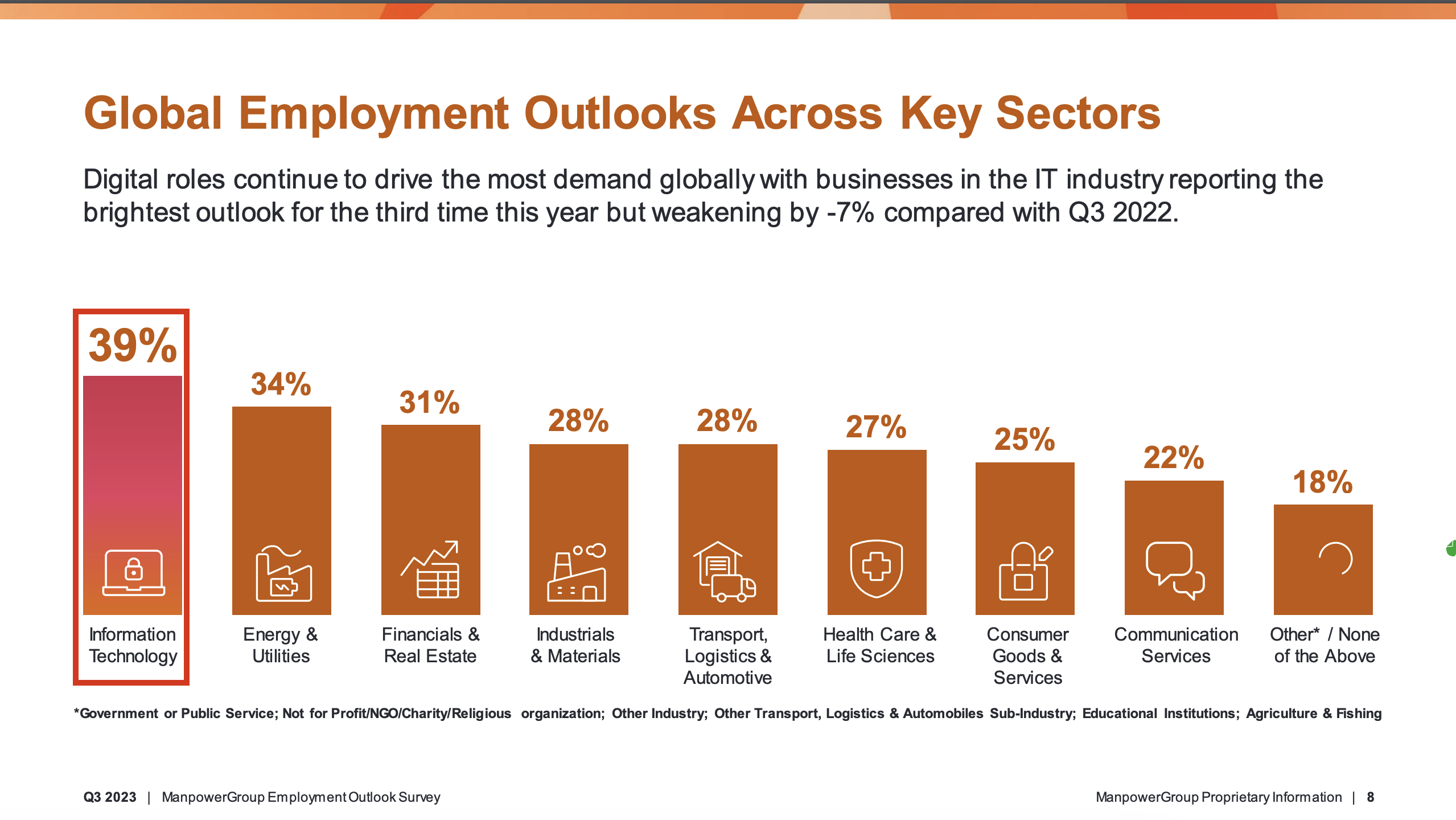
Tech jobs: a resilient and strong market.
Enhancing Career Planning with Job Outlook Worksheets
By incorporating job outlook worksheets into career planning, individuals can make more strategic choices. These resources provide a practical way to assess the viability of different career paths and understand the potential challenges and opportunities.
College majors: a glimpse into future job openings.
For instance, a student considering a career in healthcare might use the worksheet to research the job outlook for different healthcare occupations. This could involve comparing the expected employment rate for nurses, physicians, and other healthcare professionals, helping the student make an informed decision about their future career path.
Employee termination: a comprehensive checklist.
Practical Tips for Using Job Outlook Worksheets
When using job outlook worksheets, there are a few practical considerations to keep in mind. Firstly, ensure you have access to reliable sources for job outlook data. Government websites and industry reports are excellent resources for accurate and up-to-date information.
Q4 employment: industries with the most appeal.
Secondly, consider the context of the data. Job outlook percentages can vary depending on location, so it's essential to research the specific region or country you're interested in. This ensures that the information you're working with is relevant to your circumstances.
Employment outlook: a decade-low, but signs of hope.
Lastly, don't forget to explore the reasons behind the job outlook projections. Understanding the factors that influence these percentages, such as technological advancements, demographic changes, or economic trends, can provide valuable insights into the future of an occupation.
By following these tips and practicing with job outlook worksheets, you'll be well-equipped to navigate the job market and make informed career decisions. Remember, these resources are a valuable tool for anyone wanting to understand the employment opportunity outlook and plan for a successful future.
And if you're interested in a daily routine that can complement your career planning, check out My Everyday X Ray Logbook Routine. It's a great way to stay organized and focused on your goals!
So, there you have it! A worksheet that can truly revolutionize the way you approach job outlooks and career planning. It's an accessible and practical tool to help you navigate these often confusing figures and make informed decisions.
Why not give it a go and see how it simplifies your career path? Print it out, save it for future reference, or even share it with friends who might find it useful. I'd love to hear how it works for you and if it sparks any new insights or ideas. Leave a comment or share your experience below; I'm keen to hear your thoughts!
Biostatistics: an interactive guide to career prospects.
Read also: What to Expect in a Dirty Wrestling Pit
Related: My Outlook Mail Inbox View Just Changed
I've always found it fascinating how a simple change in outlook mail inbox view can throw us off. It's like when you attend a funeral and see how the family has set up a display of photos and mementos, it reminds you of the person's life and how their outlook on the world might have changed over time. Remembering Mary Davis Royster at Her Funeral is a great example of how these little changes can have a big impact. Similarly, when our email layout suddenly shifts, it can be a bit of an adjustment, but it's a great opportunity to learn and adapt, just like we do when we encounter new perspectives.
Superhuman Mail: Reviews, Pricing, and Features
Outlook Mail Inbox View Changed: Adapting to a New Layout
When it comes to email management, a change in the inbox view can be a game-changer. Outlook, being a widely used email client, often introduces updates and revisions to its interface, which can leave users feeling a bit lost at first. However, these changes provide a unique opportunity to enhance our email organization skills and adapt to new digital environments.
Superhuman Mail Reviews: Details, Pricing, and More
Exploring Alternative Inbox Looks: A Practical Approach
One of the key benefits of exploring different inbox views is the ability to customize your email experience. Outlook offers various layout options, allowing users to choose the one that best suits their preferences and needs. Whether it's a simple list view, a condensed compact view, or a detailed preview pane, each option provides a unique way to interact with your inbox.
Understanding Outlook's 'Other Inbox' Feature
For instance, the list view offers a straightforward and organized approach, perfect for those who prefer a no-frills, efficient email management style. On the other hand, the preview pane view allows users to quickly scan through emails without opening them, providing a glimpse of the content and context. This view is ideal for those who want a more visual and efficient way to navigate their inbox.
Outlook View Changed: 6 Ways to Revert
People Also Ask: What Are the Benefits of Customizing Outlook's Inbox View?
Customizing Outlook's inbox view offers several advantages. Firstly, it allows users to prioritize and organize their emails based on their specific needs. Whether it's sorting by sender, subject, date, or importance, a customized view ensures that the most relevant emails are easily accessible. This can greatly enhance productivity and reduce the time spent searching for important messages.
Outlook Inbox: A Screenshot Guide
Additionally, a revised mail view can improve the overall user experience. By choosing a layout that aligns with your preferences, you can create a more comfortable and efficient workspace. For example, if you prefer a clean and minimalist design, you can opt for a simplified view with fewer distractions, enhancing your focus and productivity.
Change View: Microsoft Outlook Tutorial
How to Choose and Implement the Right Outlook Inbox View
When it comes to selecting the right inbox view, it's essential to consider your personal preferences and email habits. Think about how you typically interact with your inbox and what features would make your email management more efficient. Do you prefer a quick overview of your messages, or do you need detailed information at a glance?
Outlook Inbox View Changed: How to Revert
Outlook provides a range of options to cater to different user needs. You can experiment with the various views and customize them further by adjusting settings like font size, message density, and preview options. This flexibility allows you to create a personalized inbox experience that suits your unique requirements.
Outlook Email: Adjusting View Settings
Enhancing Productivity: The Practical Benefits of a Revised Mail View
Adapting to a new email layout offers more than just a fresh look. It presents an opportunity to enhance your productivity and email organization skills. By exploring different views and customizing your inbox, you can develop a more efficient workflow and improve your overall email management capabilities.
Outlook Message List: Changing Font Size
For instance, a modified mail setup can help you quickly identify and prioritize important messages. By sorting emails based on specific criteria, such as sender or urgency, you can ensure that critical communications are always at the top of your inbox. This simple change can significantly reduce the time spent sifting through emails and improve your overall efficiency.
Outlook Layout: A Step-by-Step Guide
Furthermore, a changed message format can also improve your scanning and reading skills. With different views, you can quickly identify the key information in each email, such as the subject, sender, and a brief preview. This skill is especially useful when dealing with a high volume of emails, as it allows you to quickly assess the relevance and importance of each message.
Outlook Email View: A Simple Guide
In conclusion, adapting to a new email layout, such as Outlook's revised inbox view, is not just about learning a new interface. It's an opportunity to enhance your digital skills, improve your email organization, and boost your overall productivity. By embracing these changes and exploring the various options, you can create a personalized and efficient email experience that works best for you.
Outlook Verknüpfungen: A Comprehensive Guide
Free Receipt Template Pdf for Small Businesses is a great resource for small business owners, but it's not the only way to stay organized. Outlook's inbox view changes can also help you keep your digital communications in check.
So, there you have it! A fresh inbox view can indeed be a fun challenge, and it's exciting to see how Outlook continues to evolve. Remember, change is a chance to grow and improve our email game.
Why not give the new layout a go and see how it works for you? You might just find a more efficient way to manage your emails. And if you have any tips or tricks to share, or even a funny story about adapting to the new view, feel free to leave a comment below! I'd love to hear your experiences and any creative ways you've embraced the change.
Personalize Outlook: Easy Ways to Change Your View
Read also: 23 to Do List Priority Templates
Related: How to Fix Your Outlook Inbox View
I've always found it fascinating how something as simple as an email client can become a bit of a mystery when things go awry. Like, one day, your Outlook inbox is just fine, and the next, it's all condensed and weird, and you're like, "Why is my outlook inbox condensed?" It's a small frustration, I know, but one that can be a real pain when you're trying to get things done. So, I thought I'd share a little guide on fixing outlook inbox view, a handy skill to have, especially if you're a student, parent, or teacher navigating the digital world.
Outlook's view settings: a simple guide.
Outlook Inbox View: Mastering the Art of Organization
Outlook, a widely used email client, offers a range of features to help users manage their inboxes efficiently. However, when the inbox view becomes condensed or distorted, it can be a source of frustration and confusion. This guide aims to demystify the process of fixing and customizing your Outlook inbox view, ensuring a seamless and personalized experience.
Microsoft's fix for Outlook's biggest issue.
Customizing Your Inbox: Beyond the Basics
While Outlook provides a default inbox view, the real power lies in its customization options. Users can tailor the inbox to their specific needs, making it a highly efficient tool for email management. This involves adjusting the layout, sorting and filtering options, and even creating personalized views for different tasks or projects.
Outlook: 3 quick fixes for shared mailbox issues.
For instance, students can create a view focused on organizing emails from different courses, prioritizing assignments, and filtering out less important messages. Parents, on the other hand, might prefer a view that highlights emails from their children's schools or important family updates, keeping them organized and informed.
Focused Inbox: what it is and how it works.
People Also Ask: Why Does My Outlook Inbox View Change Unexpectedly?
One common question that arises is why Outlook inbox views sometimes change unexpectedly. This can be due to various reasons, including updates to the Outlook software, changes in email account settings, or even accidental adjustments made by the user. Understanding these potential causes can help users troubleshoot and prevent future issues.
Outlook inbox: how to restore its original view.
It's important to note that Outlook's view settings are often saved at the account level, so changes made on one device or computer may be reflected across all devices linked to that account. This can be both a convenience and a challenge, depending on the situation.
Why did my Outlook inbox view change?
How to Reset and Adjust Your Outlook Inbox View
If you find yourself in a situation where your Outlook inbox view has changed unexpectedly or you simply want to start with a clean slate, resetting the view is a straightforward process. Outlook provides a "Reset View" option, allowing users to restore the default settings.
Quick fixes for a cluttered Outlook inbox.
Additionally, users can customize their view by adjusting columns, sorting options, and even adding or removing quick view changes. This level of control ensures that users can create a view that suits their specific needs and preferences, making email management more efficient and enjoyable.
Step-by-step: changing the Inbox view in Outlook.
Practical Application: Organizing Emails for Productivity
One of the key benefits of mastering Outlook's inbox view customization is the ability to organize emails effectively. By setting up specific views for different purposes, users can quickly access and manage their emails, improving productivity and reducing the time spent searching for important messages.
Outlook calendar: changing the view, made easy.
For example, a teacher might create a view that sorts emails by sender, with a focus on student submissions. This allows them to quickly review and grade assignments, ensuring a streamlined workflow. Similarly, a business professional can set up a view that prioritizes emails based on urgency or importance, making it easier to respond to clients and colleagues promptly.
Outlook: adjusting font size for message lists.
By understanding how to fix and customize their Outlook inbox view, users can transform a simple email client into a powerful tool for organization and productivity. It's a skill that can be easily learned and applied, making email management a breeze, even for those with busy schedules or complex email needs.
Focused Inbox not working? A quick fix.
How to Do Spiderman Net Hand Move is a fun break from the digital world, but for those who want to dive deeper into Outlook's features, mastering the inbox view is a great place to start. With a little practice, users can navigate their inboxes with ease, making the most of this versatile email client.
Outlook: 11 ways to customize your view.
So, there you have it! You now possess the knowledge to take control of your Outlook inbox and make it work for you. Remember, a well-organized inbox is a powerful tool, and with these tips, you can customize your view to suit your needs perfectly.
Why not give it a go and see how much more efficient your email management becomes? Leave a comment or share your experience below; I'd love to hear how these tricks have helped streamline your Outlook journey!
Personalize Outlook with these easy view changes.
Read also: Exploring the Magic of Dew Haven Animal Zoo